
Polycystic Ovary Syndrome (PCOS) remains one of the most prevalent endocrine disorders among women of reproductive age, affecting approximately 8% to 13% of the global female population. Characterized by hormonal imbalances, irregular menstrual cycles, and the presence of small cysts on the ovaries, the condition is frequently underpinned by insulin resistance. As clinical research evolves, the ketogenic diet—a nutritional regimen characterized by high fat, moderate protein, and very low carbohydrate intake—has emerged as a significant metabolic intervention. While the diet was originally developed in the 1920s to treat pediatric epilepsy, its application in managing metabolic and reproductive health in women with PCOS has gained substantial traction within the medical community.
Metabolic Foundations of the Ketogenic Diet
The primary objective of a ketogenic diet is to shift the body’s primary fuel source from glucose to ketones. In a standard diet, carbohydrates are broken down into glucose, which triggers the release of insulin. For women with PCOS, this process is often dysfunctional. Insulin resistance causes the body to produce excessive amounts of insulin to maintain stable blood sugar levels. These elevated insulin levels, in turn, signal the ovaries to produce an excess of androgens, specifically testosterone, which exacerbates PCOS symptoms such as hirsutism, acne, and ovulatory dysfunction.
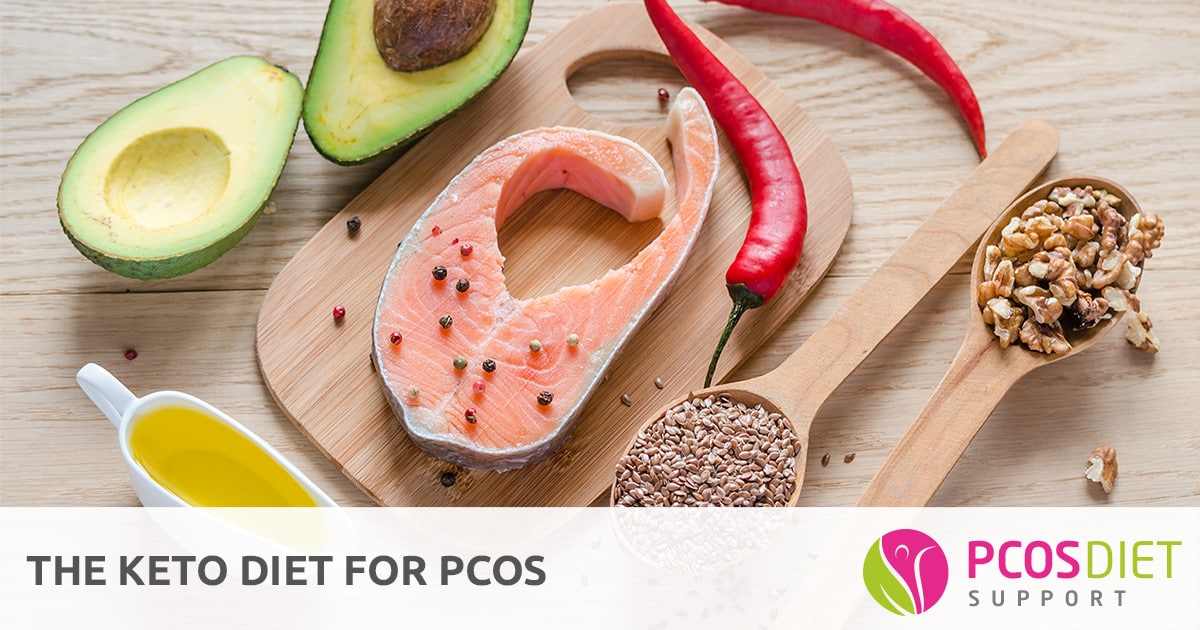
By restricting carbohydrate intake to typically between 20 and 50 grams per day, the body exhausts its glycogen stores—the "easy access" energy kept in the liver and muscles. This metabolic state forces the liver to convert stored body fat into fatty acids and ketone bodies. This biological transition, known as nutritional ketosis, significantly lowers the systemic demand for insulin. Medical experts often utilize a metaphorical "refrigerator and freezer" model to explain this: glucose acts as the kitchen refrigerator, easily accessible and frequently replenished, while fat stores represent a deep freezer in the basement. A ketogenic protocol effectively empties the "refrigerator," forcing the body to tap into the "freezer" for long-term energy sustainability.
Clinical Chronology and Research Milestones
The exploration of low-carbohydrate interventions for PCOS has progressed through several stages of clinical scrutiny.
In 2005, a landmark pilot study published in the journal Nutrition & Metabolism examined the effects of a ketogenic diet on women with PCOS over a six-month period. The findings were significant: participants who adhered to the regimen experienced an average weight loss of 12%, a 54% reduction in fasting insulin levels, and a 22% decrease in free testosterone. Notably, two women in the study who had previously struggled with infertility achieved pregnancy during the trial.

Subsequent research in the 2010s expanded on these findings, focusing on the diet’s impact on the Luteinizing Hormone (LH) to Follicle-Stimulating Hormone (FSH) ratio. In many PCOS cases, the LH/FSH ratio is elevated, which prevents regular ovulation. Clinical data indicates that by stabilizing insulin, the ketogenic diet can normalize these ratios, potentially restoring regular menstrual cycles and improving fertility outcomes without the immediate need for pharmaceutical intervention.
Hormonal and Physiological Benefits
The ketogenic diet’s impact on PCOS is multi-faceted, addressing both the metabolic and aesthetic symptoms of the syndrome.
Insulin Sensitivity and Weight Management
Weight loss is frequently the primary driver for women adopting the ketogenic diet. Because the body becomes "fat-adapted," it can more efficiently utilize adipose tissue for energy. Furthermore, the stabilization of blood sugar prevents the "insulin spikes" that typically lead to rapid hunger and sugar cravings. By maintaining a steady metabolic rate, patients often report a natural reduction in caloric intake without the psychological strain of traditional restrictive dieting.

Satiety and Appetite Regulation
Research published in the American Journal of Clinical Nutrition suggests that the ketogenic diet alters the signaling of hunger hormones, including ghrelin and leptin. High-fat diets promote a feeling of fullness (satiety) for longer periods. For women with PCOS, whose hunger cues are often distorted by insulin resistance, this regulation is a critical component of long-term weight maintenance.
Dermatological Improvements: Acne and Hirsutism
The reduction of systemic insulin levels has a direct correlation with skin health. High insulin levels decrease the production of Insulin-like Growth Factor Binding Protein-1 (IGFBP-1). When IGFBP-1 is low, the body has higher levels of circulating IGF-1, which stimulates sebum production and worsens acne. By suppressing insulin, the ketogenic diet boosts binding proteins, lowers IGF-1, and consequently reduces the severity of hormonal acne and unwanted hair growth.
Cardiovascular Health
Women with PCOS face a statistically higher risk of developing cardiovascular disease later in life. While high-fat diets were once viewed with skepticism regarding heart health, contemporary research indicates that a ketogenic diet focused on "healthy fats" (such as monounsaturated and polyunsaturated fats) can improve lipid profiles. Studies have shown increases in High-Density Lipoprotein (HDL) or "good" cholesterol and a reduction in triglycerides, which are common markers of heart health.

Potential Risks and Physiological Challenges
Despite the therapeutic benefits, the ketogenic diet is not without complications and may not be suitable for all patients.
The "Keto Flu" and Initial Adaptation
During the first seven to ten days of carbohydrate restriction, many individuals experience a cluster of symptoms known as the "keto flu." These include headaches, nausea, fatigue, and irritability. These symptoms are primarily caused by the body’s loss of electrolytes; as insulin levels drop, the kidneys excrete excess sodium and water. While temporary, this phase can be a significant barrier to adherence.
Gastrointestinal Concerns
A common side effect of the ketogenic diet is constipation, often resulting from a drastic reduction in dietary fiber as grains and certain fruits are eliminated. Clinical recommendations suggest that patients mitigate this by significantly increasing the intake of non-starchy, fibrous vegetables such as spinach, kale, and broccoli to maintain gut motility.

Impact on Thyroid Function
A critical concern for the medical community is the relationship between low-carbohydrate intake and thyroid health. Insulin is required for the conversion of the thyroid hormone T4 into its active form, T3. In patients with pre-existing hypothyroidism or Hashimoto’s thyroiditis—conditions that are disproportionately common in women with PCOS—a strict ketogenic diet may lead to a further decline in thyroid function. For these individuals, a moderate carbohydrate approach (50–100 grams per day) is often recommended over strict ketosis.
Sustainability and Long-term Implications
A significant critique of the ketogenic diet is its sustainability. The restrictive nature of the protocol can lead to social isolation and "dietary burnout." Journalistic analysis of patient outcomes suggests that while the ketogenic diet is an excellent "reset" tool for correcting severe insulin resistance, many women eventually transition to a more flexible, low-glycemic load (Low-GL) diet.
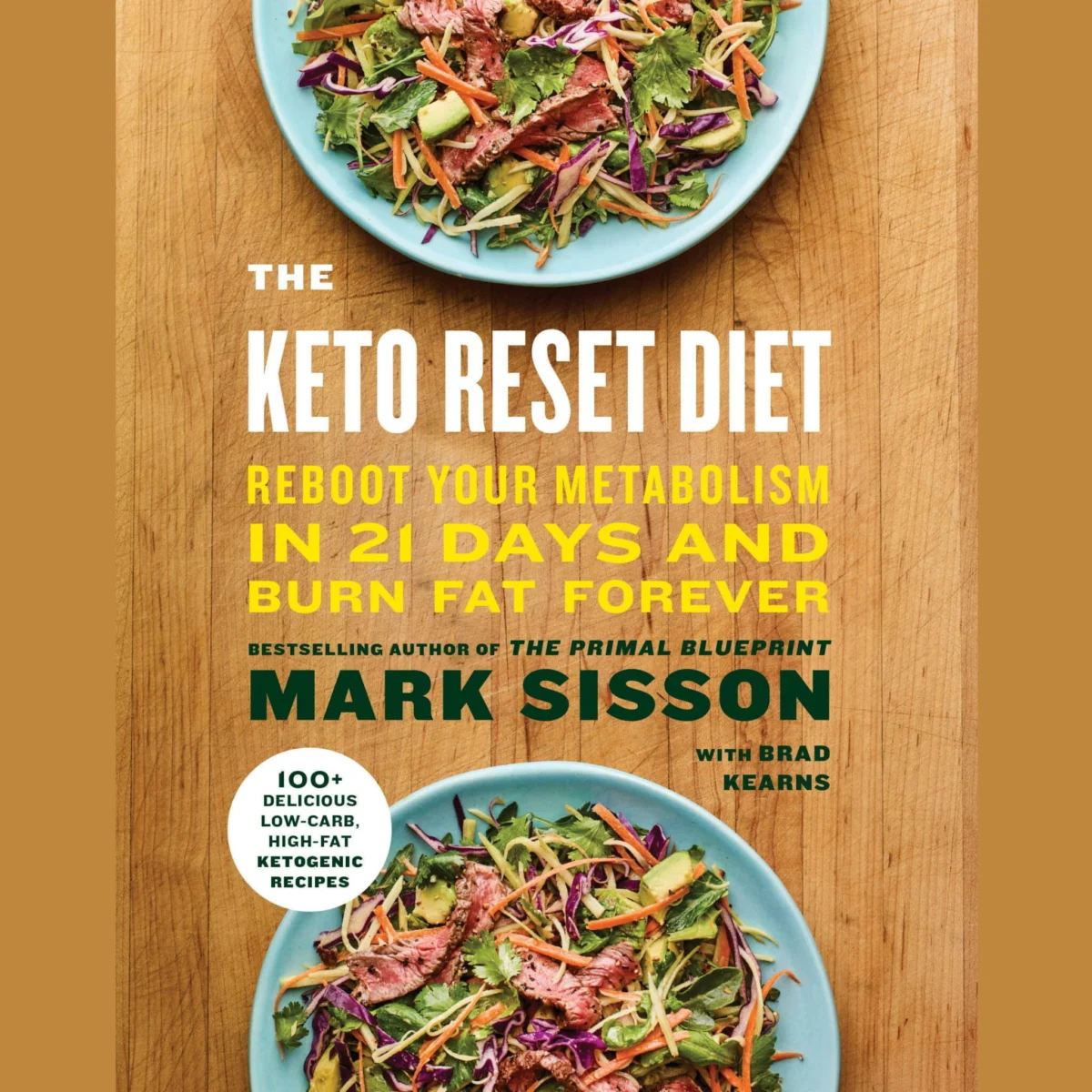
Medical professionals emphasize that PCOS is a lifelong condition requiring a sustainable lifestyle rather than a temporary fix. The "Keto Reset" approach, popularized by health authors like Mark Sisson, advocates for a 21-day period of strict ketosis to restore metabolic flexibility, followed by a gradual reintroduction of nutrient-dense carbohydrates. This tiered transition allows the body to maintain its ability to burn fat while providing the fiber and micronutrients found in berries, sweet potatoes, and legumes.
Broader Impact and Clinical Recommendations
The growing body of evidence supporting the ketogenic diet for PCOS has influenced clinical practice, leading many endocrinologists to recommend it as a first-line lifestyle intervention. However, official responses from organizations such as the American College of Obstetricians and Gynecologists (ACOG) continue to emphasize that "no single diet has been proven superior" for PCOS, instead highlighting that any weight loss of 5% to 10% of total body weight can significantly improve symptoms.
For patients considering this path, the following foundation is recommended by nutritional experts:
- Gradual Reduction: Slowly lowering carb intake to avoid severe "keto flu."
- Nutrient Density: Focusing on whole foods rather than "dirty keto" (highly processed high-fat foods).
- Hydration and Electrolytes: Increasing salt and water intake during the initial adaptation phase.
- Medical Supervision: Monitoring thyroid and kidney function through regular blood work.
In summary, the ketogenic diet represents a powerful metabolic lever for women with PCOS, particularly those struggling with insulin resistance and weight loss plateaus. While it offers profound benefits for hormonal profiling and symptomatic relief, it requires a disciplined approach and an awareness of potential physiological trade-offs. As research continues, the focus remains on personalizing these dietary interventions to ensure they are both medically effective and lifestyle-sustainable.