
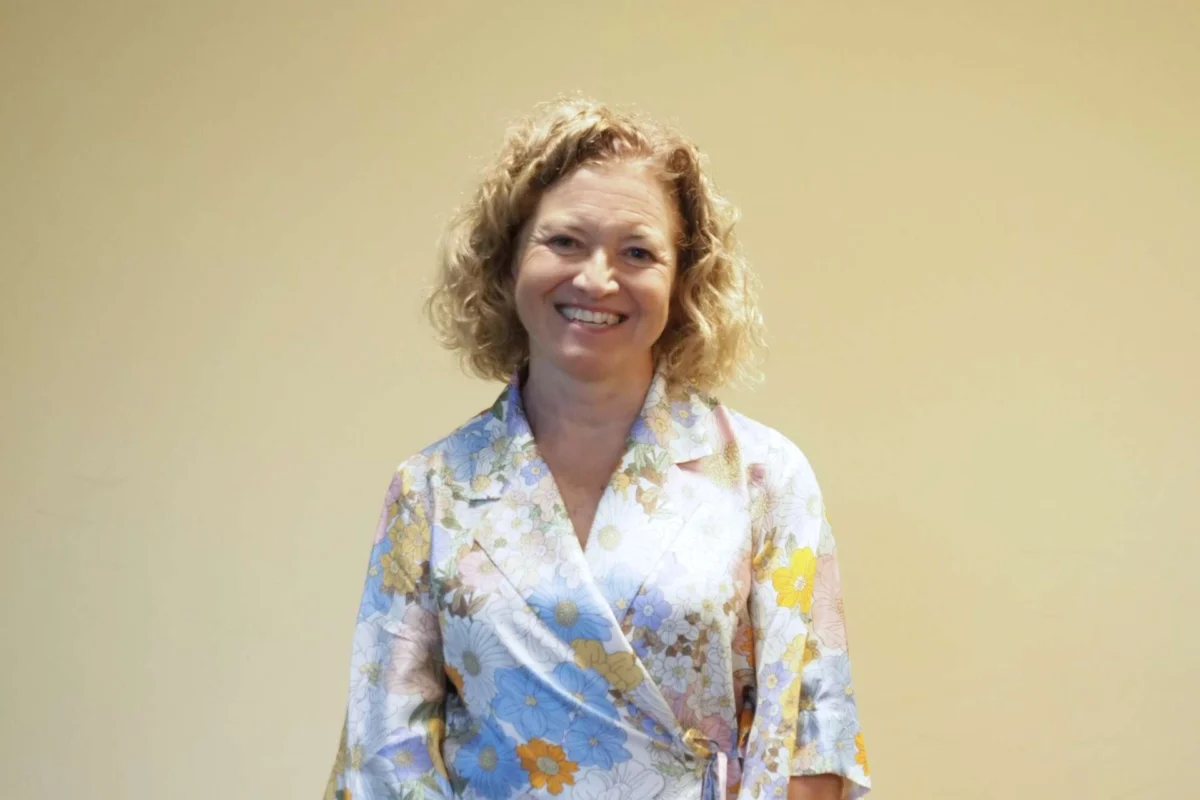
The understanding of autoimmune diseases is undergoing a fundamental paradigm shift as researchers look beyond the affected organs to the complex ecosystem residing within the human digestive tract. Dr. Marika Falcone, a leading researcher at the San Raffaele Hospital in Milan, has recently brought to light compelling evidence that the gut microbiome serves as a primary theater for the modulation of extra-intestinal autoimmune conditions, specifically Multiple Sclerosis (MS) and Type 1 Diabetes (T1D). This research suggests that the commensal microbiota—the trillions of microorganisms inhabiting the human gut—plays a decisive role in shaping immune responses that eventually manifest as systemic or organ-specific diseases far removed from the intestine.
The core of Dr. Falcone’s findings centers on the behavior of self-reactive T lymphocytes. Traditionally, autoimmune research focused on the destruction of the myelin sheath in the central nervous system for MS or the insulin-producing beta cells in the pancreas for T1D. However, Falcone’s work demonstrates that these autoreactive T cells are frequently "primed" or modulated within the gut environment before they migrate to their target organs. By identifying specific alterations in microbiota-derived metabolites, her team has mapped a direct link between intestinal dysbiosis—an imbalance in microbial communities—and the activation of the immune system’s destructive pathways.
The Evolution of Microbiome Research: A Chronological Perspective
The journey toward understanding the gut-organ axis has been decades in the making, evolving from a niche biological interest to a central pillar of modern immunology. To appreciate the significance of Dr. Falcone’s current work, one must look at the timeline of discovery that led to this juncture.
In the late 20th century, the medical community largely viewed the gut microbiome as a passive entity responsible primarily for fermentation and vitamin synthesis. The early 2000s marked a turning point with the launch of the Human Microbiome Project (HMP) in 2007. This international effort provided the first comprehensive map of the microbial diversity within the human body, revealing that microbial genes outnumber human genes by a ratio of roughly 150 to 1.
By 2010, the "Hygiene Hypothesis" began to gain scientific traction, suggesting that a lack of early-childhood exposure to diverse microorganisms was contributing to the rising global incidence of autoimmune diseases. Between 2012 and 2018, several landmark studies using germ-free mice demonstrated that animals without a microbiome did not develop experimental models of Multiple Sclerosis, proving for the first time that bacteria were essential for the disease’s onset.
Building upon this foundation, Dr. Falcone’s research at San Raffaele Hospital over the last five years has moved from general observation to mechanistic specificity. Her team has focused on the "how"—identifying the exact metabolites and signaling pathways that allow a gut bacterium to influence a T cell destined for the brain or the pancreas.
Mechanisms of Gut-Mediated Autoimmunity
The biological mechanism driving these diseases involves a sophisticated interplay between the intestinal barrier, the immune system, and microbial secretions. Under normal conditions, the gut-associated lymphoid tissue (GALT) serves as the body’s largest immune organ, training T cells to distinguish between harmless food proteins and dangerous pathogens.
However, in patients with a genetic predisposition to autoimmunity, this training process goes awry. Dr. Falcone’s research highlights two primary drivers of this dysfunction:
1. Microbiota-Derived Metabolites
Bacteria produce a vast array of small molecules during the fermentation of dietary fibers. Short-chain fatty acids (SCFAs), such as butyrate, propionate, and acetate, are known to promote the development of regulatory T cells (Tregs), which suppress inflammation. Falcone’s group has observed that patients with Multiple Sclerosis often exhibit a significant deficiency in these beneficial metabolites. Conversely, certain pathogenic microbes produce metabolites that trigger the differentiation of Th17 cells—pro-inflammatory lymphocytes that are highly aggressive and capable of crossing the blood-brain barrier.
2. Molecular Mimicry and T-Cell Priming
Another critical discovery involves "molecular mimicry." Certain proteins found on the surface of gut bacteria closely resemble proteins found in human tissue, such as myelin. When the immune system attacks these bacteria, it inadvertently "programs" T cells to attack the body’s own tissues. Once activated in the gut’s lamina propria, these autoreactive T cells enter the lymphatic system and the bloodstream, eventually migrating to the central nervous system (in MS) or the pancreatic islets (in T1D).
Supporting Data: The Scale of the Microbiome Impact
The clinical implications of Dr. Falcone’s research are supported by a growing body of data across the global scientific community. Statistics from recent clinical cohorts provide a clear picture of the microbiome’s influence:
- Diversity Indices: Research indicates that MS patients consistently show lower "Alpha Diversity" (the variety of species within a single sample) compared to healthy controls.
- Specific Taxa: Studies have identified an overrepresentation of Akkermansia muciniphila and Acinetobacter in MS patients, both of which have been shown in laboratory settings to induce pro-inflammatory responses in human T cells.
- Type 1 Diabetes Progression: Longitudinal studies of children at high genetic risk for T1D have shown that changes in gut microbiome composition often precede the appearance of autoantibodies (the precursors to clinical diabetes) by several months, suggesting that the microbiome could serve as an early warning system.
Dr. Falcone’s work at San Raffaele adds to this data by showing that the "metabolic signature" of the gut can predict the rate of disease progression. Patients with the most significant metabolite imbalances often experience more frequent relapses in the case of MS.
Clinical Perspectives: From Probiotics to Fecal Transplants
The ultimate goal of Dr. Falcone’s research is to translate these biological insights into viable clinical therapies. Current treatments for MS and T1D largely focus on immunosuppression—dampening the entire immune system to stop the attack. While effective, these treatments leave patients vulnerable to infections and cancer.
The "Microbiome Approach" offers a more targeted alternative. Dr. Falcone outlines several strategies currently under investigation:
Probiotics and Designer Consortia
Rather than over-the-counter supplements, researchers are developing "live biotherapeutic products"—specific cocktails of bacteria designed to restore missing functions in the gut. These consortia aim to increase the production of anti-inflammatory SCFAs and outcompete the pro-inflammatory species identified in Falcone’s studies.
Dietary Interventions
Diet is the most potent tool for shaping the microbiome. High-fiber diets that promote the growth of Prevotella species are being studied for their ability to naturally increase butyrate levels. Dr. Falcone emphasizes that dietary changes are not merely "lifestyle advice" but are biochemical interventions that directly affect the gut’s immune signaling.
Fecal Microbiota Transfer (FMT)
Perhaps the most radical intervention is FMT, the transfer of stool from a healthy donor to a patient. While already a standard treatment for Clostridioides difficile infections, its use in autoimmunity is more complex. Dr. Falcone suggests a "precision FMT" approach. This involves using donors who are "super-responders" or even using the microbiota of patients who have responded exceptionally well to standard immunoregulatory therapies, potentially transferring the "protective" microbial signatures to others.
Official Responses and the Scientific Consensus
The work emerging from San Raffaele Hospital has been met with significant interest from the international medical community. Neurologists and endocrinologists are increasingly acknowledging that the "siloed" approach to medicine—treating the brain and the gut as unrelated systems—is no longer tenable.
Organizations such as the International Federation of Multiple Sclerosis and various national diabetes associations have begun funding large-scale microbiome initiatives. The consensus among experts is that while the microbiome may not be the sole cause of autoimmunity (genetics and environment remain critical factors), it is likely the "switch" that determines whether a genetic predisposition turns into a clinical disease.
Dr. Falcone’s peers have noted that her focus on metabolites is particularly groundbreaking. By moving the conversation from "which bacteria are present" to "what the bacteria are doing," her team is providing the chemical blueprints necessary for pharmaceutical companies to develop "postbiotics"—synthetic versions of the beneficial molecules produced by healthy gut bacteria.
Broader Impact and Future Implications
The implications of Dr. Falcone’s research extend far beyond MS and Type 1 Diabetes. If the gut microbiome is the primary modulator of the immune system, this research could unlock new treatments for rheumatoid arthritis, lupus, and even certain types of cancer immunotherapy, where gut health has been shown to influence how well a patient responds to treatment.
From an economic perspective, the shift toward microbiome-based health could drastically reduce the long-term costs of chronic disease management. Preventive measures—such as microbiome screening for at-risk infants or personalized diets for MS patients—could delay disease onset or reduce the severity of symptoms, lowering the burden on global healthcare systems.
Furthermore, this research challenges the pharmaceutical industry to move toward "precision ecology." Future treatments may involve a combination of traditional drugs and microbial "re-wilding" to ensure the body’s internal environment supports healing rather than inflammation.
Conclusion: A New Era of Immunology
The research led by Dr. Marika Falcone at San Raffaele Hospital marks a definitive chapter in the story of human health. By proving that the gut microbiota directly promotes the activation of autoreactive T cells and identifying the metabolic pathways involved, her team has provided a new roadmap for treating some of the most challenging diseases of the modern age.
As the scientific community continues to unravel the complexities of the gut-brain and gut-pancreas axes, the focus remains on the clinical horizon. The transition from discovery to therapy will require rigorous clinical trials and a multi-disciplinary approach, but the message is clear: the path to curing autoimmune diseases may very well lead through the gut. In the words of the research community, we are not just human; we are a "holobiont"—a collaborative assembly of human and microbial cells—and the secret to our health lies in maintaining the balance of this ancient partnership.