

Polycystic Ovary Syndrome (PCOS) remains the most prevalent endocrine disorder among individuals of reproductive age globally, yet it continues to be characterized by significant diagnostic delays and clinical hurdles. Recent clinical research, including a landmark study published in the journal Human Reproduction, indicates that nearly 50% of women with PCOS remain undiagnosed, while those who do receive a diagnosis often wait an average of two years and consult at least three different healthcare providers before obtaining a definitive answer. This diagnostic gap has spurred a shift in the healthcare sector toward more accessible screening methods, including the emergence of at-home hormonal testing kits designed to streamline the identification of reproductive irregularities.
The Clinical Framework of PCOS Diagnosis
The complexity of diagnosing PCOS stems from the fact that it is a syndrome—a collection of symptoms—rather than a disease with a single causative agent or a solitary definitive test. Historically, the medical community has relied on the Rotterdam criteria, established in 2003, to standardize the diagnostic process. Under these guidelines, a patient must present with at least two of the following three clinical markers: irregular or absent menstrual cycles (oligo-ovulation or anovulation), clinical or biochemical signs of hyperandrogenism (elevated levels of "male" hormones such as testosterone), and the presence of polycystic ovaries as identified via ultrasound.

Hyperandrogenism often manifests physically as hirsutism—excessive hair growth on the face, chest, or back—as well as persistent acne or androgenic alopecia (thinning hair on the scalp). Conversely, the presence of "cysts" in the ovaries is often a misnomer; these are actually small, underdeveloped follicles that have failed to release an egg due to hormonal imbalances. Because these symptoms frequently overlap with other endocrine disorders, the diagnostic journey is often one of exclusion, requiring clinicians to rule out conditions such as thyroid dysfunction, hyperprolactinemia, and non-classic congenital adrenal hyperplasia.
The Evolution of Diagnostic Accessibility
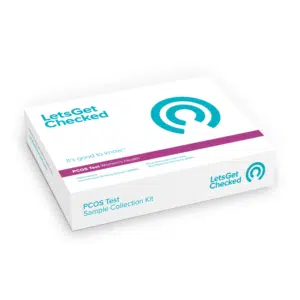
For decades, the standard pathway to a PCOS diagnosis required multiple in-person appointments, including pelvic ultrasounds and venous blood draws at specific intervals of the menstrual cycle. However, the rise of telehealth and decentralized diagnostics has introduced a new tier of patient-led screening. The development of at-home PCOS testing kits, such as those offered by the health-tech firm Let’s Get Checked, represents a significant pivot in how reproductive health is managed. These kits utilize capillary blood samples—obtained via a simple finger prick—to measure key biomarkers including Luteinizing Hormone (LH), Follicle-Stimulating Hormone (FSH), Testosterone, Sex Hormone-Binding Globulin (SHBG), and Free Androgen Index (FAI).
This technological shift addresses a critical barrier in women’s healthcare: the "waiting room fatigue" that often leads patients to abandon their search for answers. By providing a "probable diagnosis" based on laboratory-grade analysis of home-collected samples, these kits serve as a bridge between initial suspicion and clinical confirmation. While they do not replace the need for an ultrasound or a physician’s final assessment, they provide patients with a data-driven foundation to bring to their primary care providers or endocrinologists.

The Chronology of PCOS Understanding and Research
The medical understanding of PCOS has evolved significantly since it was first described by Irving Stein and Michael Leventhal in 1935 as "Stein-Leventhal Syndrome." At that time, the condition was defined strictly by the presence of enlarged, polycystic ovaries and amenorrhea. It was not until the 1990 NIH Consensus Conference that the focus shifted toward the role of hyperandrogenism.
In the early 2000s, research began to highlight the profound link between PCOS and metabolic health, specifically insulin resistance. This realization changed the treatment landscape, moving it beyond mere fertility or cycle regulation to include metabolic interventions. Today, the focus has expanded further into the psychological and long-term systemic impacts of the disorder, acknowledging that PCOS is a lifelong condition that requires management well beyond the reproductive years.
Supporting Data and the Economic Burden of Delayed Diagnosis
The implications of delayed PCOS diagnosis extend beyond individual frustration; they represent a substantial public health challenge. Data suggests that PCOS affects between 8% and 13% of women of reproductive age worldwide. In the United States alone, the economic burden of PCOS is estimated to be billions of dollars annually. This cost is driven not only by diagnostic procedures and fertility treatments but also by the long-term sequelae of the untreated condition.

Women with undiagnosed or unmanaged PCOS face a significantly higher risk of developing Type 2 diabetes, with some studies suggesting the risk is up to four times higher than in the general population. Furthermore, the chronic anovulation associated with PCOS can lead to an overgrowth of the uterine lining (endometrial hyperplasia), which increases the risk of endometrial cancer later in life. Cardiovascular disease, hypertension, and obstructive sleep apnea are also more prevalent among this demographic. By accelerating the diagnostic timeline through more accessible testing, the healthcare system may be able to mitigate these long-term risks through earlier lifestyle and pharmacological interventions.
The Protocol for At-Home Hormonal Screening
The efficacy of at-home hormonal testing relies heavily on precise timing and laboratory standards. Because reproductive hormones fluctuate throughout the menstrual cycle, the Let’s Get Checked protocol requires samples to be collected on specific days—typically between day three and day five of the cycle. This window allows for an accurate baseline measurement of FSH and LH, the ratio of which is often skewed in individuals with PCOS.
For those with highly irregular cycles—a hallmark of the disorder—the protocol shifts to consecutive-day testing to capture a representative hormonal snapshot. However, clinical experts emphasize that these tests are not suitable for individuals currently using hormonal contraceptives, such as the birth control pill. Synthetic hormones in these medications suppress the body’s natural endocrine production, rendering the results of a PCOS screening kit medically invalid. This highlights a common clinical catch-22: many women are prescribed birth control to "fix" irregular periods before a formal PCOS diagnosis is ever explored, effectively masking the underlying hormonal profile.
Official Responses and the Role of Clinical Oversight
While the medical community has generally welcomed the democratization of diagnostic data, professional bodies such as the American College of Obstetricians and Gynecologists (ACOG) and the Endocrine Society stress the importance of clinical integration. At-home tests are viewed as screening tools rather than standalone diagnostic conclusions. The Let’s Get Checked model addresses this by involving a clinical review team that interprets laboratory results and provides a nursing consultation for those with abnormal findings.
This hybrid approach—combining at-home convenience with professional oversight—is increasingly seen as the future of chronic disease management. It empowers the patient to take the first step while ensuring they are funneled back into the formal healthcare system for comprehensive care, which may include a pelvic ultrasound to assess ovarian morphology or a glucose tolerance test to evaluate insulin sensitivity.
Broader Impact and the Psychological Dimension
The move toward faster, more accessible PCOS diagnosis also addresses a profound psychological need. Research has consistently shown that women with PCOS experience higher rates of anxiety, depression, and body dysmorphic disorder compared to their peers. Much of this distress is rooted in the "invisible" nature of the symptoms and the feeling of being dismissed by the medical establishment during the multi-year diagnostic wait.

Receiving a diagnosis—even a "probable" one from a home kit—can provide significant psychological relief. It validates the patient’s experience and provides a framework for understanding their symptoms. Furthermore, it allows for the implementation of targeted lifestyle changes, such as low-glycemic index diets and specific exercise regimens, which have been shown to improve both the physical symptoms and the mental health outcomes of those living with the syndrome.
Implications for the Future of Reproductive Health
As the healthcare industry continues to move toward personalized medicine, the role of at-home diagnostics is expected to expand. For PCOS, this could mean the development of even more sophisticated panels that include markers for insulin resistance, such as fasting insulin or HbA1c, alongside reproductive hormones.
The integration of these tools into standard care pathways could significantly reduce the two-year average diagnostic delay, leading to better long-term health outcomes and reduced healthcare costs. For the millions of women currently navigating the complexities of hormonal imbalances, the availability of laboratory-grade testing in a domestic setting represents more than just convenience; it represents a fundamental shift toward autonomy and proactive health management in a landscape that has historically been difficult to navigate. In conclusion, while the clinical journey for PCOS remains complex, the convergence of at-home technology and professional medical guidance offers a promising path forward for early intervention and improved quality of life.