
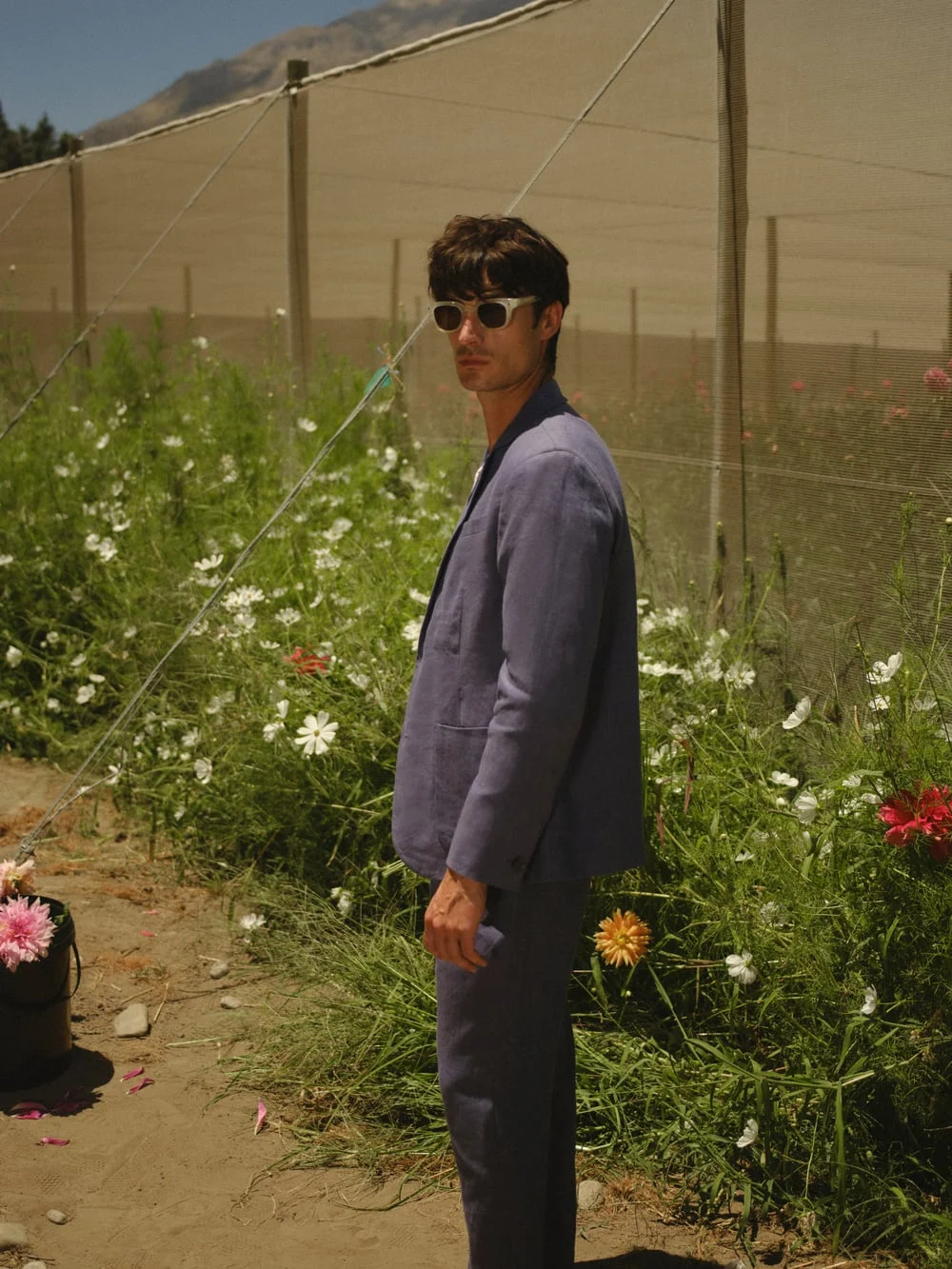
For decades, the men’s suit has been synonymous with strict sartorial rules: structured jackets, perfectly matched trousers, and a reserved place for formal occasions. This rigid interpretation, however, is rapidly becoming a relic of the past. As we navigate 2026, the modern man is no longer concerned with adhering to outdated dictates of how a suit should be worn. Instead, the prevailing question is how to integrate tailoring into a personal style narrative, embracing versatility and individual expression. This paradigm shift is not merely a fleeting trend but a fundamental redefinition of tailoring’s role in contemporary wardrobes, driven by a desire for comfort, adaptability, and a less prescriptive approach to dressing well.
The Deconstruction of Formal Summer Suiting
The traditional suit, with its heavier fabrics and structured forms, has long presented a sartorial challenge during warmer months. The inherent restrictiveness and often somber aesthetic felt at odds with the relaxed spirit of summer. This disconnect has paved the way for a new generation of suiting, characterized by a deliberate move towards informality and ease. Lightweight, breathable fabrics like linen and cotton blends have become paramount, offering a tangible solution to the discomfort of traditional woolens in heat. Silhouettes are softening, moving away from sharp, restrictive cuts towards more relaxed and forgiving shapes that allow for greater movement and comfort.

This evolution signifies a departure from the suit as a singular, formal uniform. It is transforming into a modular system, where individual pieces can be deconstructed, reassembled, and styled in myriad ways to suit diverse occasions. The blazer can be paired with chinos or even elevated denim, while trousers can stand alone with a casual shirt or knitwear. This adaptability allows for a seamless transition from a semi-formal event to a relaxed dinner or even a creative office environment, underscoring the suit’s newfound utility beyond its historically confined purpose.
The Underlying Drivers of This Tailoring Revolution
This significant recalibration in menswear is not an isolated phenomenon but a culmination of gradual shifts over several years. The broader menswear landscape has been steadily embracing an ethos of ease and comfort. This is evident in the widespread adoption of softer fits, the increasing appreciation for premium, performance-oriented fabrics, and a heightened emphasis on versatility across all garment categories. The traditional boundaries between formalwear and casualwear have blurred, encouraging a more fluid and integrated approach to building a wardrobe.
Simultaneously, the demand for "dressing well" has not diminished. Occasions that necessitate a more polished appearance – weddings, summer parties, business dinners, travel, and professional settings – remain integral to modern life. However, the way men wish to present themselves in these scenarios has evolved. The desire is for an appearance that is less rigid and more authentic, still sharp and sophisticated, but without the feeling of being overly constrained or artificially formal. This aspiration for personal expression within a polished framework is a key catalyst for the contemporary suiting movement.

Wax London: A Vanguard of the New Suiting Era
The Spring/Summer 2026 tailoring collections are particularly illustrative of this evolving menswear philosophy, with brands like Wax London emerging as key proponents of this relaxed yet refined aesthetic. Wax London’s SS26 Tailoring Edit, for instance, is meticulously designed to meet the demands of the modern dresser. The brand’s approach eschews the notion of tailoring as a fixed, immutable entity, instead presenting it as a flexible and adaptable element of a man’s wardrobe.
The collection’s pieces are intentionally designed for modularity. They can be worn as complete ensembles or as individual components, offering a spectrum of styling possibilities, from traditional to distinctly casual. This subtle yet significant shift in design philosophy empowers the wearer, moving away from prescriptive styling advice towards providing a curated selection of options. The focus is not on dictating how a suit should be worn, but on equipping men with the versatility to interpret and adapt tailoring to their personal style and the demands of their day.
The Linen Suit: A Summer Essential Reimagined
Central to this contemporary suiting narrative is the resurgence and reinvention of the linen suit. Wax London’s offerings, such as the Fintry Blazer paired with the Alp Trouser, exemplify the ideal summer suit. Crafted from 100% linen, these pieces possess an inherent lightness and breathability that is perfectly suited for warmer climates. Linen’s natural texture adds a touch of understated sophistication, while its ability to drape and move with the body ensures comfort throughout the day.

The Fintry Blazer embodies the relaxed silhouette. Its unstructured design, single-breasted cut, and classic notch lapels create a casual elegance that avoids stiffness. The addition of patch pockets further contributes to its laid-back appeal, while the half-lined construction ensures it remains comfortable and easy to wear, even during extended periods. Complementing the blazer, the Alp Trouser offers a slim yet tapered fit, maintaining a sharp line through the leg without feeling constricting. This considered pairing creates a suiting option that feels both refined and effortlessly comfortable, a stark contrast to the more formal and potentially uncomfortable alternatives of the past.
A Refined Approach to Relaxed Tailoring
For those seeking a touch more sartorial presence without sacrificing comfort, Wax London’s Vigo Blazer and Aubyn Trouser offer a compelling alternative. The double-breasted silhouette of the Vigo Blazer inherently conveys a sense of structure and confidence. However, the brand masterfully balances this with a lightweight, unstructured construction, preventing the garment from feeling overly formal or heavy. The inclusion of peak lapels and a slightly more pronounced shape provides a sharper edge, nodding to classic tailoring traditions while remaining firmly rooted in contemporary sensibilities.
The Aubyn Trouser, with its looser fit and gentle taper, acts as a perfect counterpoint to the blazer’s stronger silhouette. This deliberate juxtaposition creates a harmonious balance, resulting in a look that feels distinctly modern rather than rigidly traditional. It’s a testament to how classic design elements can be reinterpreted to suit a more relaxed and individualistic approach to style, demonstrating that tailoring can be both impactful and approachable.

Beyond the Traditional Suit: Expanding the Definition
The collection also highlights an exciting expansion of what constitutes "suiting" by including pieces that blur the lines between traditional tailoring and more casual separates. Matching sets, versatile overshirts, and relaxed co-ords offer compelling alternatives for individuals seeking a smart aesthetic that falls short of a full suit but surpasses standard casualwear.
These pieces are designed for maximum adaptability. They can be worn together to create a cohesive, polished look, or styled individually to integrate seamlessly into a broader wardrobe. This modularity further reinforces the idea that tailoring is not a monolithic category but an expanding spectrum of options that cater to a wider range of needs and preferences. It signifies a move towards a more inclusive and versatile definition of smart dressing.
The Evolving Styling of Modern Suits
Perhaps the most significant transformation in the realm of men’s suiting lies not in the garments themselves, but in how they are styled. The traditional pairings are being challenged and reimagined, leading to a wealth of creative and personal interpretations. For example, pairing a linen suit with a vest instead of a traditional shirt immediately softens the overall look, lending it a vintage yet contemporary feel.

Layering an open-collar polo shirt beneath a blazer injects a relaxed, 1970s-inspired vibe, while opting for a simple T-shirt beneath a well-cut blazer effectively strips away the formality while retaining the structure and polish of the tailored pieces. Even subtle styling choices, such as adhering to a monochromatic color palette or introducing a single, strategic pop of color, can dramatically alter the perceived formality and overall aesthetic of an outfit. The key takeaway is that the era of a single, definitive way to wear a suit is over; the modern approach celebrates individual flair and experimentation.
The New Role of Tailoring: Foundation, Not Fortress
Contrary to fears of its obsolescence, tailoring is not disappearing; it is becoming more integral and more useful than ever before. Instead of being confined to specific, formal events, the suit is evolving into a foundational element of a man’s wardrobe. When worn as a complete ensemble, it continues to offer a powerful statement of polish and sophistication. However, when its components are separated and integrated into other outfits, tailoring proves its adaptability and expands its utility.
This inherent flexibility is precisely what has revitalized tailoring and cemented its relevance in contemporary fashion. It is no longer a sartorial fortress, guarding against informality, but a versatile building block, capable of adapting to a multitude of stylistic needs and occasions.

Conclusion: The Freedom of Modern Tailoring
The most compelling evolution in menswear today is not driven by fleeting trends, but by a fundamental desire for freedom. This freedom manifests in the liberty to approach tailoring with a personal touch, to blend structure with ease, and to navigate diverse social and professional landscapes without the need for a complete wardrobe overhaul.
Wax London’s SS26 collection masterfully captures this progressive spirit. It embodies a new understanding of suiting, one that prioritizes personal expression and adaptability over rigid adherence to tradition. The modern suit is no longer about a prescribed set of rules; it is a canvas for individual style, offering a wealth of options for the contemporary man to define his own sartorial narrative.