
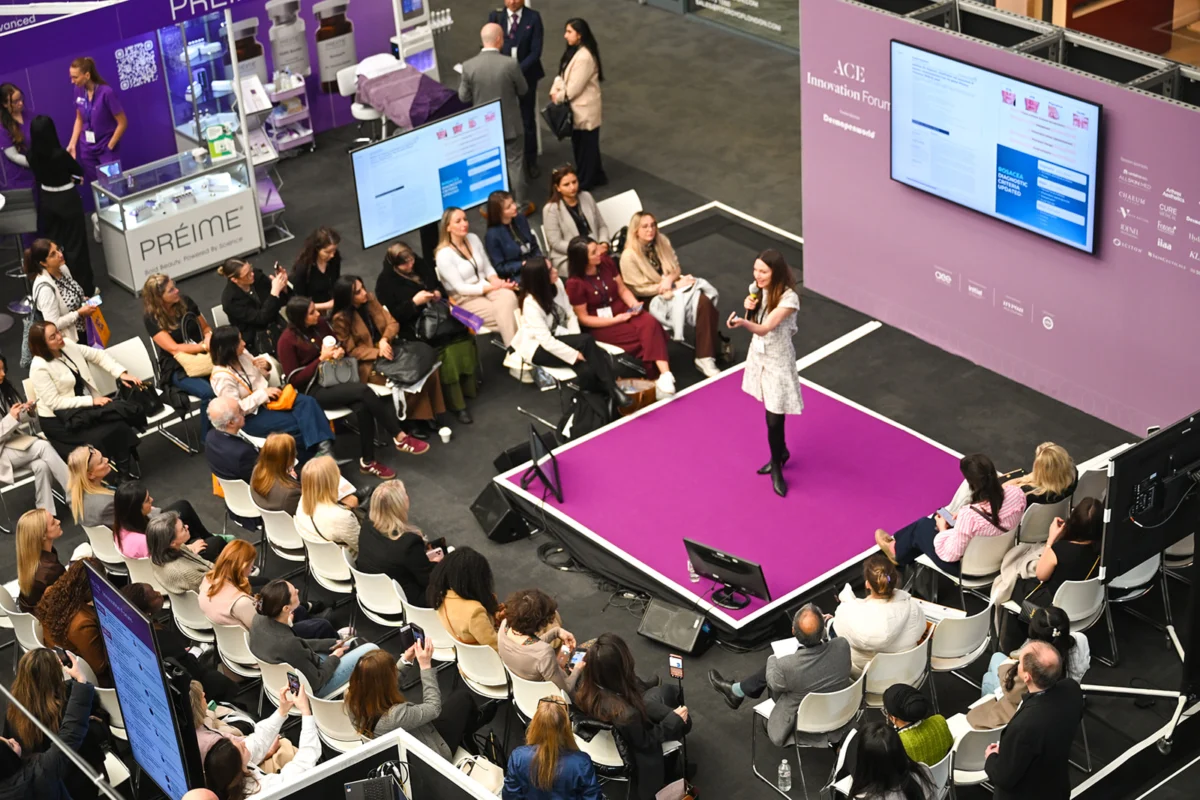
The global medical aesthetics industry has undergone a radical transformation over the last decade, transitioning from a niche sector of elective cosmetic surgery into a multi-billion-dollar mainstream market dominated by non-surgical interventions. As the demand for minimally invasive procedures such as botulinum toxin injections, dermal fillers, and energy-based device treatments continues to surge, the necessity for centralized, high-quality professional information has never been more acute. Platforms such as Aesthetics Journal, supported by the global event and media group Easyfairs, have emerged as critical infrastructure for practitioners navigating this rapidly evolving landscape. By providing a comprehensive ecosystem of news, webinars, podcasts, and peer-reviewed reports, these specialized media outlets serve as the primary conduit for clinical education, regulatory updates, and market intelligence.
The Growth Trajectory of the Medical Aesthetics Market
To understand the significance of specialized media within this field, one must first examine the scale of the industry it serves. According to market analysis data from 2023, the global medical aesthetics market was valued at approximately $15.4 billion and is projected to expand at a compound annual growth rate (CAGR) of 11% through 2030. This growth is fueled by several factors: an aging population seeking rejuvenation, the "Zoom Effect" resulting from increased video conferencing, and the de-stigmatization of cosmetic enhancements among younger demographics.
In the United Kingdom specifically, the non-surgical aesthetics market is estimated to be worth over £3 billion. However, this financial success has been accompanied by significant scrutiny regarding patient safety and practitioner qualifications. Unlike traditional medical specialties, the aesthetics sector has historically operated in a regulatory "grey area," making the role of professional journals and educational platforms vital for establishing and maintaining clinical standards.
A Chronology of Industry Information Systems
The history of communication within the aesthetics sector reflects the broader shift from traditional print media to integrated digital ecosystems. In the early 2000s, practitioners relied heavily on physical conferences and medical textbooks that were often outdated by the time of publication.
- The Print Era (Pre-2010): Information was primarily disseminated through monthly or quarterly journals. While these provided a foundation for clinical practice, they lacked the immediacy required to address emerging safety concerns or rapid technological advancements.
- The Digital Transition (2010–2018): The rise of social media platforms like Instagram and LinkedIn began to influence patient expectations and practitioner networking. Media outlets responded by launching digital editions and basic web portals.
- The Integrated Ecosystem (2019–Present): The modern era is characterized by the "always-on" information cycle. As evidenced by the current offerings of Aesthetics Journal, information is now delivered through a variety of high-touch media, including live webinars, on-demand podcasts, and real-time news alerts. This shift was accelerated by the COVID-19 pandemic, which necessitated a move away from in-person learning toward robust digital education platforms.
The Role of Easyfairs and Institutional Support
The acquisition and management of media brands by larger entities like Easyfairs signify the professionalization and commercial maturity of the aesthetics sector. Easyfairs, a global leader in event organization and community building, provides the logistical and financial framework necessary to maintain high-production standards across multiple media formats.
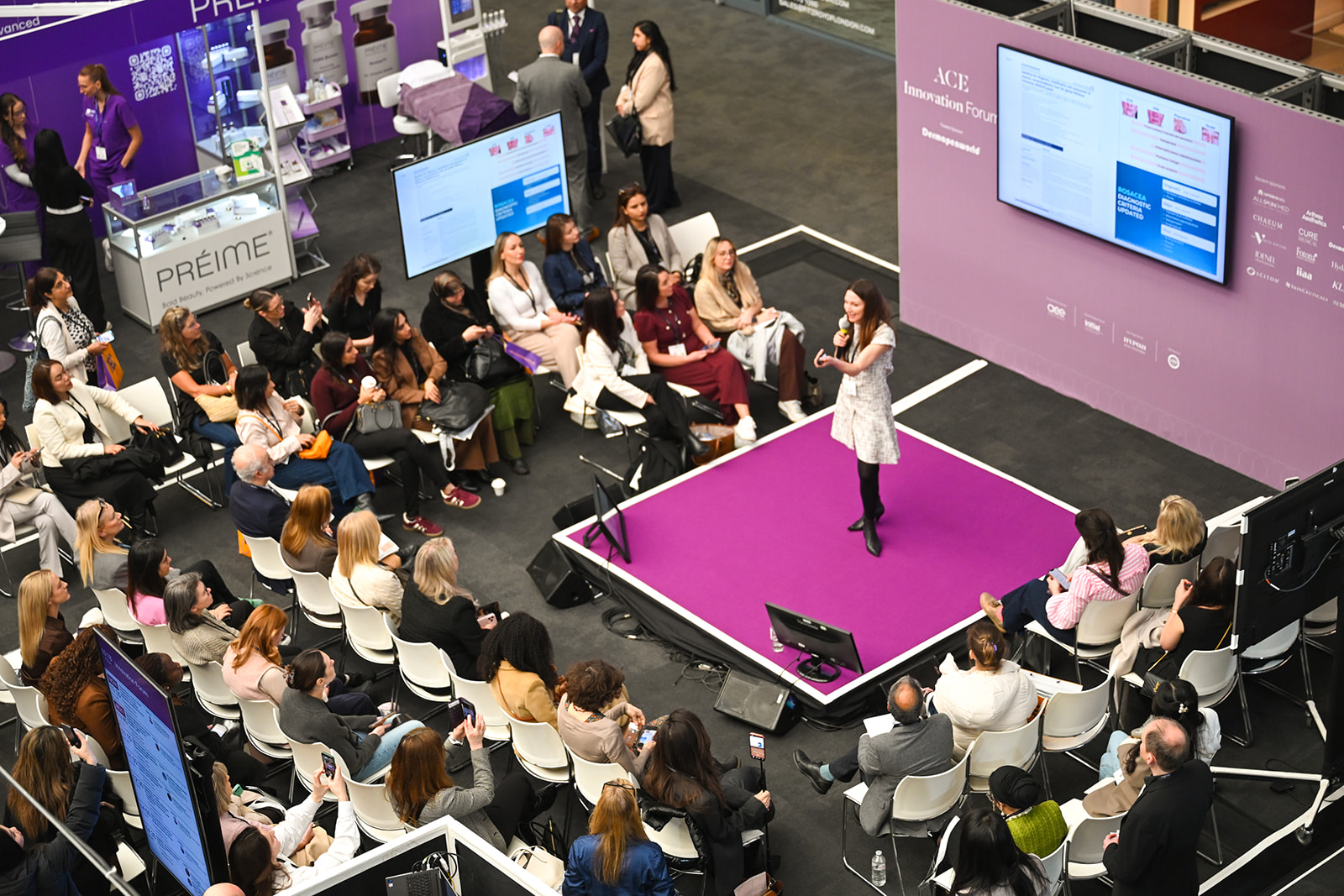
This corporate backing allows for the creation of cross-platform synergies. For instance, the information shared in a monthly print journal often informs the curriculum of major industry events like the Aesthetics Conference & Exhibition (ACE) or the Aesthetics Awards. This integrated approach ensures that a practitioner’s learning journey is continuous, moving seamlessly from reading a report on a new filler rheology to watching a live demonstration at a conference and later listening to a podcast interview with the lead researcher.
Diversification of Educational Media: Webinars and Podcasts
The inclusion of webinars and podcasts in the professional media mix addresses the time constraints faced by medical practitioners. Modern aesthetic clinicians—often balancing roles in the NHS with private practice—require flexible learning options.
- Webinars: These provide a visual and interactive platform for clinical training. They allow experts to demonstrate injection techniques, explain complex anatomy, and discuss complication management in a format that permits real-time Q&A. This is particularly crucial for "Level 7" equivalent training and ongoing Continuing Professional Development (CPD).
- Podcasts: The rise of audio media in the aesthetics sector reflects a trend toward "passive learning." Podcasts allow practitioners to stay informed about business management, legal regulations, and industry trends during commutes or between patient appointments. By interviewing industry leaders and regulatory bodies, these podcasts democratize access to high-level expertise that was previously only available at expensive international summits.
Supporting Data and Clinical Governance
Professional media platforms are not merely news aggregators; they are essential tools for clinical governance. Data indicates that a significant percentage of adverse events in aesthetics are the result of inadequate training or the use of non-CE-marked products. Specialized journals mitigate these risks by publishing:
- Complication Reports: Detailed analyses of vascular occlusions, infections, and delayed-onset nodules, providing practitioners with evidence-based protocols for emergency management.
- Regulatory Updates: Updates on the UK government’s progress regarding the licensing of non-surgical cosmetic procedures. This is a critical area of focus as the Department of Health and Social Care (DHSC) moves toward stricter oversight.
- Product Intelligence: Objective reviews of new technologies, from polynucleotides and exosomes to the latest picosecond lasers, helping practitioners make informed purchasing decisions based on clinical efficacy rather than marketing claims.
Stakeholder Perspectives and Industry Reactions
The consensus among industry stakeholders—including organizations such as the British College of Aesthetic Medicine (BCAM) and the British Association of Cosmetic Nurses (BACN)—is that specialized media is a cornerstone of patient safety.
Leading practitioners often note that the "information gap" between seasoned experts and new entrants is one of the industry’s greatest risks. By providing a centralized hub for news and reports, media platforms help bridge this gap. Reactions from the medical community suggest that the transition to multi-media formats has increased engagement with safety protocols. A survey of aesthetic nurses recently indicated that over 70% utilize online journals and webinars as their primary source of information for complication management updates.
Furthermore, the commercial sector—manufacturers of toxins, fillers, and devices—views these platforms as essential for the ethical promotion of their products. Through sponsored webinars and clinical white papers, companies can ensure that their products are being used according to "best practice" guidelines, thereby reducing the incidence of off-label misuse and subsequent litigation.

Analysis of Broader Implications and Future Outlook
The continued expansion of media platforms within the aesthetics community has several long-term implications for the healthcare sector at large. First, it fosters a culture of transparency. When journals report on industry setbacks or regulatory failures, it encourages a more honest dialogue about the limits of cosmetic medicine.
Second, the "democratization of data" through digital media is likely to lead to better patient outcomes. As practitioners become more informed about the psychological aspects of aesthetics—such as identifying Body Dysmorphic Disorder (BDD)—the industry moves away from a purely transactional model toward a holistic, patient-centered medical model.
Looking forward, the integration of Artificial Intelligence (AI) into these media platforms is the next logical step. We can expect to see AI-driven news feeds tailored to a practitioner’s specific interests, or "smart" webinars that adapt their complexity based on the viewer’s experience level. Additionally, as the industry moves toward regenerative medicine (such as the use of stem cells and growth factors), the role of peer-reviewed reports will become even more vital in distinguishing scientifically sound treatments from experimental or unproven claims.
Conclusion
The role of specialized media in the aesthetics industry has evolved from a supplementary resource to a fundamental pillar of professional practice. Through the strategic use of diverse media formats—ranging from the traditional printed journal to modern podcasts and webinars—platforms supported by organizations like Easyfairs provide the necessary framework for education, safety, and community engagement. As the market continues to grow and regulatory frameworks tighten, the reliance on high-quality, objective, and timely information will only increase, ensuring that the medical aesthetics community remains grounded in clinical excellence and patient safety.