
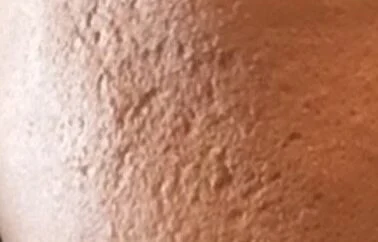
A Canadian lawyer, choosing to remain anonymous, has offered a poignant account of her daily struggle with severe acne scarring, articulating a reality often overlooked in discussions of dermatological conditions. "Every day is a struggle, and the emotional wounds feel just as raw as the physical ones," states the 40-year-old South Asian woman. Her testimony underscores a significant public health issue, highlighting the deep psychological and social toll that extends far beyond the surface of the skin. The sentiment, "It is easy to say ‘accept yourself, love yourself’ but the reality is that we carry many scars with us, and when you also carry them on your face, that weight becomes very heavy," encapsulates the profound burden experienced by millions globally.
The Genesis of a Lifelong Battle: A Personal Chronology of Acne Progression
The lawyer’s journey with acne began around the age of 20, coinciding with her entry into university. This initial phase, while perhaps disruptive, did not foreshadow the severity that was to come. The true turning point occurred in her early 30s when her acne rapidly escalated into a much more aggressive and debilitating form, ultimately leading to significant scarring and hyperpigmentation. She describes this period as a "swift and relentless" progression. Within a matter of months, her face became covered in painful, cystic lesions.
This severe manifestation was compounded by her South Asian heritage, placing her at a higher risk for post-inflammatory hyperpigmentation (PIH). PIH, characterized by dark spots that linger long after the active acne has subsided, further complicated her condition, leaving her with "even less treatment options" and exacerbating the visual impact of the scars. The sudden transformation of her once-clear complexion was not merely a physical inconvenience but, as she recounts, "deeply traumatic and emotionally devastating." The sight of her skin, "covered in large, dark and pus-filled hills," instilled a profound sense of helplessness and shattered her confidence. She became acutely sensitive, both emotionally and physically, flinching at the pain and the sight of her reflection, leading to overwhelming embarrassment and a burgeoning desire to avoid social interactions.
The Invisible Weight: Psychological and Social Ramifications

The impact of severe facial scarring extends far beyond cosmetic concerns, penetrating deep into an individual’s psyche and influencing every aspect of their social existence. The anonymous lawyer openly admits, "To date, there are days when I won’t go out in public." This self-imposed isolation is a direct consequence of how external factors like "certain angles of lighting and make-up accentuate the deep scarring, uneven texture and years of damage." The natural aging process further complicates matters, as skin loses its youthful tightness, making scars more pronounced. This constant awareness drives her to limit social media engagement and in-person socialization, a stark illustration of how appearance can dictate daily life choices.
Her experience echoes broader findings on the psychological burden of acne. Studies consistently demonstrate that individuals with acne and scarring report higher rates of anxiety, depression, social phobia, and reduced quality of life compared to the general population. A meta-analysis published in the British Journal of Dermatology highlighted that acne patients are significantly more likely to experience symptoms of depression and anxiety, with the severity of these psychological impacts often not directly correlating with the physical severity of the acne itself, but rather with the individual’s perception and the social stigma attached. The face, being the primary point of identification and social interaction, makes scarring particularly impactful.
Cultural Sensitivities and Unsolicited Cruelty
For individuals from certain cultural backgrounds, the burden of skin conditions carries an additional layer of complexity. The lawyer explicitly states that her "cultural background (South Asian) added another layer of pain as insensitive comments about skin conditions are unfortunately common and something I experienced regularly which made the experience even more isolating." She recounts receiving "often cruel and unsolicited comments… with callous disregard to my situation."
This cultural dimension is critical. In many South Asian communities, skin perfection, particularly a clear complexion, is often associated with beauty, health, and social status. Blemishes or scars can unfortunately attract unwanted attention, judgment, and even superstitious beliefs, leading to profound shame and isolation for those affected. This societal pressure, combined with the personal struggle, creates a formidable barrier to self-acceptance and emotional well-being. The pervasive nature of such comments, even from well-meaning individuals, can erode self-esteem and reinforce feelings of inadequacy, making the journey towards self-acceptance considerably more challenging.
The Broader Landscape of Acne and Scarring: Data and Dermatological Insights
Acne vulgaris is one of the most common skin conditions worldwide, affecting an estimated 85% of teenagers and young adults. While often perceived as a transient adolescent issue, persistent and severe forms, like cystic acne, can extend well into adulthood, as demonstrated by the lawyer’s experience. According to the American Academy of Dermatology, adult acne is on the rise, affecting up to 15% of adult women.
Cystic acne, the form experienced by the lawyer, is particularly challenging. It involves deep, inflamed lesions that are often painful and can lead to significant tissue destruction, resulting in various types of scars, including ice pick, boxcar, and rolling scars. These scars represent permanent changes in skin texture, often requiring advanced dermatological interventions.
The challenge of hyperpigmentation in skin of color, as mentioned by the lawyer, is a critical area of concern. Post-inflammatory hyperpigmentation (PIH) and post-inflammatory erythema (PIE) are more prevalent and often more persistent in individuals with Fitzpatrick skin types III-VI (which includes most South Asian skin tones). These conditions occur due to an overproduction of melanin in response to inflammation, making the visible aftermath of acne more pronounced and prolonged. Dermatologists frequently highlight the need for tailored treatment approaches for skin of color, as certain conventional acne treatments can exacerbate PIH, underscoring the complexity and limitations faced by patients like the anonymous lawyer.
Navigating the Treatment Landscape and the Quest for Resources
Despite the profound impact of acne scarring, effective treatment options can be complex, costly, and require significant commitment. The lawyer’s sentiment, "I wish I could offer some wisdom about accepting yourself and finding peace despite the acne and scars but I can’t — I’m not there. I still grapple with self-esteem issues," reflects the ongoing nature of this struggle, even for highly accomplished individuals. However, she does offer practical advice: "If there’s one thing I can say, it is that today there are many more resources available and do your research thoroughly."
The field of dermatology has indeed seen advancements. Treatments for active severe acne include oral isotretinoin, antibiotics, and hormonal therapies. For scarring, options range from topical retinoids and chemical peels to more invasive procedures like microneedling, laser resurfacing (fractional CO2, erbium, picosecond lasers), subcision, dermal fillers, and punch excisions. However, the effectiveness of these treatments varies, and they often come with significant financial burdens, extended recovery times, and potential side effects, particularly for skin of color which requires careful consideration to avoid further hyperpigmentation or scarring. Access to specialized dermatological care and advanced treatments can also be a barrier for many.
The Unrealistic Beauty Standard and Societal Responsibility
The lawyer’s concern for "the younger generation as scars likely could last a lifetime and that is a hard thing to accept given the unrealistic beauty expectations we are surrounded by" touches upon a critical societal issue. In an era dominated by perfectly filtered images on social media and pervasive beauty ideals propagated by advertising, any deviation from perceived perfection can have devastating consequences for self-image. This constant barrage of flawless complexions creates an environment where natural skin variations, let as well as scars, are pathologized, fueling insecurity and mental health challenges.
This highlights a collective responsibility to foster a more inclusive and realistic understanding of beauty. Media outlets, advertisers, and social platforms play a crucial role in normalizing diverse skin types and conditions, moving away from a narrow, often unattainable, aesthetic standard. Public health campaigns can also contribute by raising awareness about the psychological impact of dermatological conditions and promoting empathy and support for those affected.

A Call for Compassion and Empathy
Despite her ongoing personal struggle, the anonymous lawyer has drawn a profound positive from her experience: "I have developed deep compassion and empathy for people who have had injuries to their face and others who have suffered facial disfigurement." This newfound understanding extends beyond her own condition, leading her to express even greater "heart, compassion and love" for those facing "extremely difficult challenges" related to facial disfigurement.
Her journey is a powerful reminder that while medical science seeks to address the physical manifestations of conditions like severe acne and scarring, the human experience demands a more holistic approach. It calls for greater understanding, less judgment, and more robust support systems – both psychological and social – to help individuals navigate the profound emotional and social landscapes shaped by their skin. The conversation around dermatological conditions must evolve to acknowledge not just the physical ailment, but the entire human being affected by it, fostering a society that values empathy and acceptance over superficial perfection.