

Brittany McKertcher, a 32-year-old nurse residing in Alberta, embodies the pervasive and often underestimated burden of chronic acne, having navigated a continuous 20-year struggle with the dermatological condition. Her journey, marked by persistent physical discomfort and significant emotional distress, highlights the complex nature of acne, its profound impact on quality of life, and the evolving landscape of its management. "It’s still an ongoing journey in my 30’s," McKertcher states, reflecting on a condition that has been "frustrating and difficult." Her experience, commencing at the tender age of 13, began with a mixture of surface pustules and deeply painful cystic acne, a manifestation she attributes to significant hormonal fluctuations during her adolescence.
The Genesis of a Lifelong Challenge: Early Onset and Self-Management
McKertcher’s initial encounter with acne at 13 coincided with a period of intense physical and emotional development, a common age for acne vulgaris to manifest. Acne is a widespread skin condition affecting an estimated 85% of young people aged 12 to 24 years, with a significant proportion experiencing moderate to severe forms. For many, it resolves by their early twenties, but a substantial minority, like McKertcher, continue to grapple with it well into adulthood. Her early symptoms, characterized by both superficial lesions and deep, painful cysts, are indicative of a more severe presentation, which often warrants professional medical intervention to prevent scarring and mitigate psychological distress.
In her formative teenage years, McKertcher did not immediately seek professional medical care. Instead, like countless adolescents, she embarked on a trial-and-error approach with over-the-counter (OTC) remedies. This involved experimenting with various face washes and topical treatments, all with the hopeful, yet often unmet, expectation of achieving clear skin. The market for OTC acne products is vast, offering a myriad of cleansers, toners, and spot treatments containing active ingredients such as salicylic acid and benzoyl peroxide. While these can be effective for mild to moderate acne, they frequently prove insufficient for more severe forms, particularly cystic acne, which originates deeper within the skin and involves inflammation of the hair follicles and sebaceous glands.
Beyond the physical treatments, McKertcher’s focus also turned to concealment. She diligently sought out foundations that could provide adequate coverage without exacerbating dryness, a common side effect of many acne treatments. However, the deep, subcutaneous bumps of cystic acne proved particularly challenging to mask, their presence often still discernible despite makeup application. This constant effort to conceal her skin speaks volumes about the immediate social pressures and self-consciousness that acne can impose, especially during the highly sensitive period of adolescence.
The Profound Psychological Toll: From Teen Insecurity to Adult Distress
The impact of chronic acne on McKertcher’s young life was undeniably profound. She recalls a distinct lack of "clear days of healing," a perpetual state of skin irritation that significantly eroded her self-esteem. Her active teenage lifestyle, which included activities like swimming, hot tubs, and river floating, became constrained by her condition. The fear of compromising her makeup and exposing her acne led her to withdraw from these social engagements. During gymnastics, a sport requiring physical exertion, she felt compelled to carry makeup for immediate touch-ups to cover sweat-induced breakouts. This constant vigilance underscores the pervasive mental burden of acne, transforming routine activities into sources of anxiety.
Adding to her distress was the perception of being an outlier. "It didn’t help that at high school, I seemed to be the only one with serious acne," she recounts. While acne is prevalent, individual experiences can feel isolating, especially when surrounded by peers who appear to have blemish-free complexions. Research consistently demonstrates a strong link between acne and psychological comorbidities, including anxiety, depression, social phobia, and reduced quality of life. The perceived stigma and pressure to conform to societal beauty standards, particularly amplified in the age of social media, can exacerbate these feelings.
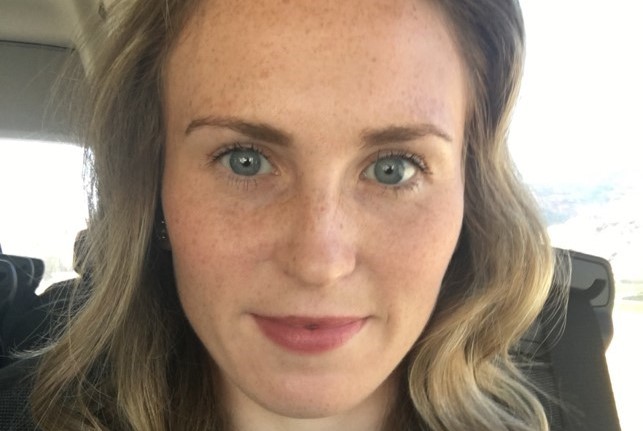
As McKertcher transitioned into adulthood, the emotional impact of her acne paradoxically intensified. "As a teen, everything seems like the end of the world and I felt self-conscious. But you’re kind of expected to have acne and you hope to grow out of it into adulthood," she explains. The societal narrative often suggests that acne is a temporary phase of adolescence. When it persists into the 20s and 30s, this narrative shifts, and the condition can feel even more alienating. "The acne has taken a bigger toll on me as an adult. All my friends do not struggle with acne at all and I still feel like it affects me – that is so hard. When I look in the mirror, that is all I see." This sentiment highlights a crucial aspect of adult acne: the frustration of not "growing out of it" and the isolation felt when peers enjoy clear skin, leading to a heightened sense of self-consciousness and often a relentless internal focus on one’s appearance.
Navigating the Medical Maze: A Chronology of Treatments and Setbacks
Recognizing the limitations of OTC products, McKertcher eventually sought medical attention. Within a year of her acne’s onset, she consulted her family doctor, initiating a long and often arduous journey through various medical treatments. Her initial prescription topicals proved largely ineffective, prompting a shift to systemic therapies. At the early age of 14, she was prescribed birth control pills, a common hormonal therapy for acne, particularly in females where hormonal fluctuations are a significant contributing factor. Oral contraceptives work by reducing androgen levels, which in turn decreases sebum production and improves acne.
Her treatment journey soon led her to a dermatologist, specialists in skin conditions who can offer a broader and more aggressive range of therapies. Under dermatological care, McKertcher was prescribed a "whole bunch of antibiotics." Oral antibiotics, such as tetracyclines (e.g., doxycycline, minocycline), are frequently used for moderate to severe inflammatory acne due to their anti-inflammatory properties and ability to reduce bacterial populations (specifically Cutibacterium acnes, formerly Propionibacterium acnes) in the skin. However, long-term antibiotic use is associated with concerns regarding antibiotic resistance and potential side effects.
Within a couple of years of seeing a dermatologist, McKertcher began treatment with isotretinoin, commonly known by its brand name Accutane. Isotretinoin is a powerful oral retinoid considered one of the most effective treatments for severe, recalcitrant acne, often leading to long-term remission. It works by dramatically reducing the size and activity of sebaceous glands, thereby decreasing sebum production, inflammation, and follicular hyperkeratinization. While highly effective, isotretinoin is known for its significant side effects. McKertcher experienced extreme dryness, including nosebleeds, dry eyes, and required a humidifier and thick body cream for her face. These side effects, though challenging, are typically dose-dependent and manageable under strict medical supervision. Despite the discomfort, her acne "improved to a degree."
Following this initial round of isotretinoin, her treatment regimen reverted to birth control pills, with the addition of spironolactone. Spironolactone is an anti-androgen medication primarily used as a diuretic, but in lower doses, it can effectively treat hormonal acne in women by blocking androgen receptors and reducing sebum production. McKertcher found this combination to be "the most helpful treatments that I experienced," indicating the strong hormonal component of her acne.
Her acne, however, proved resilient, continuing through her twenties and university years. A significant setback occurred post-university when she discontinued her oral contraceptives and switched to an intrauterine device (IUD). Certain types of IUDs, particularly those releasing progestin, can sometimes exacerbate acne in susceptible individuals due to their hormonal effects. This change triggered a severe breakout, necessitating her return to oral birth control pills to manage her skin.
The Adult Challenge: Pregnancy, Treatment Holds, and Future Hopes
Approximately a year prior to the current account, McKertcher embarked on another course of isotretinoin, this time a "new formulation." While the specific formulation is not detailed, advancements in isotretinoin delivery systems aim to reduce side effects while maintaining efficacy. She underwent treatment for about eight months, reporting "really good" results with "good coverage" and only occasional breakouts during specific times of the month. This period of relative clarity was, however, short-lived.

A pivotal moment was her wedding, where a different type of makeup was applied. This change, potentially combined with stress or other factors, triggered a widespread breakout, even affecting her eyelids. Compounding this, she developed body acne, a particularly challenging form of acne often associated with severe cases. Currently, her treatments are on hold due to a crucial life decision: the hope to start a family. This highlights a significant challenge in managing severe acne in women of childbearing age, as many highly effective treatments, including isotretinoin and spironolactone, are teratogenic (cause birth defects) and strictly contraindicated during pregnancy and breastfeeding. This cessation of effective treatment often means a return to managing flare-ups with less potent, pregnancy-safe alternatives, which may not provide the same level of control.
The Financial and Emotional Cost of Self-Treatment
Throughout her protracted struggle, McKertcher invested considerable "money, time and effort" into various OTC face washes, acne treatments, and skincare products, largely without the desired results. "Looking back now, I know those products are not going to help with cystic acne," she reflects. This candid admission underscores a common pitfall: the allure of readily available, mass-market solutions that often fail to address the underlying pathology of more severe acne. The cumulative financial burden of these ineffective products, coupled with the emotional drain of constant disappointment, can be substantial. The global skincare market is a multi-billion dollar industry, with acne products forming a significant segment, often preying on the desperation of individuals seeking a quick fix. Dermatologists frequently advise against self-treating severe acne, not only due to the inefficacy of many OTC options but also because delaying professional intervention can lead to permanent scarring.
Expert Recommendations and the Path Forward
McKertcher’s advice to others struggling with serious acne is pragmatic and rooted in her own experience: "Try to see your GP sooner and get a referral to a dermatologist if you need that." This emphasizes the importance of early medical intervention. General practitioners can initiate basic treatments and identify cases that warrant specialist consultation. Dermatologists possess the expertise to diagnose specific acne types, understand contributing factors, and formulate individualized treatment plans, which often involve a combination of therapies. As McKertcher points out, "It’s not a one-size-fits-all in terms of acne treatments. Once I worked with my dermatologist, we found a combination that worked." This individualized approach is critical, as acne etiology is multifactorial and responses to treatment vary widely.
Her advice extends to prevention of long-term complications: "Get on something before you have scarring." Acne scarring, both atrophic (depressed) and hypertrophic (raised), can be a permanent and distressing reminder of past breakouts, further impacting self-esteem. Early and effective treatment significantly reduces the risk of scarring. She also cautions against manual manipulation: "It’s really hard to not pick your face though – don’t do it, which I should take my own advice." Picking or squeezing acne lesions can worsen inflammation, introduce bacteria, and increase the likelihood of scarring and post-inflammatory hyperpigmentation.
Looking ahead, Brittany McKertcher remains hopeful, despite the current challenges. "My ultimate goal is to have clear skin. It’s tough where I am. Hopefully I won’t have to take medications forever. I hope there’s more research into treatments for acne." Her aspiration for sustained clear skin without perpetual medication speaks to the desire for a permanent solution and a life unburdened by the daily concerns of acne management. The medical community continues to research new therapies, including novel topical agents, improved systemic medications with fewer side effects, and targeted therapies based on a deeper understanding of acne pathogenesis. The development of personalized medicine approaches, tailored to an individual’s specific genetic and hormonal profile, holds promise for the future of acne treatment.
Brittany McKertcher’s extensive journey with chronic acne is a powerful narrative, illuminating not only the physical manifestations of the condition but also its profound and often overlooked psychological, social, and financial repercussions. Her story serves as a vital reminder of the critical need for early and comprehensive medical care, the importance of patient advocacy, and the ongoing quest for effective, sustainable treatments that can truly transform the lives of those living with this pervasive skin disorder.