

Polycystic Ovary Syndrome (PCOS) remains one of the most prevalent endocrine disorders among women of reproductive age, affecting approximately 8% to 13% of the global female population. Characterized by a complex interplay of hormonal imbalances, ovulatory dysfunction, and metabolic disturbances, the condition often necessitates a multi-faceted management approach. Recent clinical inquiries and nutritional research have increasingly pointed toward the Mediterranean diet as a premier non-pharmacological intervention for mitigating the systemic symptoms of PCOS. While historical research on the specific intersection of PCOS and Mediterranean nutrition has been relatively sparse, a growing body of evidence suggests that this dietary pattern—rich in monounsaturated fats, fiber, and antioxidants—can significantly address chronic inflammation, insulin resistance, and reproductive challenges inherent to the syndrome.
Understanding the Pathophysiology of PCOS and Dietary Intervention
PCOS is fundamentally linked to metabolic syndrome, with an estimated 33% of diagnosed women meeting the criteria for metabolic distress, including hypertension and dyslipidemia. At the core of the disorder is hyperandrogenism, often driven by hyperinsulinemia. When the body becomes resistant to insulin, the pancreas compensates by producing more of the hormone, which in turn stimulates the ovaries to produce excess testosterone. This hormonal cascade leads to the hallmark symptoms of PCOS: acne, hirsutism (excessive hair growth), and follicular cysts.
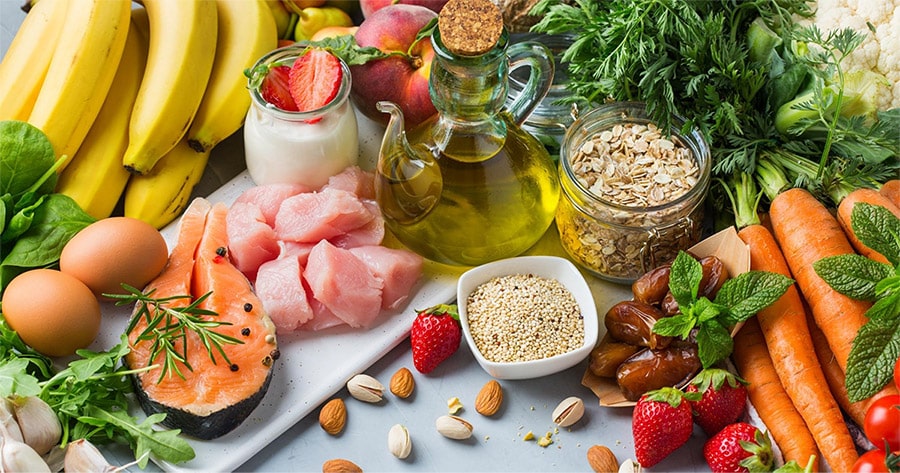
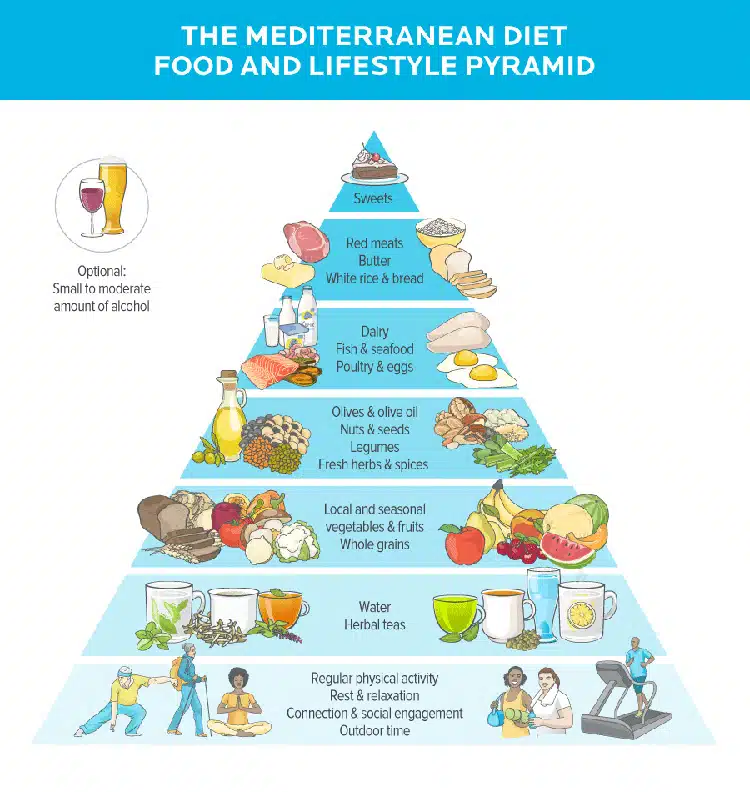
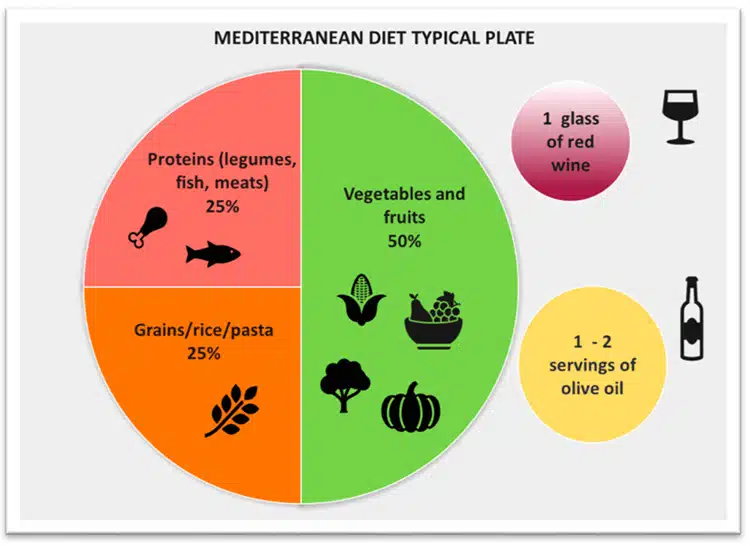
The Mediterranean diet, traditionally practiced in regions bordering the Mediterranean Sea, emphasizes the consumption of plant-based foods, including fruits, vegetables, legumes, whole grains, and nuts. It prioritizes healthy fats, specifically extra virgin olive oil, and incorporates moderate amounts of fish and poultry while strictly limiting red meat and highly processed sugars. For women with PCOS, this nutritional profile serves as a functional tool to recalibrate the endocrine system.
The Chronology of Nutritional Research in PCOS Management
The shift toward the Mediterranean diet as a clinical recommendation for PCOS did not occur in a vacuum. Throughout the late 20th century, dietary interventions for PCOS primarily focused on simple weight loss via caloric restriction. However, by the early 2000s, researchers began to recognize that the quality of macronutrients was more influential than caloric quantity alone.
In 2002, pivotal research published in Fertility and Sterility established that 50% to 70% of all women with PCOS, regardless of Body Mass Index (BMI), exhibited some degree of insulin resistance. This discovery pivoted the medical community toward low-glycemic index (GI) diets. By the mid-2010s, the Mediterranean diet emerged as the gold standard in this category. A 2014 study in Endocrine, Metabolic & Immune Disorders – Drug Targets highlighted the diet’s potent anti-inflammatory properties, providing a bridge between nutritional science and the management of systemic low-grade inflammation seen in PCOS patients. By 2018, studies in Human Reproduction had expanded the scope to include fertility outcomes, showing a direct correlation between Mediterranean diet adherence and successful pregnancy rates.
Clinical Data: Addressing Insulin Resistance and Inflammation
Insulin resistance is a primary driver of PCOS-related weight gain and cardiovascular risk. Clinical reviews, such as those published in Nutrients in 2020, indicate that the Mediterranean diet improves fasting insulin levels and enhances insulin sensitivity. This is largely attributed to the high fiber content found in legumes and whole grains, which slows glucose absorption and prevents the rapid insulin spikes that trigger androgen production.
Furthermore, the diet’s impact on systemic inflammation is a critical factor in symptom management. Women with PCOS often exhibit elevated levels of C-reactive protein (CRP) and other inflammatory markers. The Mediterranean diet’s reliance on Omega-3 fatty acids—found in fatty fish like salmon and sardines—and polyphenols from olive oil helps to suppress these inflammatory pathways. Research indicates that a reduction in systemic inflammation not only improves metabolic health but also aids in the restoration of regular menstrual cycles by reducing the oxidative stress on ovarian tissues.
Reproductive Health and Hormonal Regulation
Infertility is one of the most distressing symptoms for women with PCOS, often caused by anovulation resulting from high testosterone levels. Data from the Human Reproduction journal reveals that women who closely adhere to a Mediterranean-style diet have a 65% to 68% higher likelihood of achieving a successful pregnancy and live birth compared to those with low adherence.
The mechanism behind this improvement is two-fold. First, the healthy fats in the diet support the production of Sex Hormone-Binding Globulin (SHBG), a protein that binds to excess testosterone in the blood, rendering it inactive and reducing its interference with the ovulation cycle. Second, the antioxidant-rich nature of the diet protects oocytes (egg cells) from oxidative damage, potentially improving egg quality. Notably, these benefits extend to male fertility as well; studies suggest that the Mediterranean diet improves semen quality, making it a recommended lifestyle change for couples attempting to conceive.
Impact on Non-Alcoholic Fatty Liver Disease (NAFLD)
A frequently overlooked complication of PCOS is Non-Alcoholic Fatty Liver Disease (NAFLD). Due to metabolic dysfunction, women with PCOS are significantly more prone to accumulating fat in the liver than the general population. A 12-month clinical study published in Nutrients (2019) demonstrated that the Mediterranean diet effectively reduces liver fat and improves liver enzyme profiles. Crucially, these improvements were observed even in participants who did not experience significant weight loss, suggesting that the nutrient composition of the diet provides direct hepatoprotective benefits.
The Role of the Gut Microbiome
Emerging research into the "gut-brain-ovary axis" suggests that the diversity of the gut microbiome plays a role in the severity of PCOS symptoms. Women with the syndrome often possess a less diverse microbial environment, which can exacerbate insulin resistance and inflammation. The Mediterranean diet, which is naturally high in prebiotics (fiber from plants) and fermented options (moderate yogurt or cheese), fosters a more diverse and resilient microbiome. A 2019 report in F1000Research confirmed that interactions between the Mediterranean diet and gut microbiota lead to improved metabolic signaling and overall wellness in PCOS patients.
Comparative Analysis: Mediterranean vs. Western Dietary Patterns
To understand the efficacy of the Mediterranean approach, it must be contrasted with the Standard Western Diet (SAD). The Western diet is characterized by high intakes of refined carbohydrates, trans fats, and red meats, all of which are linked to increased inflammation and insulin spikes.
| Feature | Mediterranean Diet | Western Diet |
|---|---|---|
| Primary Fat Source | Monounsaturated (Olive Oil) | Saturated/Trans Fats (Butter, Fried Foods) |
| Carbohydrates | Complex, High-Fiber, Low-GI | Refined, Low-Fiber, High-GI |
| Protein Sources | Fish, Legumes, Poultry | Red Meat, Processed Deli Meats |
| Antioxidant Content | High (Fruits, Vegetables, Nuts) | Low (Processed, Pre-packaged) |
| Impact on PCOS | Lowers Androgens, Improves Insulin | Raises Androgens, Increases Insulin |
The exclusion of white breads and sugary beverages in the Mediterranean model is particularly beneficial for PCOS, as these items are known to exacerbate the "insulin-androgen" loop.
Broader Implications and Long-Term Health Outcomes
The adoption of a Mediterranean lifestyle extends beyond the immediate management of PCOS symptoms. Women with PCOS are at a heightened risk for Type 2 Diabetes, cardiovascular disease, and certain types of cancer, including breast and endometrial cancer. Longitudinal studies have shown that long-term adherence to Mediterranean eating patterns significantly lowers the risk of these co-morbidities.
For instance, a systematic review in The American Journal of Medicine highlighted that the Mediterranean diet is more effective for long-term weight maintenance and cardiovascular protection than low-fat diets. For a population already predisposed to metabolic failure, these long-term protective benefits are essential for increasing life expectancy and quality of life.
Implementing the Mediterranean Lifestyle: Clinical Recommendations
Healthcare providers and nutritionists emphasize that the Mediterranean "diet" should be viewed as a sustainable lifestyle rather than a restrictive regimen. Successful implementation typically involves several key strategies:
- Emphasis on Seasonality and Locality: Consuming fresh, seasonal produce ensures a higher nutrient density and reduces the intake of preservatives found in canned or frozen goods.
- The "Slow Food" Approach: Adopting the Mediterranean habit of eating slowly and mindfully can improve satiety signals. This is particularly important for women with PCOS, who may struggle with leptin resistance (the hormone responsible for feeling full).
- Prioritizing Plant Proteins: Transitioning from red meat to legumes like lentils, chickpeas, and beans provides the necessary protein for muscle maintenance without the inflammatory saturated fats found in beef or pork.
- Healthy Fat Integration: Incorporating avocados, nuts, and extra virgin olive oil provides the essential fatty acids required for hormone synthesis.
While pharmacological treatments like Metformin or Inositol remain common for managing insulin resistance, clinical consensus is shifting toward using the Mediterranean diet as a foundational therapy. By addressing the root causes of inflammation and metabolic dysfunction, this dietary framework offers a promising, evidence-based path for women seeking to regain hormonal balance and improve their reproductive health. As research continues to evolve, the Mediterranean diet stands as a testament to the power of nutritional intervention in the management of complex endocrine disorders.