
Polycystic Ovary Syndrome (PCOS) remains one of the most prevalent endocrine disorders among women of reproductive age, affecting approximately 8% to 13% of the global female population. Characterized by a complex interplay of hormonal imbalances, insulin resistance, and metabolic dysfunction, the condition often necessitates multifaceted therapeutic interventions. In recent years, the ketogenic diet—a nutritional protocol defined by high fat intake, moderate protein, and significant carbohydrate restriction—has emerged as a prominent non-pharmacological strategy for managing the syndrome’s diverse symptoms. By shifting the body’s primary metabolic substrate from glucose to ketones, the diet addresses the underlying hyperinsulinemia that frequently drives PCOS pathology. Clinical observations and metabolic research suggest that while the ketogenic approach offers significant benefits for weight loss and hormonal regulation, its implementation requires careful consideration of long-term sustainability and individual physiological contraindications.
Understanding the Metabolic Framework of PCOS and Insulin Resistance
The primary driver of PCOS symptoms for a vast majority of patients is insulin resistance. When the body’s cells become less responsive to insulin, the pancreas compensates by producing higher levels of the hormone. This state of hyperinsulinemia serves as a catalyst for the ovaries to produce excess androgens, specifically testosterone. The resulting hormonal environment leads to the hallmark symptoms of the condition: irregular menstrual cycles, hirsutism, cystic acne, and weight gain, particularly in the abdominal region.
The ketogenic diet functions as a metabolic intervention by drastically reducing the requirement for insulin. By limiting carbohydrate intake to typically between 20 and 50 grams per day, the body exhausts its immediate glucose stores. Dr. Jason Fung, a prominent figure in therapeutic fasting and metabolic health, utilizes the analogy of a "refrigerator" and a "freezer" to explain this transition. In a standard high-carbohydrate diet, the body relies on the "refrigerator"—easily accessible glucose and glycogen stores. Because these stores are constantly replenished, the body rarely accesses the "freezer"—long-term energy stored in adipose tissue (fat cells). A ketogenic state effectively empties the refrigerator, forcing the metabolic system to "access the freezer" and burn stored fat for fuel. This process produces ketones, which serve as an alternative energy source for the brain and muscles while maintaining low, stable insulin levels.
Historical Context and the Evolution of Nutritional Interventions
The application of low-carbohydrate diets for metabolic health is not a contemporary novelty. The ketogenic diet was originally developed in the 1920s as a treatment for pediatric epilepsy. Its transition into the mainstream of weight management began in the 1970s with the Atkins Diet and later evolved into various Low Carb High Fat (LCHF) iterations. For women with PCOS, the shift toward ketogenic protocols represents a departure from the "Standard American Diet" (SAD) and even from traditional low-calorie diets, which often fail to address the specific insulin-driven mechanisms of the disorder.
Historically, medical management of PCOS focused heavily on symptomatic relief through hormonal contraceptives or insulin-sensitizing medications like metformin. However, as the link between nutrition and endocrine function became clearer, dietary therapy moved to the forefront of clinical recommendations. The timeline of this shift shows an increasing emphasis on the Glycemic Load (GL) of foods, eventually leading to the adoption of more rigorous carbohydrate-restricted models like keto for those who remain resistant to more moderate dietary changes.

Clinical Data and Hormonal Improvements
Research into the efficacy of the ketogenic diet for PCOS has yielded compelling data regarding hormonal stabilization. A landmark study involving women with PCOS who followed a ketogenic protocol for six months demonstrated a profound impact on endocrine markers. Participants experienced a significant reduction in free testosterone levels and a marked improvement in the ratio of Luteinizing Hormone (LH) to Follicle Stimulating Hormone (FSH). On average, participants in this study lost approximately 12% of their total body weight over the six-month period, which further contributed to the restoration of ovulatory function.
Beyond reproductive hormones, the diet has shown measurable benefits for cardiovascular health—a critical consideration given that women with PCOS are at a statistically higher risk for metabolic syndrome and heart disease. Clinical markers often show an increase in High-Density Lipoprotein (HDL) cholesterol, often referred to as "good" cholesterol, and a decrease in triglycerides. Furthermore, the stabilization of blood sugar levels mitigates the "insulin spikes" responsible for the intense sugar cravings that many PCOS patients report, creating a more manageable psychological relationship with food.
Dermatological and Physiological Secondary Benefits
The impact of the ketogenic diet extends to the dermatological manifestations of PCOS, particularly cystic acne. High insulin levels are known to suppress the production of Insulin-like Growth Factor-Binding Protein 1 (IGFBP-1). When these binding proteins are low, the body experiences higher levels of free Insulin-like Growth Factor 1 (IGF-1), which stimulates sebum production and inflammation in the skin. By lowering systemic insulin, the ketogenic diet facilitates an increase in IGFBP-1, thereby reducing free IGF-1 and improving skin clarity.

Additionally, the satiety factor associated with high-fat and moderate-protein intake plays a vital role in weight management. While the exact neurological mechanisms of keto-induced satiety are still being explored, research indicates that the presence of ketones may suppress ghrelin, the "hunger hormone," while the slow digestion of fats promotes a feeling of fullness for longer periods. For women struggling with the "bottomless" hunger often associated with insulin resistance, this physiological shift can be transformative.
Challenges to Implementation: The "Keto Flu" and Sustainability
Despite the documented benefits, the ketogenic diet is not without significant challenges. The most immediate obstacle for many is the "Keto Flu," a collection of withdrawal-like symptoms that occur during the first one to two weeks of the transition. As the body shifts from glucose metabolism to fat metabolism and sheds excess water weight (and electrolytes), individuals often report headaches, nausea, irritability, and lethargy. While these symptoms are temporary and can often be mitigated by increased electrolyte intake, they represent a significant barrier to entry.
Furthermore, the restrictive nature of the diet raises concerns regarding long-term sustainability. Eliminating entire food groups, including most fruits, starchy vegetables, and grains, can lead to social isolation or dietary boredom. There is also the risk of nutritional deficiencies, specifically in dietary fiber. Without a conscious effort to consume high volumes of leafy greens and non-starchy vegetables, practitioners of the ketogenic diet frequently suffer from constipation and a disrupted gut microbiome.

Medical Contraindications and Thyroid Health
A critical area of concern for the medical community involves the interaction between the ketogenic diet and thyroid function. Polycystic Ovary Syndrome often co-occurs with thyroid disorders, such as Hypothyroidism or Hashimoto’s Thyroiditis. Insulin, while problematic in excess, is required for the conversion of the thyroid hormone T4 into its active form, T3.
Drastically lowering insulin levels through a ketogenic diet can, in some individuals, lead to a downregulation of thyroid activity. Medical professionals often advise that women with existing thyroid conditions approach ketosis with caution, perhaps opting for a "moderate" carbohydrate intake (roughly 100 grams per day) rather than the strict 20-50 gram limit required for deep ketosis. This nuanced approach ensures that the metabolic benefits of lower insulin are balanced against the need for adequate thyroid signaling.
Transition Strategies and the "Keto Reset"
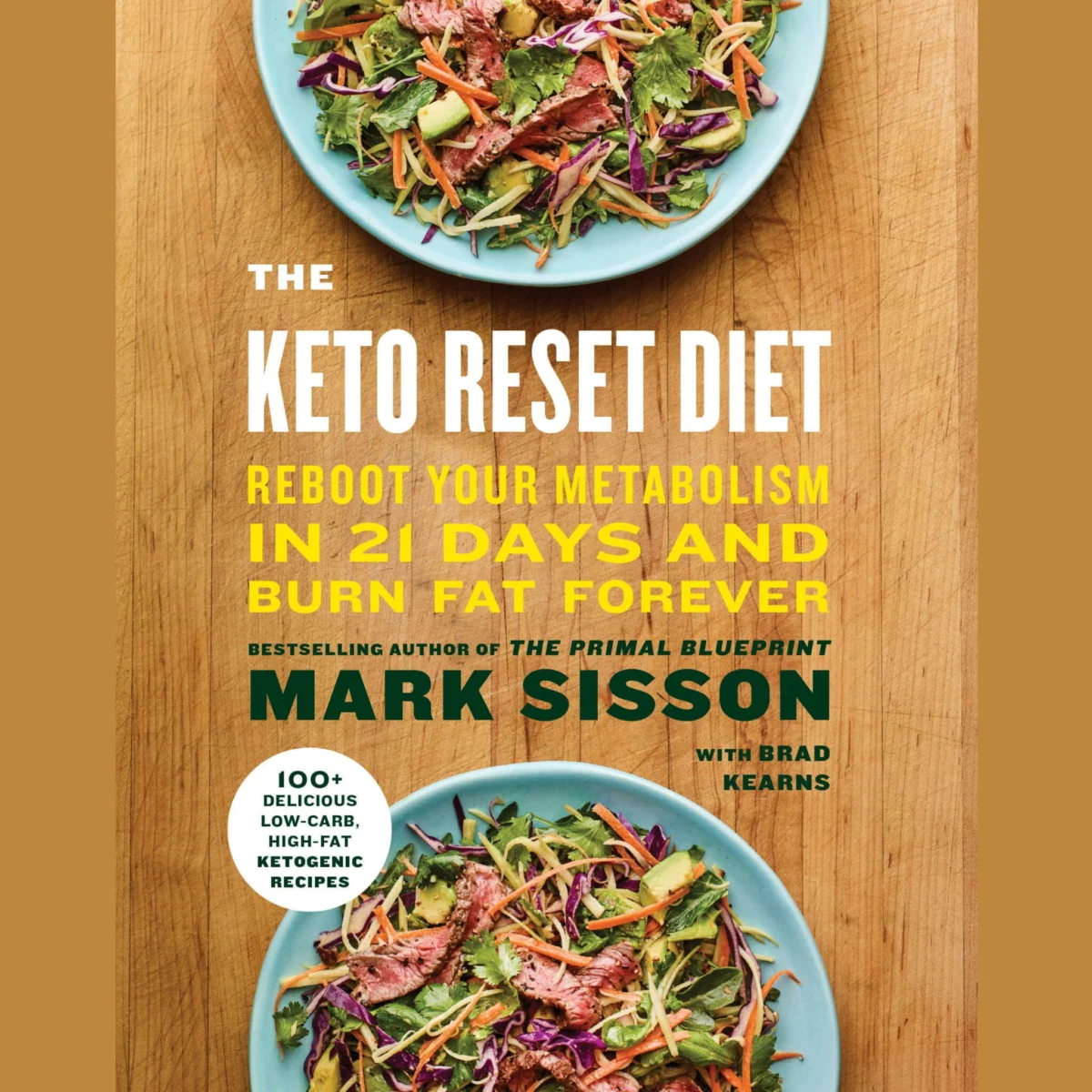
For those determined to pursue a ketogenic path, experts often recommend a graded transition rather than an abrupt dietary overhaul. The "Keto Reset" model, popularized by health authors like Mark Sisson, suggests a 21-day period of "metabolic flexibility" training. During this phase, individuals focus on eliminating processed sugars and refined grains while emphasizing nutrient-dense whole foods. Only after the body has adjusted to a lower-carbohydrate environment are the limits further tightened to induce nutritional ketosis.

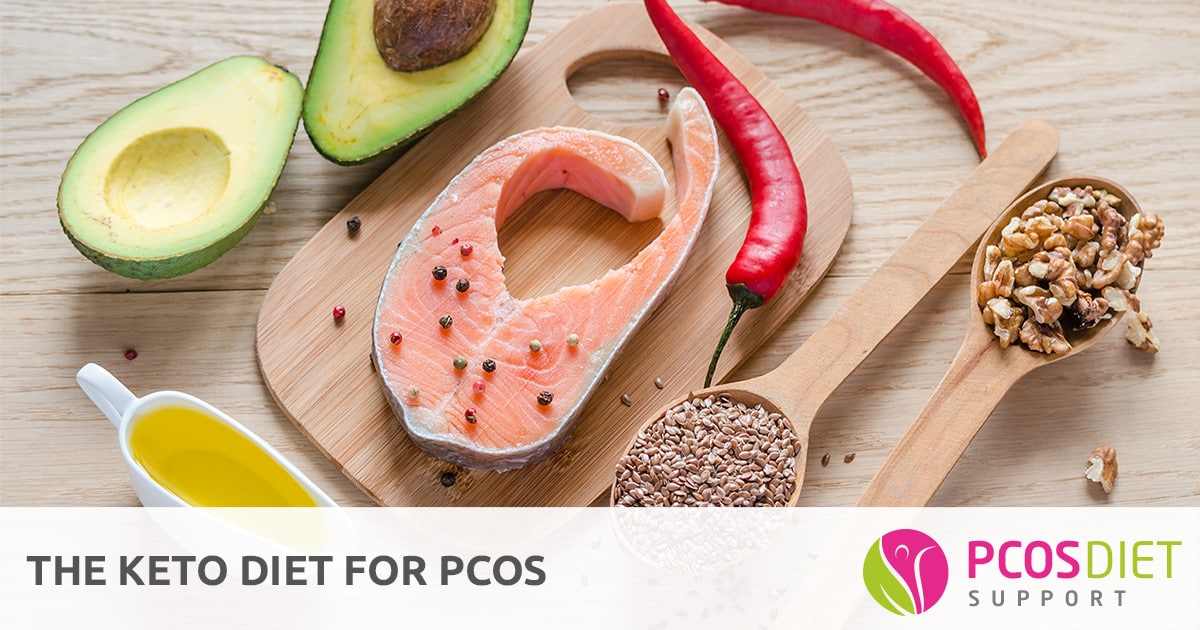
This phased approach is designed to minimize the severity of the Keto Flu and allow the individual to develop a repertoire of recipes and habits that prioritize nutrient density over mere "macro-counting." Professionals also emphasize the importance of "clean keto"—focusing on healthy monounsaturated and saturated fats from avocados, nuts, seeds, and grass-fed meats—rather than "dirty keto," which relies on processed meats and low-quality oils.
Broader Impact and Future Implications for PCOS Management
The growing body of evidence supporting ketogenic interventions for PCOS is shifting the paradigm of treatment from a purely pharmacological model to one that prioritizes metabolic health. While the diet may not be necessary for every woman with the condition, it serves as a powerful tool for those who have plateaued with conventional treatments or who suffer from severe insulin resistance.
The broader implication for women’s health is the recognition that PCOS is not merely a "fertility issue" but a systemic metabolic disorder. By managing the condition through nutritional protocols that stabilize insulin and androgens, women can reduce their long-term risk for Type 2 diabetes, cardiovascular disease, and endometrial hyperplasia. As research continues to evolve, the focus is likely to shift toward "cyclical ketosis" or modified low-carbohydrate lifestyles that offer the metabolic benefits of the ketogenic diet while providing the flexibility needed for lifelong adherence. Ultimately, the management of PCOS remains a highly individualized journey, requiring a balance of scientific evidence, clinical guidance, and sustainable lifestyle choices.