
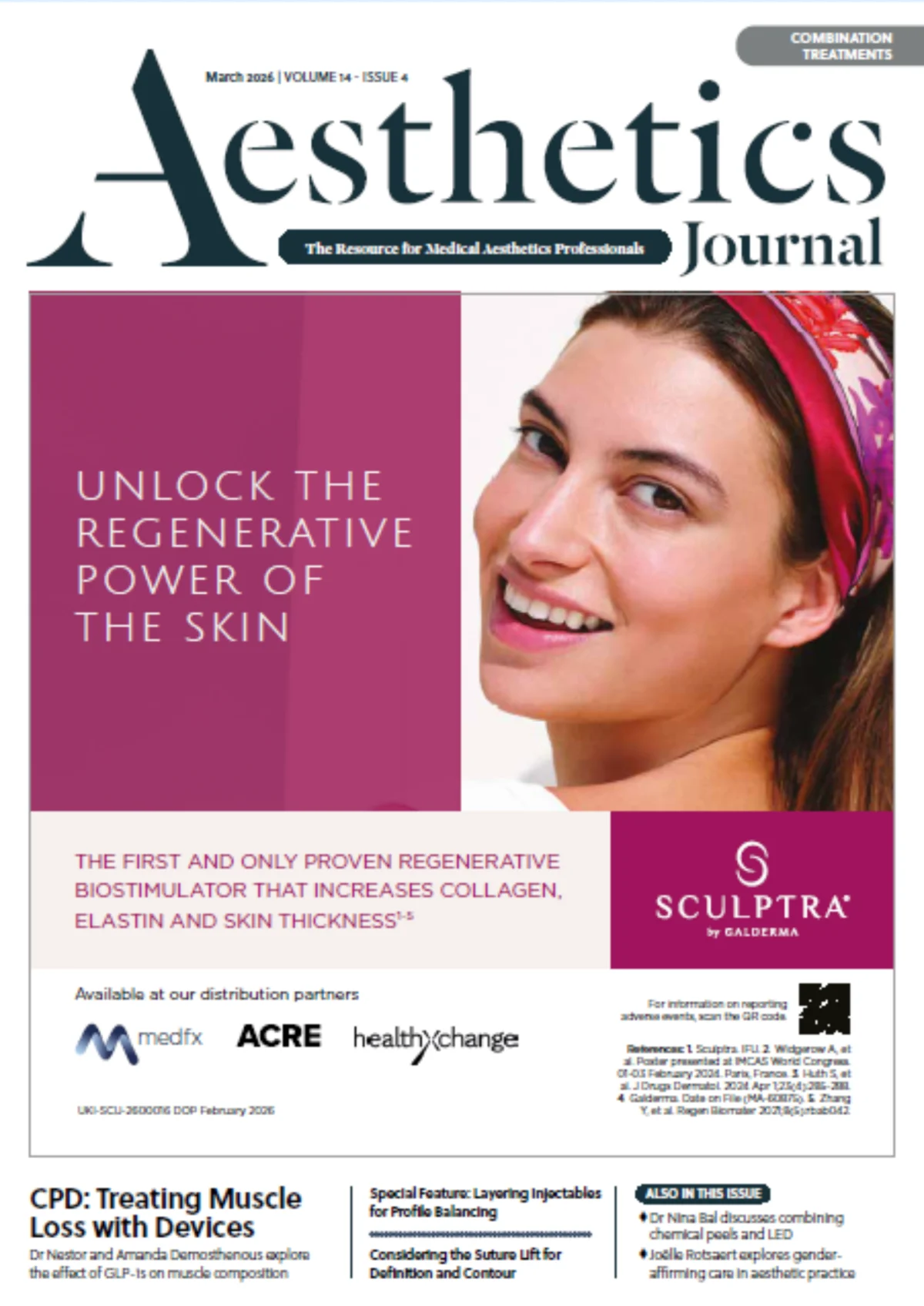
The Role of Specialized Media in Professional Clinical Practice
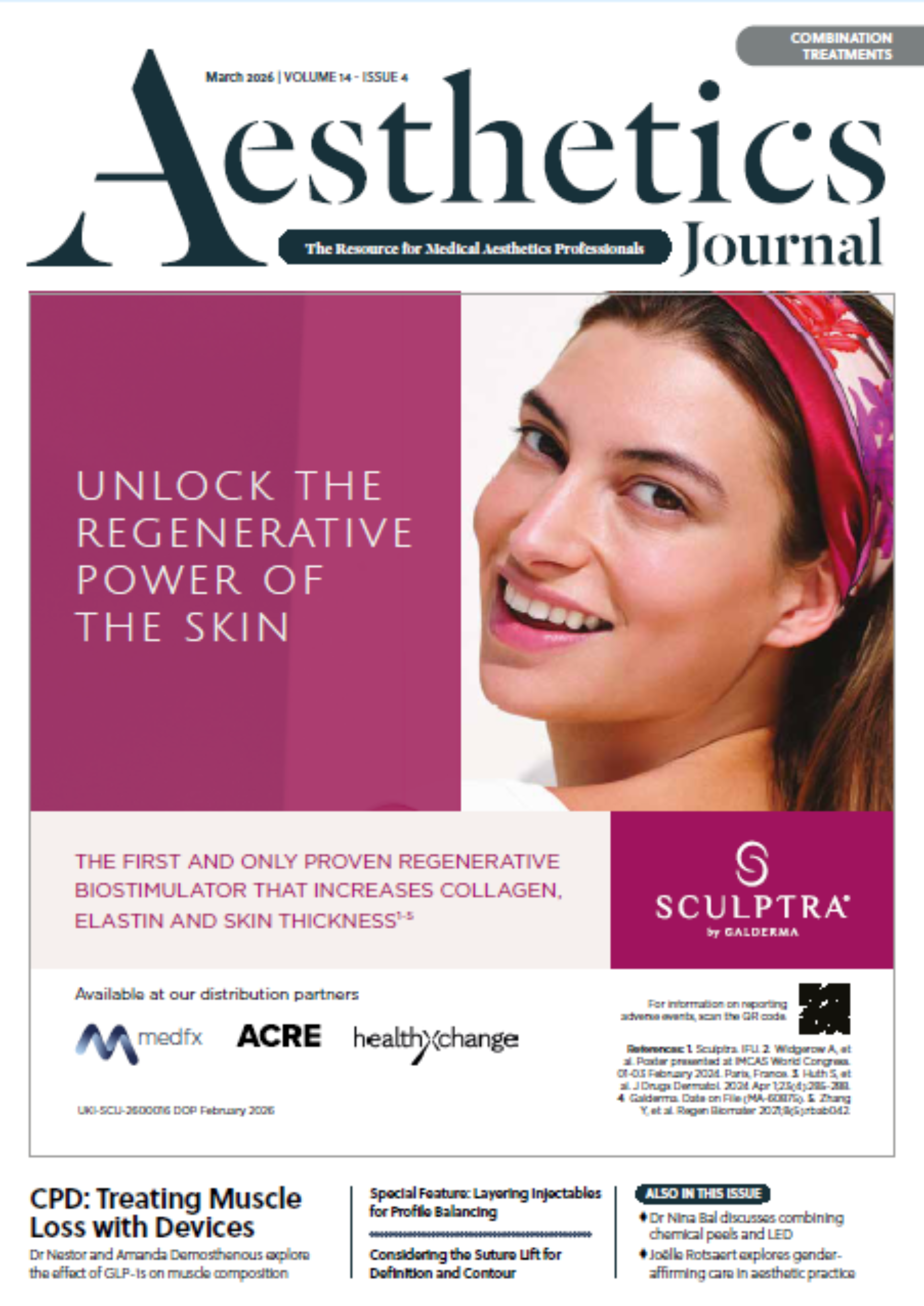
The medical aesthetics industry is no longer a niche subset of dermatology or plastic surgery; it is a multi-billion dollar global powerhouse. Within this landscape, the Aesthetics Journal serves as a critical conduit for the dissemination of clinical knowledge. By offering a diverse array of media—including webinars, podcasts, traditional print journals, and investigative reports—the platform addresses the continuous professional development (CPD) needs of practitioners. In an environment where technology and technique evolve at a rapid pace, the availability of up-to-date information is not merely a convenience but a requirement for safe practice.
The inclusion of webinars and podcasts marks a shift toward accessible, on-demand education. For medical professionals, the ability to engage with clinical experts via digital platforms allows for the rapid adoption of new safety protocols and injection techniques. These media formats provide a space for nuanced discussion on complex topics such as complication management, the anatomy of facial aging, and the psychological aspects of patient selection. By facilitating these conversations, professional media outlets play a direct role in reducing adverse outcomes and enhancing patient satisfaction.
Strategic Integration and the Impact of Easyfairs
The acquisition and management of the Aesthetics brand by Easyfairs represents a significant milestone in the commercial and educational history of the UK aesthetics market. Easyfairs, a leading international events organizer, has utilized its logistical expertise to scale the reach of the Aesthetics Journal and its associated events, such as the Aesthetics Conference & Exhibition (ACE) and the Aesthetics Awards.
This partnership has created a synergistic relationship between digital content and physical networking. While the Journal provides the theoretical and clinical foundation throughout the year, the live events allow for the practical application of this knowledge. This "omnichannel" approach ensures that practitioners remain engaged with the latest industry standards. From a business perspective, the integration allows for a more cohesive marketing environment for pharmaceutical companies and device manufacturers, who rely on these platforms to reach a concentrated audience of qualified medical professionals.
A Chronology of Industry Growth and Professionalization
The trajectory of the aesthetics media landscape can be traced through several key phases of development. In the early 2000s, information was largely disseminated through traditional medical journals and closed-door conferences. However, as the consumer market for Botox and dermal fillers began to explode, a need for more specialized, frequent communication emerged.
- The Formative Years (2000–2010): The industry saw the birth of dedicated aesthetics publications that focused on bridging the gap between surgical and non-surgical treatments.
- The Digital Pivot (2011–2018): Recognizing the shift in media consumption, outlets began integrating video content and social media engagement. This period saw the rise of the "Aesthetics Journal" as a dominant voice in the UK market.
- The Easyfairs Acquisition and Expansion (2019–Present): The integration with Easyfairs allowed for a more robust infrastructure. Despite the challenges of the global pandemic, the platform successfully transitioned to virtual summits and webinars, proving the resilience and necessity of digital educational hubs.
This timeline illustrates a clear transition from a fragmented collection of newsletters to a sophisticated, integrated media ecosystem that supports the professional identity of aesthetic practitioners.
Market Data and the Economic Significance of Aesthetics
The demand for the information provided by the Aesthetics Journal is driven by the staggering economic growth of the sector. According to recent market analysis, the global medical aesthetics market was valued at approximately USD 15.4 billion in 2023 and is projected to grow at a compound annual growth rate (CAGR) of 11% through 2030. In the United Kingdom alone, the aesthetics industry is estimated to contribute over £3.6 billion to the economy annually.
This growth is fueled by several factors:
- Demographic Shifts: An aging population seeking preventative "tweakments" to maintain a youthful appearance.
- Technological Innovation: The development of more sophisticated energy-based devices (EBDs) and regenerative medicine products, such as polynucleotides and exosomes.
- Social Normalization: The reduction of stigma surrounding cosmetic procedures, driven in part by social media and the "Zoom effect."
As the market expands, the complexity of the products increases, necessitating the high-level clinical reporting found in professional journals. The data suggests that practitioners who engage with regular CPD and professional media are better positioned to navigate the competitive landscape and meet the increasing expectations of a more informed patient base.
Regulatory Landscape and the Drive for Patient Safety
One of the most pressing issues currently addressed by industry media is the movement toward stricter regulation. In the UK, the Health and Care Act 2022 introduced powers for the Secretary of State to implement a licensing scheme for non-surgical cosmetic procedures. This move is designed to ensure that practitioners meet specific standards of training and insurance.
The Aesthetics Journal has been at the forefront of this transition, providing detailed reports on government consultations and the work of regulatory bodies such as the Joint Council for Cosmetic Practitioners (JCCP) and the British College of Aesthetic Medicine (BCAM). By serving as an objective reporter on these developments, the media helps practitioners prepare for upcoming legal requirements.

Official responses from industry leaders suggest that the professionalization of the media has been a catalyst for these regulatory changes. By highlighting the risks of "cowboy" practitioners and emphasizing the importance of medical ethics, the Journal and its peers have helped build the case for a regulated environment that prioritizes patient safety over commercial gain.
Analysis of Implications for the Future of the Aesthetics Community
The continued success of multi-platform media entities like the Aesthetics Journal under the Easyfairs umbrella has several long-term implications for the sector. First, it reinforces the "medicalization" of aesthetics. By maintaining high editorial standards and focusing on peer-reviewed content, these platforms help distinguish medical aesthetics from general beauty therapy. This distinction is vital for maintaining public trust and ensuring that high-risk procedures remain in the hands of qualified healthcare professionals.
Second, the shift toward diverse media formats—such as podcasts and webinars—democratizes access to high-level expertise. Practitioners in remote areas or those with limited time can stay abreast of the latest safety alerts and clinical breakthroughs. This leads to a more uniform standard of care across the country.
Finally, the integration of media and events fosters a sense of community. The Aesthetics Awards, for instance, do more than just celebrate individual success; they set benchmarks for excellence that others strive to reach. This competitive drive toward quality is essential for the industry’s maturation.
Conclusion and Strategic Outlook
As the aesthetics industry moves toward 2025 and beyond, the role of specialized media will only become more central. The integration of clinical education with digital accessibility and large-scale networking events has created a robust framework for professional growth. The Aesthetics Journal, supported by the global reach of Easyfairs, stands as a testament to the importance of structured, factual, and high-quality information in a rapidly changing medical field.
For practitioners, stakeholders, and patients alike, the evolution of these platforms represents a commitment to safety, innovation, and transparency. In an era where misinformation can spread rapidly through unregulated social channels, the presence of a dedicated, professional "journal of record" is indispensable. The future of medical aesthetics will be defined by those who prioritize evidence-based practice, and the media infrastructure currently in place is the engine driving that progress. With continued investment in technology and a steadfast focus on clinical excellence, the aesthetics community is well-positioned to navigate the challenges of regulation and the opportunities of technological advancement in equal measure.