
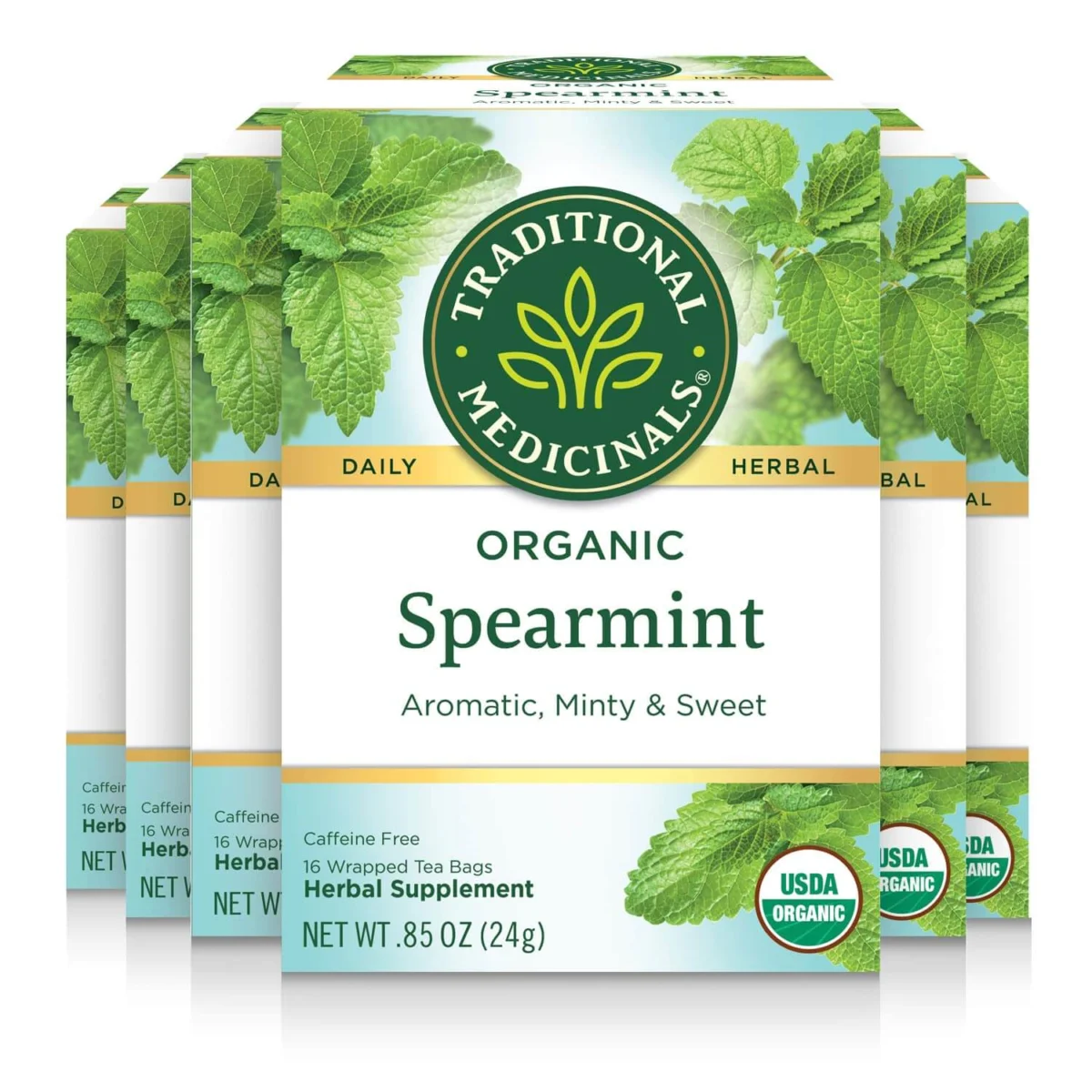
Polycystic Ovary Syndrome (PCOS) remains one of the most prevalent endocrine disorders among women of reproductive age, affecting approximately 8% to 13% of the global female population. Characterized by hormonal imbalances, insulin resistance, and ovulatory dysfunction, the condition often necessitates long-term management strategies. While pharmacological interventions such as oral contraceptives and metformin are standard, a growing body of clinical research is highlighting the efficacy of natural adjuncts. Among these, spearmint tea (Mentha spicata) has emerged as a significant therapeutic candidate due to its documented anti-androgenic properties and its ability to modulate the endocrine environment in women struggling with hyperandrogenism.
Clinical Research and the Endocrine Impact of Spearmint
The scientific community’s interest in spearmint tea as a treatment for PCOS gained substantial momentum following a landmark randomized controlled trial. In this study, 42 women diagnosed with PCOS were monitored over a 30-day period. The participants were divided into two cohorts: the experimental group consumed spearmint tea twice daily, while the control group received a placebo herbal infusion.
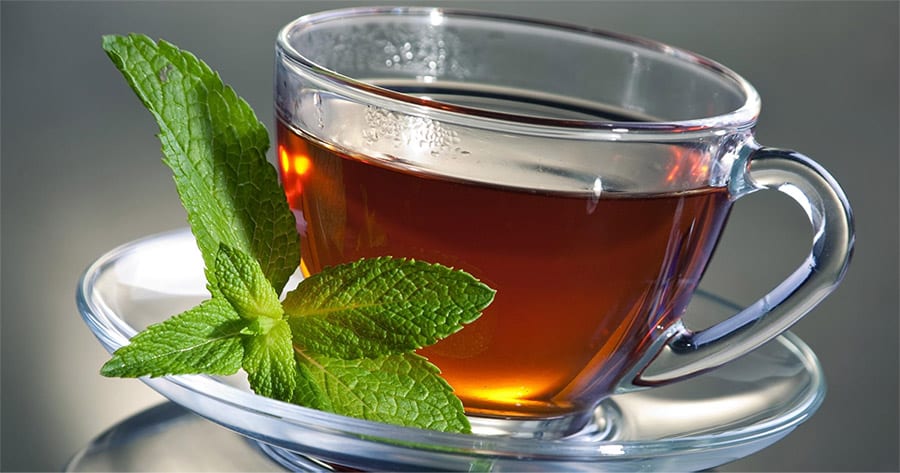
The results, published in Phytotherapy Research, revealed a statistically significant reduction in both total and free testosterone levels among the spearmint tea group. Furthermore, researchers observed an increase in luteinizing hormone (LH) and follicle-stimulating hormone (FSH). These shifts are critical, as the LH/FSH ratio is frequently disrupted in PCOS patients, often leading to the formation of ovarian cysts and the inhibition of regular ovulation. Although the 30-day window was too brief to observe a clinical disappearance of hirsutism—excessive terminal hair growth in a male pattern—the participants reported a subjective decrease in the density and growth rate of unwanted hair.
Chronology of Spearmint Research in Women’s Health
The evolution of spearmint as a medical herb has transitioned from traditional folk medicine to rigorous clinical evaluation.
- Historical Usage: Historically, spearmint was utilized primarily for digestive health, used to treat dyspepsia and flatulence across Europe and Asia.
- Early 2000s Observations: Preliminary observations in Turkey suggested that women who consumed large amounts of spearmint tea experienced a reduction in libido, leading researchers to investigate its impact on androgen levels.
- 2007 Pilot Study: A five-day study involving 21 women with hirsutism demonstrated that drinking spearmint tea twice a day significantly reduced free testosterone and increased LH, FSH, and estradiol.
- 2009 Randomized Controlled Trial: This study provided the first high-level clinical evidence specifically targeting the PCOS population, confirming the anti-androgenic effects over a longer duration.
- 2015 Dermatological Study: The American Academy of Dermatology highlighted spearmint’s role in treating hormonal acne, noting a 25% to 51% reduction in inflammatory lesions over a three-month period.
- 2018 Cognitive Research: Research expanded beyond the endocrine system, exploring spearmint extract’s ability to improve memory and focus in individuals with age-associated memory impairment, which has implications for the "brain fog" often reported by PCOS patients.
Mechanisms of Action: Anti-Androgenic and Metabolic Effects
The primary benefit of spearmint tea for PCOS lies in its ability to inhibit androgens. In women with PCOS, the ovaries or adrenal glands produce an excess of testosterone, leading to symptoms such as hirsutism, cystic acne, and androgenic alopecia (female pattern hair loss). Spearmint appears to interfere with the synthesis of these hormones, providing a natural pathway to hormonal equilibrium.
Management of Hirsutism and Acne
Hyperandrogenism manifests most visibly through the skin. Clinical data from 2015 indicates that two cups of organic spearmint tea daily can serve as an effective treatment for inflammatory acne. The study reported that after one month, inflammatory lesions were reduced by 25%, and after three months, that figure rose to 51%. This suggests that spearmint tea may be a viable alternative or supplement to spironolactone, a common but side-effect-heavy anti-androgen medication.
Impact on Menstrual Regularity
By normalizing the levels of FSH and LH, spearmint tea assists in the maturation of ovarian follicles. In PCOS, follicles often fail to reach maturity, resulting in the "string of pearls" appearance on ultrasounds and irregular or absent menstrual cycles (oligomenorrhea). The reduction of the androgenic environment through spearmint consumption may help restore the natural rhythm of the menstrual cycle, thereby improving fertility outcomes.
Metabolic Health and Insulin Sensitivity
While human-centric data on spearmint and insulin is still developing, animal models have provided compelling evidence. A 2017 study published in the Iranian Journal of Pharmaceutical Research found that aqueous extracts of Mentha spicata significantly lowered blood glucose levels in diabetic rats. Given that insulin resistance is a core driver of PCOS symptoms and a precursor to Type 2 diabetes, the potential for spearmint to improve insulin sensitivity is a critical area of ongoing research.

Neurological Benefits and Oxidative Stress
Women with PCOS frequently report cognitive symptoms, including fatigue and "brain fog," which are often linked to hormonal fluctuations and chronic inflammation. Spearmint contains high concentrations of polyphenols, including rosmarinic acid, which have been shown to improve cognitive function.
A 90-day study involving 90 participants with age-associated memory impairment found that spearmint extract significantly improved working memory and mental focus. For the PCOS patient, this suggests that the tea may serve a dual purpose: regulating the body’s hormones while simultaneously supporting neurological health and reducing the psychological stress associated with managing a chronic condition.
Furthermore, PCOS is associated with high levels of oxidative stress, a state where free radicals overwhelm the body’s antioxidant defenses. Spearmint is a powerful antioxidant. According to a systematic review in Human Reproduction Update, circulating markers of oxidative stress are significantly higher in women with PCOS regardless of Body Mass Index (BMI). The antioxidants in spearmint tea help neutralize these free radicals, potentially protecting ovarian health and reducing systemic inflammation.

Professional Guidelines for Preparation and Consumption
For clinical efficacy, the preparation of spearmint tea must be consistent. Medical experts and herbalists generally recommend the following protocol:
- Dosage: Two cups (approximately 12 ounces each) per day.
- Concentration: 1 gram (or approximately one teaspoon) of dried spearmint leaves per cup.
- Steeping Time: The tea should be steeped in boiling water for at least 10 minutes to ensure the extraction of essential volatile oils and polyphenols.
- Duration: Consistency is paramount. Most clinical trials suggest that significant hormonal changes and symptomatic relief (especially regarding hair growth) require three to six months of daily consumption.
Safety Profiles and Contraindications
While spearmint is generally recognized as safe (GRAS) by regulatory bodies when consumed in food-grade quantities, there are specific contraindications.
Spearmint is known to relax the lower esophageal sphincter, which can exacerbate symptoms of gastroesophageal reflux disease (GERD). Additionally, because of its potent effect on hormones, women who are pregnant or breastfeeding should consult a healthcare provider before use, as it could theoretically interfere with the hormonal balance required for pregnancy maintenance or lactation.
There are also concerns regarding the overconsumption of spearmint in supplement or essential oil form. High-dose extracts can, in rare cases, lead to liver or kidney strain. Therefore, medical professionals emphasize that the tea form is the safest and most studied method of delivery for PCOS management.
Broader Impact and Future Implications
The integration of spearmint tea into PCOS management protocols represents a shift toward more holistic, patient-centered care. As patients increasingly seek to avoid the side effects of hormonal birth control—such as mood swings, weight gain, and increased risk of thromboembolism—natural anti-androgens like spearmint offer a promising alternative.
From a public health perspective, the affordability and accessibility of spearmint tea make it a viable option for women in various socioeconomic brackets. However, researchers emphasize that spearmint should not be viewed as a "cure-all" but rather as a component of a comprehensive management plan that includes dietary modifications, exercise, and, where necessary, medical supervision.

Future research is expected to focus on larger-scale human trials to determine the long-term effects of spearmint on fertility and its comparative efficacy against pharmaceutical anti-androgens. For now, the current data provides a strong foundation for the use of spearmint tea as a safe, effective, and evidence-based tool for managing the multifaceted symptoms of Polycystic Ovary Syndrome.