

Polycystic Ovary Syndrome (PCOS) remains one of the most prevalent endocrine disorders among women of reproductive age, affecting approximately 8% to 13% of the global population. Characterized by a complex interplay of hormonal imbalances, ovulatory dysfunction, and metabolic disturbances, the condition is a leading cause of female infertility worldwide. Recent clinical data and patient experiences suggest that while a PCOS diagnosis can be a significant hurdle for those seeking to conceive, a multi-faceted approach focusing on glycemic control, hormonal stabilization, and targeted nutritional supplementation can substantially improve reproductive outcomes. For many patients, the journey toward pregnancy involves navigating a difficult landscape of irregular cycles, androgen excess, and the psychological weight of a chronic metabolic condition.
The Pathophysiology of PCOS and Reproductive Challenges
At its core, PCOS is a systemic metabolic disorder rather than a localized ovarian issue. The syndrome is typically diagnosed based on the Rotterdam criteria, which require at least two of the following: oligo-ovulation or anovulation, clinical or biochemical signs of hyperandrogenism, and polycystic ovaries as visualized via ultrasound. The primary driver for many of the symptoms associated with PCOS is hyperinsulinemia, a condition where the body produces excess insulin due to underlying insulin resistance.

When insulin levels remain chronically elevated, the pancreas signals the ovaries to produce increased amounts of testosterone. This excess of "male hormones" disrupts the delicate feedback loop of the hypothalamic-pituitary-ovarian axis, often preventing the maturation of follicles and the subsequent release of an egg. This state of chronic anovulation is the primary barrier to natural conception. Furthermore, the hormonal environment in PCOS can lead to poor egg quality and a thinner endometrial lining, both of which can impede the successful implantation of an embryo.
Chronology of a Typical PCOS Diagnostic and Fertility Journey
The timeline for managing PCOS-related infertility often begins years before a patient attempts to conceive. Many women report a history of irregular menstrual cycles and dermatological symptoms, such as acne or hirsutism, dating back to adolescence. However, the definitive diagnosis frequently occurs only when the patient encounters difficulty falling pregnant.
Clinical case studies indicate that once a diagnosis is established, the timeline for successful conception varies significantly based on the severity of metabolic dysfunction. For a subset of patients, achieving pregnancy may occur within nine to twelve months through diligent lifestyle modifications. For others, the process may extend over several years, necessitating assisted reproductive technologies (ART) such as In Vitro Fertilization (IVF) or the use of ovulation-inducing medications like letrozole or clomiphene citrate. The frustration of "messed up hormones" and the unpredictability of the menstrual cycle remain constant challenges for those in the midst of this process, highlighting the need for a standardized yet personalized management plan.

The Metabolic Connection: Managing Insulin and Testosterone
A critical component of any fertility plan for women with PCOS is the management of insulin sensitivity. High levels of circulating insulin not only drive androgen production but also contribute to weight gain, which further exacerbates insulin resistance in a vicious cycle. Medical professionals increasingly emphasize the "Low Glycemic Index (GI)" diet as a foundational intervention. By consuming carbohydrates that are digested slowly, patients can avoid the sharp glucose spikes that trigger massive insulin releases.
Balancing carbohydrate intake with high-quality proteins and healthy fats is essential for stabilizing blood sugar. This nutritional synergy slows the absorption of glucose and provides the body with the building blocks necessary for hormone synthesis. When insulin levels are successfully lowered, testosterone levels typically follow suit, allowing the body’s natural reproductive rhythm to resume. Clinical observations suggest that as metabolic markers improve, many women begin to experience spontaneous ovulation, significantly increasing the probability of natural conception.
The Role of Estrogen Balance and Environmental Factors
While androgen excess is a hallmark of PCOS, estrogen imbalance also plays a pivotal role in fertility. Women with the condition often experience "estrogen dominance," a state where estrogen levels are high relative to progesterone, or conversely, they may suffer from low estrogen levels that prevent the thickening of the uterine lining.
A growing body of research points toward the impact of endocrine-disrupting chemicals (EDCs), or xenoestrogens, found in the environment. These substances, prevalent in certain plastics (BPA), cosmetics (phthalates), and industrial pollutants, mimic the body’s natural estrogen and bind to hormone receptors. This can "trick" the endocrine system, leading to further reproductive dysfunction.
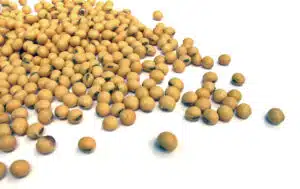
Furthermore, dietary sources of estrogen are under increased scrutiny. Phytoestrogens, such as those found in soy products, remain a point of contention in the medical community. Some theories suggest that phytoestrogens can block natural estrogen receptors, leading to an increase in circulating estrogen, while others argue they may help lower overall levels by signaling the body to reduce production. Due to research indicating that high soy consumption may delay ovulation in some individuals, many fertility specialists recommend a cautious approach to soy during the preconception phase. Similarly, the presence of growth hormones and antibiotics in commercially raised livestock has led many patients to opt for organic, pasture-fed meats to avoid introducing exogenous hormones into an already imbalanced system.
Weight Loss as a Clinical Catalyst for Ovulation
One of the most effective, albeit challenging, interventions for PCOS-related infertility is weight management. For patients who are overweight or obese, even modest weight loss can have a disproportionately positive impact on reproductive health. Research consistently demonstrates that a reduction of just 5% to 10% of total body weight can restore regular ovulation and improve pregnancy rates.

This "threshold effect" occurs because adipose tissue (body fat) is metabolically active; it produces estrogen and contributes to insulin resistance. By reducing the volume of adipose tissue, the hormonal "noise" is reduced, allowing the pituitary gland to communicate more effectively with the ovaries. Despite the difficulty women with PCOS face when attempting to lose weight due to their metabolic profile, the clinical rewards for doing so are substantial, often serving as the "tipping point" for successful conception.
Micronutrient Supplementation and Fertility Protocols
In addition to dietary changes, targeted supplementation is often required to address specific deficiencies common in the PCOS population. These supplements act as cofactors in metabolic processes and are essential for oocyte (egg) development.
- Chromium: This trace mineral is vital for glucose metabolism. By enhancing the action of insulin, chromium helps lower blood sugar levels and, by extension, reduces ovarian androgen production. It is often compared to insulin-sensitizing medications in its ability to support metabolic health.
- Vitamin D and Calcium: A significant percentage of women with PCOS are deficient in Vitamin D. Research has linked low Vitamin D levels to insulin resistance and poor follicle maturation. Supplementation has been shown to help regulate the menstrual cycle and increase the number of mature follicles available for ovulation.
- B-Vitamins and Folic Acid: Vitamin B6 is essential for progesterone production and regulating the luteal phase of the cycle. Meanwhile, Folic Acid (Vitamin B9) is a non-negotiable requirement for preconception and early pregnancy, as it is critical for the development of the neural tube and the prevention of birth defects like spina bifida.
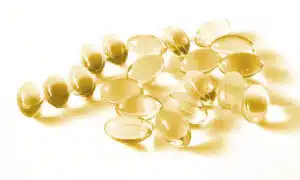
- Omega-3 Fatty Acids: Found in fish oil, Omega-3s are known for their anti-inflammatory properties. In the context of PCOS, they have been shown to help lower testosterone levels and improve the lipid profile of patients, contributing to overall hormonal harmony.
Professional Medical Perspectives and Analysis of Implications
Medical practitioners stress that while lifestyle and nutritional interventions are powerful, they should be implemented under professional supervision. The intersection of diet and pharmacology is complex; for instance, combining insulin-sensitizing supplements like chromium with prescription medications like Metformin can lead to hypoglycemia (dangerously low blood sugar).
The broader implications of managing PCOS extend beyond the immediate goal of pregnancy. Women with PCOS are at a higher risk for gestational diabetes, preeclampsia, and preterm birth. Therefore, the "PCOS and Pregnancy Plan" is not merely about conceiving but about ensuring a healthy gestation and reducing the long-term risk of Type 2 diabetes and cardiovascular disease for the mother.
From a journalistic and clinical perspective, the shift toward "food as medicine" in the management of PCOS represents a significant evolution in reproductive health. By empowering patients to take control of their metabolic health through informed dietary choices and evidence-based supplementation, the medical community is seeing a shift from reactive treatments to proactive, holistic management. The success stories of those who have navigated these challenges serve as a testament to the efficacy of a comprehensive, biology-first approach to fertility. Through the stabilization of insulin, the reduction of inflammation, and the careful balancing of micronutrients, the "miracle" of pregnancy becomes a scientifically attainable reality for many living with PCOS.