
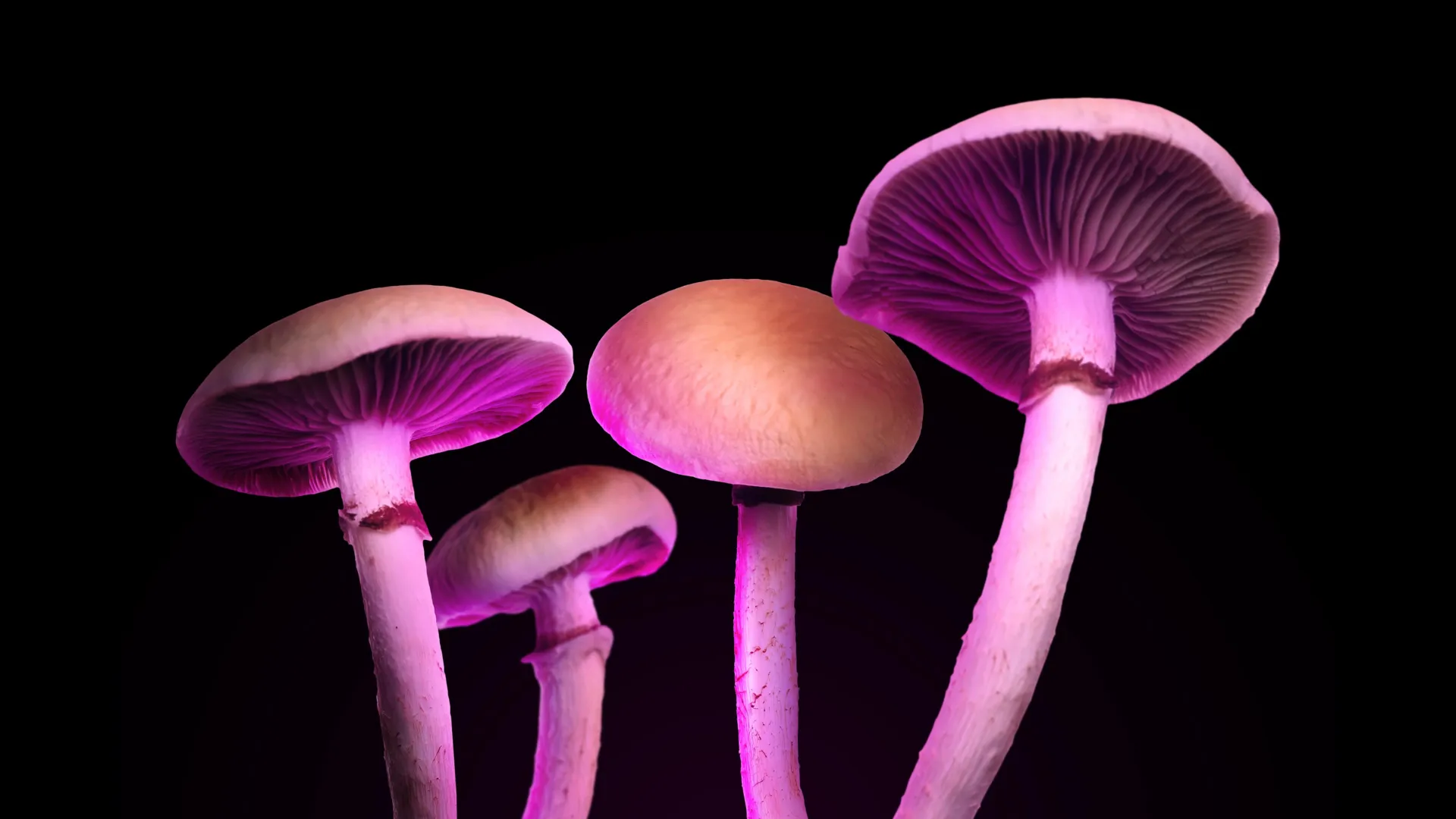
The pursuit of groundbreaking therapeutic avenues for a spectrum of debilitating mental health and neurological conditions has led scientists to a compound long associated with the mystical and mind-altering properties of "magic mushrooms." Psilocybin, the naturally occurring psychoactive substance within these fungi, has become a focal point for researchers exploring its potential to treat conditions ranging from severe depression and intractable anxiety to substance use disorders and even certain neurodegenerative diseases. However, a significant hurdle in translating this therapeutic promise into widespread clinical application has been the potent hallucinogenic experience that accompanies psilocybin’s use. This inherent intensity can deter patients and complicate treatment protocols. Now, a significant advancement in this field, detailed in the recent publication within the ACS’ Journal of Medicinal Chemistry, suggests a pathway towards harnessing the beneficial aspects of psilocybin’s mechanism of action while mitigating its more challenging psychedelic effects.
A collaborative team of researchers has successfully engineered novel, modified forms of psilocin, the active metabolite produced by the body after psilocybin ingestion. These meticulously designed molecules have demonstrated in preclinical studies, specifically in an early-stage investigation involving mice, the remarkable ability to retain their intended biological activity—interacting with critical neural pathways—while concurrently eliciting significantly diminished hallucinogenic-like responses compared to pharmaceutical-grade psilocybin. This breakthrough opens a compelling new chapter in the quest for psychedelic-inspired medicines that are both effective and more amenable to patient tolerability and clinical administration.
Decoupling Therapeutic Activity from Hallucinations: A New Paradigm
"Our findings are consistent with a growing scientific perspective suggesting that psychedelic effects and serotonergic activity may be dissociated," stated Andrea Mattarei, a corresponding author of the study. This dissociation, if further validated, is a pivotal concept. It suggests that the brain’s intricate network of serotonin receptors, which are profoundly influenced by psilocin and are believed to underlie its therapeutic benefits, can be modulated in ways that do not necessarily trigger the full spectrum of intense visual and perceptual distortions.
The implications of this potential decoupling are profound. It suggests the possibility of designing new therapeutics that retain the beneficial biological activity—such as mood elevation, anxiety reduction, and potential neuroprotection—while significantly reducing the hallucinogenic responses. This could pave the way for safer, more practical, and broadly applicable treatment strategies for a multitude of conditions where current pharmacotherapies fall short or are associated with burdensome side effects. The ability to offer the therapeutic potential of psilocin without the overwhelming psychedelic experience could dramatically expand access and acceptance of these novel treatments.
Targeting Serotonin Pathways: The Neurochemical Nexus
The central nervous system’s intricate balance of neurotransmitters is crucial for maintaining mental well-being and cognitive function. Serotonin, a monoamine neurotransmitter, plays a pivotal role in regulating mood, sleep, appetite, and various other essential brain functions. Disruptions in serotonin signaling have been implicated in a wide array of neuropsychiatric disorders, including major depressive disorder, generalized anxiety disorder, obsessive-compulsive disorder, and even the cognitive decline observed in neurodegenerative conditions like Alzheimer’s disease.
For decades, researchers have been captivated by the capacity of psychedelic compounds, including psilocybin, to profoundly influence serotonin pathways in the brain. These substances, particularly those that act as agonists at the 5-HT2A serotonin receptor, are thought to induce neuroplastic changes and alter brain connectivity, which may underlie their antidepressant and anxiolytic effects. However, the potent, often overwhelming, psychedelic experiences that accompany their administration have been a significant barrier. This can lead to patient hesitancy, require specialized therapeutic settings, and necessitate careful screening, all of which can limit the scalability and accessibility of such treatments. The development of psilocin derivatives that can bypass this barrier is therefore of immense clinical interest.
The Genesis of Psilocin Derivatives: A Strategic Chemical Design
Recognizing the challenge posed by the hallucinogenic component, a dedicated research team, spearheaded by Sara De Martin, Andrea Mattarei, and Paolo Manfredi, embarked on a mission to engineer modified psilocin molecules. Their strategy was rooted in a sophisticated understanding of how psilocin interacts with the body and brain. The team meticulously designed five distinct chemical variants, or derivatives, of psilocin. The core objective of this chemical engineering was to alter the pharmacokinetic and pharmacodynamic profiles of these compounds.
Specifically, the researchers engineered these molecules to facilitate a slower and more sustained release of the active psilocin into the brain. The hypothesis was that by controlling the rate and duration of psilocin exposure, they could potentially attenuate the acute, intense hallucinogenic effects that are often associated with a rapid surge of the compound. Simultaneously, they aimed to preserve the critical interactions with serotonin receptors that are believed to mediate the therapeutic benefits. This approach sought to create a finely tuned pharmacological experience, maximizing therapeutic gain while minimizing subjective distress and cognitive disruption.
Preclinical Evaluation: From Lab Bench to Rodent Models
The rigorous scientific process began with comprehensive laboratory evaluations of the five designed psilocin derivatives. Initial testing involved human plasma samples under conditions designed to simulate the absorption process in the gastrointestinal tract. This phase was crucial for assessing the stability of the compounds during absorption and their propensity to release the active psilocin. From these in vitro experiments, one candidate compound, designated as "4e," emerged as particularly promising.
Compound 4e exhibited notable stability during simulated absorption and demonstrated a desirable characteristic: a gradual release of psilocin. This gradual release mechanism was identified as a key factor that could potentially temper the intensity of hallucinogenic responses. Crucially, even with this modified release profile, 4e proved effective in activating key serotonin receptors. Its ability to engage these critical neural targets was comparable to that of psilocin itself, indicating that the chemical modifications had not compromised its fundamental biological activity.
With compound 4e identified as the leading candidate, the research team proceeded to a more complex preclinical assessment involving live animal models. In a comparative study, equivalent doses of 4e and pharmaceutical-grade psilocybin were administered orally to mice. The researchers meticulously tracked the absorption and distribution of psilocin into the bloodstream and, more importantly, into the brain over a 48-hour period.
The results from this in vivo study provided compelling evidence for 4e’s unique profile. The compound demonstrated efficient crossing of the blood-brain barrier, a critical step for any central nervous system-acting drug. Once in the brain, 4e produced a level of psilocin that was lower in peak concentration but notably longer-lasting compared to the psilocybin group. This sustained, yet less intense, presence of psilocin in the brain is hypothesized to be a key factor in modulating the psychedelic experience.
Further behavioral observations provided direct evidence of the reduced hallucinogenic-like activity. Mice treated with 4e exhibited significantly fewer head twitches—a well-established and reliable indicator of psychedelic-like effects in rodents—than their counterparts treated with psilocybin. This occurred even though 4e demonstrated robust interaction with serotonin receptors. The researchers attribute this crucial difference primarily to the controlled release kinetics of psilocin into the brain, emphasizing how the rate and speed of its delivery can profoundly influence the subjective experience.
The Future of Psychedelic-Inspired Therapeutics: Hallucination-Free Potential
The findings from this research represent a significant stride toward the development of a new class of psychiatric and neurological medications. The study unequivocally demonstrates that it is feasible to design stable, psilocin-based compounds that can effectively reach the brain and engage serotonin receptors while simultaneously attenuating the intense, mind-altering effects commonly associated with traditional psychedelics.
The implications for patient care are substantial. A treatment that offers the potential for profound relief from conditions like treatment-resistant depression, severe anxiety, and PTSD, without the significant psychedelic burden, could revolutionize mental healthcare. It could enable outpatient administration, reduce the need for highly specialized facilities, and broaden the appeal of these potentially transformative therapies to a wider patient population.
However, the researchers are careful to emphasize that this is an early-stage investigation. While promising, further comprehensive research is indispensable. Scientists must delve deeper into the precise molecular mechanisms by which these new compounds exert their effects. Extensive studies are needed to fully elucidate their biological impact across various systems and to rigorously assess their safety profile before any human clinical trials can be contemplated. This includes understanding potential long-term effects, drug-drug interactions, and the optimal therapeutic dosing regimens.
The journey from promising preclinical data to an approved therapeutic is long and complex, typically involving multiple phases of human clinical trials to establish safety and efficacy. Nevertheless, this innovative approach to modifying psilocin represents a beacon of hope, signaling a potential future where the therapeutic power of psychedelics can be harnessed more safely and effectively, ushering in a new era of neurochemical interventions for mental well-being.
The research was supported by funding from MGGM Therapeutics, LLC, in collaboration with NeuroArbor Therapeutics Inc. The authors have disclosed their roles as inventors on patents related to psilocin, underscoring their significant investment and expertise in this area of research. This commercial and intellectual property interest, while common in drug development, highlights the vested interest in seeing these promising compounds progress through the rigorous development pipeline.