
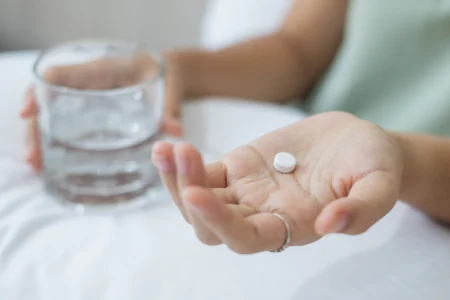
The National Institute for Health and Care Excellence (NICE) has issued a final recommendation for the use of fezolinetant, a pioneering non-hormonal medication designed to alleviate the debilitating symptoms of menopause, within the National Health Service (NHS) in England and Wales. This decision marks a significant shift in the landscape of reproductive healthcare, offering a vital alternative for hundreds of thousands of women who are either unable to take Hormone Replacement Therapy (HRT) or choose not to for medical reasons. Fezolinetant, marketed under the brand name Veozah, represents a new class of drug known as neurokinin 3 (NK3) receptor antagonists, which target the brain’s temperature control center directly rather than replacing declining estrogen levels.
According to the final guidance published by NICE, the drug is recommended for women experiencing moderate to severe vasomotor symptoms (VMS)—commonly referred to as hot flushes and night sweats—associated with menopause. The recommendation is specifically tailored toward those for whom HRT is contraindicated or unsuitable, such as women with a history of certain hormone-sensitive cancers, blood clots, or cardiovascular issues. NICE estimates that approximately 500,000 women could be eligible for the treatment, which is administered as a single 45mg oral tablet taken once daily. This move follows the earlier approval of the drug by the Medicines and Healthcare products Regulatory Agency (MHRA) in late 2023, effectively clearing the path for its integration into standard primary care.
The Mechanism of Action: Targeting the Hypothalamus
The introduction of fezolinetant is scientifically significant because it departs from the traditional endocrine-based approach to menopause management. For decades, HRT has been the "gold standard" of treatment, working by replenishing the estrogen and progesterone that decline as a woman approaches the end of her reproductive years. However, while HRT is highly effective, it interacts with hormone receptors throughout the body, which can lead to complications for specific patient cohorts.
Fezolinetant operates through a different biological pathway. During menopause, the decline in estrogen disrupts the balance of certain chemicals in the hypothalamus, the region of the brain responsible for regulating body temperature. Specifically, the loss of estrogen leads to an overactivity of KNDy (kisspeptin/neurokinin B/dynorphin) neurons. These neurons utilize neurokinin B as a signaling molecule to trigger the body’s heat dissipation responses, even when the external temperature has not changed. This results in the sudden, intense heat and perspiration characteristic of hot flushes.
By acting as an NK3 receptor antagonist, fezolinetant blocks the binding of neurokinin B to its receptors in the hypothalamus. This action effectively "calms" the temperature control center, reducing the frequency and intensity of vasomotor symptoms without the need for systemic hormone modulation. This targeted neurological approach is what makes the drug a viable option for those who must avoid estrogen-based therapies.
A Chronology of Approval and Development
The journey of fezolinetant from laboratory development to NHS recommendation has been characterized by rigorous clinical testing and regulatory scrutiny. The drug was developed by Astellas Pharma, which sought to address a long-standing gap in the pharmaceutical market for non-hormonal menopause treatments.
- Early Clinical Phases (2017–2020): Initial studies identified the NK3 receptor as a primary driver of vasomotor symptoms. Early-stage trials demonstrated that blocking these receptors could provide rapid relief from hot flushes.
- The SKYLIGHT Trials (2021–2023): The pivotal Phase III clinical trials, known as SKYLIGHT 1 and SKYLIGHT 2, involved over 3,000 women across several countries. These double-blind, placebo-controlled studies were essential in proving the drug’s efficacy and safety profile over a 52-week period.
- FDA Approval (May 2023): The United States Food and Drug Administration (FDA) became the first major regulator to approve fezolinetant (Veozah) for the treatment of moderate to severe VMS.
- MHRA Approval (December 2023): The UK’s Medicines and Healthcare products Regulatory Agency granted a marketing authorization for the drug, confirming it met the necessary safety and quality standards for use in the British market.
- NICE Recommendation (2024): Following an assessment of the drug’s clinical effectiveness and value for money, NICE issued its recommendation, ensuring that the cost of the drug will be covered by the NHS for eligible patients.
Supporting Data and Clinical Efficacy
The NICE recommendation is underpinned by robust data from the SKYLIGHT clinical trial program. These trials compared the 45mg daily dose of fezolinetant against a placebo in postmenopausal women aged 40 to 65. The primary endpoints were the change from baseline in the frequency and severity of moderate to severe VMS at weeks 4 and 12.
Data showed that women taking fezolinetant experienced a statistically significant reduction in the frequency of hot flushes compared to those on a placebo. In many cases, participants reported a noticeable improvement in symptoms within the first week of treatment. Furthermore, the severity of the remaining flushes was significantly diminished, leading to better sleep patterns and improved daytime functioning.
In terms of safety, the trials indicated that fezolinetant was generally well-tolerated. The most common side effects reported were abdominal pain, diarrhea, insomnia, and back pain. However, because the drug is metabolized by the liver, NICE and the MHRA have advised that clinicians should conduct liver function tests before prescribing the medication and monitor patients periodically during the first few months of treatment. This precautionary measure ensures that any rare instances of liver enzyme elevation are caught and managed promptly.
Official Responses and Stakeholder Reactions
The decision has been met with widespread acclaim from healthcare professionals, patient advocacy groups, and government officials. Helen Knight, director of medicines evaluation at NICE, emphasized the transformative potential of the drug for women’s health.
"We know that menopausal hot flushes and night sweats can have a profound impact on quality of life and significantly affect overall wellbeing," Knight stated. "The evidence shows fezolinetant can meaningfully reduce symptoms and was found to be cost-effective. This decision will give much-needed relief to those for whom HRT is unsuitable."
Medical experts have also highlighted the importance of choice in menopause care. Dr. Haitham Hamoda, a consultant gynecologist and former chairman of the British Menopause Society, noted that while HRT remains a primary option for many, there has long been a "therapeutic vacuum" for women who cannot take hormones. "Having a non-hormonal option that is backed by strong clinical evidence is a major step forward," Hamoda remarked. "It allows for a more personalized approach to menopause management, ensuring that no woman is left to suffer without options."
Charities and advocacy groups, such as Menopause Mandate, have welcomed the news as a victory for patient equity. They argue that for too long, women with a history of breast cancer or other contraindications have had to endure severe symptoms with limited pharmaceutical support. The availability of fezolinetant on the NHS is seen as a recognition of the serious nature of menopausal symptoms and the necessity of providing diverse treatment pathways.
Economic and Societal Implications
Beyond the immediate clinical benefits, the NICE recommendation carries broader societal and economic implications. Menopause often occurs at the peak of a woman’s career, and severe symptoms are a documented cause of reduced workplace productivity, increased absenteeism, and, in some cases, early retirement.
A 2022 report by the Fawcett Society found that approximately 10% of women leave the workforce due to menopause symptoms. By providing an effective treatment for the half-million women who cannot use HRT, the NHS is potentially helping to retain skilled workers and reduce the economic burden associated with untreated menopausal symptoms.
Furthermore, the "cost-effective" designation by NICE is crucial. In the UK, NICE evaluates new drugs using the Quality-Adjusted Life Year (QALY) metric. For a drug to be recommended, it must demonstrate that the improvement in a patient’s quality of life justifies the cost to the taxpayer. The determination that fezolinetant is cost-effective suggests that the long-term benefits—such as reduced GP visits, better mental health outcomes, and improved physical wellbeing—outweigh the price of the daily tablet.
Addressing Health Inequalities in Menopause Care
The approval of fezolinetant also addresses specific health inequalities. Some ethnic groups and demographics may have higher risks associated with HRT or may have cultural preferences for non-hormonal treatments. By expanding the toolkit available to GPs, the NHS can provide more inclusive care that respects the individual medical histories and preferences of a diverse population.
Additionally, the focus on non-hormonal treatments paves the way for further research into the neurological aspects of aging and reproductive health. The success of fezolinetant may encourage pharmaceutical companies to invest in other non-hormonal therapies for conditions like endometriosis or polycystic ovary syndrome (PCOS), which have historically seen less innovation than other areas of medicine.
Looking Ahead: Implementation in Primary Care
As the NICE guidance is implemented, the next challenge lies in educating primary care physicians about this new class of drug. GPs will need to be trained on how to identify suitable candidates for fezolinetant, how to manage the transition from other treatments, and how to conduct the required liver function monitoring.
For the 500,000 women in England and Wales who stand to benefit, the wait for an alternative to HRT is nearing its end. As fezolinetant becomes available through local integrated care boards, it is expected to provide a lifeline for those who have previously had to manage their symptoms through lifestyle changes or less effective over-the-counter remedies.
In summary, the NICE recommendation of fezolinetant represents a milestone in the evolution of menopause treatment. By moving beyond hormone replacement and targeting the underlying neurological triggers of vasomotor symptoms, the NHS is embracing a more sophisticated and inclusive model of care. This decision not only validates the experiences of women struggling with menopause but also ensures that medical science continues to provide solutions that are as diverse as the patients they serve.