
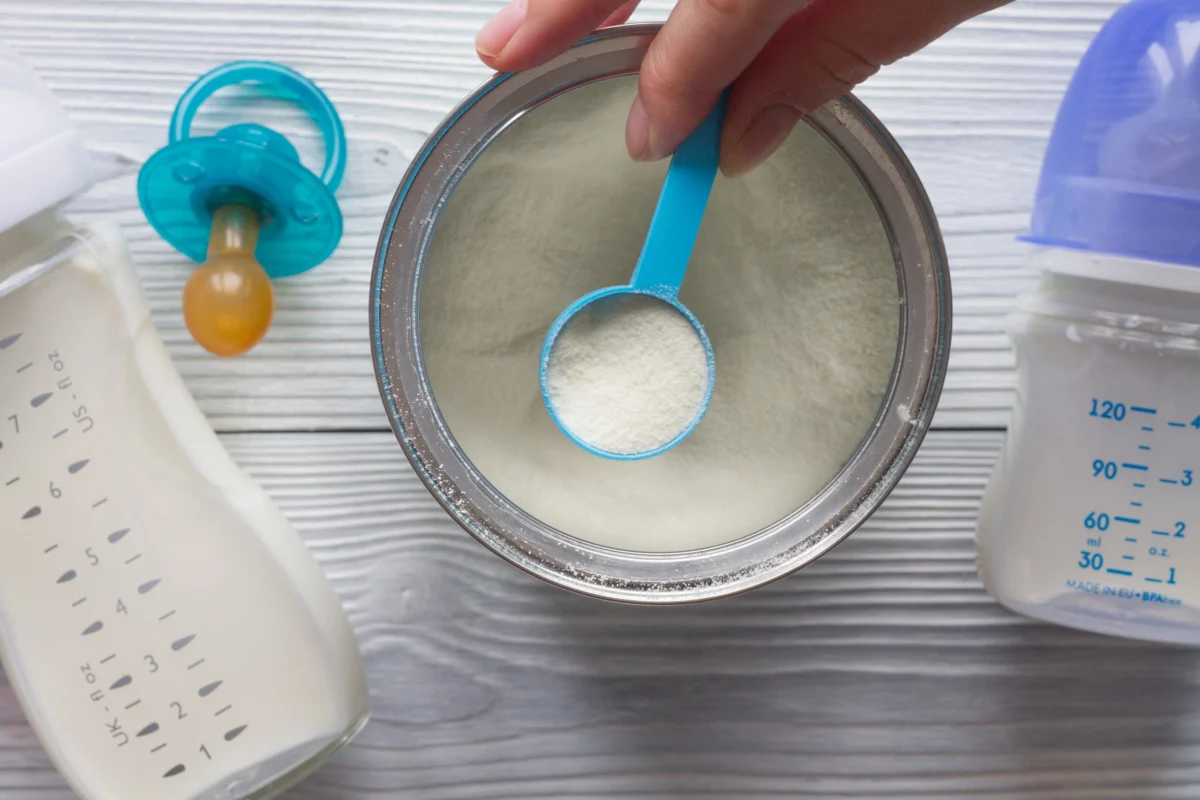
The United States has grappled with significant infant formula shortages in recent years, a crisis that has understandably sent waves of alarm through families nationwide. These shortages, largely exacerbated by pandemic-related supply chain disruptions, highlight the critical reliance of many infants on formula for their nutritional needs. While breastfeeding is widely encouraged by health organizations, it is not universally feasible or sufficient for all mothers and infants. Factors such as early return to work, limited access to lactation support, infant allergies or metabolic disorders requiring specialized formulas, and disabilities that impede breastfeeding all contribute to a significant demand for commercially produced infant formula. This article delves into the multifaceted nature of these shortages, exploring their causes, impacts, and potential solutions to ensure the health and well-being of America’s youngest citizens.
The Unfolding Crisis: A Chronology of Shortages
The most acute phase of the infant formula shortage emerged in late 2021 and intensified into 2022. While supply chain issues had been a simmering concern throughout the COVID-19 pandemic, a specific event dramatically amplified the problem. In February 2022, Abbott Nutrition, one of the largest manufacturers of infant formula in the U.S., voluntarily recalled several of its products and temporarily shut down its Sturgis, Michigan, manufacturing facility. This decision was prompted by investigations into bacterial contamination, specifically Cronobacter sakazakii, found in some of its powdered formulas. The facility in Sturgis was a major producer, accounting for a significant portion of the nation’s formula supply, including specialized formulas for infants with critical medical needs.
The recall and plant closure created an immediate and severe deficit in the market. Retailers reported empty shelves, and desperate parents engaged in extensive searches, traveling long distances and relying on social media to find formula. The situation quickly escalated from a national inconvenience to a public health emergency. By May 2022, the U.S. was experiencing an average out-of-stock rate of 43% for infant formula, with some states reporting rates as high as 50-60%. This widespread unavailability put immense pressure on families, forcing many to make difficult choices about their infants’ nutrition.
Underlying Vulnerabilities: A Fragile Supply Chain
The Abbott recall, while the immediate trigger, exposed deeper vulnerabilities within the U.S. infant formula supply chain. For decades, the U.S. market has been highly concentrated, with a few major manufacturers dominating production. This lack of diversity makes the system inherently susceptible to disruptions. The industry is also heavily regulated, with stringent safety standards and complex approval processes for new facilities and products. While these regulations are crucial for ensuring infant safety, they can also create barriers to entry for new competitors and slow down the process of expanding production.
Furthermore, the reliance on imported formula, particularly from Europe, for certain specialized products meant that international supply chain issues, such as shipping delays and raw material shortages, also played a role. The COVID-19 pandemic had already strained global logistics, and the Abbott recall further compounded these challenges. The United States also had specific trade policies in place, such as tariffs, that sometimes made it more expensive to import formula compared to domestic production. This intricate web of factors created a precarious situation where a single event could have such a profound and widespread impact.
The Human Cost: Families Under Pressure
The infant formula shortage had immediate and severe consequences for families across the country. For parents, the inability to find adequate nutrition for their babies was a source of profound anxiety and stress. The article from the American Journal of Clinical Nutrition highlights that infants require formula when human milk is not accessible or adequate. This reality was thrust upon countless families who suddenly found their usual sources depleted.
Parents resorted to desperate measures. Many shared information about available stock on social media platforms, creating informal networks of support. Others traveled across state lines in search of formula, incurring significant travel costs and time burdens. In some instances, parents were forced to dilute formula to make it last longer, a practice that can lead to malnutrition and developmental issues in infants. Others turned to less regulated sources, such as international online retailers, risking exposure to counterfeit or unsafe products.
The crisis also disproportionately affected vulnerable populations. Low-income families, often relying on WIC (Women, Infants, and Children) benefits, faced particular challenges. WIC contracts with specific manufacturers, and when those products became unavailable, recipients had limited alternatives within the program. This created significant hardship for families already struggling with economic insecurity.
Official Responses and Interventions
The severity of the shortage prompted swift, albeit delayed, responses from federal and state governments. In May 2022, President Biden invoked the Defense Production Act (DPA) to prioritize the production and distribution of infant formula. The DPA allows the President to compel domestic companies to provide essential goods and services, aiming to ramp up production and address supply chain bottlenecks.
Operation Fly Formula was launched as a key initiative under the DPA. This program facilitated the expedited importation of infant formula from overseas manufacturers that met U.S. safety standards. Through this operation, millions of pounds of formula were flown into the U.S. from countries like Germany, Switzerland, and the United Kingdom, providing much-needed relief.
The Food and Drug Administration (FDA) also took steps to ease import restrictions and work with manufacturers to expedite the review and approval of new facilities and formulas. This included granting temporary permissions for foreign facilities to export their products to the U.S. market.
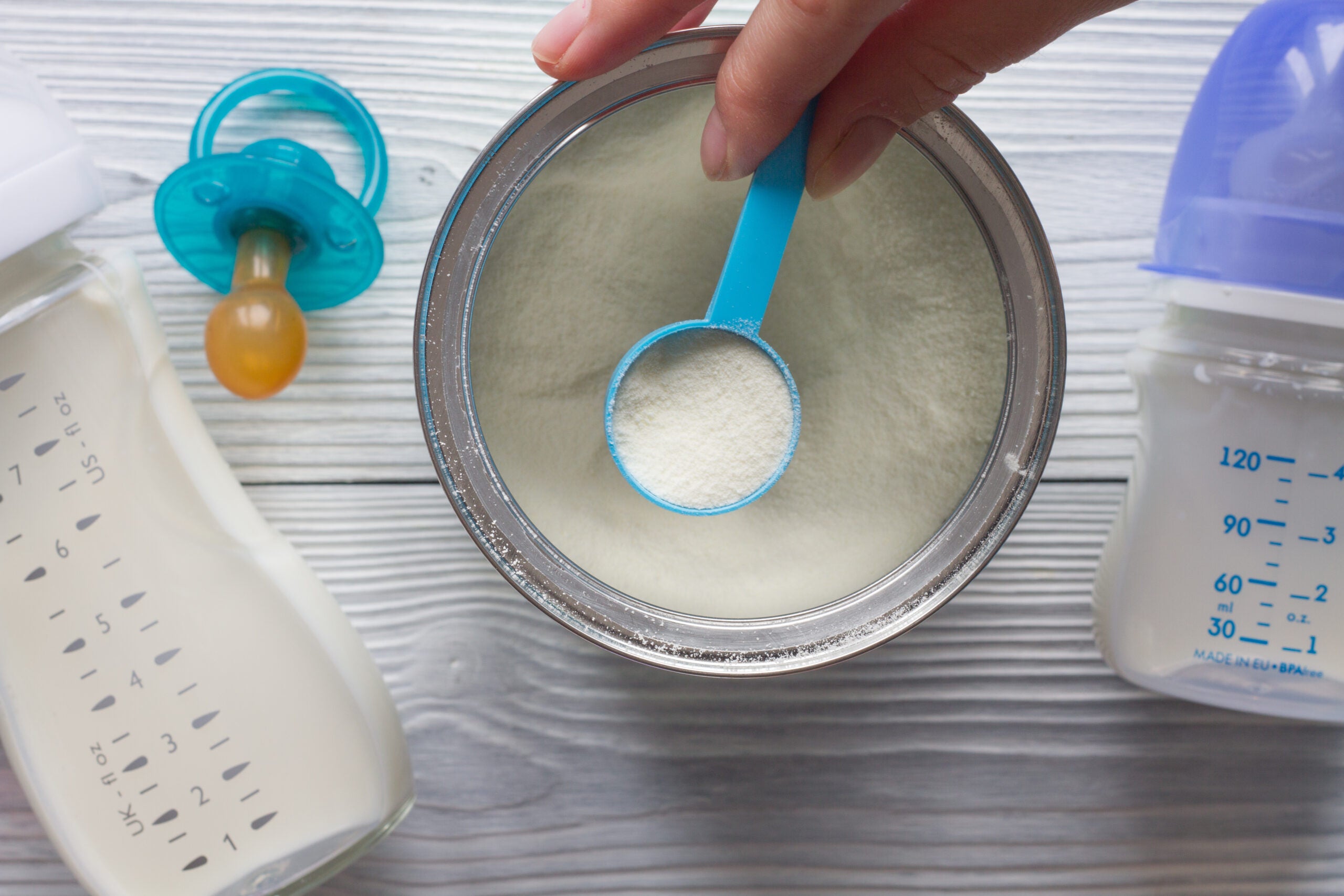
Beyond federal action, state governments implemented their own measures. Many states reached out to their federal representatives to advocate for relief, shared information about available formula, and worked with local retailers to monitor stock levels. The crisis also spurred discussions about increasing domestic manufacturing capacity and diversifying the supply chain.
Expert Analysis and Future Directions
The American Journal of Clinical Nutrition article serves as a critical resource, outlining a path forward to prevent similar crises. Its analysis points to the need for comprehensive policy changes to bolster the U.S. infant formula supply chain. The recommendations generally fall into several key areas:
Enhancing Domestic Manufacturing Capacity
A primary focus is on increasing and diversifying domestic manufacturing. This involves incentivizing new companies to enter the market and supporting existing manufacturers in expanding their production capabilities. The current concentration of production among a few large companies proved to be a significant weakness. Encouraging a more robust and competitive domestic industry can build resilience against future disruptions.
Streamlining Regulatory Processes
While safety must remain paramount, there is a recognized need to review and potentially streamline regulatory processes for approving new manufacturing facilities and products. This does not imply a compromise on safety standards but rather an examination of how to make the approval process more efficient without sacrificing rigor. This could involve better resource allocation within regulatory bodies or a more agile approach to approving facilities that meet all stringent requirements.
Strengthening Import Policies and International Collaboration
The reliance on imports for certain specialized formulas highlights the importance of well-defined and flexible import policies. During the crisis, existing policies created hurdles. Future strategies should consider mechanisms for more seamless and rapid importation of safe, high-quality formula from trusted international sources during emergencies. This also entails fostering stronger collaborations with international regulatory bodies to ensure alignment on safety standards.
Addressing Market Concentration and Competition
The high market concentration in the U.S. infant formula industry is a significant risk factor. Policies aimed at fostering greater competition, potentially through antitrust measures or incentives for new market entrants, could lead to a more stable and responsive supply. A competitive landscape encourages innovation and can distribute risk more effectively.
Improving Data Collection and Transparency
A critical lesson learned from the shortage is the need for better data collection and real-time monitoring of infant formula production, inventory, and distribution. Enhanced transparency throughout the supply chain would allow for earlier detection of potential shortages and more targeted interventions. This could involve mandatory reporting from manufacturers and distributors.
Supporting Breastfeeding While Ensuring Formula Access
While advocating for continued support and resources for breastfeeding mothers, it is crucial to acknowledge that formula remains a vital necessity for many infants. The crisis underscored the need for a dual approach: robust support for breastfeeding alongside a secure and accessible supply of safe infant formula. This includes ensuring that specialized formulas for infants with medical needs are consistently available.
Broader Implications and Long-Term Outlook
The infant formula shortages served as a stark reminder of the fragility of essential supply chains and the profound impact disruptions can have on public health. The crisis not only affected immediate infant nutrition but also raised broader questions about national preparedness for public health emergencies.
The long-term implications of this event are significant. It has spurred a national conversation about food security for the most vulnerable populations and the critical role of government in ensuring access to essential goods. The experiences of parents navigating the shortage have highlighted the emotional and practical toll of such crises.
Moving forward, sustained attention and investment will be crucial to implement the lessons learned. This involves ongoing collaboration between government agencies, industry stakeholders, healthcare providers, and parent advocacy groups. The goal is to build a more resilient, diversified, and responsive infant formula supply chain that can withstand future challenges and ensure that no infant in the United States faces a shortage of life-sustaining nutrition. The commitment to these systemic changes will be key to preventing a recurrence of this distressing chapter in American public health.