
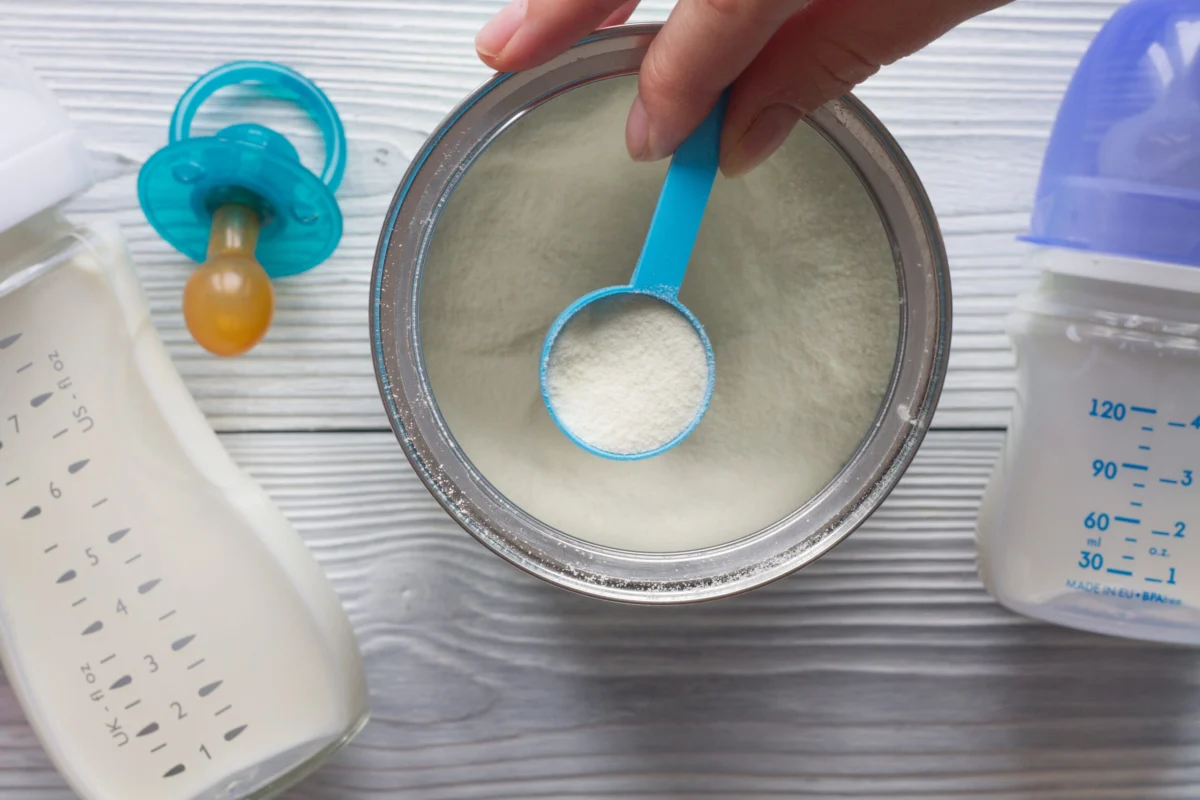
The specter of infant formula shortages has loomed over American families with alarming frequency in recent years, a stark reminder of the fragility of supply chains and the critical need for reliable access to essential nutrition for the nation’s youngest. While the immediate crisis of widespread unavailability has seen some alleviation, the underlying vulnerabilities that allowed it to spiral remain a pressing concern, demanding comprehensive solutions to safeguard against future disruptions. The repercussions of these shortages extend far beyond mere inconvenience, impacting infant health, parental well-being, and public trust in food safety and supply systems.
The recent waves of infant formula scarcity, particularly those experienced in 2022, were largely precipitated by a confluence of pandemic-related disruptions. The COVID-19 pandemic unleashed unprecedented strain on global supply chains, affecting everything from raw material procurement to manufacturing and transportation. Factories grappled with labor shortages, international shipping bottlenecks led to delays and increased costs, and the surge in demand for certain products, including infant formula, further exacerbated existing pressures. This complex interplay of factors created a precarious situation where a single manufacturing issue could have cascading and devastating effects on the availability of this vital product.
The Critical Role of Infant Formula
For many families, infant formula is not a matter of preference but a medical necessity. While breastfeeding is widely encouraged by health organizations, including the World Health Organization and the American Academy of Pediatrics, for its numerous health benefits, it is not universally achievable or sufficient. Factors such as mothers returning to work early, lack of adequate lactation support, personal health conditions, or the specific nutritional needs of infants can necessitate the use of formula.
Furthermore, a significant portion of the infant population relies on specialized formulas due to allergies, metabolic disorders, gastrointestinal issues, or other medical conditions. These specialized formulas are often highly regulated, produced by a limited number of manufacturers, and are essential for the healthy development and survival of these vulnerable infants. The scarcity of these specialized products presents an even more acute and potentially life-threatening challenge for affected families.
The reliance on a concentrated market for infant formula, particularly for specialized varieties, is a key vulnerability. When a major production facility experiences an issue, the ripple effect can be profound, leaving a significant portion of the market without access to their required nourishment. This was vividly demonstrated by the Abbott Nutrition recall and subsequent shutdown of its Sturgis, Michigan, facility in early 2022, which was a primary driver of the most severe nationwide shortage.
Chronology of a Crisis: Key Events and Escalation
The infant formula shortage was not an overnight phenomenon but a developing crisis with several critical junctures.
- Early 2022: Reports of localized formula shortages began to emerge, initially attributed to ongoing pandemic-related supply chain snags. These were often manageable through vigilant parental efforts and minor adjustments.
- February 2022: Abbott Nutrition initiated a voluntary recall of certain powdered infant formulas manufactured at its Sturgis, Michigan, facility due to concerns about potential bacterial contamination (Cronobacter sakazakii and Salmonella Newport). This facility was a major producer of formula, including specialized formulas.
- May 2022: The situation escalated into a full-blown national crisis. The extended shutdown of the Sturgis plant, coupled with existing supply chain pressures, led to widespread stockouts across the country. Retailers reported shelves devoid of formula, and desperate parents resorted to extraordinary measures to find food for their babies. Reports emerged of parents traveling hundreds of miles, pooling resources, and even resorting to making their own dangerous concoctions.
- May 2022: The U.S. Food and Drug Administration (FDA) invoked emergency provisions and initiated Operation Fly Formula, a government initiative to expedite the importation of infant formula from other countries. This involved coordinating with manufacturers abroad and streamlining regulatory reviews to bring safe products into the U.S. market.
- June 2022: The Abbott facility in Sturgis, Michigan, was granted permission to reopen under strict FDA oversight. This marked a crucial step towards restoring domestic production, though it took time for supply to fully recover.
- Late 2022 – Early 2023: While the most acute shortages began to subside, the market remained fragile, with occasional localized stockouts and ongoing concerns about long-term supply chain resilience.
Supporting Data and Market Dynamics
The U.S. infant formula market is characterized by a high degree of concentration, with a few major players dominating production. Prior to the 2022 crisis, the top three manufacturers – Abbott Nutrition, Mead Johnson (owned by Reckitt Benckiser), and Nestle (which includes Gerber) – accounted for approximately 90% of the U.S. market share. This concentration, while potentially leading to economies of scale, also creates a significant point of vulnerability.
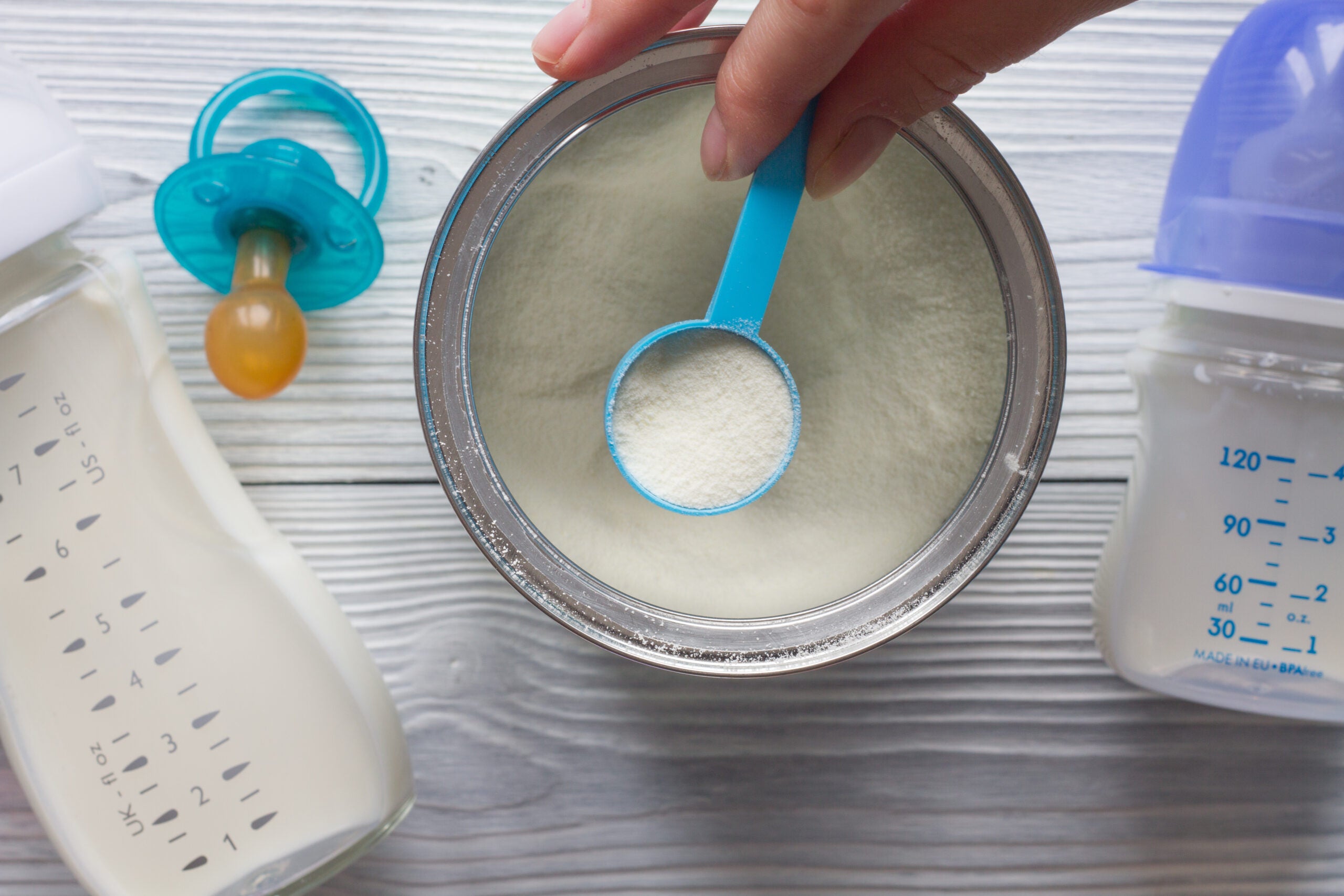
The Abbott Sturgis facility, in particular, was a critical hub, producing a substantial volume of formula, including many specialized products vital for infants with allergies or metabolic disorders. Its prolonged closure meant that these specific needs could not be easily met by other manufacturers due to different production lines, regulatory approvals, and proprietary formulas.
The impact of the shortage was measurable. By May 2022, out-of-stock rates for infant formula nationwide reached an estimated 40-50%, a staggering figure for a staple food item. This led to a surge in demand for imported formulas, with Operation Fly Formula facilitating the import of millions of pounds of formula from countries like the UK, Switzerland, and Australia.
Official Responses and Governmental Actions
The severity of the crisis galvanized governmental action at multiple levels.
- The FDA’s Role: The FDA faced intense scrutiny for its oversight of the Abbott facility and its response to the contamination concerns. In the aftermath, the agency committed to increasing inspections of infant formula manufacturing facilities and enhancing its regulatory processes to ensure both safety and supply. The FDA also worked to facilitate the import of safe formulas and streamline the approval process for new domestic production.
- Operation Fly Formula: This initiative, launched by the Biden-Harris administration, was a direct response to the urgent need for formula. It leveraged existing government contracts and logistical capabilities to accelerate the delivery of formula from international sources. The program involved the Departments of Agriculture, Health and Human Services, and Defense, demonstrating a whole-of-government approach.
- Congressional Hearings and Investigations: Lawmakers held hearings to investigate the causes of the shortage, the FDA’s oversight, and the market concentration. These discussions highlighted the need for greater transparency, competition, and domestic manufacturing capacity.
- Legislative Proposals: In response to the crisis, Congress passed bipartisan legislation aimed at strengthening the infant formula supply chain. These included measures to provide more resources for FDA inspections, to incentivize domestic production, and to ensure the availability of specialized formulas through programs like WIC (Women, Infants, and Children).
What Families Can Do and What to Avoid
During the crisis, public health officials and organizations provided guidance to desperate parents.
What You Can Do Now:
- Consult Your Pediatrician: If you are struggling to find formula, your pediatrician is the best resource. They can provide guidance, recommend alternative safe formulas if appropriate, and connect you with local resources.
- Check Multiple Retailers: Availability can vary significantly by store and region. Expand your search to different grocery stores, pharmacies, and online retailers.
- Explore Larger Store Chains: Larger chains may have more robust inventory management systems and a greater ability to secure supply.
- Consider Trusted Online Sources: While exercising caution, reputable online retailers may have stock when local stores are empty. Always ensure the product is from a trusted source and check expiration dates.
- Look for WIC-Approved Formulas: If you participate in the WIC program, be aware of the specific brands and types of formula approved, as this can narrow your search but also ensure you are using a product covered by your benefits.
- Connect with Support Groups: Online and local parent support groups can be invaluable for sharing information about where formula might be available.
What Not to Do:
- Do Not Dilute Formula: Never dilute infant formula, as this can lead to dangerous nutrient imbalances and serious health consequences for your baby.
- Do Not Make Homemade Formula: Homemade formulas are extremely dangerous and can lack essential nutrients or contain harmful ingredients. They are not a safe substitute for commercially prepared infant formula.
- Do Not Buy Formula Online from Unverified Sellers: Be extremely wary of individuals or websites selling formula at inflated prices or from unknown sources. This can pose risks of counterfeit, expired, or contaminated products.
- Do Not Hoard Formula: While understandable to want to ensure a supply, hoarding can exacerbate shortages for other families. Purchase only what you reasonably need.
- Do Not Use Recalled Formula: Always check for product recalls and avoid purchasing or using any formula that has been recalled by the manufacturer or the FDA.
Future Directions: Building a Resilient Supply Chain
The infant formula crisis served as a wake-up call, highlighting systemic weaknesses that must be addressed to prevent a recurrence. An article in the American Journal of Clinical Nutrition outlines several critical action steps recommended by experts to bolster the infant formula supply chain:
- Enhance Domestic Manufacturing Capacity: Reducing reliance on a few large facilities and encouraging the establishment of more diverse domestic production sites is paramount. This could involve incentives for new manufacturers and investments in upgrading existing facilities.
- Strengthen FDA Oversight and Regulatory Processes: The FDA needs adequate funding and resources to conduct robust and frequent inspections of all infant formula facilities, both domestic and foreign. Streamlining the approval process for new products and ingredients while maintaining stringent safety standards is also crucial.
- Increase Market Competition: Policies that foster greater competition among infant formula manufacturers could lead to a more robust and resilient market. This might involve easing barriers to entry for new companies and ensuring fair market practices.
- Diversify International Sourcing: While domestic production is key, establishing reliable and safe channels for importing formula from multiple countries can serve as a crucial backup during domestic supply disruptions. This requires ongoing dialogue and regulatory alignment with international partners.
- Improve Transparency and Data Sharing: Greater transparency in manufacturing, inventory, and distribution data would allow for earlier detection of potential shortages and more coordinated responses.
- Support for Breastfeeding and Lactation Services: While formula is essential for many, strengthening support for breastfeeding mothers through accessible lactation consultants, workplace accommodations, and public health campaigns can reduce overall demand for formula where appropriate and feasible.
- Strategic National Stockpile: Considering the development of a small, strategically managed national stockpile of essential infant formula, particularly specialized formulas, could provide a critical buffer during emergencies.
The infant formula shortage was a painful but valuable lesson in the interconnectedness of our food systems and the critical importance of safeguarding the nutritional needs of our most vulnerable populations. By implementing comprehensive policy changes, investing in domestic production, and fostering a more resilient and competitive market, the United States can work towards ensuring that no family has to face the agonizing uncertainty of not being able to feed their baby. The future well-being of countless infants and the peace of mind of their parents depend on it.