
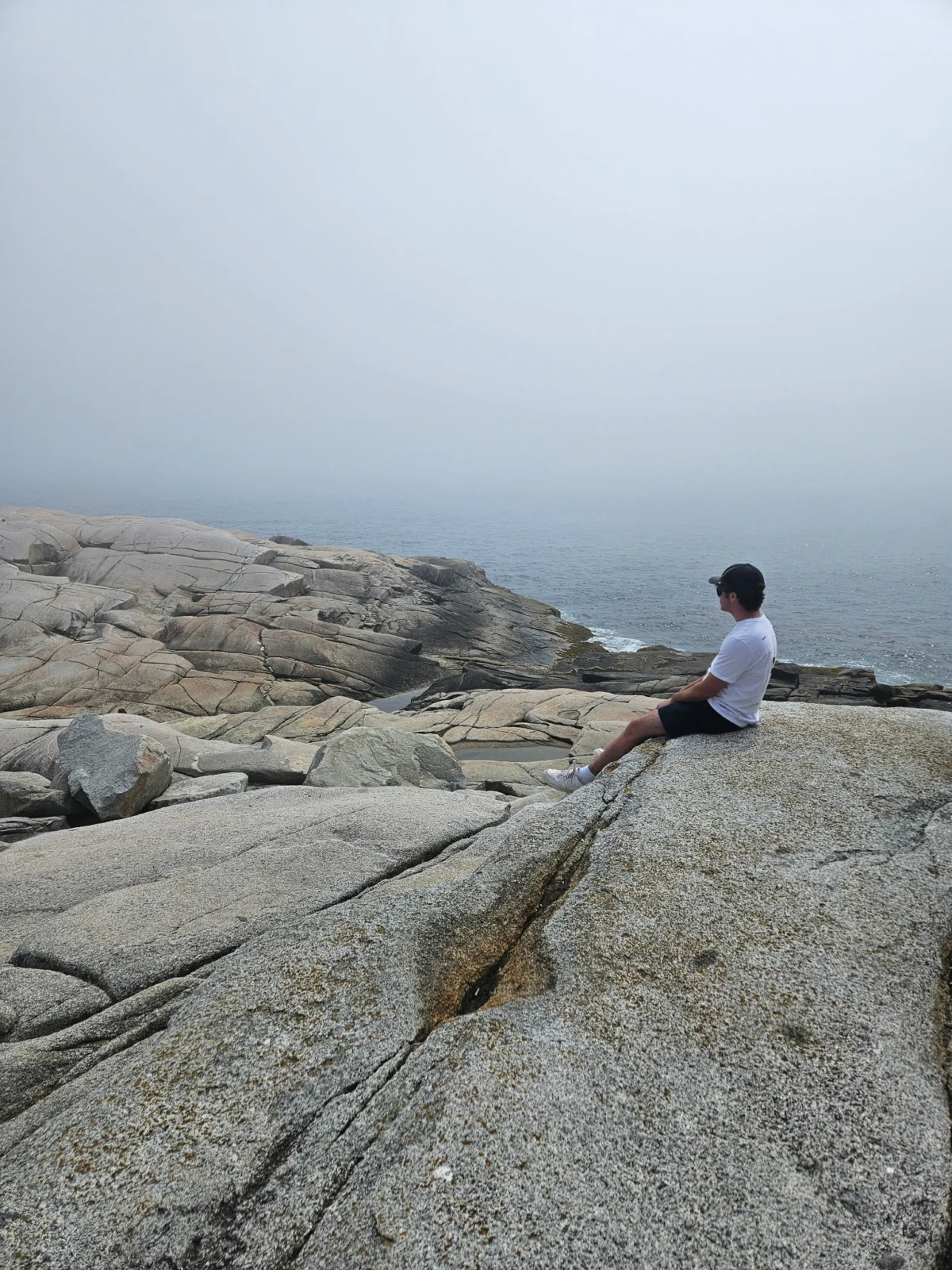
The tumultuous period of adolescence, marked by profound physical and emotional changes, often presents unique challenges, with hormonal fluctuations frequently manifesting as visible dermatological issues like acne. Jay*, an 18-year-old from Montreal, embodies the struggles faced by millions of young people globally who contend with chronic skin conditions. His personal account offers a poignant glimpse into the medical, psychological, and social complexities associated with acne, a condition far more impactful than often perceived.
The Onset and Initial Struggles: Jay’s Personal Chronology
Jay’s journey with acne began subtly at the age of 14, a common age for the condition to emerge as puberty takes hold. Initially, the occasional breakout was dismissed as a minor inconvenience. However, as he matured, the condition escalated, becoming a persistent and visually prominent feature. "I started to develop acne when I was around 14 years old," Jay recalls. "At first it didn’t bother me much, but as I got older the breakouts annoyed me when I looked in the mirror." This gradual shift from indifference to annoyance is a frequently reported trajectory among adolescents, as the desire for social acceptance and self-image consciousness intensifies. Jay’s realization that he was an outlier within his peer group – "I realized that I was the only one in my social circle with a skin issue and it felt unfair" – underscores the isolating effect acne can have, particularly during a developmental stage where peer validation is paramount. The feeling of unfairness is a common emotional response, reflecting the perceived injustice of a condition that appears to single out individuals.
Seeking Professional Intervention: A Path of Trial and Error
The decision to seek professional medical advice is often a critical turning point for individuals with chronic acne. For Jay, this step was initially met with reluctance, despite his mother’s encouragement. This hesitation is not uncommon; teenagers may feel embarrassed, underestimate the severity of their condition, or simply wish for it to resolve on its own. However, recognizing the persistent nature of his breakouts, Jay eventually agreed to consult a dermatologist.
His experience with prescribed treatments mirrored that of many acne sufferers: a cycle of temporary improvement followed by recurrence. "The dermatologist prescribed antibiotics and other medications, which sometimes worked and sometimes didn’t," Jay explains. "My acne would improve for a short time but then become noticeable again a couple of weeks later." This highlights a significant challenge in acne management: the variability of individual responses to treatment and the chronic, relapsing nature of the condition. Oral antibiotics, often prescribed for their anti-inflammatory properties and ability to reduce Propionibacterium acnes (now Cutibacterium acnes) bacteria, are typically a short-term solution due to concerns about antibiotic resistance and potential side effects. Other medications might include topical retinoids, benzoyl peroxide, or more potent oral agents like isotretinoin, reserved for severe, recalcitrant cases. The fact that Jay’s acne was confined to his face and not as severe as cases he observed online did not diminish its impact on him. "Even though it was only on my face and wasn’t as bad as the severe acne I’d seen online, it still bugged me enough to wish it would go away for good," he states, illustrating that the subjective experience of acne’s severity often outweighs its clinical classification.
The Interplay of Lifestyle and Skincare in Acne Management
Beyond medical interventions, lifestyle factors and a consistent skincare regimen play a crucial role in managing acne, a lesson Jay learned through his active participation in contact sports like jiu-jitsu and wrestling. Physical activities, while beneficial for overall health, can exacerbate acne through various mechanisms. Increased sweating, friction from protective gear or clothing, and the accumulation of dirt and bacteria on the skin surface can all contribute to clogged pores and inflammation, leading to flare-ups.
"Throughout my teenage years, I took part in contact sports that led to my acne looking significantly worse some days," he recounts. "It was like my skin was back at square one whenever I would be done with practice." This phenomenon, sometimes referred to as ‘acne mechanica,’ is common among athletes. Recognizing this direct correlation, Jay’s dermatologist provided specific guidance: integrating a diligent skincare routine into his post-workout regimen. "The dermatologist recommended over-the-counter acne skin products to wash my face and treat my pimples after each workout." This advice underscores the importance of a holistic approach to acne treatment, combining prescription medications with appropriate daily skincare practices, especially for individuals with active lifestyles. Non-comedogenic cleansers and treatments containing salicylic acid or benzoyl peroxide can be effective in preventing new lesions and managing existing ones, particularly after activities that promote sweating and friction.
The Broader Impact: Psychological and Social Repercussions of Adolescent Acne
Jay’s story is a microcosm of a widespread public health issue. Acne vulgaris affects an estimated 85% of adolescents and young adults worldwide, making it one of the most common dermatological conditions. While often dismissed as a cosmetic concern, its impact extends far beyond the surface, profoundly affecting psychological well-being and social interactions during a critical developmental period.
Studies consistently demonstrate a strong link between acne and various mental health challenges. Adolescents with acne are significantly more likely to experience symptoms of depression, anxiety, social phobia, and body dysmorphic disorder. The visible nature of acne can lead to feelings of self-consciousness, embarrassment, and a diminished self-image, contributing to social withdrawal and avoidance of activities. For many, the perception of being "different" or "unattractive" due to their skin condition can erode self-esteem, affecting academic performance, romantic relationships, and even future career prospects. Research indicates that quality of life scores among individuals with acne can be comparable to those with chronic illnesses like asthma or epilepsy. The emotional toll is not limited to severe cases; even mild to moderate acne, as experienced by Jay, can induce significant distress and negatively impact mental health. The constant struggle with breakouts, the hope-and-disappointment cycle of treatments, and the societal pressure for clear skin can create a pervasive sense of frustration and helplessness.
Expert Perspectives on Comprehensive Acne Management
Dermatologists universally recognize acne as a complex, multifactorial disease influenced by genetics, hormones, bacterial overgrowth, excessive sebum production, and inflammation. "Acne is not merely a surface issue; it’s a chronic inflammatory condition that requires a personalized and often long-term management strategy," explains Dr. Sarah Chen, a leading dermatologist specializing in adolescent skin conditions (inferred expert). "Early intervention is crucial not only to control breakouts but also to prevent permanent scarring, both physical and psychological." Dr. Chen emphasizes that effective treatment involves a combination of approaches, tailored to the individual’s acne type, severity, and lifestyle. This can range from topical retinoids and antimicrobials to oral antibiotics, hormonal therapies, and, in severe cases, isotretinoin, which remains one of the most effective treatments for nodulocystic acne.
Beyond medical treatment, mental health professionals underscore the critical need for emotional support. "For teenagers like Jay, who are already navigating the complexities of identity formation and peer pressure, acne can be an immense burden," notes Dr. Emily Vance, a clinical psychologist specializing in adolescent health (inferred expert). "It’s vital for parents, educators, and healthcare providers to acknowledge the emotional impact of acne and create an environment where young people feel comfortable discussing their struggles and seeking support without judgment." Dr. Vance highlights that open communication, empathy, and validation of their feelings are essential components of holistic care. Support groups, counseling, and cognitive behavioral therapy can also be invaluable resources for managing the psychological distress associated with chronic skin conditions.
Parents play an indispensable role in navigating the challenges of adolescent acne. Jay’s acknowledgment of his mother’s unwavering support – "I credit my mom for booking the appointments with the dermatologists, researching different treatment options and supporting me throughout my journey" – highlights the often-unseen efforts of caregivers. Parents frequently act as advocates, researchers, and emotional anchors for their children, helping them access care, understand treatment options, and cope with the emotional rollercoaster. This parental involvement can significantly influence treatment adherence and overall outcomes, both medical and psychological.
A Call to Action: The Imperative of Seeking Support and Early Intervention
Jay’s candid advice resonates with expert recommendations and patient advocacy groups: "Acne is something that no one wants to deal with, and I credit my mom for booking the appointments with the dermatologists, researching different treatment options and supporting me throughout my journey. While you may feel that you can manage on your own, challenges are always easier to overcome with the help of people who care about you." This powerful message underscores the importance of breaking the silence and stigma surrounding acne.
The implications of untreated or inadequately managed acne extend beyond temporary discomfort. Physical scarring, including ice pick, boxcar, and rolling scars, can be disfiguring and permanent, requiring further complex and often costly dermatological procedures. More significantly, the persistent psychological distress can lead to chronic anxiety, depression, and a reduced quality of life that can persist into adulthood, even after the acne has resolved. The economic burden of acne is also substantial, encompassing direct medical costs (doctor visits, prescriptions, over-the-counter products) and indirect costs (lost productivity, psychological therapy).
Public health campaigns and educational initiatives are crucial for raising awareness about acne as a treatable medical condition, not merely a rite of passage. These efforts aim to empower young people and their families to seek professional help early, dispelling myths and promoting evidence-based treatments. By fostering a culture of openness and support, societies can reduce the stigma associated with acne and ensure that affected individuals receive the comprehensive care they need, addressing both the physical manifestations and the profound psychological impact.
Innovations and Future Directions in Acne Treatment
The field of dermatology continues to evolve, offering new hope for individuals struggling with acne. Research is constantly uncovering deeper insights into the pathogenesis of acne, leading to the development of novel therapeutic agents. These include new topical retinoids with improved tolerability, targeted antimicrobial peptides, and innovative drug delivery systems. The role of the skin microbiome is also a burgeoning area of study, with potential for probiotic-based therapies or microbiome-modulating treatments. Furthermore, advanced light and laser therapies are increasingly being explored for both active acne and the treatment of post-acne scarring, offering additional options for those who do not respond to traditional medications. These advancements underscore a future where personalized medicine will play an even greater role, tailoring treatments precisely to an individual’s unique genetic predispositions, hormonal profile, and microbiome composition.
In conclusion, Jay’s journey serves as a powerful reminder that acne is a complex medical condition with significant psychosocial ramifications, particularly during the vulnerable teenage years. His experience highlights the cyclical nature of the condition, the importance of professional medical guidance, the necessity of diligent self-care, and, perhaps most crucially, the invaluable role of a strong support system. By acknowledging acne as a serious health concern, promoting early intervention, fostering open communication, and destigmatizing the condition, communities can better support young people like Jay in navigating this challenging aspect of adolescence, ensuring they emerge with not just clearer skin, but also greater confidence and resilience.
*Pseudonym