
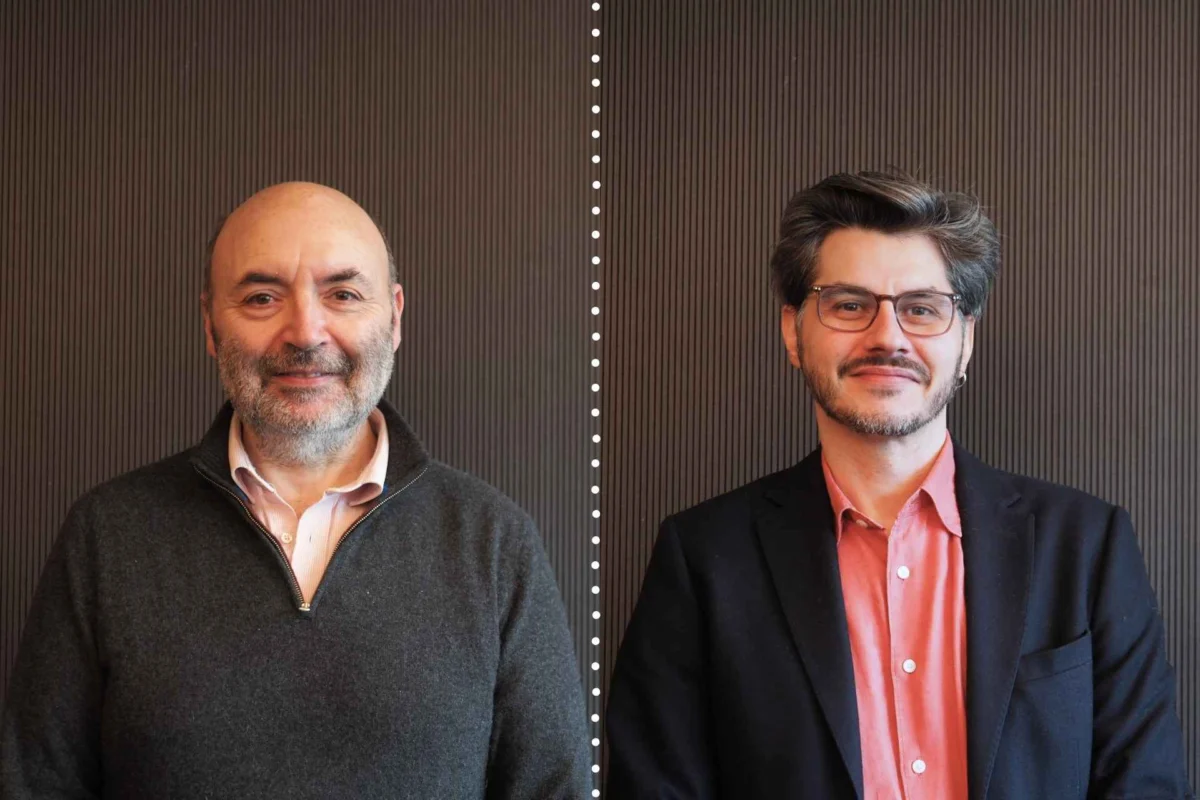
The 10th Pharmabiotics Conference, recently held in Brussels, served as a pivotal platform for experts to discuss the rapidly evolving intersection of microbiome science and the future of human space exploration. During this landmark event, Pierre Burguière, founder of Microbiome Futures, and Christian Roghi, founder of Bridgyz, engaged in a high-level dialogue regarding the critical role that microbial communities play in maintaining astronaut health during long-duration missions. The session featured a diverse array of perspectives, drawing on expertise from the European Space Agency (ESA), the French Institute for Space Medicine and Physiology (MEDES), and several prominent Belgian research institutions. As humanity looks toward establishing permanent habitats on the Moon and launching crewed missions to Mars, the scientific community is increasingly recognizing that the trillions of microbes living within and on the human body—collectively known as the microbiome—are not merely passengers but essential components of the biological systems required for survival in the harsh environment of space.
A New Frontier in Astronaut Health and Performance
The primary focus of the conference discussions centered on the physiological challenges posed by microgravity, cosmic radiation, and the confined, sterile environments of spacecraft. For decades, space agencies have documented the adverse effects of space travel on the human body, including bone density loss, muscle atrophy, and immune system dysregulation. However, recent research suggests that many of these issues are inextricably linked to changes in the gut and skin microbiomes. When an astronaut enters the International Space Station (ISS), their microbial diversity often shifts, potentially leading to a weakened immune response and increased susceptibility to pathogens.
To address these concerns, the session highlighted the development of "augmented foods." Unlike standard shelf-stable space rations, augmented foods are designed to actively support the microbiome through the inclusion of prebiotics, probiotics, and postbiotics. These nutritional interventions aim to maintain a healthy gut-brain axis, which is vital for the cognitive performance and mental well-being of astronauts who must operate in high-stress, isolated conditions for months or years at a time. The discussion also touched upon the possibility of "in-situ" fermentation, where astronauts might one day grow their own beneficial microbial cultures during transit to Mars, ensuring a fresh and adaptive supply of nutritional support.
The Chronology of Microbiome Research in Aerospace
The integration of microbiome science into aerospace medicine has followed a steady trajectory over the last decade. Early research focused primarily on the contamination of spacecraft, ensuring that Earth-based microbes did not inadvertently colonize other celestial bodies. However, by the mid-2010s, the focus shifted toward the "internal" environment of the astronaut.
- 2015–2016: NASA’s Twin Study provided the first comprehensive look at how space travel affects the microbiome at a genetic level, comparing Scott Kelly’s gut flora during his year in space to his brother Mark’s on Earth.
- 2018–2020: The European Space Agency began more intensive studies into the "BioRock" and "BioFilms" experiments on the ISS, investigating how microbes interact with minerals and surfaces in microgravity.
- 2022–2023: Research by MEDES and various European universities began exploring the link between the skin microbiome and the "smart textiles" discussed at the Brussels conference.
- 2024: The 10th Pharmabiotics Conference formalized the "Microbiome Futures" initiative, marking a transition from experimental observation to the strategic application of microbiome science for long-term lunar and Martian habitation.
This timeline illustrates a shift from viewing microbes as a potential threat to viewing them as a vital tool for human resilience. The announcement of the Microbiome Futures think tank, slated for a full launch in 2026, represents the next logical step in this scientific evolution.
Smart Textiles and Skin Microbiome Integrity
Beyond internal health, the Brussels session delved into the exterior interface between humans and their environment: the skin. In the confined environment of the ISS, skin irritations and delayed wound healing are common complaints among crew members. Christian Roghi and other contributors discussed the emergence of "smart textiles"—fabrics integrated with microbial and sensor-based solutions.
These advanced materials are designed to do more than just monitor heart rates or temperature; they are being developed to actively manage the skin’s microbial ecosystem. By embedding specific beneficial bacteria or antimicrobial peptides into the fibers of flight suits, researchers hope to prevent the overgrowth of opportunistic pathogens that thrive in the recycled air and high-humidity conditions of space habitats. These textiles would essentially function as a "second skin," providing a bio-active barrier that promotes physiological monitoring while simultaneously maintaining the dermatological health of the astronaut.
Hibernation-Inspired Strategies and Metabolic Regulation
One of the more futuristic topics discussed during the interview with Burguière and Roghi involved hibernation-inspired strategies for long-haul space travel. Crewed missions to Mars are expected to take between six and nine months one way. During this time, the metabolic demands of a fully active crew are substantial. Drawing from animal models—such as bears and ground squirrels that undergo torpor—scientists are investigating how microbiome changes facilitate these periods of metabolic dormancy.
Research presented at the conference suggested that certain gut microbes play a key role in nitrogen recycling and muscle preservation during hibernation. By understanding these microbial pathways, space agencies may be able to induce a state of "synthetic torpor" in humans. This would not only reduce the amount of food, water, and oxygen required for a mission but also potentially protect astronauts from the harmful effects of cosmic radiation, as dormant cells are often more resilient to DNA damage. This cross-disciplinary approach combines zoology, microbiology, and aerospace engineering to solve the logistical hurdles of deep-space exploration.
Data-Driven Insights into Microbial Resilience
Supporting the need for these innovations are several key data points regarding the impact of space on microbial behavior. Studies conducted on the ISS have shown that certain bacteria can become more virulent and more resistant to antibiotics in microgravity. For example, Salmonella typhimurium has demonstrated increased pathogenicity in space environments, while the biofilm-forming capabilities of Staphylococcus aureus are enhanced.
Furthermore, data from the European Space Agency indicates that the diversity of the human gut microbiome can drop significantly within just a few weeks of spaceflight. This loss of diversity is often accompanied by an increase in "pro-inflammatory" microbes, which can lead to systemic inflammation and a weakened immune system. The Pharmabiotics Conference emphasized that addressing these microbial shifts is not just a matter of comfort but a mission-critical requirement for the safety and success of future interplanetary travel.
The Reverse Perspective: Space Constraints Accelerating Earthly Innovation
A significant theme of the discussion was the concept of "reverse translation." While the primary goal is to protect astronauts, the extreme constraints of space—limited resources, high radiation, and total isolation—provide a unique "stress test" for microbiome innovations. These conditions accelerate the development of robust and feasible clinical solutions that can be applied to healthcare on Earth.
For instance, the development of augmented foods for space has direct implications for treating malnutrition or gut dysbiosis in remote or resource-poor areas on Earth. Similarly, the smart textiles developed for skin health in microgravity could revolutionize the treatment of chronic wounds or skin conditions in elderly or bedridden patients. The conference participants argued that by solving the hardest problems in the most extreme environments, scientists can create more efficient and resilient medical technologies for the general population.
Official Responses and Collaborative Initiatives
The launch of the Microbiome Futures think tank was met with positive responses from various sectors of the scientific community. Representatives from the European Space Agency noted that such collaborative platforms are essential for bridging the gap between basic research and operational application. By bringing together microbiologists, clinicians, and aerospace engineers, the think tank aims to create a roadmap for human adaptation to extraterrestrial environments.
The Belgian research institutions involved in the session also emphasized the economic potential of this sector. As the "New Space" economy grows, there is a burgeoning market for biotechnologies that can support human life away from Earth. The think tank, scheduled to begin its focused work in 2026, will prioritize the creation of standardized protocols for microbiome monitoring and intervention, ensuring that the next generation of space explorers is biologically equipped for the journey.
Broader Impact and Future Implications
The insights shared at the 10th Pharmabiotics Conference underscore a fundamental shift in our understanding of human biology. We are no longer viewed as individual organisms, but as "holobionts"—complex ecosystems of human and microbial cells. As we move beyond low Earth orbit, our success will depend on our ability to carry our microbial partners with us and manage them effectively.
The implications of this research extend far into the future. If humans are to become a multi-planetary species, our adaptation will not just be technological or genetic, but microbial. The work being pioneered by Pierre Burguière, Christian Roghi, and their colleagues at ESA and MEDES is laying the groundwork for a future where the microbiome is a central pillar of preventative medicine, both in the stars and here on Earth. The 2026 launch of the Microbiome Futures think tank stands as a testament to the growing recognition that the smallest organisms may hold the key to our greatest explorations.