
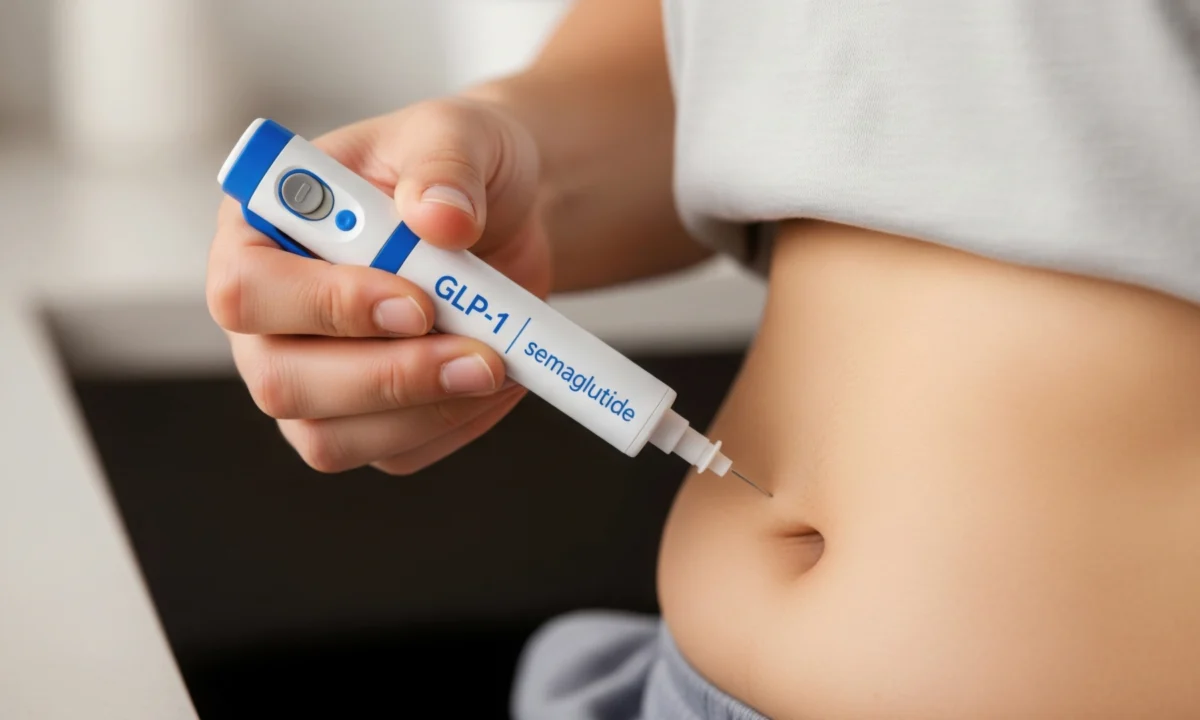
The rapid integration of glucagon-like peptide-1 (GLP-1) receptor agonists into the mainstream medical landscape has fundamentally altered the approach to chronic weight management. Drugs such as semaglutide and tirzepatide have demonstrated unprecedented efficacy in reducing body weight, often yielding results previously only achievable through bariatric surgery. However, as the initial wave of clinical success transitions into long-term maintenance, a significant challenge has emerged within the aesthetic and medical communities: the preservation of body composition and skin integrity. Dr. Marwa Ali and other leading practitioners are now highlighting the critical role of non-invasive body devices in addressing the secondary effects of rapid pharmacological weight loss, including muscle atrophy and skin laxity.
The Shift in Modern Weight Management
For decades, the aesthetic industry focused primarily on localized fat reduction through cryolipolysis or laser lipolysis. The advent of GLP-1 medications has shifted the clinical focus from "fat removal" to "volume management and structural restoration." While these medications effectively suppress appetite and improve metabolic markers, they do not discriminate between the loss of adipose tissue and the loss of lean muscle mass. Clinical data suggests that a significant percentage of weight lost via GLP-1 agonists—sometimes as high as 40%—can be attributed to lean muscle tissue. This phenomenon, often referred to in clinical circles as "sarcopenic obesity" or the "skinny-fat" phenotype, creates a demand for technologies that can rebuild structural integrity.
Chronology of the GLP-1 and Aesthetic Device Integration
The intersection of metabolic pharmacology and aesthetic technology has evolved rapidly over the last decade. To understand the current reliance on body devices, one must look at the timeline of GLP-1 development and its subsequent impact on the aesthetic market.
- 2017 – The Diabetic Foundation: The FDA approved semaglutide (Ozempic) for the treatment of type 2 diabetes. While weight loss was noted as a side effect, the primary focus remained on glycemic control.
- 2021 – The Obesity Breakthrough: The approval of Wegovy (a higher-dose semaglutide) specifically for chronic weight management triggered a global surge in demand. This marked the beginning of the "Ozempic Era," where rapid weight loss became a common clinical outcome.
- 2022-2023 – The Aesthetic Backlash: As millions achieved rapid weight loss, the "Ozempic Face" and "Ozempic Body" became viral terms. Patients reported significant skin sagging and a loss of muscle tone, leading aesthetic clinics to see a record influx of patients seeking skin tightening rather than fat melting.
- 2024-2025 – The Era of Combination Therapy: Leading clinics began formalizing "GLP-1 Support Programs." These protocols combine the medication with High-Intensity Focused Electromagnetic (HIFEM) technology and Radiofrequency (RF) devices to maintain the patient’s physical silhouette during the weight loss journey.
Supporting Data: The Impact of Rapid Weight Loss on Body Composition
The necessity of body devices is rooted in the physiological consequences of calorie deficit and rapid weight reduction. Data from the STEP (Semaglutide Treatment Effect in People) clinical trials indicated that participants lost an average of 15% of their body weight over 68 weeks. While these results are transformative, the quality of weight loss remains a concern.
Studies using Dual-Energy X-ray Absorptiometry (DEXA) scans on patients using GLP-1s have shown that without resistance training or technological intervention, the loss of skeletal muscle mass can lead to a lower basal metabolic rate (BMR). A lower BMR makes weight maintenance significantly harder once the medication is tapered or discontinued. Furthermore, the skin, which has been stretched by adipose tissue for years, often lacks the elastic recoil necessary to adapt to a rapidly shrinking frame. This leads to ptosis (sagging) in the abdomen, inner thighs, and upper arms.
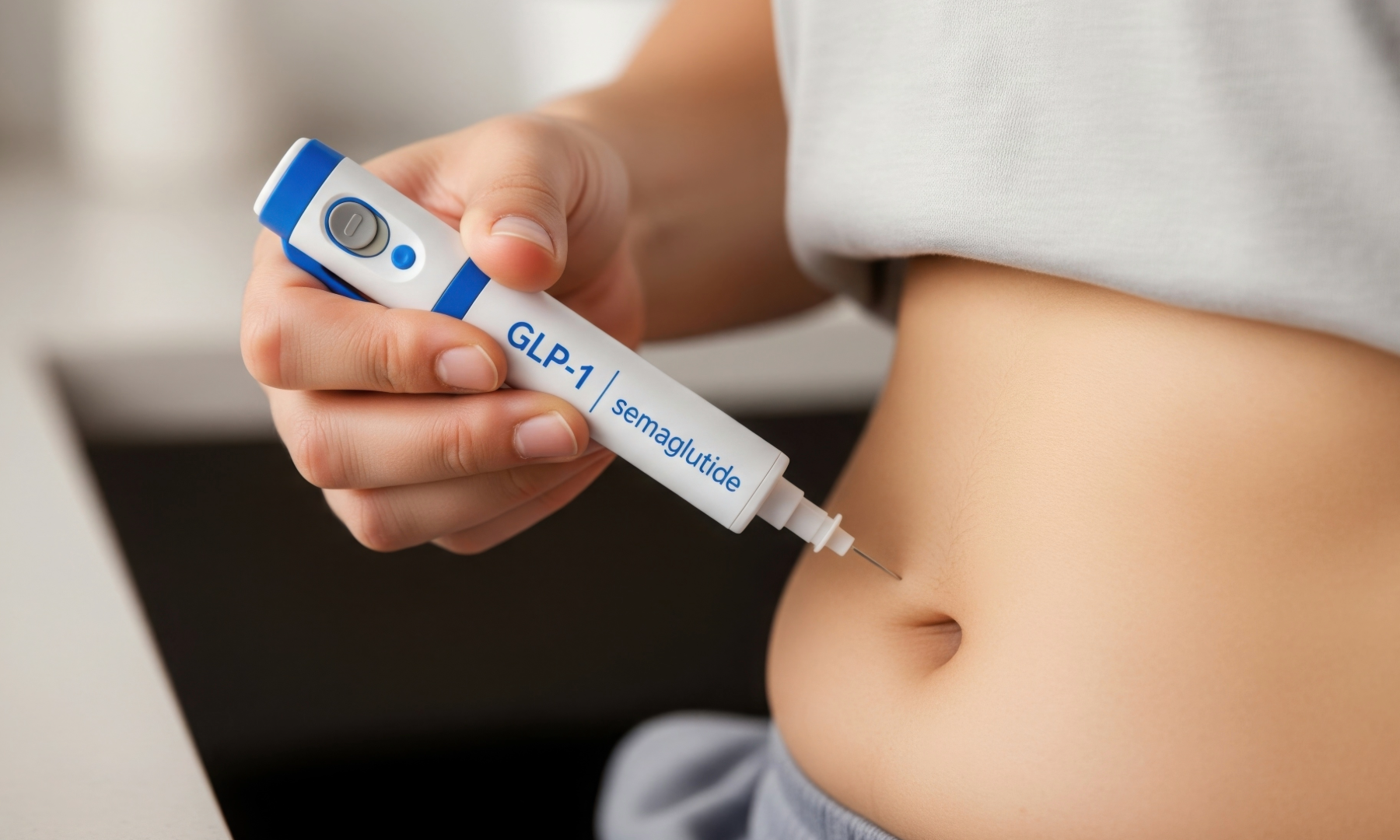
Technological Interventions: HIFEM and Radiofrequency
To counteract these biological hurdles, practitioners are increasingly utilizing a suite of devices designed to stimulate muscle growth and collagen production.
High-Intensity Focused Electromagnetic (HIFEM) Technology
Devices such as Emsculpt Neo have become cornerstones of GLP-1 maintenance programs. HIFEM technology induces supramaximal contractions—muscle contractions that cannot be achieved through voluntary exercise. These contractions trigger a deep remodeling of the muscle’s inner structure, increasing muscle density and volume. For a patient on a GLP-1 regimen, this serves as a "pharmacological insurance policy," ensuring that as the fat disappears, the underlying muscle is strengthened to maintain a metabolic engine and an aesthetic tone.
Radiofrequency (RF) and Microneedling
When fat is lost quickly, the dermal layer often becomes depleted of collagen and elastin. RF devices, such as Morpheus8 or Thermage, deliver thermal energy into the deeper layers of the skin. This heat triggers a natural wound-healing response, stimulating the production of new collagen. By tightening the "biological envelope" of the skin, these devices prevent the haggard appearance often associated with extreme weight loss.
Targeted Cryolipolysis and Ultrasound
While GLP-1s provide systemic weight loss, they cannot target specific "stubborn" areas like the submental fat (double chin) or specific hip pockets. Devices like CoolSculpting Elite or Ultherapy are used as "finishing tools" to sculpt the body into a more proportional shape that medication alone cannot achieve.
Official Responses and Clinical Perspectives
The medical community is increasingly vocal about the need for a holistic approach to GLP-1 therapy. Dr. Marwa Ali notes that the goal of weight loss should be "health-span," not just a lower number on the scale. In various aesthetic forums, practitioners have emphasized that the "medication-only" approach is often a disservice to the patient’s long-term physical structure.
Leading pharmaceutical representatives have also acknowledged that while their drugs address the metabolic drivers of obesity, the physical "restoration" of the body remains within the purview of aesthetic medicine. This has led to a symbiotic relationship between pharmaceutical companies and aesthetic device manufacturers, with both sectors recognizing that the best patient outcomes result from a combination of chemical weight loss and mechanical body contouring.

Broader Impact and Implications for the Aesthetic Industry
The rise of GLP-1s has forced an evolution in the business model of aesthetic clinics. Previously, "body contouring" was synonymous with "fat reduction." Today, it is increasingly defined by "structural maintenance."
Economic Shifts
The aesthetic device market is projected to see sustained growth as the "GLP-1 generation" enters the maintenance phase of their health journey. Clinics that once specialized in liposuction are pivoting toward non-invasive muscle toning and skin tightening. This shift is also making aesthetic treatments more accessible to a broader demographic, as these procedures are often seen as a necessary medical adjunct to weight loss rather than purely a luxury.
Long-term Health Implications
Beyond aesthetics, the use of muscle-stimulating devices has profound health implications. Maintaining muscle mass is critical for bone density, balance, and glucose metabolism. By using devices to preserve muscle while on GLP-1s, patients are less likely to suffer from the frailty often associated with rapid weight loss in older populations. This integrated approach represents a move toward "Metabolic Aesthetics," where the focus is on the intersection of metabolic health and physical appearance.
Future Outlook: The Integrated Clinic
Looking forward, the industry is moving toward a "one-stop-shop" model. Future clinics will likely house metabolic specialists who prescribe GLP-1s alongside aesthetic technicians who operate body-sculpting devices. This ensures that the patient’s journey is monitored from both an internal (hormonal/metabolic) and external (structural/aesthetic) perspective.
The data is clear: while GLP-1 receptor agonists are a powerful tool in the fight against obesity, they are not a complete solution for the human form. The integration of body devices is no longer an optional luxury but a clinical necessity for patients who wish to maintain their weight loss while preserving their strength, skin health, and overall physical vitality. As Dr. Marwa Ali’s analysis suggests, the future of weight management lies in this harmony between the pharmacy and the technology suite, ensuring that the "new self" achieved through medication is a version that is both healthy and structurally sound.