
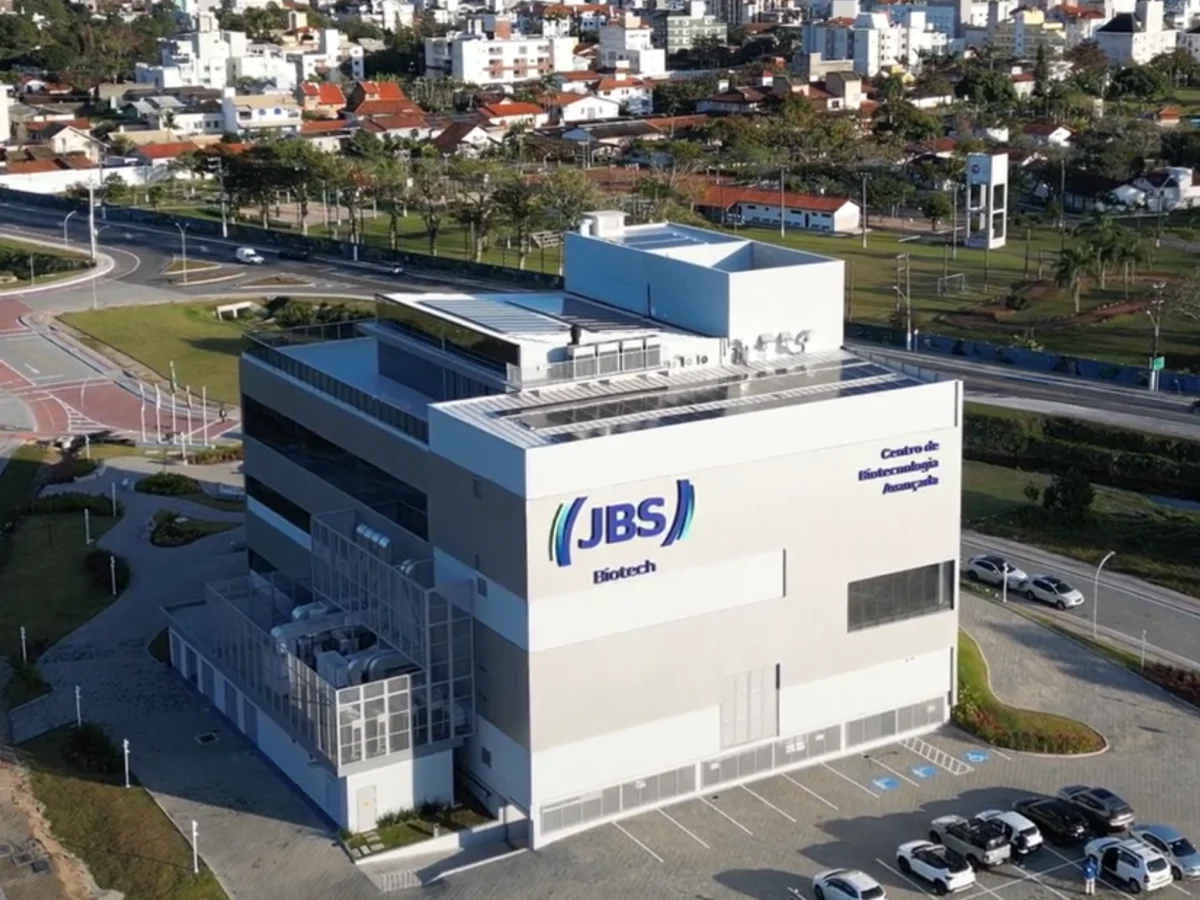
JBS, the world’s largest meat company, has unveiled a cutting-edge $37 million biotechnology center dedicated to the research and development of "superproteins," a sophisticated category encompassing microbial and cultivated proteins. This strategic investment signals a significant expansion for the global food giant into the burgeoning alternative protein and precision nutrition markets, aiming to leverage advanced science to create high-value ingredients for supplements and specialized food applications.
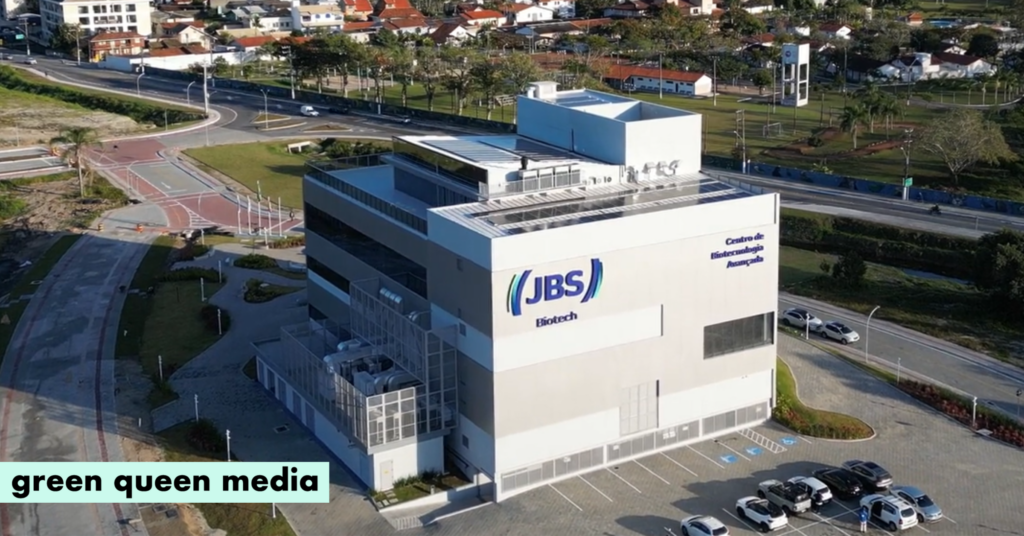
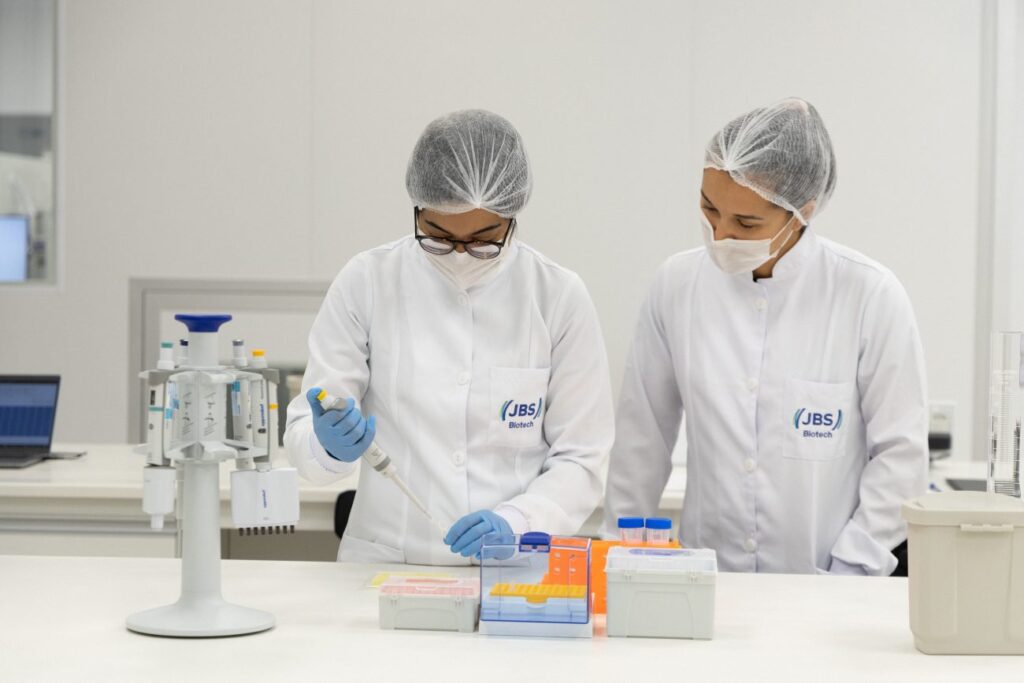
The newly inaugurated JBS Biotech facility, spanning 4,000 square meters within the Sapiens Parque innovation hub in Florianópolis, Brazil, is poised to become a nexus for developing proteins derived from animal, microbial, and plant cell cultures. Equipped with 20 highly specialized laboratories, the center will cover the entire value chain of applied food science, from foundational research to the scaling of novel protein technologies.
"JBS Biotech is capable of developing everything from functional proteins – the so-called ‘superproteins’ – to new bioactive ingredients for the supplement and food market," stated JBS CEO Gilberto Tomazoni. "More than just producing a finished product, our goal is to develop knowledge and technology, accelerate proof-of-concept projects, and pave the way for future industrial-scale applications."
This substantial investment in advanced biotechnology is an integral part of JBS’s broader strategic commitment to cultivated meat and alternative protein sources. The company’s foray into this domain was significantly bolstered by its $100 million acquisition of the Spanish food tech startup BioTech Foods. The $37 million allocated to the JBS Biotech center represents over a third of this acquisition sum, with the remainder earmarked for the construction of BioTech Foods’ pioneering cultivated protein production plant in San Sebastián, Spain, which has been recognized as the world’s largest cultivated beef factory.
A New Frontier in Protein Science and Application
The JBS Biotech facility is designed to encompass the full spectrum of technological development. This includes fundamental and applied scientific research, delving into cellular and molecular biology, alongside advanced engineering, data simulation, and rigorous validation processes. The strategic emphasis is on creating functional ingredients that can be seamlessly integrated into existing product lines or form the basis of new offerings, particularly within the supplement and precision nutrition sectors, rather than focusing solely on replicating traditional meat products.
"This initiative stems from our conviction that science, technology, and innovation are essential to ensure food security in a rapidly changing world," Tomazoni emphasized. He further elaborated on the company’s vision: "We are entering a new frontier, where it is possible to understand the potential of protein foods at the molecular level and develop solutions with nutritional and functional characteristics tailored to different consumer needs."
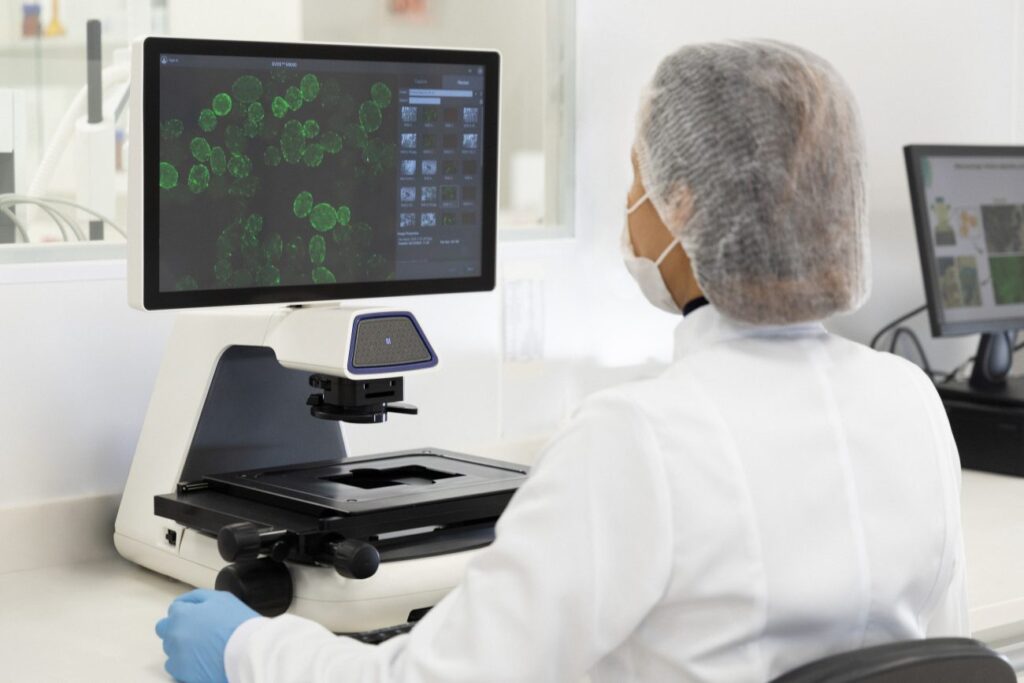
The facility’s advanced capabilities include next-generation sequencers, sophisticated molecular analysis tools, and robust omics data science platforms (genomics, proteomics, and metabolomics). This comprehensive suite of technologies, combined with the capacity for diverse cell, microbial, and plant cultures, allows JBS to explore the intricate biological pathways that define protein functionality.
A key development within the new center is the establishment of a biobank, a crucial infrastructure for the preservation and organization of biological samples. This biobank, coupled with the strategic application of scientific and technological insights, will enable JBS to maximize the value extracted from every stage of its extensive agro-industrial operations. The company aims to enhance the efficiency of conventional production methods and pioneer new technological processes, fostering both incremental improvements and disruptive innovations across its product portfolio and food system solutions.
Circular Economy and Diversification: A Strategic Imperative
Fernanda Berti, CEO of JBS Biotech, articulated the facility’s role in advancing precision nutrition. "This includes the advancement of precision nutrition, with the development of ingredients and proteins designed to modulate specific physiological responses, both in humans and animals," she explained. This personalized approach to nutrition has the potential to address a wide range of consumer needs, from supporting muscle mass development and enhancing immune function to optimizing metabolic performance.
Furthermore, JBS is actively integrating a circular economy model into its operations through the establishment of this innovation hub. The research conducted at JBS Biotech will leverage extraction and bioconversion technologies to transform co-products from conventional processes into high-value ingredients. These include functional proteins, food supplements, and bioactive compounds with applications extending beyond the food industry into pharmaceuticals, cosmetics, and medical sectors. "We are mapping what is currently treated as a byproduct to develop new industrial applications," Berti stated, underscoring the company’s commitment to resource optimization and waste reduction.
The opening of JBS Biotech represents an expansion of the company’s existing investments in biotechnology and alternative proteins. This move is particularly noteworthy given the recent trends in alternative protein funding. While venture capital investment in the alternative protein sector saw a significant decline in late 2023 and early 2024, JBS’s substantial investment highlights a strategic conviction in the long-term potential of these markets. Reports indicate that year-on-year funding for alternative proteins experienced a substantial reduction, making JBS’s commitment a bold statement of confidence.
This strategic diversification is not new for JBS. In the preceding year, the company acquired The Vegetarian Butcher from Unilever, integrating it with its existing plant-based brand, Vivera, to form The Vegetarian Butcher Collective. This acquisition bolstered JBS’s presence in the plant-based meat alternative market, demonstrating a multi-pronged approach to expanding its protein portfolio.
"Our mission is to make biotechnological knowledge tangible," Berti concluded. "We want to transform science into solutions that generate lasting value for the company and for society." This vision underscores JBS’s ambition to not only innovate within the food industry but also to contribute to broader societal goals, such as food security and sustainable resource management, through advanced scientific development.
Background and Context
The global food industry is undergoing a profound transformation, driven by increasing consumer awareness of health, environmental sustainability, and ethical considerations related to traditional animal agriculture. The demand for protein sources that are both nutritious and produced with a reduced environmental footprint has surged. This has led to significant growth in the alternative protein market, encompassing plant-based meats, cultivated (or lab-grown) meat, and microbial proteins.
JBS, as a dominant player in the conventional meat industry, has faced scrutiny regarding the environmental impact of its operations. Its strategic pivot towards alternative proteins and advanced biotechnology can be interpreted as a proactive measure to diversify its business model, mitigate reputational risks, and capture emerging market opportunities. The investment in JBS Biotech is a tangible manifestation of this strategic reorientation.
The development of cultivated meat, a core area of focus for JBS through its acquisition of BioTech Foods, involves growing animal cells in a controlled environment without the need to raise and slaughter animals. While still in its early stages of commercialization, it holds the promise of producing meat with significantly lower greenhouse gas emissions, land use, and water consumption compared to conventional methods.
Microbial proteins, another focus of the new facility, are derived from microorganisms like bacteria, yeast, or fungi. These can be produced through fermentation processes and offer a highly efficient and scalable way to generate protein-rich ingredients. They are often used in supplements, food additives, and as ingredients in processed foods.
The concept of "superproteins" as described by JBS likely refers to proteins engineered or selected for specific functional attributes, such as enhanced bioavailability, targeted delivery of nutrients, or specific physiological effects. This aligns with the growing trend of precision nutrition, which aims to tailor dietary recommendations and food products to an individual’s unique genetic makeup, metabolic profile, and health goals.
Timeline and Chronology
- Prior to 2023: JBS engages in various initiatives related to sustainability and explores opportunities in the alternative protein space.
- 2023 (or preceding period): JBS acquires Spanish food tech startup BioTech Foods for $100 million, marking a significant entry into the cultivated meat sector.
- Recent Past: JBS acquires The Vegetarian Butcher from Unilever and merges it with its Vivera brand to form The Vegetarian Butcher Collective, strengthening its plant-based portfolio.
- Present: JBS inaugurates the $37 million JBS Biotech facility in Florianópolis, Brazil, dedicated to microbial and cultivated proteins, and "superproteins" for supplements and precision nutrition. Simultaneously, the remaining funds from the BioTech Foods acquisition are earmarked for the construction of its cultivated protein plant in San Sebastián, Spain.
Analysis of Implications
JBS’s substantial investment in its new biotechnology center has several far-reaching implications for the food industry and beyond:
- Market Leadership in Alternative Proteins: By dedicating significant resources to advanced R&D in cultivated and microbial proteins, JBS is positioning itself to be a leader in the next generation of protein production. This move could accelerate the commercialization and widespread adoption of these novel food technologies.
- Impact on Traditional Meat Industry: As a major player in conventional meat, JBS’s investment in alternatives signals a strategic adaptation to evolving consumer preferences and regulatory landscapes. This could put pressure on other traditional meat companies to follow suit, potentially leading to a broader transformation of the global protein supply chain.
- Advancement of Precision Nutrition: The focus on "superproteins" tailored for specific health benefits has the potential to revolutionize the supplement and functional food markets. This could lead to more personalized and effective dietary interventions for consumers, addressing issues like aging, athletic performance, and chronic disease management.
- Economic and Technological Development: The establishment of a state-of-the-art biotech hub in Brazil is expected to foster local innovation, create high-skilled jobs, and attract further investment in the country’s biotechnology sector. It also contributes to Brazil’s broader goals of economic diversification and technological advancement.
- Sustainability and Food Security: By investing in more sustainable protein production methods, JBS is addressing global challenges related to food security and environmental impact. The development of efficient and resource-conscious protein sources is crucial for feeding a growing global population.
- Competitive Landscape: This move intensifies competition within the alternative protein sector, where numerous startups and established food companies are vying for market share. JBS’s scale and resources provide a significant advantage, potentially consolidating market power.
- Consumer Perception and Acceptance: The success of these ventures will depend not only on technological innovation but also on consumer acceptance of novel protein sources. JBS’s extensive distribution networks and marketing capabilities could play a crucial role in bridging the gap between innovation and mainstream adoption.
The commitment of a global meat giant like JBS to alternative proteins and advanced biotechnology underscores the transformative nature of the current food landscape. The company’s strategic investments signal a long-term vision that extends beyond its traditional core business, aiming to shape the future of food through scientific innovation and market leadership.