
The Pathophysiology of Seborrhea in PCOS Patients
The primary driver behind the persistent "greasy hair" reported by women with PCOS is a physiological state known as hyperandrogenism. In a healthy endocrine system, the ovaries and adrenal glands produce small amounts of androgens, often referred to as "male hormones," such as testosterone. However, in women with PCOS, the ovaries frequently produce abnormally high levels of these hormones.
According to National Health Service (NHS) clinical guidelines, this hormonal surge triggers the sebaceous glands located at the base of hair follicles. These glands are responsible for producing sebum, a natural oil intended to protect the skin and hair. When androgen levels spike, the sebaceous glands enter a state of overactivity, leading to an overproduction of sebum. On the scalp, this results in hair that appears limp, dull, and oily, often within hours of washing. This condition is not merely a cosmetic inconvenience but a direct symptom of internal chemical imbalances that require a multi-faceted management strategy.
The Role of Insulin Resistance in Dermatological Symptoms
A foundational element in the progression of PCOS symptoms is the prevalence of insulin resistance. Clinical data suggests a strong correlation between elevated insulin levels and the exacerbation of androgen production. Insulin is a hormone produced by the pancreas to regulate the body’s use of glucose. When cells become resistant to insulin, the body compensates by producing even more of the hormone to keep blood sugar levels stable.

Excess insulin in the bloodstream has a dual negative effect on women with PCOS. First, it stimulates the ovaries to produce more testosterone. Second, it reduces the levels of sex hormone-binding globulin (SHBG), a protein that normally binds to testosterone and renders it inactive. When SHBG is low, there is more "free" testosterone circulating in the system, which directly impacts the scalp’s oil production. Research published in the journal Metabolism indicates that addressing this metabolic dysfunction is essential for long-term symptom relief. Without managing insulin, topical treatments for greasy hair often provide only temporary, superficial results.
Chronology of Symptom Management and Diagnosis
The journey toward managing PCOS-related hair issues typically follows a specific chronological path, beginning with the recognition of abnormal oiliness and culminating in a comprehensive lifestyle and medical intervention.
- Initial Symptom Recognition: Patients often report a sudden change in hair texture and oil production, frequently noticing that hair becomes "unwashable" or greasy by mid-afternoon despite morning cleansing.
- Diagnostic Consultation: Upon visiting a General Practitioner or endocrinologist, blood tests are typically ordered to measure levels of testosterone, luteinizing hormone (LH), and fasting insulin. This stage is crucial for confirming that the greasy hair is a symptom of PCOS rather than an isolated dermatological issue.
- Lifestyle Modification Phase: Once diagnosed, the first line of defense usually involves dietary changes and increased physical activity to improve insulin sensitivity.
- Topical Adjustment Period: Patients transition from standard "high-street" hair products to specialized scalp-care regimens designed to manage sebum without stripping the hair of essential moisture.
- Long-term Maintenance: This involves the integration of supplements, such as Omega-3, and periodic clarifying treatments to maintain scalp health as hormones stabilize.
Dermatological Best Practices: The Science of Scalp Maintenance
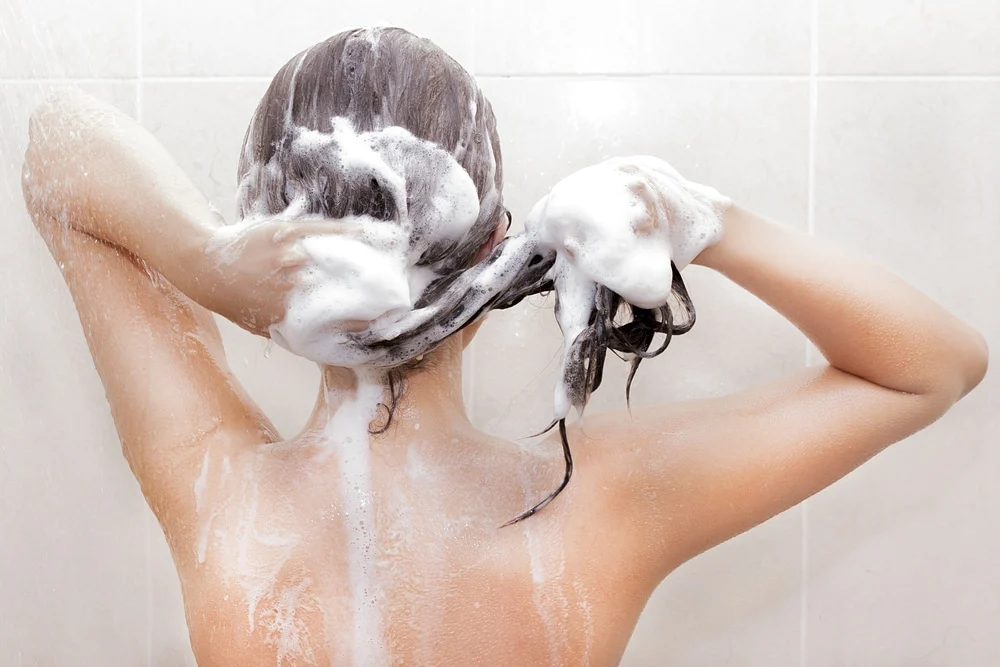
Effective management of greasy hair in PCOS requires a sophisticated understanding of hair chemistry. Many commercial shampoos contain sulfates, parabens, and silicones. While sulfates create the lather that many consumers associate with cleanliness, they can be overly aggressive. By stripping every trace of oil from the scalp, these chemicals can trigger a "rebound effect," where the already overactive sebaceous glands produce even more oil to compensate for the perceived dryness.
Dermatologists increasingly recommend that women with PCOS switch to pH-balanced, sulfate-free formulations. These products cleanse the hair without causing the irritation that leads to further oil production. Additionally, the use of clarifying shampoos—products specifically engineered to remove product buildup and heavy sebum deposits—is recommended on a bi-weekly or weekly basis. However, over-use of these potent cleansers can lead to hair shaft damage, necessitating a careful balance between deep cleaning and nourishment.

A common misconception among those suffering from greasy hair is that daily washing is the only solution. On the contrary, clinical advice often suggests gradually increasing the time between washes. This "training" of the scalp allows the natural microbiome to stabilize, eventually slowing the urgency of sebum production. During the transition, dry shampoos containing rice starch or cornstarch can be used to absorb excess oil at the roots, providing a cosmetic fix while the scalp adjusts.
Nutritional Interventions and Metabolic Regulation
Because the root cause of PCOS-related hair issues is internal, nutritional science plays a pivotal role in treatment. The "PCOS Diet" is not a weight-loss fad but a therapeutic approach to lowering insulin and androgen levels. The three primary pillars of this nutritional strategy include:
- Low Glycemic Index (GI) Carbohydrates: By consuming foods that are digested slowly, patients can prevent the sharp insulin spikes that trigger androgen production. Whole grains, legumes, and non-starchy vegetables are staples of this approach.
- Anti-Inflammatory Protocols: PCOS is often characterized by chronic low-grade inflammation. Incorporating leafy greens, berries, and fatty fish can help reduce systemic inflammation, which in turn supports hormonal balance.
- High Fiber and Protein Intake: These macronutrients are essential for stabilizing blood sugar and promoting satiety, which helps manage the weight-related symptoms of PCOS that often exacerbate hormonal imbalances.
Furthermore, the inclusion of Omega-3 fatty acids has been highlighted in several studies as a potent intervention. Omega-3s, found in fish oil or flaxseed, have been shown to lower testosterone levels and improve the quality of the hair follicle itself. By nourishing the hair from within, these fatty acids help create a more resilient hair shaft that is less susceptible to the dulling effects of excess sebum.
Broader Impact and Psychological Implications
The implications of PCOS-related hair issues extend far beyond the bathroom mirror. In a society where hair is often equated with health, youth, and femininity, the struggle with greasy, unmanageable hair can lead to significant psychological distress. Many women report feelings of social anxiety, decreased confidence, and a sense of loss of control over their physical appearance.

The "beauty standard" has historically been rigid, but the modern shift toward body positivity and medical transparency is helping to change the narrative. By framing greasy hair as a medical symptom of an endocrine disorder—rather than a failure of personal hygiene—healthcare advocates are working to reduce the stigma associated with the condition.
From a public health perspective, the management of these symptoms is a gateway to addressing more serious long-term risks. Women who struggle with PCOS-related oiliness are often the same individuals at higher risk for Type 2 diabetes and cardiovascular disease due to insulin resistance. Therefore, the motivation to "fix" greasy hair often leads women to adopt life-saving metabolic habits, such as regular exercise and sugar regulation.
Analysis of Long-term Outcomes
The outlook for managing greasy hair associated with PCOS is generally positive, provided the patient adopts a holistic approach. While topical products like dry shampoo and clarifying cleansers offer immediate relief, they do not address the underlying hyperandrogenism. The most successful outcomes are observed in patients who combine medical oversight with consistent lifestyle changes.
Data suggests that as insulin sensitivity improves through diet and activity, the "grease cycle" slows down. Weight management, even a modest 5% to 10% reduction in body weight, has been shown in clinical trials to significantly restore regular ovulation and reduce androgen levels, which directly translates to a healthier scalp.

In conclusion, the management of greasy hair in the context of PCOS is a complex but manageable challenge. It requires a move away from aggressive, chemical-heavy cleaning routines toward a more nurturing, science-based approach that prioritizes hormonal health. By understanding the link between insulin, androgens, and the sebaceous glands, women can regain control over their "crowning glory" and, more importantly, their overall metabolic well-being. The integration of proper scalp care, nutritional discipline, and medical guidance remains the gold standard for those seeking to overcome the dermatological hurdles of Polycystic Ovary Syndrome.