
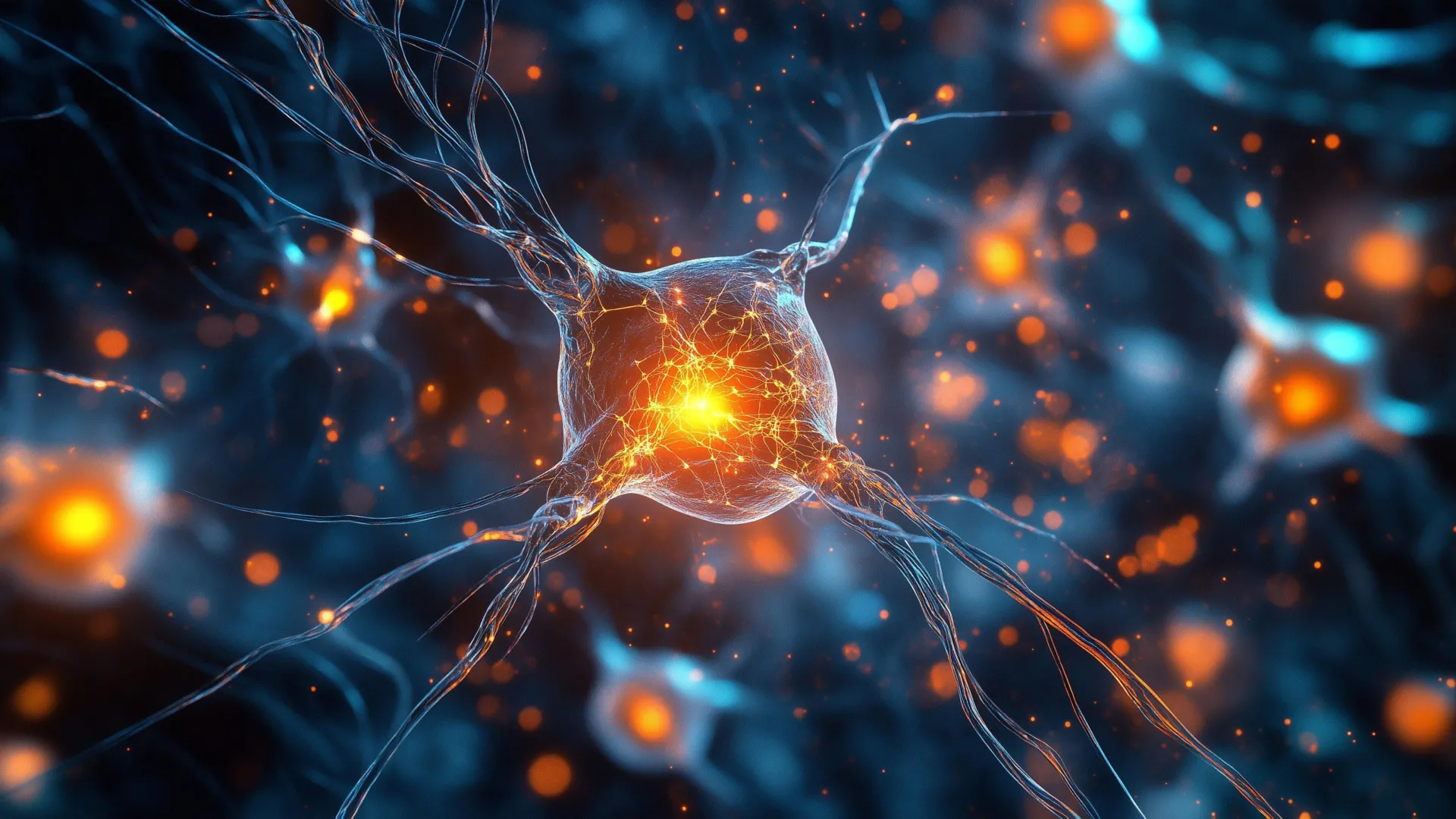
Parkinson’s disease, a persistent and progressively debilitating neurological disorder, currently affects more than one million individuals across the United States, with approximately 90,000 new diagnoses occurring annually. While existing medications and therapeutic interventions can provide symptomatic relief, none have yet demonstrated the ability to halt or reverse the underlying disease progression. This relentless neurodegenerative condition is intrinsically linked to a significant decline in dopamine levels within the brain. Dopamine, a vital neurotransmitter, plays a pivotal role in orchestrating voluntary movement, but also underpins critical functions such as memory, mood regulation, and a host of other essential cognitive and physiological processes. As the brain cells responsible for dopamine production gradually perish, the brain’s capacity to effectively regulate motor function erodes, leading to the characteristic symptoms of Parkinson’s, including tremors, muscle rigidity, and a marked slowness of movement.
In a significant development poised to potentially alter the landscape of Parkinson’s treatment, researchers at Keck Medicine of USC are actively evaluating a novel therapeutic strategy designed to directly confront this pervasive dopamine deficit. In an early-stage clinical trial, a meticulously engineered form of stem cell is being surgically implanted into the brains of patients. These specialized cells are engineered with the explicit purpose of replacing damaged neurons and thereby re-establishing the brain’s intrinsic capacity to generate dopamine.
"Our hypothesis is that by enabling the brain to once again produce normal levels of dopamine, we can potentially slow the advancement of Parkinson’s disease and facilitate the restoration of motor function," stated Dr. Brian Lee, MD, PhD, a neurosurgeon at Keck Medicine and the principal investigator overseeing this pioneering study. This initiative represents a significant departure from previous therapeutic approaches, aiming for a restorative rather than purely palliative effect.
Reprogrammed Stem Cells: A New Frontier in Dopamine Replacement
The core of this innovative treatment lies in the utilization of induced pluripotent stem cells (iPSCs). This advanced category of laboratory-created stem cells distinguishes itself from embryonic stem cells by being derived from adult somatic cells – such as skin or blood cells – that have undergone a sophisticated reprogramming process. This process effectively reverts the cells to a highly versatile, pluripotent state, endowing them with the remarkable ability to differentiate into virtually any cell type within the body.
"We are optimistic that these iPSCs possess the inherent capability to reliably mature into dopamine-producing neurons," explained Dr. Xenos Mason, MD, a neurologist specializing in Parkinson’s disease and other movement disorders at Keck Medicine and a co-principal investigator of the study. "This approach offers what we believe to be the most promising avenue for reigniting the brain’s natural dopamine production mechanisms." The development of iPSCs, a Nobel Prize-winning scientific achievement, has opened unprecedented avenues for regenerative medicine, offering a more ethically accessible and adaptable source of pluripotent cells compared to embryonic stem cells.
The journey of iPSCs from laboratory innovation to potential clinical application in Parkinson’s disease has been a gradual but persistent one. Early research in animal models demonstrated the feasibility of transplanting dopamine-producing cells derived from stem cells, showing improvements in motor deficits. However, challenges remained in ensuring the cells’ survival, integration, and long-term dopamine production in a human brain environment. The current trial by Keck Medicine represents a critical step forward in addressing these challenges, focusing on the specific engineering of iPSCs to optimize their therapeutic potential for Parkinson’s patients.
The Surgical Implantation Procedure and Rigorous Long-Term Monitoring
The delivery of these specially engineered stem cells to the affected brain regions is a meticulously planned surgical procedure. Dr. Lee creates a small, precise opening in the patient’s skull, providing access to the brain. Employing advanced magnetic resonance imaging (MRI) for real-time guidance, he then carefully and accurately places the stem cells within the basal ganglia, a complex network of subcortical brain structures critically involved in the planning and execution of voluntary movement. The precision of this implantation is paramount to ensure the cells reach their intended target and integrate effectively into the existing neural circuitry.
Following the surgical intervention, participants in the clinical trial undergo an intensive period of observation lasting approximately 12 to 15 months. This comprehensive monitoring phase is designed to meticulously track any changes in the patients’ Parkinson’s symptoms, as well as to vigilantly watch for the emergence of any potential adverse effects. These could include dyskinesia, characterized by involuntary and often writhing movements, or the development of infections. The researchers’ commitment to understanding the long-term impact of this therapy extends further, with plans to continue following patients and monitoring their condition for up to five years post-implantation. This extended follow-up is crucial for assessing the durability of the therapeutic effect and identifying any late-onset complications.
"Our overarching objective is to establish a groundbreaking technique that can effectively repair patients’ motor function and, in doing so, significantly enhance their overall quality of life," Dr. Lee articulated. This aspiration underscores the profound human impact that successful advancements in Parkinson’s treatment could achieve, offering renewed independence and well-being to those affected by this challenging disease.
A Collaborative Effort and Regulatory Fast Track
Keck Medicine of USC is one of three esteemed medical institutions in the United States participating in this pivotal clinical trial. The multisite nature of this research is designed to accelerate the accumulation of data and increase the generalizability of findings. The trial is currently enrolling a cohort of 12 individuals diagnosed with moderate to moderate-severe Parkinson’s disease, representing a crucial stage in the disease where intervention could have a substantial impact on functional capacity.
The stem cell therapy, identified by the designation RNDP-001, is being developed by Kenai Therapeutics, a biotechnology firm dedicated to advancing novel treatments for neurological disorders. The U.S. Food and Drug Administration (FDA) has recognized the potential significance of this therapeutic approach by granting the clinical trial, known as Phase 1 REPLACE, fast-track designation. This designation is a procedural pathway designed to expedite the development and review process for drugs and therapies intended to treat serious conditions and that demonstrate the potential to address unmet medical needs. This regulatory encouragement signals a promising outlook for the swift progression of RNDP-001 towards broader clinical availability, should it prove safe and effective.
The Broader Implications and Future Outlook
The implications of a successful stem cell therapy for Parkinson’s disease are far-reaching. Beyond the direct benefits to patients, it could pave the way for similar regenerative approaches to other neurodegenerative conditions characterized by neuronal loss, such as Alzheimer’s disease, Huntington’s disease, and certain forms of stroke-related brain damage. The ability to replenish lost neurons and restore lost function would represent a paradigm shift in the management of these devastating illnesses.
The development and testing of RNDP-001 are built upon decades of scientific inquiry into the underlying mechanisms of Parkinson’s disease and the potential of stem cell biology. Early breakthroughs in understanding the role of dopamine and the specific vulnerability of dopaminergic neurons were critical. Subsequently, advancements in stem cell technology, particularly the development of iPSCs, provided the tools to create patient-specific or highly compatible cell therapies. This current trial is a culmination of this scientific progression, moving from foundational research to clinical validation.
While the initial focus is on motor symptoms, researchers are also keenly interested in the potential impact of dopamine restoration on the non-motor symptoms of Parkinson’s disease, which can include depression, anxiety, sleep disturbances, and cognitive impairment. If these iPSCs can effectively restore dopamine levels throughout the brain, they may offer benefits in these often-overlooked but highly impactful aspects of the disease.
However, it is crucial to acknowledge that this is an early-phase clinical trial. The primary objectives at this stage are to assess the safety of the procedure and the transplanted cells, and to gather preliminary data on their efficacy. Further trials, likely involving larger patient cohorts and longer follow-up periods, will be necessary to definitively establish the therapy’s long-term safety and its ability to provide sustained clinical benefit. The scientific community will be closely watching the progress of this trial, hopeful that it marks a significant turning point in the quest for a truly disease-modifying treatment for Parkinson’s disease. The successful outcome of such a therapy would not only alleviate suffering but also represent a triumph of scientific innovation and a testament to the enduring pursuit of hope for millions affected by neurological disorders.
Disclosure: Dr. Mason has received an honorarium payment from Kenai Therapeutics in the past. This disclosure is important for transparency and to allow readers to assess potential conflicts of interest.