
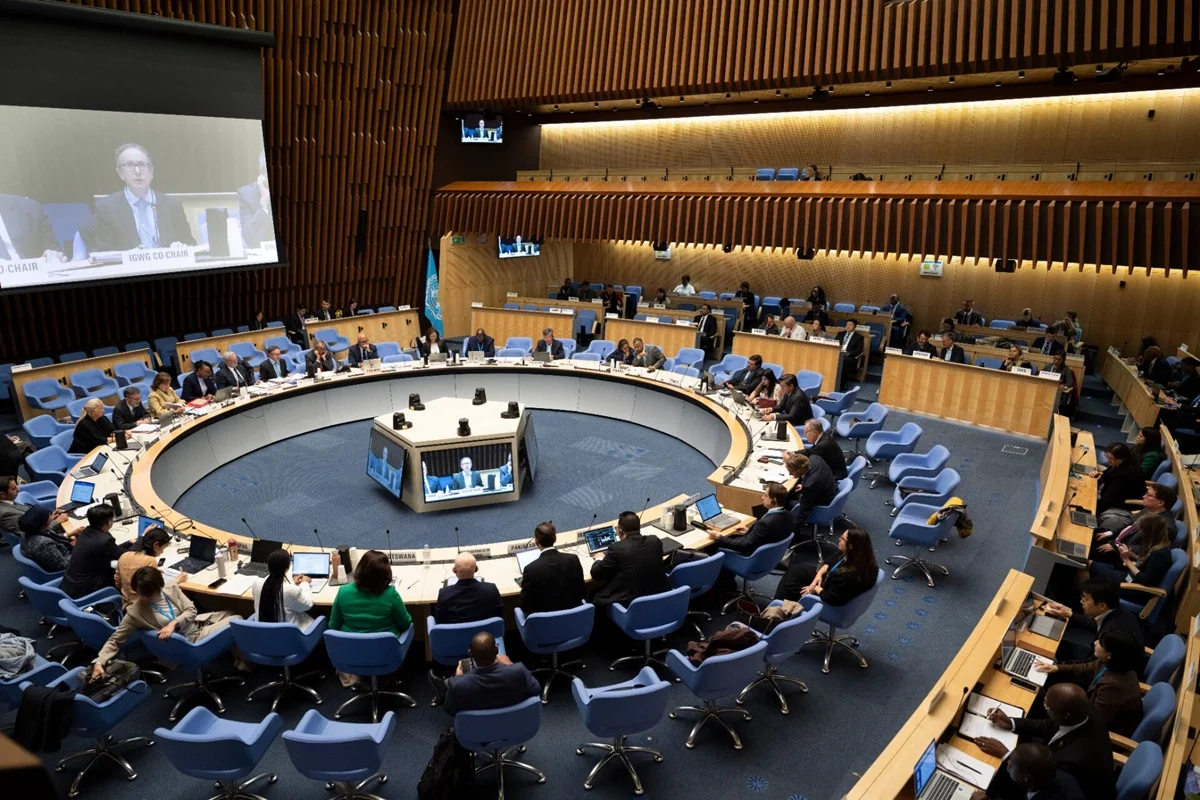
Member States of the World Health Organization (WHO) have concluded a pivotal weeklong round of negotiations focused on the draft annex for Pathogen Access and Benefit Sharing (PABS), a foundational pillar of the broader WHO Pandemic Agreement. The fifth meeting of the Intergovernmental Working Group (IGWG), convened in Geneva from February 9 to 14, 2026, marked a significant step forward in refining the legal and technical frameworks intended to govern how the world shares biological data and the resulting medical countermeasures during future health emergencies.
The IGWG was established by the World Health Assembly (WHA) last year with the specific mandate to finalize the PABS annex, a task that has become the focal point of international health diplomacy. As the world moves further away from the immediate crisis of the COVID-19 pandemic, the urgency to codify these lessons into a legally binding international instrument remains high. The recent session concluded with what officials described as a "clear vision" for streamlining the complex text, though several contentious issues regarding intellectual property and equitable distribution remain on the table.
The Core Mandate: Balancing Rapid Access with Equitable Sharing
The PABS system is designed to address a critical vulnerability exposed during the COVID-19 pandemic: the disconnect between the rapid sharing of pathogen information and the equitable distribution of the vaccines, diagnostics, and therapeutics derived from that information. Under the proposed framework, countries are expected to rapidly detect pathogens with pandemic potential and share their genetic sequence information (GSI) and physical materials through a coordinated global network.
This transparency is essential for the scientific community to accelerate the development of life-saving tools. However, the "Benefit Sharing" component of the annex seeks to ensure that this cooperation is not a one-way street. It proposes a system where, in exchange for providing access to pathogen data, Member States—particularly those in the Global South—receive guaranteed, timely, and affordable access to the benefits arising from that data. This includes a proposed "set-aside" of a percentage of production for global distribution during emergencies, as well as technology transfer initiatives to bolster regional manufacturing capabilities.
Ambassador Tovar da Silva Nunes of Brazil, co-chair of the IGWG Bureau, emphasized the dedication of the participating delegations. "Countries this week have again shown their steadfast commitment to getting the Pathogen Access and Benefit Sharing annex done," he stated following the conclusion of the session. "We now have a clear vision for streamlining the text, while ensuring that the more contentious elements receive the necessary consultation."
A Chronology of Global Health Reform
The path to the PABS annex has been a multi-year journey, born out of the "vaccine nationalism" and supply chain collapses of 2020-2022. The timeline of this diplomatic effort highlights the complexity of reaching a global consensus on health security:
- December 2021: The World Health Assembly held a rare Special Session, where Member States agreed to establish an Intergovernmental Negotiating Body (INB) to draft and negotiate a WHO convention, agreement, or other international instrument on pandemic prevention, preparedness, and response.
- 2022–2024: Multiple rounds of INB negotiations took place, characterized by intense debate between high-income nations with large pharmaceutical sectors and developing nations seeking "equity" as a legally binding requirement rather than a charitable gesture.
- May 2025: The World Health Assembly formally adopted the main text of the WHO Pandemic Agreement. While the overarching framework was approved, specific technical details—most notably the PABS annex—were deferred to a specialized working group (the IGWG) to ensure comprehensive technical vetting.
- February 2026: The fifth meeting of the IGWG concludes, narrowing the gaps in the PABS text and setting the stage for the final push toward the May 2026 deadline.
Supporting Data: The Economic and Human Cost of Inequity
The drive for a formalized PABS system is supported by sobering data from the COVID-19 era. According to studies published in The Lancet and reports from the World Bank, the lack of a coordinated sharing and distribution system led to significant disparities. In early 2022, while some high-income countries were administering fourth doses of vaccines, less than 15% of the population in low-income countries had received a single dose.
Furthermore, the International Monetary Fund (IMF) estimated that the COVID-19 pandemic cost the global economy over $12.5 trillion through 2024. Proponents of the PABS annex argue that a structured system for pathogen sharing could reduce the time to develop and distribute vaccines by several months, potentially saving millions of lives and trillions of dollars in future outbreaks. The "Benefit Sharing" aspect specifically targets the "10/20" proposal—a concept where 10% of pandemic-related products are donated to the WHO and another 10% are provided at non-profit prices.
Official Responses and Stakeholder Engagement
The negotiations in Geneva were not limited to government officials. The IGWG engaged in extensive dialogues with the private sector, academic institutions, and representatives from global laboratory networks and sequence databases. This inclusive approach is intended to ensure that the final annex is "fit for purpose" and does not inadvertently stifle innovation or slow down the very research it seeks to promote.
Mr. Matthew Harpur of the United Kingdom, co-chair of the IGWG Bureau, acknowledged the gravity of the remaining work. "As we conclude the fifth meeting of the Intergovernmental Working Group, I want to thank delegations for their serious and constructive engagement. It is clear that important differences remain, but there is a shared recognition of what is at stake," Harpur said. He warned that with the May deadline approaching, the coming weeks would be "critical in bridging the remaining gaps."
The pharmaceutical industry, represented by groups such as the International Federation of Pharmaceutical Manufacturers & Associations (IFPMA), has expressed concerns regarding the potential impact of mandatory benefit-sharing on intellectual property rights. Conversely, civil society organizations and advocates for the Global South have argued that without legally binding commitments to share technology and products, the agreement will fail to prevent a repeat of the COVID-19 inequities.
WHO Director-General Dr. Tedros Adhanom Ghebreyesus has remained a vocal advocate for the "spirit of multilateralism." Reflecting on the week’s progress, he stated, "Adopting the Pandemic Agreement last year was a huge testament to global cooperation, and we need to build on that momentum. Strong multilateralism remains essential as countries have to face future pandemics together, collectively." Dr. Tedros expressed confidence that an agreement on the PABS annex would be reached in time for the 79th World Health Assembly in May 2026.
Broader Impact and Implications for Global Health Security
The successful finalization of the PABS annex would represent a landmark shift in international law. Traditionally, the sharing of biological materials was governed by a patchwork of voluntary agreements and the Nagoya Protocol, which focuses more on biodiversity and conservation than on public health emergencies. A dedicated PABS system under the WHO would create a "specialized international instrument" tailored for the rapid-response needs of a pandemic.
If implemented as envisioned, the PABS system would establish:
- A Global Network of Laboratories: Standardizing how pathogens are collected, characterized, and shared.
- Digital Sequence Information (DSI) Governance: Clarifying the rules for using genetic data that is uploaded to open-access or semi-open databases.
- Standard Material Transfer Agreements (SMTAs): Creating pre-negotiated contracts that trigger benefit-sharing obligations as soon as a company or institution uses a shared pathogen for commercial development.
The implications extend beyond vaccines. The annex also covers diagnostic reagents and therapeutic antibodies, ensuring that the entire "medical countermeasure" ecosystem is included in the equity framework. For developing nations, this represents a move toward "health sovereignty," where participation in global surveillance is met with the security of supply.
The Road to May
As the IGWG prepares to resume negotiations next month, the pressure is mounting. The "contentious elements" mentioned by Ambassador Nunes likely include the specific percentages of product set-asides and the legal triggers for "benefit sharing." Some Member States are pushing for a "peace-time" benefit-sharing model that includes capacity building and laboratory strengthening, while others want the focus to remain strictly on emergency response.
The outcome of these negotiations will be presented to the World Health Assembly in May 2026. If the PABS annex is adopted, it will complete the legal architecture of the Pandemic Agreement, transforming it from a statement of intent into a functional tool for global survival. The stakes are high; as Dr. Tedros and the co-chairs have noted, the world’s ability to respond to the next "Disease X" depends largely on the compromises made in these final months of negotiation.
The international community now looks toward the March session, where the "streamlined" text will undergo its most rigorous testing yet. The goal remains a fair, effective, and transparent system that ensures when the next pathogen emerges, the world’s response is defined by science and solidarity rather than wealth and geography.