
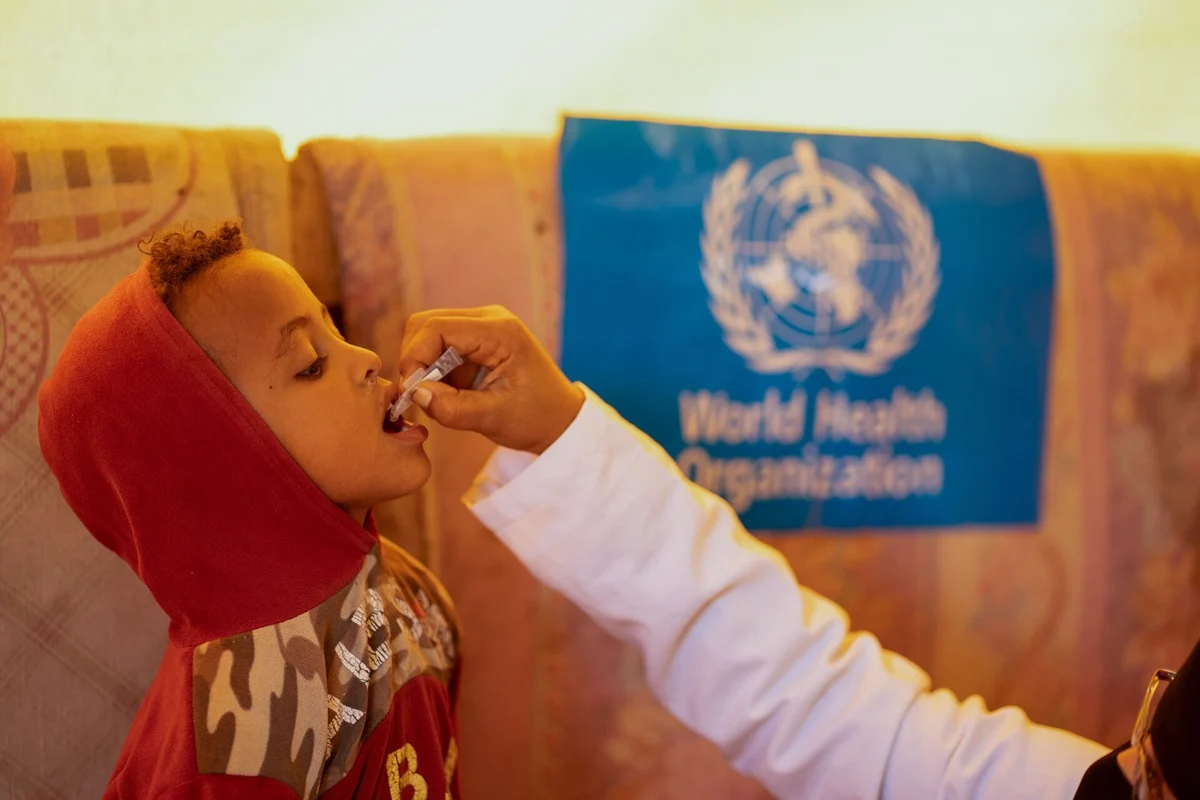
Global health authorities have confirmed that the international supply of oral cholera vaccines has reached a critical threshold, allowing for the immediate resumption of large-scale preventive vaccination campaigns for the first time in more than three years. This major shift in the global health landscape was announced in a joint communique by Gavi, the Vaccine Alliance, the United Nations Children’s Fund (UNICEF), and the World Health Organization (WHO), signaling a transition from a reactive "emergency-only" posture back toward proactive disease prevention.
Mozambique has been designated as the first nation to restart these preventive efforts. The country’s vaccination drive marks a pivotal moment in the fight against a disease that has seen a dramatic resurgence globally since 2021. The decision to halt preventive campaigns in 2022 was a direct consequence of a global supply-demand mismatch, where a surge in outbreaks forced health agencies to ration limited stocks, prioritizing active outbreak response over long-term prevention.
The resumption comes at a time of acute vulnerability for Mozambique. The nation is currently grappling with the aftermath of devastating floods that impacted more than 700,000 people and caused widespread displacement. These environmental disasters have compromised health infrastructure and contaminated water systems, creating the ideal conditions for the transmission of Vibrio cholerae, the bacterium responsible for the disease. By deploying vaccines now, health officials aim to create a "firebreak" of immunity before the current localized cases escalate into a national catastrophe.
The Global Cholera Crisis: A Three-Year Chronology of Shortages
The path to this resumption has been fraught with logistical and epidemiological challenges. In late 2022, the International Coordinating Group (ICG) on Vaccine Provision—the body that manages the global emergency stockpile—was forced to make the unprecedented decision to temporarily suspend the standard two-dose vaccination regimen in favor of a single-dose strategy. This move was a desperate attempt to stretch a dwindling supply of the Oral Cholera Vaccine (OCV) as multiple large-scale outbreaks occurred simultaneously across Africa, the Middle East, and parts of the Americas.
Between 2021 and 2024, the world witnessed an alarming trend: while many infectious diseases were being brought under control post-pandemic, cholera cases surged. In 2023 alone, more than 600,000 cases and approximately 7,600 deaths were reported to the WHO from 33 countries. Experts warn that these figures are likely significant underestimates due to the stigma associated with the disease and the limited surveillance capabilities in the conflict-affected and impoverished regions where cholera typically thrives.
The shortage was exacerbated by the exit of major manufacturers from the OCV market, leaving a vacuum that took years to fill. During this period, global health agencies were locked in a cycle of "firefighting," where vaccines were shipped to regions only after deaths had begun to mount. The restoration of preventive campaigns represents a move toward "breaking the cycle," as described by WHO Director-General Dr. Tedros Adhanom Ghebreyesus.
Manufacturing Breakthroughs and the Role of EUBiologics
The primary driver behind the stabilization of the vaccine market has been the significant expansion of production capacity by EUBiologics. Currently the only manufacturer capable of producing the vaccine at the scale required for mass international campaigns, the South Korean company has worked closely with global health partners to streamline production processes.
According to data released by Gavi, the annual global supply of OCV has effectively doubled in a short window. In 2022, the world had access to roughly 35 million doses. By 2025, that figure is projected to reach nearly 70 million doses. This increase is the result of multi-year investments in manufacturing infrastructure and the development of simplified vaccine formulations that are faster and cheaper to produce without sacrificing safety or efficacy.
"Global vaccine shortages forced us into a cycle of reacting to cholera outbreaks instead of preventing them," stated Dr. Tedros Adhanom Ghebreyesus. While praising EUBiologics for its pivotal role, the WHO chief also issued a call to action for other pharmaceutical entities to enter the market. The current reliance on a single primary manufacturer remains a point of concern for global health security, as any disruption at a single facility could once again jeopardize the global supply.
Allocation Strategy: Prioritizing High-Risk Zones
The deployment of the current 20-million-dose allocation is being managed with surgical precision. The Global Task Force for Cholera Control (GTFCC), a partnership of over 50 organizations, has established a rigorous framework to ensure that these precious resources are distributed equitably and transparently. The allocation is based on data-driven criteria that evaluate the risk of transmission, the potential for high mortality, and the readiness of national health systems to implement a campaign.
The current 20-million-dose rollout is distributed as follows:
- Mozambique: 3.6 million doses to address the immediate threat posed by post-flood water contamination.
- Democratic Republic of the Congo (DRC): 6.1 million doses to combat one of the world’s most persistent and complex cholera environments.
- Bangladesh: 10.3 million doses, targeting high-density urban areas and refugee settlements where sanitation infrastructure is under immense pressure.
These doses are financed by Gavi and procured through UNICEF’s global supply chain network. The logistics involve maintaining a strict cold chain to ensure vaccine viability from the factory to the most remote villages in the DRC and the flood-affected districts of Mozambique.
Clinical Efficacy and the Standard of Care
The Oral Cholera Vaccine is a cornerstone of modern public health. Safe for individuals over the age of one, the vaccine is administered orally, making it much easier to deploy in mass campaigns than injectable vaccines.
The clinical profile of the OCV is well-documented:
- Single Dose: Provides short-term protection for at least six months. This remains the standard for rapid outbreak response where the goal is to stop immediate transmission.
- Two Doses: When administered weeks apart, the two-dose regimen provides robust protection for up to three years.
The resumption of preventive campaigns means that countries can now aim for the two-dose "gold standard," providing communities with multi-year immunity. However, the WHO has clarified that for the time being, the one-dose strategy will remain the standard for active outbreak responses to ensure that as many people as possible receive some level of protection during a crisis. The use of a second dose in preventive settings will be evaluated on a case-by-case basis depending on supply fluidity.
Beyond the Vaccine: The Need for Infrastructure
While the increase in vaccine supply is a milestone, leaders from UNICEF and Gavi have been quick to emphasize that vaccination is not a standalone solution. Cholera is fundamentally a disease of inequality, thriving where safe water and basic sanitation are absent.
Catherine Russell, UNICEF Executive Director, highlighted that while vaccines stop the disease in its tracks, they do not address the root causes. "Resuming preventive cholera vaccination will protect children and help stop this highly contagious disease," Russell said. "But it must go hand in hand with other efforts, including better access to safe water and basic sanitation."
The long-term strategy for cholera elimination, as outlined by the GTFCC’s "Ending Cholera: A Global Roadmap to 2030," relies on a multi-sectoral approach. This includes:
- WASH (Water, Sanitation, and Hygiene): Sustainable investment in piped water systems and latrines.
- Surveillance: Early detection of cases to prevent localized clusters from becoming epidemics.
- Treatment: Strengthening oral rehydration centers and hospitals to ensure that even if someone contracts cholera, it is not a death sentence.
- Community Engagement: Educating populations on hygiene practices to reduce the rate of transmission.
Leadership Perspectives and Future Implications
The global health community views this supply increase as a hard-won victory for multilateralism. Dr. Sania Nishtar, CEO of Gavi, noted that the unprecedented demand of the last three years served as a "stark reminder" that vaccine supply is a global public good. She emphasized that the world cannot afford to return to the complacency that saw OCV production stall in the previous decade.
Dr. Ilesh Jani, chair of the Steering Committee of the GTFCC, reinforced the idea that preventive vaccination "buys critical time." By shielding communities with vaccines, governments can focus on the much more difficult and expensive task of building permanent water and sewage infrastructure.
The implications of this supply surge extend beyond cholera. It serves as a case study in how public-private partnerships—involving UN agencies, donor governments like those supporting Gavi, and private manufacturers—can stabilize a failing market. However, the fact remains that cholera deaths have continued to rise even as case numbers showed a slight decline in 2025. This discrepancy suggests that the disease is hitting more vulnerable populations with less access to healthcare, making the preventive campaigns in Mozambique, the DRC, and Bangladesh even more critical.
As the 3.6 million doses arrive in Mozambique, the focus shifts to the local health workers who must navigate flood-damaged roads and displaced communities to deliver the "life-saving drops." The success of these campaigns will be measured not just in the number of vials used, but in the number of outbreaks that never happen, and the lives that are quietly saved through the simple power of prevention.
The international community now looks toward 2025 with a cautious optimism. With the goal of 70 million doses on the horizon, the focus remains on ensuring that no child dies from a disease that costs only a few dollars to prevent and even less to treat. The resumption of these campaigns is a significant step toward the "Global Roadmap" goal of reducing cholera deaths by 90% by the end of the decade.