
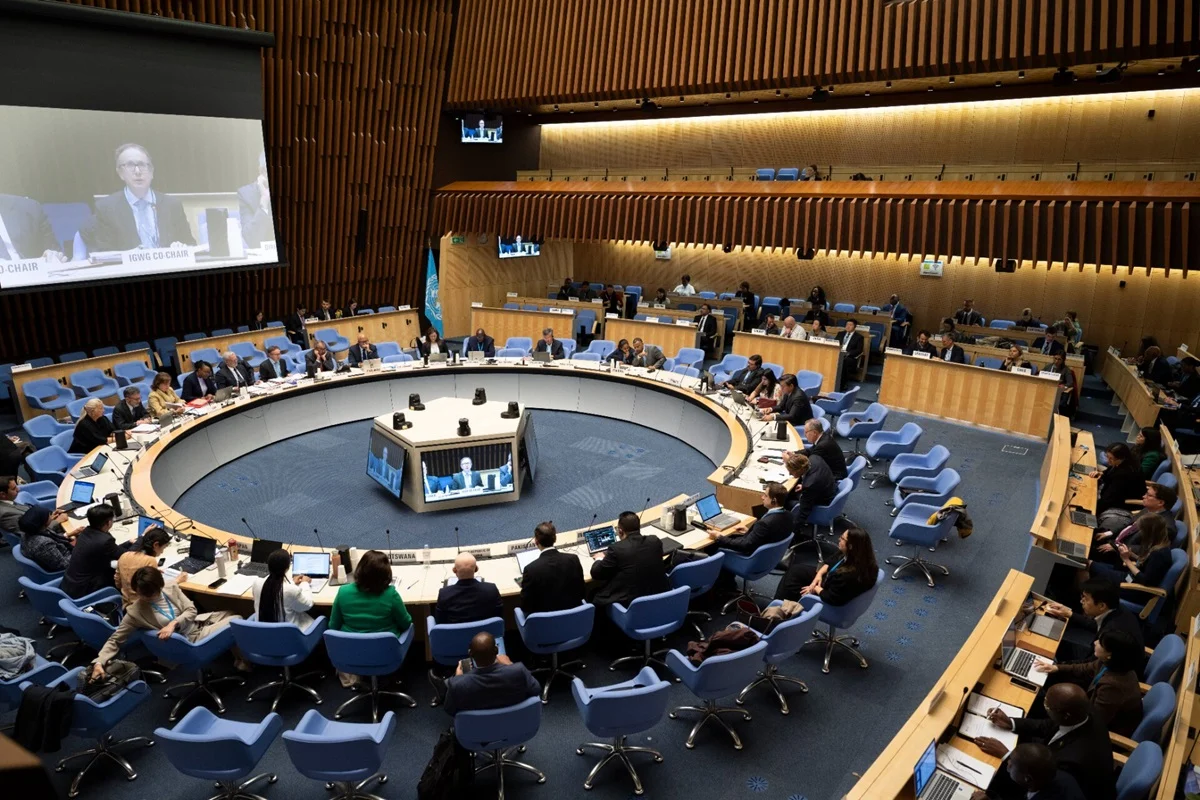
Member States of the World Health Organization (WHO) have concluded a pivotal weeklong round of negotiations focused on the draft annex for Pathogen Access and Benefit Sharing (PABS), a cornerstone of the broader WHO Pandemic Agreement. This fifth meeting of the Intergovernmental Working Group on the WHO Pandemic Agreement (IGWG), held from February 9 to 14, 2026, represents a critical juncture in the international community’s effort to overhaul global health security. The session in Geneva saw delegates from 194 nations working to reconcile divergent views on how biological materials and genetic data should be shared during health emergencies, alongside the equitable distribution of the medical countermeasures derived from them.
The PABS system is designed to rectify the systemic failures observed during the COVID-19 pandemic, where the rapid sharing of viral data did not always result in the equitable distribution of life-saving tools. By facilitating the timely exchange of pathogen materials and genetic sequence data (GSD), the framework aims to empower the global scientific community to accelerate the development of diagnostic tests, therapeutics, and vaccines. Central to the negotiations is the principle that access to these pathogens must be linked on an equal footing to the fair and equitable sharing of benefits, ensuring that low- and middle-income countries are not sidelined during future outbreaks.
The PABS Framework: Objectives and Core Mechanisms
At its heart, the PABS system functions as a "grand bargain" in international health law. Under the proposed annex, countries agree to provide rapid access to samples of pathogens with pandemic potential. In exchange, the manufacturers of vaccines and treatments who utilize this data would be required to contribute back to the global health system. This contribution often takes the form of a percentage of their production—potentially 10% to 20%—to be provided to the WHO at affordable prices or as donations for distribution to vulnerable populations.
The framework addresses two distinct but related streams of information: physical biological materials (actual samples of a virus or bacteria) and Digital Sequence Information (DSI) or Genetic Sequence Data (GSD). During the February negotiations, a significant portion of the discussion focused on how to track the use of GSD in commercial research. Because modern vaccine technology, such as mRNA platforms, can be developed using only the digital code of a virus without needing a physical sample, ensuring that "benefit sharing" applies to digital data has become a high-priority issue for developing nations.
Chronology of the Pandemic Agreement Negotiations
The journey toward the PABS annex began in the wake of the devastating global impact of COVID-19, which exposed deep fractures in multilateral cooperation.
- December 2021: The World Health Assembly (WHA) held a rare Special Session where Member States agreed to establish an Intergovernmental Negotiating Body (INB) to draft and negotiate a WHO convention, agreement, or other international instrument on pandemic prevention, preparedness, and response.
- 2022–2024: Multiple rounds of negotiations took place to define the broad strokes of the Pandemic Agreement. While many articles reached a consensus, the specific technicalities of pathogen sharing remained contentious.
- May 2025: The World Health Assembly formally adopted the core Pandemic Agreement but mandated the creation of the IGWG to finalize the technical annexes, specifically the PABS system, by May 2026.
- February 2026: The fifth meeting of the IGWG (the current session) focused on streamlining the legal text and bridging the gap between high-income nations with large pharmaceutical sectors and developing nations seeking guaranteed access to medical products.
This timeline underscores the urgency of the current proceedings. With the May 2026 World Health Assembly deadline approaching, the February session was viewed as the final opportunity to move from general conceptual discussions to a refined, legally binding text.
Supporting Data: The Cost of Inequity and the Value of Speed
The impetus for the PABS negotiations is supported by sobering data from the 2020–2023 period. During the COVID-19 pandemic, although the SARS-CoV-2 genome was shared publicly within days of its discovery, the "benefit sharing" aspect lagged significantly. According to data from the WHO and various global health monitors, by the end of 2021, high-income countries had administered over 150 doses per 100 people, while low-income countries had administered fewer than 10 doses per 100 people.
Furthermore, economic modeling suggests that a more integrated PABS system could save trillions of dollars. A 2023 report by the World Bank and the WHO estimated that the global economic loss from a pandemic can exceed $500 billion annually. Conversely, an investment in a robust, coordinated surveillance and sharing system like PABS is estimated to cost a fraction of that—approximately $10.3 billion per year. The speed of pathogen sharing is also a critical metric; research indicates that for every week’s delay in sharing a pathogen’s genetic profile, the window for containing an outbreak narrows by an estimated 20%, significantly increasing the likelihood of a localized event becoming a global pandemic.
Perspectives from the IGWG Bureau and Member States
The conclusion of the fifth meeting brought a sense of cautious optimism from the leadership. Ambassador Tovar da Silva Nunes of Brazil, serving as the IGWG Bureau co-chair, emphasized the progress made in simplifying the complex legal language of the annex. "Countries this week have again shown their steadfast commitment to getting the Pathogen Access and Benefit Sharing annex done," he stated. "We now have a clear vision for streamlining the text, while ensuring that the more contentious elements receive the necessary consultation."
His counterpart, Mr. Matthew Harpur of the United Kingdom, acknowledged the remaining hurdles but highlighted the collective will of the delegations. "As we conclude the fifth meeting of the Intergovernmental Working Group, I want to thank delegations for their serious and constructive engagement. It is clear that important differences remain, but there is a shared recognition of what is at stake," Harpur noted. He warned that with the May deadline looming, the upcoming weeks would be "critical in bridging the remaining gaps."
Diplomatic sources suggest that the "contentious elements" mentioned by the chairs include the specific percentages of vaccine production that companies must reserve for global distribution and the legal mechanisms for enforcing compliance across different national jurisdictions.
Stakeholder Engagement and the Private Sector Role
A notable feature of the February negotiations was the inclusion of non-state actors. The IGWG engaged with a broad spectrum of stakeholders, including representatives from the International Federation of Pharmaceutical Manufacturers & Associations (IFPMA), academic research institutions, and managers of global sequence databases like GISAID and GenBank.
The private sector’s involvement is particularly vital, as the PABS system relies on the cooperation of biotech and pharmaceutical companies. Industry representatives have expressed concerns regarding intellectual property (IP) rights and the potential for bureaucratic delays in accessing data. However, the emerging consensus suggests a tiered approach where rapid access to data is maintained for public health research, while commercial applications trigger specific benefit-sharing obligations. Academic researchers have advocated for "open science" principles, ensuring that the PABS system does not inadvertently create barriers to basic scientific inquiry.
Analysis of Implications: A Shift in Global Health Governance
The successful implementation of the PABS annex would represent a fundamental shift in global health governance. Traditionally, the sharing of biological resources was governed by the Nagoya Protocol, which focuses on national sovereignty over genetic resources. However, the Nagoya Protocol has often been criticized in the health context for being too slow for the rapid pace required during a pandemic.
The PABS system under the WHO Pandemic Agreement seeks to create a specialized international instrument that takes precedence during health emergencies. If finalized, it would establish:
- A Standardized Material Transfer Agreement (SMTA): A uniform contract that every laboratory and company would use, eliminating the need for time-consuming bilateral negotiations during an outbreak.
- A Global Reserve: A guaranteed "peace-time" commitment from manufacturers to supply a portion of their diagnostics and vaccines to the WHO.
- Sustainable Financing: A mechanism where a portion of the monetary benefits shared by industry could be used to fund laboratory capacity-building in developing nations, creating a more resilient global surveillance network.
The Path to the May Deadline
As the February session closes, the focus shifts to the final round of negotiations scheduled for next month. The WHO Director-General, Dr. Tedros Adhanom Ghebreyesus, has remained a vocal proponent of the agreement, urging nations to maintain the momentum generated since 2021. "Adopting the Pandemic Agreement last year was a huge testament to global cooperation, and we need to build on that momentum," Dr. Tedros said. "Recognizing the steady progress being made, I am confident that they will reach an agreement on the Pathogen Access and Benefit Sharing annex in time for the World Health Assembly in May this year."
The stakes for the upcoming May deadline cannot be overstated. Failure to reach a consensus on the PABS annex could leave the world reliant on the same ad-hoc arrangements that characterized the COVID-19 response—an outcome many experts believe would be catastrophic for global health and economic stability. Conversely, a finalized PABS system would provide a predictable, equitable, and rapid framework, ensuring that the next time a pathogen with pandemic potential emerges, the world is prepared to act as a unified front.
The international community now looks toward the final weeks of spring 2026, where the culmination of years of diplomacy will be tested. The goal remains a "fair, effective, and fit for purpose" system that honors the lessons learned from the past while safeguarding the future of global public health.