
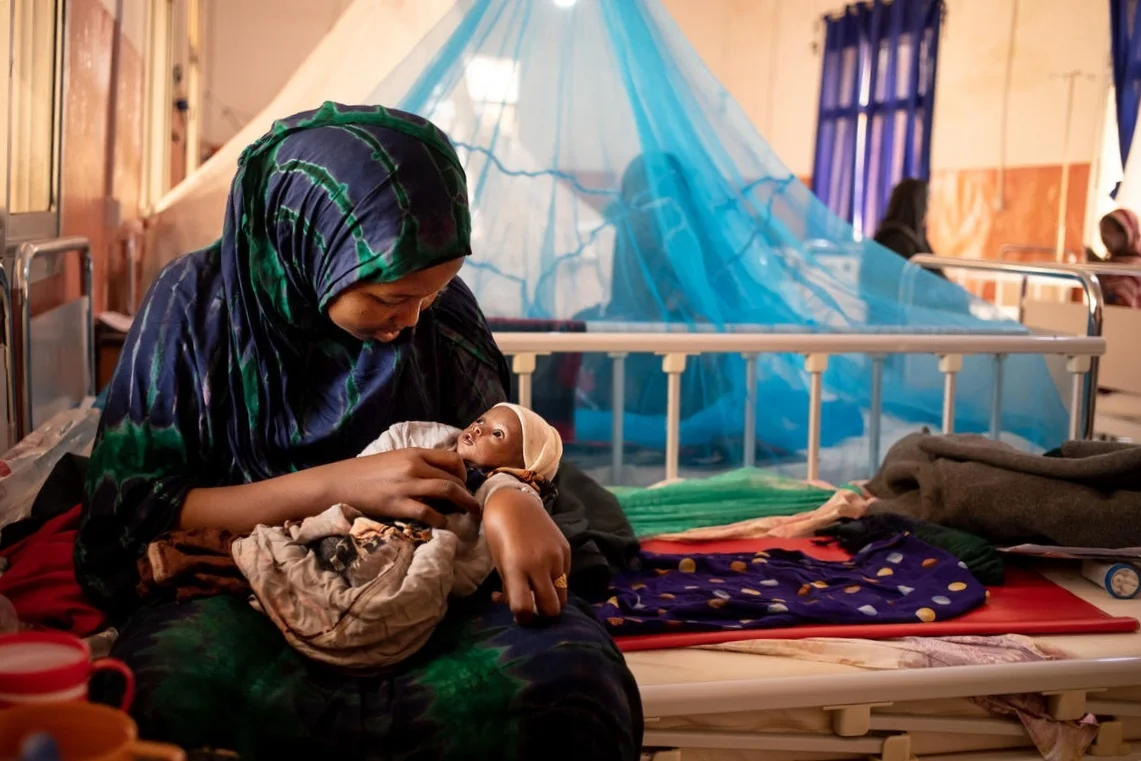
The United Nations Inter-agency Group for Child Mortality Estimation (UN IGME) released its flagship report today, revealing a sobering reality for global health: an estimated 4.9 million children died before their fifth birthday in 2024. Among these fatalities, 2.3 million were newborns, occurring within the first 28 days of life. While the report, titled Levels & Trends in Child Mortality 2025, acknowledges that global under-five deaths have been reduced by more than half since the turn of the millennium, it sounds a loud alarm regarding a significant stagnation in progress. Since 2015, the pace of reduction in child mortality has slowed by more than 60 percent, suggesting that the international community is at risk of missing critical survival targets.
The 2025 report offers the most comprehensive and technologically advanced analysis to date, fully integrating estimates on the specific causes of death for the first time. This integration, made possible through a partnership with the Child and Adolescent Causes of Death Estimation (CA CODE) group at the Johns Hopkins Bloomberg School of Public Health, provides a granular look at the biological and environmental factors claiming young lives. Perhaps most significantly, the report includes the first-ever direct estimates of deaths caused by severe acute malnutrition (SAM), identifying it as a primary killer of over 100,000 children aged 1 to 59 months annually.
The Silent Crisis of Severe Acute Malnutrition
The inclusion of severe acute malnutrition (SAM) data marks a pivotal shift in how child mortality is tracked and understood. According to the report, SAM was the direct cause of death for 5 percent of children in the 1-to-59-month age bracket in 2024. However, health experts warn that the true toll is likely much higher. Malnutrition acts as a lethal multiplier; it weakens the immune system, making children far more susceptible to common illnesses such as pneumonia, diarrhea, and malaria. When a malnourished child dies of a respiratory infection, the underlying cause—the lack of adequate nutrition—is frequently omitted from official death certificates or health records.
The burden of direct malnutrition deaths is not evenly distributed. The report identifies Pakistan, Somalia, and Sudan as countries with some of the highest numbers of SAM-related fatalities. In these regions, a combination of climate-induced crop failures, economic instability, and ongoing conflict has created a "perfect storm" for food insecurity. The UN IGME emphasizes that while 100,000 deaths are directly attributed to SAM, millions of others are indirectly linked to nutritional deficits that prevent children from recovering from otherwise treatable diseases.
The First Month: A Critical Window of Vulnerability
Newborn deaths continue to account for nearly half (approximately 47 percent) of all under-five mortality. This statistic reflects a troubling lack of progress in neonatal care compared to the survival rates of older children. The report highlights that the majority of these deaths occur around the time of birth, often due to conditions that could be mitigated with basic medical interventions.
The leading causes of neonatal mortality in 2024 were complications resulting from preterm birth, which accounted for 36 percent of deaths, and complications during labor and delivery, such as birth asphyxia or trauma, which accounted for 21 percent. Sepsis, congenital anomalies, and other infections also remain significant threats. Experts point out that the solutions to these issues—skilled birth attendants, clean water, essential newborn care, and emergency obstetric services—are well-known but remain inaccessible to millions of women in low-income settings.
Infectious Diseases and the Malaria Challenge
For children who survive the first month of life, the threats shift toward infectious diseases. Malaria, diarrhea, and pneumonia remain the primary "big three" killers of children between the ages of one month and five years. Malaria, in particular, remains the single largest killer in this age group, responsible for 17 percent of deaths globally.
The report notes a worrying trend in malaria mortality. After a period of steep decline between 2000 and 2015, progress has stalled. The disease is heavily concentrated in sub-Saharan Africa, particularly in countries such as Chad, the Democratic Republic of the Congo, Niger, and Nigeria. These nations face a complex array of challenges, including the rise of drug-resistant malaria strains, the spread of invasive mosquito species that thrive in urban environments, and climate shocks that create new breeding grounds for disease vectors. Furthermore, conflict in these regions often disrupts the distribution of insecticide-treated bed nets and access to life-saving anti-malarial medications.
Regional Disparities and the Impact of Conflict
The 2024 data underscores a massive geographical divide in child survival. Sub-Saharan Africa remains the most dangerous place in the world for a child to be born, accounting for 58 percent of all under-five deaths globally. In this region, infectious diseases are responsible for more than half of all child fatalities. In stark contrast, in Australia and New Zealand, infectious diseases account for only 6 percent of under-five deaths, while in Europe and Northern America, the figure is 9 percent.
Southern Asia accounts for another 25 percent of global child deaths. In this region, the driver of mortality is primarily neonatal complications. The report stresses that reducing deaths in Southern Asia will require massive investment in antenatal care and the strengthening of primary health systems to ensure that "small and sick" newborns receive specialized attention.
Furthermore, the report highlights the "fragility penalty." Children born in fragile or conflict-affected settings are nearly three times more likely to die before age five than children in stable environments. Conflict not only leads to direct injuries but also collapses the infrastructure required for routine vaccinations, clean water delivery, and basic nutrition.
Beyond Early Childhood: Risks for Adolescents and Youth
The UN IGME report also tracked mortality among older children and young adults, finding that 2.1 million individuals aged 5 to 24 died in 2024. As children age, the causes of death shift from biological and infectious threats to external risks and behavioral factors.
For younger children in this bracket, infectious diseases and accidental injuries remain prevalent. However, as they enter adolescence, the data reveals a gendered divergence in mortality causes. For girls aged 15 to 19, self-harm has emerged as the leading cause of death globally, highlighting a critical need for expanded mental health services. For boys in the same age group, road traffic injuries are the primary cause of death, reflecting gaps in infrastructure safety and transport regulation.
The Economic Case for Investment in Child Health
Amidst a global landscape of tightening development budgets, the report makes a powerful economic argument for prioritizing child survival. Evidence shows that investments in child health are among the most cost-effective development measures available. Proven, low-cost interventions—such as routine immunizations, treatment for severe acute malnutrition, and the provision of skilled care at birth—deliver some of the highest returns in global health.
According to the analysis, every dollar invested in child survival can generate up to twenty dollars in social and economic benefits. By preventing premature death and long-term disability, these investments improve future workforce productivity, strengthen national economies, and reduce the long-term burden on public health spending.
Official Responses and Calls to Action
The release of the report prompted urgent calls for action from the heads of the world’s leading health and development organizations.
UNICEF Executive Director Catherine Russell emphasized the moral imperative of the findings. "No child should die from diseases that we know how to prevent," Russell stated. "But we see worrying signs that progress in child survival is slowing—and at a time where we’re seeing further global budget cuts. History has shown what is possible when the world commits to protecting its children. With sustained investment and political will, we can continue to build on those achievements for future generations."
Dr. Tedros Adhanom Ghebreyesus, Director-General of the World Health Organization (WHO), highlighted the vulnerability of those in crisis zones. "The world has made remarkable progress in saving children’s lives, but many still die from preventable causes," he said. "Children living amid conflict and crisis are nearly three times more likely to die before their fifth birthday. We must protect essential health and nutrition services and reach the most vulnerable families so every child has the chance not only to survive, but to thrive."
Monique Vledder, Health Director at the World Bank Group, reinforced the commitment to expanding healthcare access. "These findings are a collective call to speed up implementation of the proven, scalable solutions we know are within reach," Vledder said. "The World Bank Group health target of reaching 1.5 billion people is our concrete commitment to accelerating access to quality primary health services for more children and families."
Li Junhua, UN Under-Secretary-General for Economic and Social Affairs, noted that many countries are now "off track" to meet the Sustainable Development Goals (SDGs) related to child health. He called for renewed political commitment and, crucially, stronger data systems to ensure that interventions are reaching the children who need them most.
Implications for the Future of Global Health
The 2025 report serves as a critical diagnostic tool for the global health community. The findings suggest that the "low-hanging fruit" of child mortality reduction may have been picked, and that further progress will require tackling more complex issues: reaching children in active war zones, addressing the mental health of adolescents, and integrating nutrition directly into primary healthcare.
The integration of CA CODE data represents a significant step forward in this effort. As Li Liu, PhD, an associate professor at the Johns Hopkins Bloomberg School of Public Health, noted, the science is clear. The path forward involves a multi-pronged approach: targeted investments in primary health care, universal routine immunization, robust nutrition programs, and the maintenance of high-quality, timely data systems.
As the global development financing landscape continues to shift, the UN IGME report warns that without sustained funding and a refocusing of priorities, the progress made over the last two decades could not only stall but begin to reverse. The 4.9 million lives lost in 2024 represent not just a statistical failure, but a series of preventable tragedies that the international community has the tools, if not currently the momentum, to stop.