
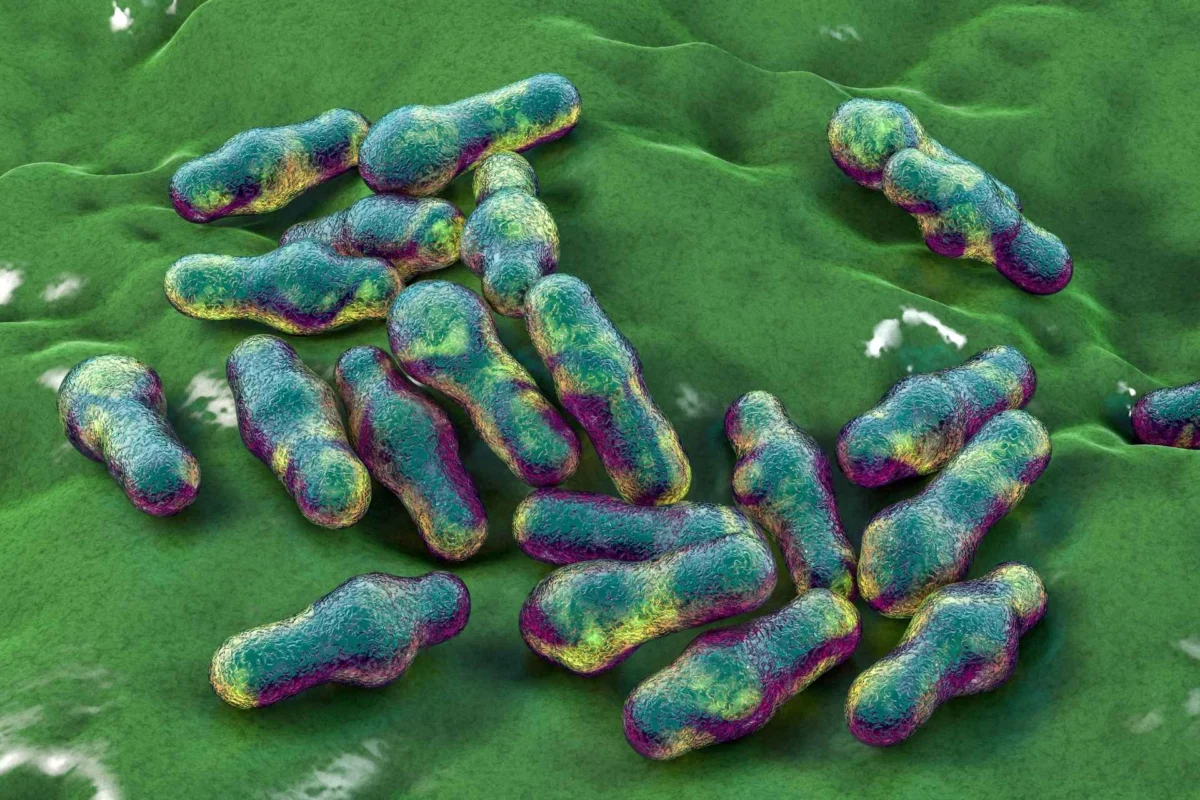
The complex ecosystem of the human gut, home to trillions of microorganisms, operates on a delicate balance between symbiotic coexistence and inflammatory confrontation. Recent research published in Science Immunology has provided a significant breakthrough in understanding this balance by identifying how specific structural components of bacteria—specifically the whip-like appendages known as flagella—dictate the immune system’s behavior. Led by Lennard Duck and a team of investigators at the University of Alabama at Birmingham (UAB), the study reveals that the genetic diversity of flagellins within the Clostridia class of bacteria is a primary determinant in the development of intestinal inflammation and Crohn’s disease. By analyzing more than 100,000 bacterial genomes, the researchers have classified gut Clostridia into two distinct functional groups, G1 and G2, providing a new framework for understanding why some "commensal" bacteria suddenly turn against their host.
The Dual Role of Bacterial Flagella in the Human Gut
Flagella are microscopic, motorized tails that allow bacteria to navigate the fluid environment of the intestinal tract. While their primary function is motility, they also serve as potent signaling molecules. The protein subunits that make up these structures, known as flagellins, are recognized by the host’s innate immune system through specialized sensors like Toll-like receptor 5 (TLR5). Historically, the scientific community has viewed flagellin as a double-edged sword: it can either stimulate protective immune responses that maintain the gut barrier or trigger the runaway inflammation characteristic of Inflammatory Bowel Disease (IBD).
The UAB study sought to resolve the ambiguity of why some flagellated bacteria are beneficial while others are pathogenic. Through an exhaustive genomic survey of Clostridia—a dominant class of bacteria in the human microbiome—the team discovered that the organization of "motility genes" (the genetic instructions for building flagella) varies wildly across different species. This variation is not merely structural; it is functional. The researchers found that the way these genes are clustered and expressed determines whether a bacterium will act as a peaceful resident or an inflammatory agent.
Classification of Clostridia: The G1 and G2 Paradigm
To make sense of the vast genomic data, the researchers categorized the bacteria into two groups based on their flagellar gene arrangements and the resulting immune response.
The G1 group consists of bacteria that typically possess fewer motility genes and produce flagellins at very low levels. When these bacteria interact with the immune system, they tend to promote "homeostatic" responses. This means they encourage the production of regulatory T-cells and protective antibodies (such as IgA) that keep the gut environment stable without causing irritation to the tissue.
In contrast, the G2 group, which includes many members of the Lachnospiraceae family, exhibits high flagellin diversity and complex gene organization. These bacteria produce flagellins that are highly "immunogenic," meaning they are easily detected and aggressively responded to by the immune system. While G2 bacteria can exist peacefully in a healthy gut, they possess a "colitogenic potential"—a latent ability to drive colitis (inflammation of the colon) if the environment shifts.
Experimental Evidence: From Genomes to Germ-Free Mice
The researchers validated their genomic findings through a series of controlled experiments using "germ-free" mice—specialized laboratory animals born and raised in sterile environments without any natural bacteria. By introducing either G1 or G2 Clostridia into these mice, the team could observe the specific effects of each group in isolation.
The results were striking. Both G1 and G2 bacteria were successful in colonizing the gut and stimulating the production of protective immune cells. However, the G2 bacteria also activated a suite of genes in the intestinal lining associated with stress and pro-inflammatory signaling.
The most definitive evidence emerged when the researchers introduced a slight "insult" to the gut barrier—a condition mimicking the environmental triggers that often precede a Crohn’s flare-up. In mice colonized with G1 bacteria, the gut remained stable. However, in mice colonized with G2 bacteria, the weakened barrier allowed the highly immunogenic flagellins to come into direct contact with deeper immune layers, triggering severe inflammation and significant tissue damage in the colon. This demonstrated that G2 bacteria are "pathobionts"—organisms that are normally harmless but can cause disease under specific conditions.
Clinical Relevance: The Link to Crohn’s Disease
The implications of this study extend directly to human health, particularly regarding Crohn’s disease, a chronic inflammatory condition that can affect any part of the digestive tract. Crohn’s is characterized by "dysbiosis," or an imbalance in the gut microbiota, but identifying which specific bacteria are responsible for inflammation has long been a challenge.
When the researchers examined the gut microbiomes of patients with Crohn’s disease, they found a consistent pattern that mirrored their mouse models. Patients with active inflammation showed a marked reduction in G1 bacteria and a significant overrepresentation of G2 bacteria in the inflamed areas of the tissue.
This finding suggests that the "balance of power" between G1 and G2 flagellins may be a deciding factor in the progression of the disease. In a healthy individual, G1 bacteria may dominate or coexist in a way that the immune system remains "tolerant." In a patient predisposed to Crohn’s, an overabundance of G2 bacteria creates a high-risk environment where even a minor breach in the intestinal wall can lead to a catastrophic inflammatory response.
Chronology of Discovery in Flagellin Research
The UAB study represents the culmination of over two decades of research into the relationship between the microbiome and the immune system.
- Early 2000s: Researchers first identified TLR5 as the primary receptor for bacterial flagellin, establishing a direct link between bacterial movement and immune detection.
- 2010-2015: Large-scale projects like the Human Microbiome Project began cataloging the thousands of species in the gut, identifying Clostridia as a key player in both health and disease.
- 2018-2022: Advanced genomic sequencing allowed scientists to look beyond species names and examine specific gene clusters. Studies began to hint that flagellin diversity was higher than previously thought.
- 2024: The UAB study successfully used computational biology to categorize 100,000 genomes, finally providing a functional map (G1 vs. G2) that correlates genetic structure with clinical outcomes in IBD.
Supporting Data and Technical Analysis
The scale of the data used in this study is unprecedented in flagellin research. By utilizing a bioinformatic pipeline to scan 100,000 genomes, the team was able to identify specific "motility loci"—the physical locations on the bacterial chromosome where flagellar genes reside.
Key data points from the study include:
- Gene Density: G2 bacteria were found to have up to three times as many flagellin-encoding genes as G1 bacteria.
- Protein Expression: Mass spectrometry of G2 cultures revealed a high concentration of "monomeric flagellin," the specific form of the protein that triggers the TLR5 receptor.
- Antibody Correlation: Human serum samples from Crohn’s patients showed high titers of antibodies specifically targeting G2 flagellins, while antibodies against G1 flagellins were significantly lower or absent.
This data reinforces the theory that the immune system in Crohn’s patients is specifically sensitized to the "loud" signals produced by G2 bacteria, while the "whispers" of G1 bacteria go largely ignored or result in protective tolerance.
Reactions and Broader Implications for Medicine
While the study authors maintain a cautious, objective tone, the broader scientific community has viewed these findings as a significant step toward personalized medicine for IBD. Inferred reactions from the field of gastroenterology suggest that this G1/G2 classification could eventually lead to new diagnostic tools.
"This study identified key features of specific commensal bacteria that have colitogenic potential and revealed one mechanism whereby these organisms can potentially initiate intestinal inflammation," the authors stated in their concluding remarks.
The implications for treatment are twofold:
- Targeted Probiotics: Instead of generic probiotic supplements, future therapies could focus on introducing specific G1-type Clostridia to restore balance and "crowd out" the inflammatory G2 strains.
- Precision Antibiotics or Phage Therapy: If G2 bacteria are identified as the primary drivers of a patient’s inflammation, clinicians might use targeted treatments to reduce their population without harming the beneficial G1 bacteria.
- Dietary Intervention: Since the gut microbiome is heavily influenced by diet, further research may reveal whether certain nutrients favor the growth of G1 over G2 bacteria, providing a non-pharmacological route to managing Crohn’s disease.
Conclusion: A New Frontier in Microbiome Science
The discovery that the genetic architecture of a bacterium’s "tail" can determine the health of its host marks a shift in how scientists approach the microbiome. It moves the conversation away from "good" versus "bad" bacteria and toward a more nuanced understanding of "context-dependent" pathogenicity.
As the medical community continues to grapple with the rising incidence of autoimmune and inflammatory diseases globally, the work of Duck and his colleagues provides a vital roadmap. By pinpointing the G2 flagellins as the primary instigators of the immune system’s overreaction, science is one step closer to turning the tide against Crohn’s disease and other chronic inflammatory conditions. The focus now shifts to how these findings can be translated into clinical trials, potentially offering relief to millions of patients who currently rely on broad-spectrum immunosuppressants that often come with significant side effects. The era of precision microbiome management may be just on the horizon.