
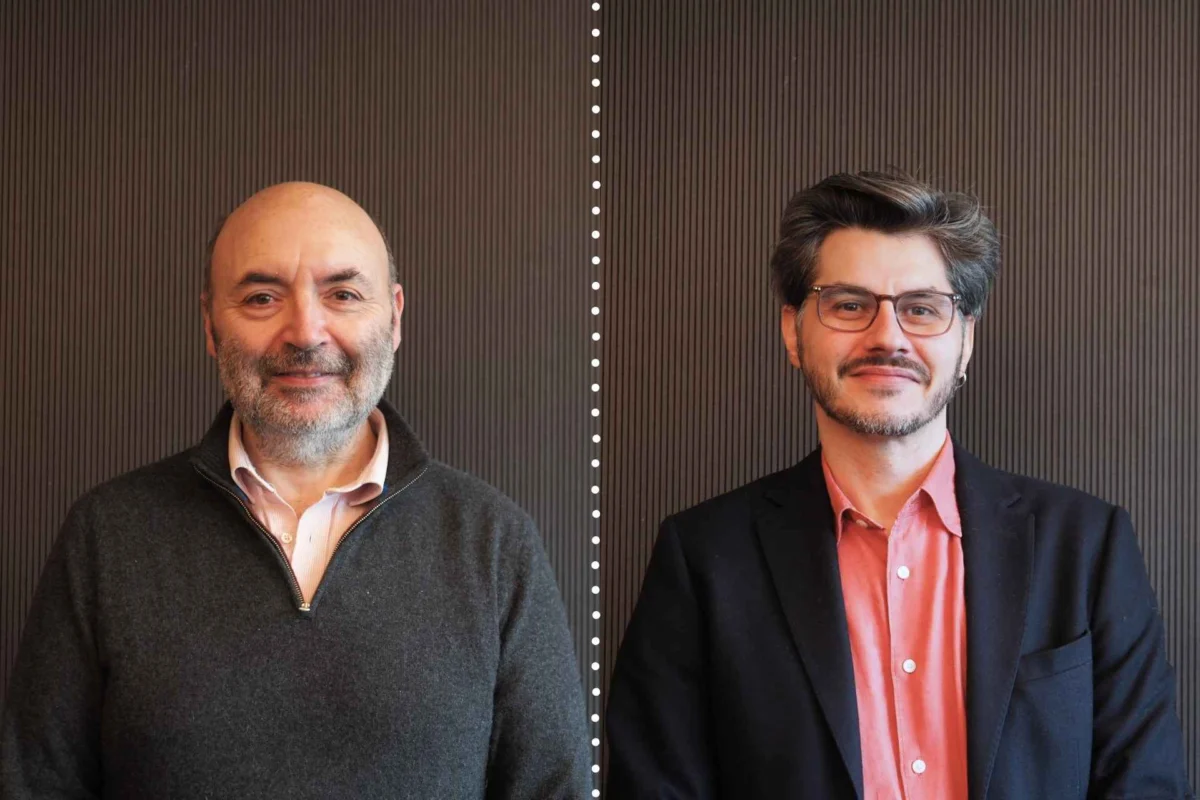
The intersection of biotechnology and aerospace engineering reached a significant milestone at the 10th Pharmabiotics Conference in Brussels, where industry leaders and scientific researchers convened to discuss the vital role of the human microbiome in long-duration space exploration. The event featured a landmark session led by Pierre Burguière, founder of Microbiome Futures, and Christian Roghi, founder of Bridgyz, highlighting how the trillions of microorganisms living within and on the human body are essential for the success of future missions to the Moon, Mars, and beyond. This dialogue, involving representatives from the European Space Agency (ESA), the Institute for Space Medicine and Physiology (MEDES), and various Belgian research institutions, underscored a shift in perspective: the microbiome is no longer viewed merely as a biological passenger but as a critical physiological system that must be managed to ensure astronaut health and performance.
A New Scientific Paradigm for Human Adaptation
The session at the Pharmabiotics Conference served as a catalyst for a multi-disciplinary approach to human adaptation in extreme environments. As space agencies transition from short-term stays on the International Space Station (ISS) to long-term habitation in lunar and Martian environments, the physiological challenges facing astronauts have become more complex. In microgravity and high-radiation environments, the human body undergoes profound changes, including bone density loss, muscle atrophy, cardiovascular deconditioning, and immune system dysregulation.
Emerging research presented at the conference suggests that many of these issues are linked to the stability and diversity of the microbiome. The "Gut-Brain Axis" and "Gut-Skin Axis" are particularly sensitive to the stresses of spaceflight. Data shared by the contributors indicated that the confined environments of spacecraft, combined with sterilized food and recycled water, can lead to a "depauperate" microbiome—a loss of microbial diversity that can leave astronauts vulnerable to pathogens and metabolic disorders. To address this, the conference highlighted three primary technological pillars: augmented foods, smart textiles, and hibernation-inspired strategies.
Augmented Nutrition and the Gut-Microbiome Axis
One of the most immediate applications discussed was the development of "augmented foods" designed to maintain a healthy gut flora during multi-year missions. Unlike current space rations, which are primarily focused on shelf-life and basic caloric intake, future nutritional programs will integrate precision prebiotics, probiotics, and postbiotics. These "pharmabiotic" foods are intended to modulate the immune system and enhance cognitive performance.
According to data from the European Space Agency, the immune system of astronauts is often suppressed during flight, while certain opportunistic bacteria become more virulent. By engineering functional foods that support specific beneficial bacteria, such as Lactobacillus and Bifidobacterium strains, scientists aim to create a biological shield for the crew. Furthermore, the discussion touched upon "in-situ resource utilization," where microbial bioreactors could be used on Martian bases to produce fresh, fermented foods, ensuring a continuous supply of live cultures that cannot survive the long journey from Earth in traditional packaging.
Smart Textiles and the Monitoring of Skin Health
Beyond internal health, the session explored the role of the "skin microbiome" in maintaining the integrity of the body’s largest organ. In the humid, recycled air of a space habitat, skin infections and dermatitis are common complaints among crew members. Christian Roghi and other experts presented the concept of "smart textiles"—garments embedded with microbial sensors and bio-functional fibers.
These textiles are designed to serve a dual purpose. First, they act as a non-invasive monitoring system, using sensor-based solutions to track physiological data and microbial shifts on the skin surface in real-time. Second, they can be "seeded" with beneficial bacteria or antimicrobial peptides to maintain a healthy skin pH and prevent the overgrowth of harmful fungi or staphylococci. This integration of biology and material science represents a significant leap in wearable technology, moving from simple data collection to active biological intervention.
Hibernation and Synthetic Torpor: Insights from Animal Models
Perhaps the most futuristic theme discussed at the Brussels conference was the potential for hibernation-inspired strategies to facilitate long-distance space travel. Traveling to Mars currently takes approximately seven to nine months, during which time astronauts are exposed to significant radiation and psychological stress. The concept of "synthetic torpor" or hibernation could mitigate these risks by slowing metabolic rates.
Research presented by MEDES and Belgian institutions highlighted that the microbiome plays a crucial role in natural hibernators, such as bears and ground squirrels. During dormancy, these animals rely on their gut bacteria to recycle nitrogen and maintain muscle mass despite months of inactivity. By understanding the microbial signaling pathways that allow for this metabolic flexibility, scientists hope to develop microbiome-based therapies that could induce a similar state of "protected stasis" in humans. This would not only reduce the need for food and oxygen but also potentially increase the body’s resistance to radiation damage.
The Reverse Perspective: Space Constraints Accelerating Earth Innovation
A recurring theme throughout the Pharmabiotics Conference was the "reverse perspective"—the idea that solving the extreme challenges of space can lead to rapid clinical breakthroughs on Earth. Pierre Burguière emphasized that the constraints of a space mission—limited resources, the need for absolute robustness, and the requirement for automated, miniaturized technology—act as a "pressure cooker" for innovation.
In the traditional clinical environment, translating microbiome research into usable therapies can take decades. However, the rigorous testing required for spaceflight forces researchers to focus on feasibility and implementation from the outset. Innovations in shelf-stable probiotics, rapid microbial diagnostic kits, and bio-functional textiles developed for the ISS are already finding applications in Earth-based healthcare, particularly for elderly populations, patients in intensive care, and people living in isolated or resource-poor environments.
Chronology of Development and the Launch of Microbiome Futures
The discussions in Brussels were the culmination of several years of increasing collaboration between the microbiome community and space agencies.
- 2014-2019: Early studies on the ISS, such as NASA’s Twin Study, established that spaceflight causes significant but largely reversible changes to the human microbiome.
- 2020-2023: ESA and MEDES launched several initiatives, including the "SciSpacE" program, to specifically investigate the role of nutrition and microbes in astronaut resilience.
- March 2024: The 10th Pharmabiotics Conference serves as the formal bridge between the pharmaceutical microbiome industry and the aerospace sector.
- 2026: The official launch of Microbiome Futures, a new think tank dedicated to human adaptation.
Microbiome Futures will serve as a permanent platform for cross-disciplinary dialogue. Starting in 2026, the think tank will focus specifically on "Space and the Microbiome," aiming to coordinate research efforts between private biotech firms, government space agencies, and academic institutions. Its mission is to move beyond theoretical discussions and begin the standardisation of microbial protocols for upcoming lunar missions under the Artemis program.
Strategic Implications and Economic Impact
The implications of this research extend far beyond the scientific community. The global microbiome market is projected to grow significantly over the next decade, with some estimates suggesting a valuation of over $1.5 billion by 2030. The integration of space-grade standards into this market provides a "gold standard" for product efficacy and stability.
From a strategic standpoint, the ability to maintain human health in extreme environments is a prerequisite for the "Space Economy," which includes asteroid mining, orbital manufacturing, and space tourism. If humans are to become a multi-planetary species, the management of our "inner ecosystem" is as important as the engineering of the rockets that carry us.
The 10th Pharmabiotics Conference has made it clear that the future of space exploration is biological. By leveraging the power of the microbiome, scientists are not just helping astronauts survive; they are redefining the limits of human physiology. As we look toward the 2026 launch of the Microbiome Futures think tank, the scientific community is poised to turn the challenges of the cosmos into solutions for the health of all humanity, whether on Earth or among the stars.