
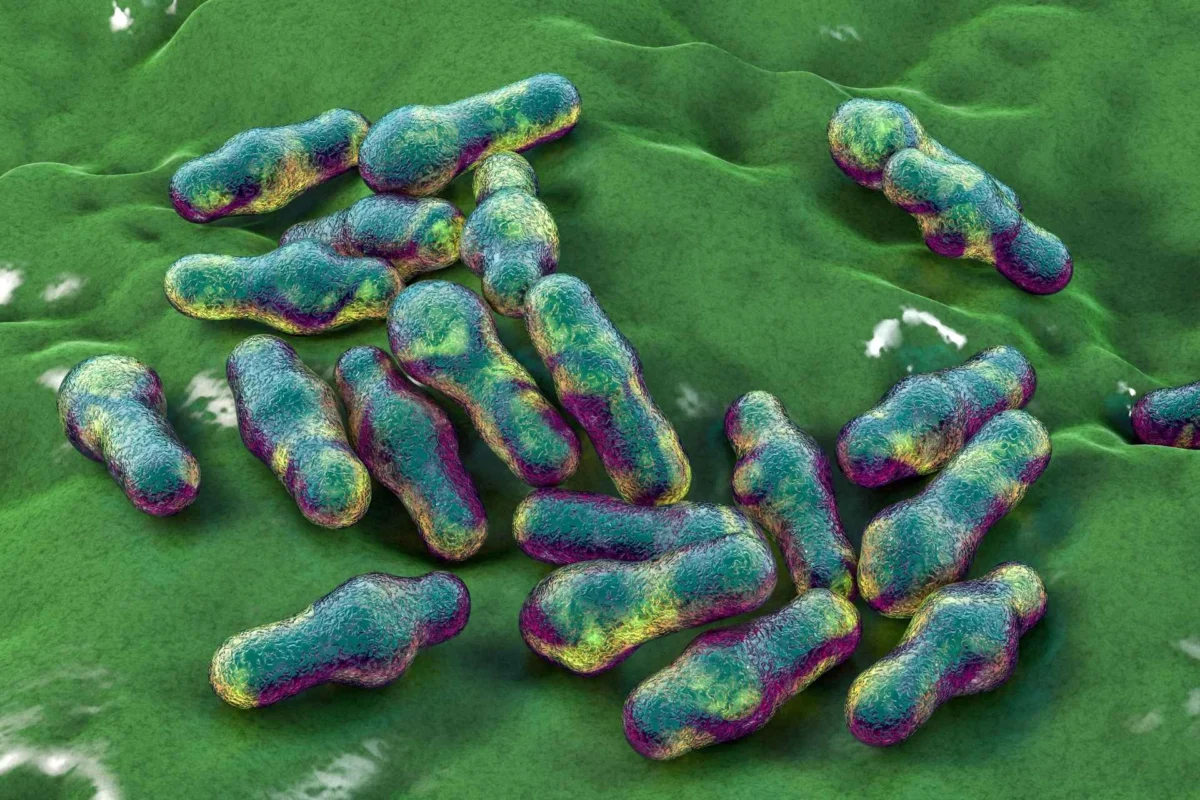
The human gut is a complex ecosystem teeming with trillions of microorganisms, many of which play essential roles in digestion, vitamin synthesis, and immune system training. Among these, the class of bacteria known as Clostridia has long been recognized as a dominant and generally beneficial component of the healthy microbiome. However, new research published in the journal Science Immunology has unveiled a sophisticated biological dichotomy within this group. Scientists have discovered that the very structures these bacteria use for movement—whip-like appendages called flagella—are the primary determinants of whether the bacteria maintain gut health or trigger the debilitating inflammation characteristic of Crohn’s disease.
The study, led by Lennard Duck and a team of researchers at the University of Alabama at Birmingham (UAB), provides a granular look at how flagellin proteins interact with the host immune system. By analyzing the genetic architecture of over 100,000 bacterial genomes, the researchers identified specific protein differences that categorize Clostridia into two distinct functional groups. This discovery offers a new framework for understanding the transition from a healthy gut environment to the chronic inflammatory state seen in Inflammatory Bowel Disease (IBD).
The Dual Role of Microbial Flagella in Gut Immunity
Flagella are complex protein machines that allow bacteria to navigate the viscous environment of the intestinal mucus layer. These structures are composed of subunits called flagellins. Beyond their mechanical function in motility, flagellins are potent "pathogen-associated molecular patterns" (PAMPs) that are recognized by the host’s innate immune system, specifically through Toll-like receptor 5 (TLR5).
In a healthy gut, the interaction between flagellins and the immune system is typically low-grade and educational, helping to prime the immune system to tolerate beneficial microbes while remaining vigilant against pathogens. However, the UAB study reveals that not all flagellins are created equal. Some flagellins act as "stealth" molecules that keep the immune system calm, while others act as inflammatory triggers. The researchers found that the way motility genes—the genetic instructions for building flagella—are organized within the bacterial genome dictates which of these two paths the bacteria will take.
Chronology of the Research: From Genomes to Live Models
The investigation began with a massive computational undertaking. The research team performed a comparative genomic analysis of more than 100,000 Clostridia genomes retrieved from public databases and clinical samples. This bioinformatic survey was designed to map the diversity of motility genes across different bacterial families, with a particular focus on the Lachnospiraceae family, a common group of gut inhabitants.
The second phase of the study involved experimental validation using germ-free mice—animals raised in sterile environments with no natural microbiota. By introducing specific strains of Clostridia into these mice, the researchers could isolate the effects of different flagellin types on the host immune system without interference from other microbes.
In the final phase, the team correlated their laboratory findings with human clinical data. They analyzed tissue samples and microbiome profiles from patients with Crohn’s disease, looking for the presence and abundance of the bacterial groups they had identified in their mouse models. This translational approach allowed the scientists to confirm that the patterns observed in the lab were mirrored in human disease states.
Defining the G1 and G2 Bacterial Classifications
The most significant outcome of the genomic analysis was the classification of gut Clostridia into two primary groups, labeled G1 and G2. This division is based on the complexity of their motility gene clusters and the resulting diversity of their flagellin proteins.
The G1 group is characterized by a relatively simple genetic arrangement. These bacteria typically possess fewer motility genes and produce flagellins that elicit a weak or negligible immune response. In the experimental mouse models, G1 bacteria were found to colonize the gut efficiently while promoting "protective" immune functions. They stimulated the production of regulatory T-cells and secretory antibodies (IgA) that help maintain the integrity of the gut barrier and prevent overreaction by the immune system. Essentially, G1 bacteria function as true commensals, living in harmony with the host.
In contrast, the G2 group represents a more "colitogenic" or inflammation-prone phenotype. These bacteria, including several members of the Lachnospiraceae family, possess a more diverse array of motility genes and produce flagellins that are highly stimulatory. When introduced into mice, G2 bacteria triggered a robust activation of genes associated with cellular stress and pro-inflammatory signaling. While they can exist in a healthy gut without causing immediate harm, they possess the latent potential to drive disease under the right conditions.
The "Second Hit" Hypothesis: Barrier Dysfunction and Inflammation
A critical finding of the study is the role of the intestinal barrier in mediating the inflammatory response to G2 bacteria. The human gut is lined with a single layer of epithelial cells protected by a thick mucus coating. This barrier prevents the trillions of bacteria in the lumen from coming into direct contact with the underlying immune cells.
The researchers discovered that in a healthy gut with an intact barrier, G2 bacteria are relatively well-tolerated. However, when the gut barrier is weakened—a condition often referred to as "leaky gut"—the situation changes drastically. In experiments where the intestinal lining was intentionally compromised, G2 bacteria caused severe inflammation and significant tissue damage in the colon. Under the same conditions, G1 bacteria remained benign.
This suggests that Crohn’s disease may result from a "two-hit" mechanism: first, a genetic or environmental predisposition that weakens the gut barrier, and second, the presence of G2-type Clostridia that exploit this weakness to trigger a chronic inflammatory cascade. The flagellins produced by G2 bacteria act as the primary drivers of this process, sending signals that recruit aggressive immune cells to the gut lining.
Clinical Evidence in Crohn’s Disease Patients
To validate the relevance of their findings to human health, the UAB researchers examined the microbiome composition of patients with Crohn’s disease. Their analysis revealed a striking imbalance. In patients with active inflammation, there was a significant reduction in G1-type bacteria and a corresponding increase in the abundance of G2-type bacteria in the inflamed areas of the intestine.
This shift in the microbial population—known as dysbiosis—appears to be a hallmark of the disease. The presence of G2 bacteria in the mucosal lining of Crohn’s patients suggests that these organisms are not just passive bystanders but active participants in the inflammatory process. The study found that the flagellins from these G2 bacteria were specifically targeted by the immune systems of Crohn’s patients, further cementing the link between these proteins and the disease.
Supporting Data and Statistical Significance
The scale of the study provides a high level of statistical confidence in the results. The analysis of 100,000 genomes represents one of the most comprehensive surveys of Clostridia motility to date. Within the mouse models, the researchers noted that G2 bacteria increased the expression of inflammatory markers such as Interleukin-6 (IL-6) and Tumor Necrosis Factor (TNF) by several-fold compared to G1-colonized mice.
Furthermore, the study highlighted that G2 flagellins are significantly more efficient at activating TLR5 receptors. In laboratory assays, G2 flagellins reached half-maximal activation of the immune response at concentrations significantly lower than those required by G1 flagellins. This high sensitivity explains why even a moderate presence of G2 bacteria can become problematic if the gut’s natural defenses are breached.
Implications for Future Treatment and Precision Medicine
The identification of G1 and G2 bacteria opens new doors for the treatment of Crohn’s disease and other inflammatory bowel conditions. Currently, many IBD treatments involve broad immunosuppression, which can have significant side effects and increase the risk of infections. This study suggests that a more targeted approach may be possible.
One potential therapeutic strategy involves the use of "precision probiotics." Instead of a generic cocktail of bacteria, patients could be treated with specific G1-type Clostridia designed to outcompete G2 strains and restore immune balance. Alternatively, researchers could develop small-molecule inhibitors or vaccines designed to neutralize the specific inflammatory flagellins produced by G2 bacteria.
The findings also have implications for diagnostic medicine. By screening a patient’s microbiome for the ratio of G1 to G2 bacteria, clinicians may be able to predict the risk of flare-ups or identify individuals who are most likely to benefit from specific dietary or pharmacological interventions.
Expert Analysis and Concluding Remarks
The UAB study represents a shift in how microbiologists view "commensal" bacteria. It highlights that the label of "good" or "bad" bacteria is often too simplistic; rather, the behavior of a microbe depends on its specific genetic toolkit and the state of the host environment.
"This study identified key features of specific commensal bacteria that have colitogenic potential and revealed one mechanism whereby these organisms can potentially initiate intestinal inflammation," the authors noted in their concluding remarks. This mechanism—the differential activation of the immune system by flagellin proteins—provides a clear target for future research.
As the scientific community continues to map the intricacies of the human microbiome, the role of bacterial motility and structural proteins like flagellin will likely remain a focal point. By understanding the molecular language through which bacteria communicate with the human immune system, researchers are moving closer to a future where chronic inflammatory diseases can be managed, or even prevented, through the precise manipulation of our internal microbial ecosystems. The distinction between G1 and G2 Clostridia is a vital step in that journey, providing a roadmap for distinguishing between the microbes that protect us and those that, under the wrong circumstances, may drive us toward disease.