

Polycystic Ovary Syndrome (PCOS) remains one of the most prevalent endocrine disorders, affecting approximately 8% to 13% of reproductive-aged women worldwide. While many individuals experience menstruation as a manageable monthly occurrence often mitigated by over-the-counter analgesics, those diagnosed with PCOS frequently face a significantly more debilitating reality. For this demographic, the menstrual cycle is characterized by irregular, heavy, and excruciatingly painful periods that often result in total incapacitation. Medical professionals categorize this severe pain as dysmenorrhea, a condition that necessitates a multifaceted clinical and lifestyle-based management approach to allow patients to maintain their professional and personal responsibilities.
The Clinical Framework of PCOS and Menstrual Pain
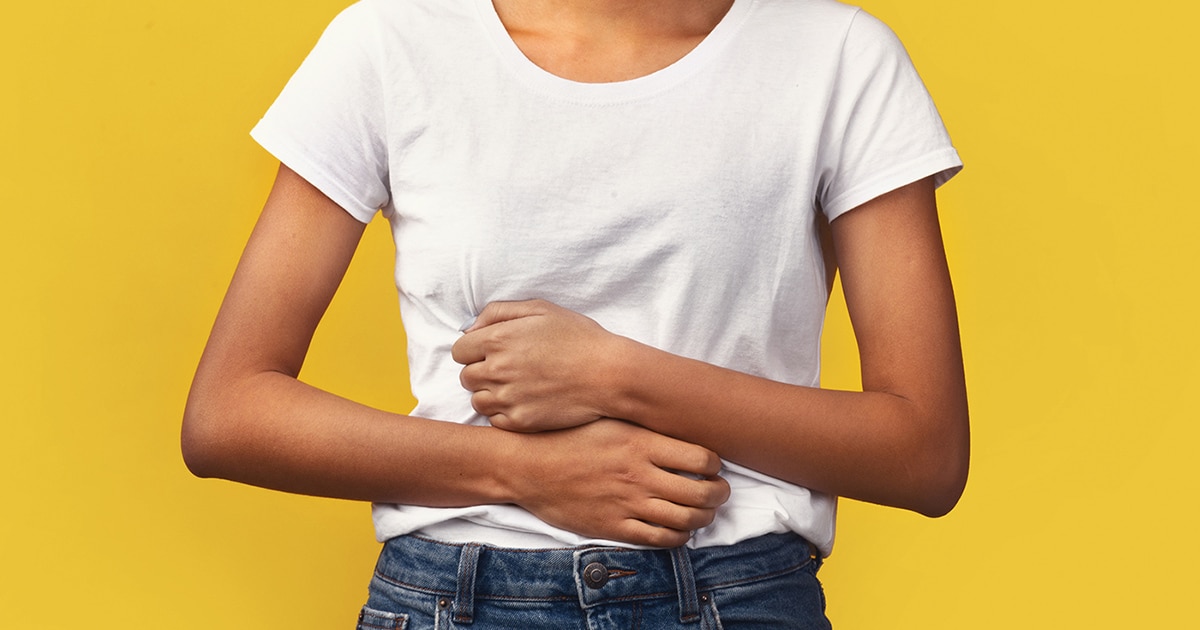
To understand the severity of menstrual pain in PCOS patients, it is essential to examine the physiological mechanisms at play. The throbbing or stabbing sensations felt in the lower abdomen are the result of uterine contractions designed to expel the uterine lining. These contractions are triggered by prostaglandins, lipid compounds with hormone-like effects that regulate the female reproductive system. While prostaglandins are necessary for a normal cycle, elevated levels lead to excessive uterine tension, resulting in primary or secondary dysmenorrhea.
In the context of PCOS, patients often suffer from secondary dysmenorrhea, where the pain is linked to the underlying reproductive disorder. The clinical presentation often involves pain that radiates to the lower back and thighs, accompanied by heavy bleeding, large blood clots, and systemic symptoms such as nausea, dizziness, and chronic fatigue. Furthermore, the irregular nature of PCOS cycles often means that the uterine lining (endometrium) builds up over a longer period, leading to more intense shedding and higher prostaglandin production when a period finally occurs.
A Chronology of PCOS Management and Diagnostic Evolution
The understanding of PCOS has evolved significantly over the last several decades. Historically, the condition was frequently overlooked or dismissed as simple "irregularity."
- The 1930s-1980s: Early identification focused primarily on the presence of cysts on the ovaries, leading to the initial naming of the syndrome by Stein and Leventhal in 1935.
- The 1990s: The National Institutes of Health (NIH) established more formal criteria, shifting focus toward hyperandrogenism (excess male hormones) and chronic anovulation.
- The 2003 Rotterdam Criteria: This landmark consensus expanded the diagnostic framework to include two out of three symptoms: oligo-ovulation, clinical/biochemical signs of hyperandrogenism, and polycystic ovaries visible via ultrasound.
- Present Day: Modern medicine now recognizes PCOS as a systemic metabolic disorder. This shift has changed the management of period pain from merely treating the symptoms to addressing the hormonal and inflammatory roots of the condition.
Pharmacological Interventions: NSAIDs and Hormonal Regulation
For many patients, the first line of defense against PCOS-related pain involves Non-Steroidal Anti-Inflammatory Drugs (NSAIDs). According to a 2019 study published in Obstetrics & Gynecology Science, NSAIDs such as ibuprofen or naproxen are particularly effective because they inhibit the enzyme cyclooxygenase, which is responsible for the synthesis of prostaglandins. By reducing the volume of these compounds, patients can experience both a reduction in pain and a decrease in heavy menstrual bleeding.
When over-the-counter options prove insufficient, hormonal contraceptives are frequently prescribed. These medications typically utilize a combination of estrogen and progestin to stabilize the menstrual cycle. Progestin acts to thin the uterine lining, which results in lighter periods and less painful contractions. Medical practitioners offer several delivery methods for these hormones:
- Combined Oral Contraceptives: Regulate the cycle and reduce androgen levels, helping with secondary symptoms like acne and hirsutism.
- Progestin-Only Pills (The Mini-Pill): An alternative for patients who cannot tolerate estrogen.
- Vaginal Rings and Patches: Provide consistent hormone delivery on a three-week cycle, offering convenience and reducing the "peaks and valleys" of hormone fluctuations.
Supporting Data: The Impact of Lifestyle and Physical Activity
Data from the Saudi Journal of Sports Medicine (2017) suggests that physical activity is not merely a weight management tool for PCOS patients but a vital component of menstrual regularity. Exercise helps improve insulin sensitivity, which is often impaired in PCOS patients. High insulin levels can stimulate the ovaries to produce more testosterone, further disrupting the menstrual cycle.

While strenuous exercise may be difficult during the peak of menstrual pain, low-impact activities such as swimming, brisk walking, or cycling can promote blood flow and the release of endorphins—the body’s natural painkillers. Clinical analysis indicates that consistent, moderate exercise across the entire month is more effective at reducing dysmenorrhea than "rescue" exercise performed only during the period.
Thermal Therapy and Metabolic Benefits
Heat therapy has long been a staple of home care for cramps, but recent research highlights its deeper metabolic benefits for PCOS. A 2019 study in the American Journal of Physiology-Endocrinology and Metabolism found that regular heat therapy (such as hot baths or specialized heating pads) improved glucose tolerance and adipose tissue insulin signaling in obese women with PCOS.
Applying heat to the pelvic area encourages vasodilation, increasing blood flow to the uterine muscles and reducing the intensity of contractions. This dual benefit—immediate pain relief and long-term metabolic improvement—makes thermal therapy a highly recommended non-pharmacological intervention.
Nutritional Science and Micronutrient Supplementation
Dietary choices play a critical role in managing the systemic inflammation associated with PCOS. Chronic low-grade inflammation is a hallmark of the disorder and significantly contributes to the severity of menstrual cramps.

- Vitamin D: Research indicates that roughly 85% of women with PCOS are deficient in Vitamin D. This deficiency is linked to insulin resistance and increased inflammation. Supplementation or the consumption of fortified foods can help modulate the inflammatory response.
- Omega-3 Fatty Acids: Found in fatty fish and flaxseeds, Omega-3s are potent anti-inflammatory agents that have been shown to lower testosterone levels in PCOS patients.
- Magnesium and Vitamin E: These micronutrients aid in muscle relaxation and the reduction of prostaglandin synthesis. Magnesium, in particular, is often recommended for its ability to soothe the nervous system and reduce the "stabbing" nature of dysmenorrhea.
Conversely, the consumption of caffeine and high-sugar foods is discouraged during the menstrual window. Caffeine is a vasoconstrictor, which can tighten the blood vessels in the uterus and exacerbate cramping. High sugar intake triggers insulin spikes, which can worsen the hormonal imbalances that drive PCOS symptoms.
Professional Perspectives and Clinical Analysis
The medical community is increasingly advocating for an "integrative medicine" approach to PCOS. Dr. Helena Teede, a leading researcher in the field, has frequently emphasized that PCOS management must move beyond fertility-centric care to address the lifelong health risks, including type 2 diabetes and cardiovascular disease.
From a clinical perspective, the management of period pain is a gateway to managing the syndrome as a whole. When a patient’s pain is controlled, they are more likely to adhere to exercise regimens and dietary changes that improve their overall metabolic profile. Analysts suggest that the economic impact of untreated PCOS-related dysmenorrhea is substantial, resulting in billions of dollars in lost productivity globally due to absenteeism in the workplace and educational institutions.
Broader Implications and Future Outlook
The implications of poorly managed PCOS extend far beyond the monthly cycle. Chronic pain can lead to psychological distress, including anxiety and depression, which are significantly more common in the PCOS population. Furthermore, the heavy bleeding associated with the condition can lead to iron-deficiency anemia, causing a cycle of fatigue that makes lifestyle interventions even harder to implement.

As the medical world moves toward personalized medicine, there is hope for more targeted therapies. Current research is investigating the role of the gut microbiome in PCOS and how probiotics might be used to reduce systemic inflammation. Additionally, the use of insulin-sensitizing agents like Metformin and Inositol is becoming more common as a way to regulate cycles and, by extension, manage the pain of menstruation.
In summary, the management of PCOS-related period pain requires a shift from passive endurance to active, informed intervention. By combining pharmacological tools like NSAIDs and birth control with lifestyle adjustments such as heat therapy, specific nutritional supplementation, and regular physical activity, women with PCOS can mitigate the debilitating effects of their cycles. The goal of modern treatment is not just to provide a temporary reprieve from pain, but to restore agency and quality of life to the millions of women navigating this complex endocrine disorder. As awareness grows and research continues to unfurl the complexities of the female reproductive system, the standard of care for PCOS is expected to become more holistic, effective, and accessible.