
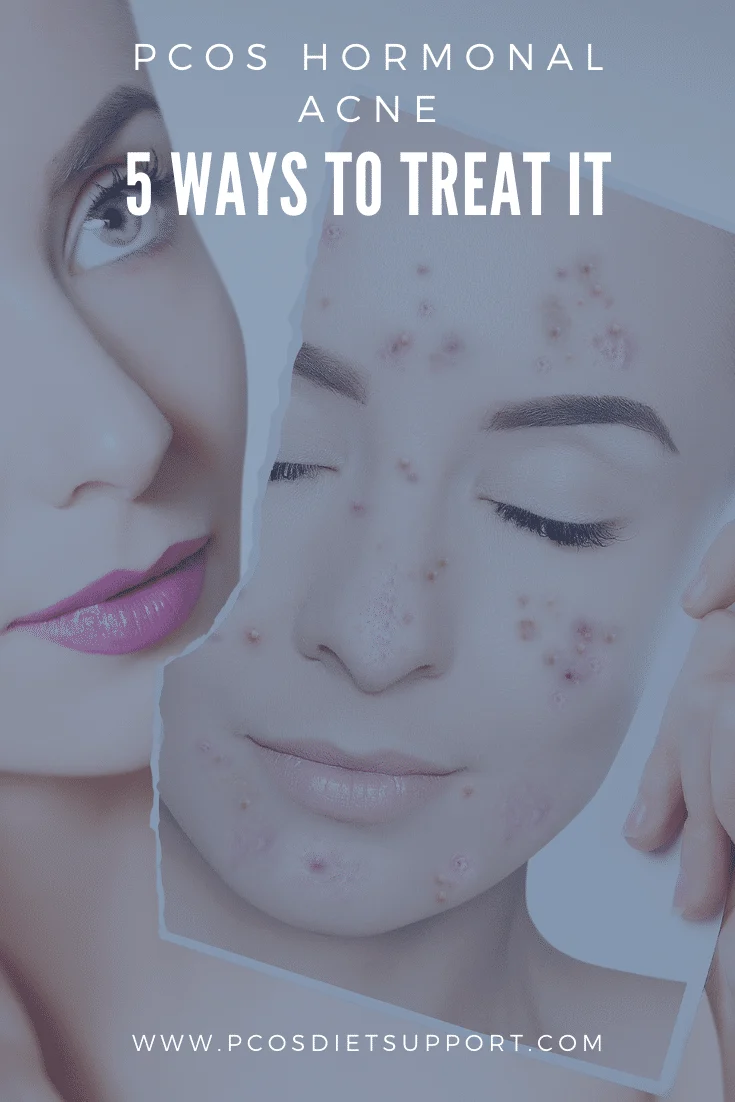
Polycystic Ovary Syndrome (PCOS) remains one of the most prevalent endocrine disorders among women of reproductive age, affecting approximately 5% to 13% of the global female population. While the condition is primarily characterized by ovulatory dysfunction and polycystic ovarian morphology, its dermatological manifestations—specifically hormonal acne—often present the most immediate psychological and social burdens for patients. Unlike standard adolescent acne, which is typically transient and localized to the "T-zone," PCOS-related acne is frequently persistent, severe, and resistant to over-the-counter treatments. This clinical challenge arises from a complex interplay of systemic hormonal imbalances, insulin resistance, and genetic predispositions that require a multi-faceted therapeutic approach.
The Pathophysiology of PCOS-Induced Acne
To understand the persistence of acne in PCOS patients, one must examine the hormonal signaling pathways originating in the pituitary gland. In a healthy physiological state, the pituitary gland orchestrates the release of Luteinizing Hormone (LH) and Follicle-Stimulating Hormone (FSH) to regulate the production of estrogen, progesterone, and androgens. In women with PCOS, this signaling mechanism is frequently disrupted, leading to an elevated LH-to-FSH ratio. This imbalance triggers the ovaries to produce excessive amounts of androgens, particularly testosterone.
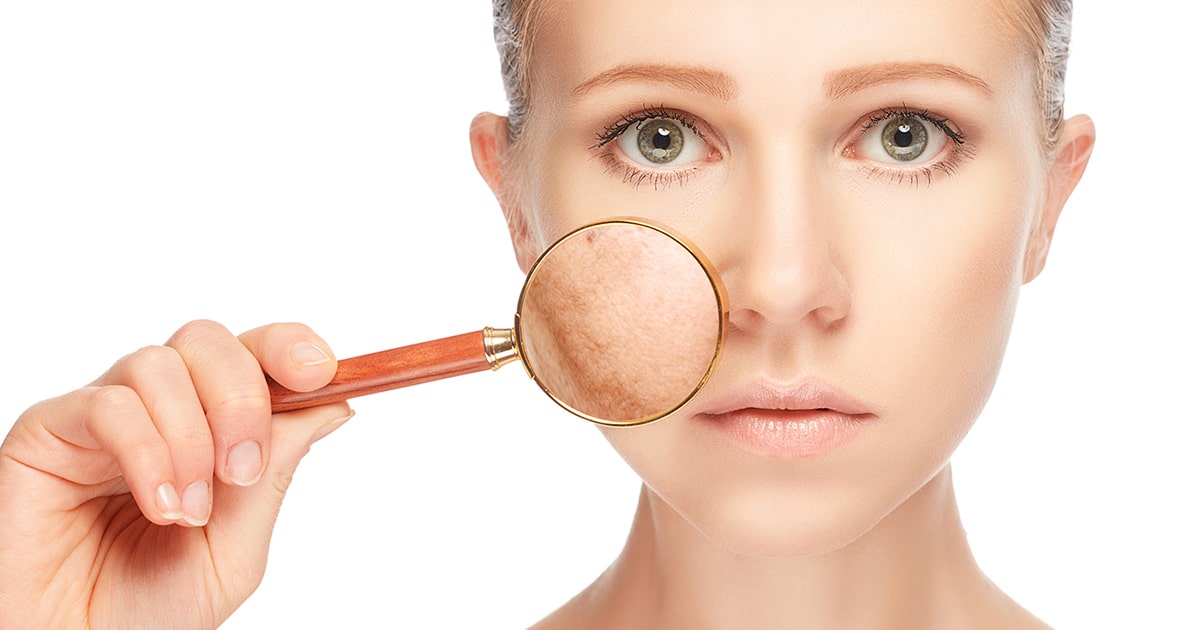
While androgens are essential for bone density and reproductive tissue repair in women, their hyper-secretion leads to the overstimulation of the sebaceous glands. These glands, located within the skin’s pores, produce sebum—an oily substance intended to lubricate the skin. When androgen levels spike, sebum production becomes excessive, leading to clogged pores and providing a fertile environment for Cutibacterium acnes bacteria. Furthermore, PCOS is closely linked to hyperinsulinemia, a condition where the body produces excess insulin due to insulin resistance. Elevated insulin levels further stimulate ovarian androgen production and decrease levels of sex hormone-binding globulin (SHBG), a protein that normally binds to testosterone to render it inactive. Consequently, more "free" testosterone circulates in the bloodstream, exacerbating skin inflammation and cystic acne.
Diagnostic Chronology and Symptom Progression
The clinical journey for many women begins in late adolescence or early adulthood, though the onset of symptoms can be gradual. A typical chronology involves the following stages:
- Initial Manifestation: Patients often report irregular menstrual cycles or amenorrhea (absence of periods) starting shortly after puberty.
- Dermatological Onset: Persistent acne appears, often concentrated along the jawline, chin, and neck—areas highly sensitive to hormonal fluctuations. This is frequently accompanied by hirsutism (excessive hair growth on the face or body).
- Metabolic Shift: Many patients experience unexplained weight gain or difficulty losing weight, alongside acanthosis nigricans (darkened patches of skin), which are hallmark signs of insulin resistance.
- Clinical Diagnosis: Diagnosis is typically confirmed using the Rotterdam Criteria, which require the presence of at least two of the following: oligo- or anovulation, clinical and/or biochemical signs of hyperandrogenism, and polycystic ovaries as identified via ultrasound.
Medical professionals emphasize that early intervention is critical to preventing permanent scarring and addressing the underlying metabolic risks associated with the syndrome, such as Type 2 diabetes and cardiovascular disease.
Pharmaceutical Interventions and Clinical Data
Because PCOS acne is systemic rather than surface-level, dermatologists frequently move beyond topical benzoyl peroxide or salicylic acid, opting for systemic treatments that address the androgenic root cause.
Retinoids and Isotretinoin
Retinoids, derivatives of Vitamin A, have been a cornerstone of acne treatment since the FDA first approved tretinoin in 1971. These compounds work at a cellular level to increase cell turnover and prevent the formation of comedones (clogged pores). For severe, recalcitrant acne, oral isotretinoin (commonly known by the brand name Accutane) is often prescribed. Clinical data suggests that isotretinoin is highly effective, with a significant percentage of patients experiencing long-term remission. However, its use in PCOS patients requires strict oversight.
Isotretinoin is a known teratogen, meaning it can cause severe birth defects if taken during pregnancy. Patients must participate in the iPLEDGE program, which requires monthly pregnancy tests and the use of two forms of contraception. Common side effects include extreme dryness of the skin and mucous membranes, joint pain, and potential elevations in liver enzymes or cholesterol—the latter of which is particularly concerning for PCOS patients who may already have metabolic vulnerabilities.

Antiandrogen Medications
Antiandrogens, such as Spironolactone and Cyproterone acetate, offer a targeted approach by blocking androgen receptors. Spironolactone, originally a potassium-sparing diuretic, has been used "off-label" for over three decades to treat hormonal acne and hirsutism. By preventing testosterone from binding to receptors in the sebaceous glands, it significantly reduces oil production. Clinical studies have shown that low doses (50mg to 100mg daily) can clear hormonal acne in up to 85% of women, though results typically take three to six months to manifest.
Oral Contraceptives
Combined oral contraceptive pills (COCs) containing both estrogen and progestin are frequently the first line of defense. COCs increase SHBG levels, which lowers free testosterone, and suppress the pituitary’s production of LH and FSH, thereby reducing ovarian androgen output. However, the choice of pill is vital; certain older progestins are "androgenic" and can actually worsen acne. Modern "anti-androgenic" pills, such as those containing drospirenone or cyproterone acetate, are preferred for skin clarity.
The Role of Nutrition and the Insulin Connection
Emerging research in nutritional science has highlighted the profound impact of diet on PCOS symptoms. The "insulin-testosterone" feedback loop suggests that managing blood sugar is as important as managing hormones directly.
One of the most significant dietary correlations found in clinical observations is the link between dairy consumption and acne. Dairy products, particularly skim milk, have been shown to increase levels of Insulin-like Growth Factor 1 (IGF-1). IGF-1 mimics the effects of insulin and stimulates androgen production, leading to increased sebum and skin cell proliferation. Many practitioners report that patients who eliminate or significantly reduce dairy intake see a visible reduction in cystic inflammation within two to four weeks.
Furthermore, a low-glycemic index (GI) diet—focusing on whole grains, lean proteins, and high-fiber vegetables—helps stabilize insulin levels. By preventing insulin spikes, patients can naturally lower their androgen levels, complementing the effects of pharmaceutical treatments.
Psychological Implications and Stress Management
The impact of PCOS-related acne extends far beyond physical appearance. Studies indicate that women with PCOS suffer from higher rates of anxiety, depression, and body dysmorphic disorder compared to the general population. The cyclical nature of the condition—where stress triggers cortisol, which in turn triggers oil production and further acne—creates a "vicious cycle" of psychological and physical distress.
Medical experts advocate for a holistic approach that includes stress-reduction techniques. Chronic stress elevates cortisol, a steroid hormone that can bind to androgen receptors and exacerbate skin issues. Clinical recommendations often include:
- Mindfulness and Meditation: To lower baseline cortisol levels.
- Regular Low-Impact Exercise: Such as yoga or walking, which improves insulin sensitivity without the inflammatory stress of extreme high-intensity interval training (HIIT).
- Sleep Hygiene: Ensuring seven to nine hours of quality sleep to facilitate hormonal regulation and skin repair.
Broader Impact and Future Implications
The management of PCOS hormonal acne is increasingly viewed through the lens of personalized medicine. As our understanding of the genetic markers for PCOS expands, treatments are becoming more tailored to the individual’s specific hormonal profile.
The broader implications of untreated PCOS are significant. Beyond the skin, the underlying hormonal imbalance increases the risk of endometrial hyperplasia and metabolic syndrome. Therefore, the treatment of acne is often the "entry point" for women to receive comprehensive endocrine care that protects their long-term health.

In summary, resolving PCOS-related acne requires a transition from superficial skincare to a systemic medical strategy. By combining pharmaceutical interventions like antiandrogens or retinoids with aggressive dietary management and stress reduction, patients can achieve not only clearer skin but also improved metabolic health. The consensus among the medical community is clear: a multi-disciplinary approach involving dermatologists, endocrinologists, and nutritionists offers the highest probability of success for women navigating the complexities of Polycystic Ovary Syndrome.