

Polycystic Ovary Syndrome (PCOS) stands as one of the most prevalent endocrine disorders, affecting approximately 8% to 13% of women of reproductive age globally. Characterized by hormonal imbalances, insulin resistance, and ovulatory dysfunction, the condition presents unique challenges during the reproductive journey, particularly concerning fertility and the maintenance of a healthy pregnancy. Clinical research increasingly emphasizes the role of targeted nutritional interventions—specifically high-quality prenatal vitamins—in mitigating the metabolic and obstetric risks associated with PCOS. As healthcare providers seek to optimize outcomes for this demographic, understanding the specific nutrient requirements and the chronological necessity of supplementation has become a cornerstone of modern reproductive medicine.
The Clinical Necessity of Prenatal Supplementation in PCOS Patients
For women with PCOS, the transition from preconception to pregnancy is often marked by metabolic volatility. Prenatal vitamins serve a dual purpose: they provide the baseline micronutrients required for fetal organogenesis and act as a therapeutic tool to manage maternal symptoms. Unlike a standard multivitamin, prenatal formulations are specifically engineered to meet the increased physiological demands of pregnancy, which include a significant expansion in blood volume and the rapid development of neural and skeletal systems in the fetus.
The American College of Obstetricians and Gynecologists (ACOG) notes that the nutritional status of the mother at the time of conception is a primary determinant of pregnancy health. In the context of PCOS, where chronic inflammation and insulin resistance are often present, these supplements help bridge the gap between dietary intake and the elevated metabolic needs of the body. Furthermore, prenatal vitamins are instrumental in reducing the incidence of common pregnancy-related discomforts such as nausea and constipation, while simultaneously lowering the risk of more severe complications like anemia and low birth weight.
Chronology of Care: The Preconception and Early Pregnancy Timeline
Medical experts generally advocate for a proactive approach to supplementation, recommending that women with PCOS begin a prenatal or preconception vitamin regimen at least three to six months before attempting to conceive. This timeline is critical because the maturation process of an egg (oogenesis) takes approximately 90 days. During this window, the nutritional environment of the ovaries directly influences egg quality and the subsequent viability of the embryo.
The first trimester represents a high-stakes period for fetal development. For instance, the neural tube, which eventually forms the brain and spinal cord, closes within the first 28 days of pregnancy—often before a woman is aware she has conceived. For PCOS patients, who may experience irregular menstrual cycles, the risk of missing this critical developmental window is heightened. Therefore, consistent supplementation ensures that essential nutrients, particularly folate, are present in the bloodstream at therapeutic levels from the moment of fertilization. If conception occurs unexpectedly, clinical guidelines suggest immediate initiation of prenatal vitamins to support the rapid cell division occurring in the early embryonic stages.

Core Nutrients and Their Impact on PCOS Pregnancy
The efficacy of a prenatal vitamin for a PCOS patient is determined by its specific nutrient profile. Five core components have been identified by the American Pregnancy Association as vital for optimizing maternal and fetal health.
Folate and Methylated Folate
Folate, or Vitamin B9, is arguably the most critical nutrient for preventing neural tube defects (NTDs) such as spina bifida. Clinical data suggests that adequate folate intake can reduce the risk of NTDs by up to 70%. For women with PCOS, there is often a higher prevalence of the MTHFR gene mutation, which impairs the body’s ability to process synthetic folic acid. Consequently, many specialists recommend "methylated" folate (5-MTHF), a bioavailable form that the body can utilize more efficiently. Beyond neural health, folate has been linked to a reduced risk of congenital heart defects and oral clefts. The standard recommended daily allowance (RDA) for pregnant women is 400 to 800 micrograms (mcg).
Iron and Hematologic Health
Pregnancy requires a nearly 50% increase in maternal blood volume to support the placenta and fetus. Iron is the primary building block for hemoglobin, the protein in red blood cells that carries oxygen. Iron-deficiency anemia is a frequent complication in pregnancy, leading to fatigue for the mother and potential developmental delays for the infant. The RDA for iron during pregnancy is 27 milligrams (mg). For PCOS patients, maintaining iron levels is essential to prevent the exacerbation of existing fatigue symptoms associated with metabolic dysfunction.

Calcium and Skeletal Integrity
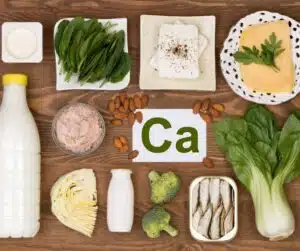
As the fetus develops its skeletal structure, it draws calcium directly from the mother’s stores. If maternal intake is insufficient, this can lead to a reduction in the mother’s bone density. Supplementing with 1,000 mg of calcium daily ensures that both the mother’s bone health is preserved and the baby’s teeth and bones develop correctly.
Vitamin D and Insulin Sensitivity
Vitamin D functions more like a hormone than a vitamin, playing a pivotal role in immune function and bone health. Recent studies indicate that approximately 80% of women with PCOS suffer from Vitamin D deficiency. This deficiency is closely linked to worsened insulin resistance and higher androgen levels, both of which can complicate pregnancy. Clinical guidelines for PCOS often suggest higher doses of Vitamin D—sometimes up to 4,000 IU daily—to improve fertility outcomes and reduce the risk of gestational diabetes and pre-eclampsia.
Omega-3 Fatty Acids (DHA and EPA)
Omega-3 fatty acids, particularly Docosahexaenoic acid (DHA), are essential for the neurological and visual development of the fetus. For the mother, Omega-3s provide potent anti-inflammatory benefits. Since PCOS is characterized by chronic low-grade inflammation, DHA supplementation helps to mitigate systemic stress, improve insulin sensitivity, and potentially lower elevated androgen levels. The recommended intake is at least 300 mg of DHA daily, preferably sourced from high-quality fish oil for maximum bioavailability.
Market Analysis: Leading Formulations for PCOS
Several prenatal supplements have emerged as industry standards due to their ingredient transparency and adherence to clinical guidelines.
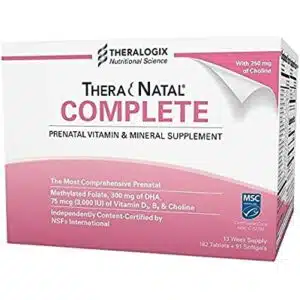
- TheraNatal Complete: Manufactured by Theralogix, this product is frequently recommended by reproductive endocrinologists. It is independently tested for purity and contains methylated folate and a high dose of Vitamin D (3,000 IU). Its comprehensive profile is designed to address the specific metabolic gaps often found in PCOS patients.
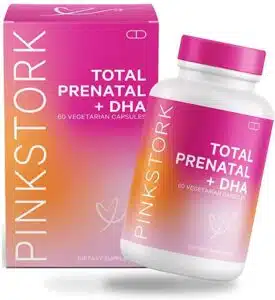
- Pink Stork Total Prenatal: This formulation is noted for its inclusion of a wide array of trace minerals, such as selenium, chromium, and zinc, which play roles in blood sugar regulation and thyroid health. It also includes Vitamin B6, which is clinically recognized for reducing pregnancy-induced nausea.
- Nature Made Prenatal with DHA: Offering a more accessible price point, this USP-verified supplement provides the essential baseline of folic acid, iron, and DHA. It serves as a reliable option for ensuring foundational nutrient coverage without the higher cost of boutique formulations.
The Distinction Between Preconception and Prenatal Support
A significant nuance in reproductive health is the difference between preconception and prenatal vitamins. Preconception vitamins often focus heavily on egg quality and hormonal balance. For PCOS patients, formulations like TheraNatal OvaVite include Coenzyme Q10 (CoQ10), a powerful antioxidant that supports mitochondrial function in the egg, potentially improving conception rates.
Furthermore, the integration of Inositol (specifically a 40:1 ratio of Myo-inositol to D-chiro-inositol) has become a standard recommendation for PCOS. Inositol acts as a second messenger for insulin, helping to restore ovulation and improve egg quality. When used in conjunction with a robust prenatal vitamin, these targeted supplements create an optimized environment for conception.
Managing High-Risk Factors: Gestational Diabetes and Pre-eclampsia
Women with PCOS are statistically at a higher risk for gestational complications. Research indicates that the risk of developing gestational diabetes is nearly three times higher for women with PCOS compared to the general population. Similarly, the risk of pre-eclampsia—a dangerous condition characterized by high blood pressure—is significantly elevated.
While prenatal vitamins are not a panacea, they are a vital component of a risk-reduction strategy. Vitamin D and Inositol, in particular, have shown promise in clinical trials for maintaining healthy glucose metabolism. However, medical professionals emphasize that supplementation must be paired with a low-glycemic diet and regular physical activity. Healthcare providers typically implement rigorous monitoring of glucose tolerance and blood pressure in PCOS pregnancies to ensure early intervention if complications arise.
Broader Impact and Long-term Implications
The implications of prenatal nutrition for PCOS extend beyond the immediate pregnancy. Emerging research in the field of epigenetics suggests that the nutritional environment in utero can influence the long-term health of the child, including their future risk for metabolic syndrome and PCOS. By optimizing the maternal environment through targeted supplementation, women with PCOS may be able to positively influence the health trajectory of the next generation.
In conclusion, the management of PCOS during pregnancy requires a sophisticated understanding of micronutrient synergy. The transition from a state of hormonal imbalance to a healthy pregnancy is facilitated by the strategic use of folate, iron, Vitamin D, and Omega-3 fatty acids. As clinical awareness of PCOS grows, the integration of high-quality prenatal vitamins has moved from a general recommendation to a critical medical intervention, ensuring that both mother and child can navigate the complexities of a PCOS pregnancy with improved safety and health outcomes.