

Polycystic Ovary Syndrome (PCOS) remains one of the most prevalent endocrine disorders among women of reproductive age, affecting approximately 8% to 13% of the global female population. For those navigating the complexities of pregnancy or preconception planning while managing PCOS, the role of targeted nutritional supplementation becomes a critical component of clinical care. Because PCOS is characterized by hormonal imbalances, insulin resistance, and chronic low-grade inflammation, the nutritional requirements for a healthy pregnancy often exceed those of the general population. Medical experts and reproductive endocrinologists increasingly emphasize that prenatal vitamins are not merely a general health insurance policy but a foundational intervention to mitigate the elevated risks associated with PCOS, including gestational diabetes, pre-eclampsia, and preterm birth.
The Biological Necessity of Prenatal Supplementation in PCOS Pregnancies
The physiological demands of pregnancy require a significant increase in micro- and macronutrient intake to support fetal organogenesis and maternal metabolic health. For women with PCOS, these requirements are further complicated by the syndrome’s underlying pathophysiology. Insulin resistance, a hallmark of PCOS found in up to 70% of cases regardless of body mass index, can interfere with the absorption and utilization of certain vitamins. Furthermore, the higher levels of oxidative stress observed in women with PCOS can deplete the body’s antioxidant reserves more rapidly than in women without the condition.

Prenatal vitamins serve to bridge the gap between dietary intake and the heightened physiological needs of the maternal-fetal unit. Clinical data suggests that early intervention—ideally three to six months prior to conception—can significantly improve oocyte (egg) quality and uterine receptivity. By providing a concentrated source of essential elements such as folic acid, iron, and iodine, these supplements help ensure that the critical windows of fetal development, particularly the closure of the neural tube in the first few weeks of gestation, are supported even before a pregnancy is officially confirmed.
Optimal Timing: The Shift from Preconception to Prenatal Care
The timeline for starting a vitamin regimen is a frequent point of discussion in reproductive medicine. The consensus among organizations such as the American College of Obstetricians and Gynecologists (ACOG) is that supplementation should begin as soon as a woman begins attempting to conceive. This "preconception window" is vital because the most significant developmental milestones, such as the formation of the heart and central nervous system, occur very early in the first trimester.
In the context of PCOS, the preconception phase often requires additional focus on egg quality. Hormonal imbalances, specifically elevated androgens (male hormones), can hinder the maturation of follicles. Therefore, many specialists recommend "preconception vitamins" which differ slightly from standard prenatals by including higher doses of antioxidants like Coenzyme Q10 (CoQ10) or insulin sensitizers like Myo-inositol. Once pregnancy is confirmed, the regimen typically shifts toward a standard prenatal profile that prioritizes fetal growth and maternal blood volume expansion. However, for the PCOS patient, the transition must be managed carefully to ensure that insulin-sensitizing support continues if deemed necessary by a healthcare provider.

Analyzing the Five Core Nutrients for PCOS Maternal Health
While a wide array of vitamins is included in prenatal formulas, five specific nutrients stand out as essential for managing the unique risk profile of PCOS during pregnancy.
1. Folate and the Methylation Requirement
Folate, or Vitamin B9, is perhaps the most well-known prenatal nutrient due to its role in preventing neural tube defects (NTDs) like spina bifida. For women with PCOS, there is an added layer of complexity regarding folate metabolism. Some research suggests a higher prevalence of MTHFR (methylenetetrahydrofolate reductase) gene mutations in women with PCOS, which can impair the body’s ability to convert synthetic folic acid into its active form. Consequently, many modern prenatal vitamins for PCOS now utilize "methylated folate" (5-MTHF) to ensure maximum bioavailability. The standard recommendation remains at least 400 to 800 micrograms (mcg) daily to support rapid cell division and DNA synthesis in the growing fetus.
2. Iron and Blood Volume Expansion
Iron deficiency anemia is a common complication in pregnancy, as maternal blood volume increases by nearly 50% to support the placenta and fetus. For women with PCOS, who may already experience fatigue due to metabolic dysfunction, maintaining adequate iron levels is paramount. The recommended daily allowance (RDA) during pregnancy rises to 27 milligrams (mg). Iron is the primary component of hemoglobin, the protein in red blood cells that carries oxygen to tissues. Insufficient iron can lead to low birth weight and increased risks of postpartum hemorrhage.

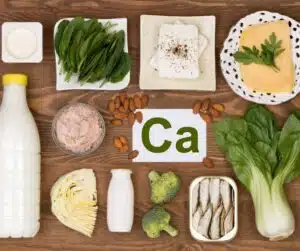
3. Calcium and Skeletal Integrity
During the third trimester, the fetal skeleton undergoes rapid mineralization, drawing heavily on maternal calcium stores. If dietary or supplemental intake is insufficient, the body will resorb calcium from the mother’s bones, potentially compromising her long-term bone density. A daily intake of 1,000 mg is recommended. For PCOS patients who may be avoiding dairy due to sensitivities or attempts to manage insulin levels, high-quality calcium supplementation in a prenatal vitamin is essential.
4. Vitamin D: The Pro-Hormone Connection
Vitamin D functions more like a pro-hormone than a vitamin, playing a significant role in insulin signaling and immune function. Statistical data indicates that up to 80% of women with PCOS are Vitamin D deficient. This deficiency is linked to worsened insulin resistance and an increased risk of gestational diabetes. Furthermore, Vitamin D is crucial for the absorption of calcium. While the American Pregnancy Association notes a standard recommendation, many PCOS specialists suggest higher doses—up to 4,000 IU—depending on the patient’s baseline serum levels, to ensure metabolic stability throughout the pregnancy.
5. Omega-3 Fatty Acids and Anti-Inflammatory Action
Omega-3 fatty acids, specifically Docosahexaenoic acid (DHA) and Eicosapentaenoic acid (EPA), are critical for fetal brain and retinal development. Beyond fetal growth, Omega-3s offer a significant therapeutic benefit for the mother with PCOS. These essential fats possess potent anti-inflammatory properties that help counteract the systemic inflammation characteristic of the syndrome. By improving insulin sensitivity and reducing androgen levels, Omega-3s can help maintain a healthier metabolic environment for the developing baby. A minimum of 300 mg of DHA daily is typically advised.
PCOS-Specific Supplementation: Inositol and CoQ10
Beyond the standard vitamins, women with PCOS often benefit from "targeted" supplements that address the root causes of their symptoms. Myo-inositol and D-chiro-inositol are perhaps the most studied interventions in this category. These compounds act as second messengers in the insulin signaling pathway. Clinical trials have shown that inositol supplementation can improve ovulation rates in the preconception phase and may reduce the incidence of gestational diabetes by as much as 50% in high-risk PCOS populations.
Similarly, Coenzyme Q10 (CoQ10) is gaining traction as a vital preconception tool. As an antioxidant that supports mitochondrial function, CoQ10 has been shown to improve oocyte quality, which is often a challenge in PCOS due to oxidative stress within the follicular fluid. While CoQ10 is often discontinued once pregnancy is confirmed, its role in the months leading up to conception can be a deciding factor in a successful pregnancy outcome.
Mitigating Pregnancy Risks: Gestational Diabetes and Pre-eclampsia
The clinical implications of unmanaged PCOS during pregnancy are significant. Women with the condition face a three-fold increase in the risk of developing gestational diabetes mellitus (GDM) compared to the general population. They also face higher rates of pregnancy-induced hypertension and pre-eclampsia. These risks are largely driven by the interplay between obesity (when present), insulin resistance, and vascular dysfunction.
A robust prenatal vitamin regimen, combined with medical monitoring, serves as a primary defense. For instance, magnesium—often included in high-quality prenatals—plays a role in blood pressure regulation and glucose metabolism. When combined with a low-glycemic diet and regular physical activity, targeted supplementation provides a multi-faceted approach to risk reduction. Healthcare providers typically conduct glucose tolerance tests earlier in pregnancy for PCOS patients to ensure early detection and management of metabolic shifts.
Evaluating Market Options: Theralogix, Pink Stork, and Nature Made
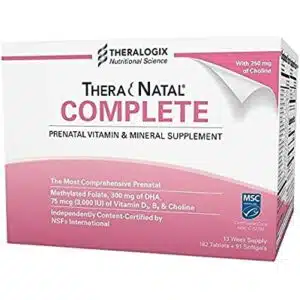
The pharmaceutical and nutraceutical market offers various formulations tailored to these needs. Products like TheraNatal Complete by Theralogix are frequently cited by specialists due to their inclusion of methylated folate and high doses of Vitamin D, specifically formulated to meet the higher metabolic demands of PCOS patients. Theralogix also produces Ovasitol, a leading inositol supplement that is often paired with prenatal vitamins in clinical settings.
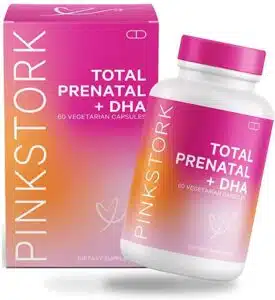
For consumers seeking alternative delivery methods or broader nutrient profiles, Pink Stork Total Prenatal offers a comprehensive blend including B-complex vitamins and trace minerals like selenium and chromium, which are involved in carbohydrate metabolism. On the other end of the spectrum, Nature Made provides a USP-verified, cost-effective option that covers the essential requirements of folic acid and DHA, making quality prenatal care accessible to a wider demographic. The choice of supplement should ideally be guided by blood work and a consultation with a reproductive endocrinologist or a specialized dietitian.
Broader Impact: Fetal Programming and Long-term Health
The importance of prenatal nutrition for PCOS extends beyond the immediate goal of a healthy delivery. The field of epigenetics suggests that the intrauterine environment can "program" the long-term health of the child. This is known as the Barker Hypothesis or the Developmental Origins of Health and Disease (DOHaD). Children born to mothers with unmanaged PCOS and high insulin levels may have a higher predisposition to metabolic syndrome, obesity, and PCOS themselves later in life.
By optimizing the nutritional environment through targeted supplementation, mothers with PCOS are not only protecting their own health but potentially breaking the cycle of metabolic dysfunction for the next generation. This perspective shifts the view of prenatal vitamins from a daily routine to a profound act of preventative medicine.
Conclusion and Clinical Outlook
Managing a pregnancy with Polycystic Ovary Syndrome requires a proactive, science-based approach to nutrition. While the condition introduces unique metabolic hurdles, the strategic use of prenatal and preconception vitamins offers a proven pathway to improving outcomes. By focusing on high-bioavailability folate, adequate Vitamin D, and anti-inflammatory Omega-3s, women can significantly mitigate the risks of gestational complications.

As research continues to evolve, the integration of insulin-sensitizing supplements like inositol into standard prenatal care for PCOS may become the new clinical gold standard. For now, patients are encouraged to work closely with their medical teams to tailor their vitamin intake to their specific hormonal and metabolic needs, ensuring a foundation of health for both mother and child. Through informed supplementation, the challenges of PCOS can be managed, allowing for a healthy, vibrant pregnancy and a resilient start for the newborn.