

Polycystic Ovary Syndrome (PCOS) has long been recognized primarily as an endocrine disorder affecting reproductive health; however, emerging clinical data and patient experiences increasingly highlight its systemic impact, particularly regarding chronic inflammation and debilitating joint pain. While the hallmark symptoms of PCOS typically include irregular menstrual cycles, hirsutism, and hormonal imbalances, a significant portion of the patient population reports persistent arthralgia—joint pain—that can severely diminish quality of life. This discomfort is not merely a secondary effect of the condition but is rooted in the complex inflammatory landscape that characterizes the PCOS metabolic profile.
The prevalence of joint pain in women with PCOS is often linked to a state of general chronic low-grade inflammation. Unlike acute inflammation, which is a necessary and temporary response to injury, chronic inflammation in PCOS persists, leading to swollen joints, stiffness, and localized burning sensations. Medical professionals are increasingly advocating for a multi-modal management strategy that includes anti-inflammatory dietary protocols, targeted supplementation, gentle aerobic activity, and ergonomic adjustments to mitigate these symptoms and prevent long-term musculoskeletal degradation.

The Biological Mechanism of PCOS-Related Inflammation
To understand why PCOS triggers joint pain, it is essential to examine the body’s inflammatory response. Inflammation occurs when the immune system identifies a perceived threat, prompting white blood cells to release chemicals into the bloodstream or affected tissues. This process increases blood flow to the area, often resulting in redness, warmth, and swelling. In a healthy physiological state, this response subsides once the threat is neutralized. However, in women with PCOS, this system often remains in a state of hyper-activation.
The primary biomarker for this systemic inflammation is C-reactive protein (CRP). Clinical studies have consistently shown a high correlation between elevated CRP levels and PCOS. This protein, produced by the liver, rises in response to inflammation and is a known indicator of increased risks for glucose intolerance, insulin resistance, heart disease, and type 2 diabetes—conditions that disproportionately affect the PCOS community. When CRP levels remain chronically high, the body’s tissues, including the synovial membranes surrounding the joints, become sensitized and inflamed, leading to the "invisible illness" of persistent joint aching.
The Rheumatoid Arthritis Connection and Autoimmune Risks
The implications of chronic inflammation in PCOS extend beyond general discomfort, potentially predisposing patients to more severe autoimmune conditions. Research indicates that women with PCOS, particularly those with irregular menstruation or those experiencing early menopause, face a heightened risk of developing Rheumatoid Arthritis (RA). RA is a chronic autoimmune disorder where the immune system mistakenly attacks the joints, causing painful swelling that can eventually lead to bone erosion and joint deformity.

The relationship between these two conditions is often described as a "snowball effect." The inflammation resulting from RA can exacerbate PCOS symptoms by worsening insulin resistance. This, in turn, triggers an increase in the production of testosterone, the key androgen responsible for weight gain, acne, and hair loss in PCOS patients. Furthermore, because PCOS is frequently associated with a higher Body Mass Index (BMI), the mechanical stress of excess weight on weight-bearing joints—such as the knees and hips—acts as a catalyst for inflammatory damage, creating a cycle of pain and reduced mobility.
Diagnostic Challenges and Indicators
One of the most significant hurdles for patients is the "invisible" nature of inflammatory joint pain. While external redness and swelling are clear indicators, inflammation often manifests internally as fatigue, chronic headaches, or organ-level stress. Because these symptoms are non-specific, many women suffer for years without a formal diagnosis of systemic inflammation.
Modern diagnostic protocols now emphasize a combination of imaging and laboratory testing. X-rays and CAT scans are utilized to detect structural changes or significant fluid buildup in the joints, while blood panels measuring high-sensitivity CRP (hs-CRP) provide a clearer picture of the body’s inflammatory status. Medical experts urge patients not to dismiss joint pain as a mere byproduct of fatigue, as early intervention can prevent the progression into gout or other forms of inflammatory arthritis.

Nutritional Interventions: The Anti-Inflammatory and Low-GI Approach
Dietary management is considered the cornerstone of treating PCOS-related joint pain, primarily because of its direct influence on insulin production. A significant majority of women with PCOS exhibit insulin resistance, which serves as a primary driver of systemic inflammation. By adopting a combined Anti-Inflammatory and Low Glycemic Index (GI) diet, patients can stabilize blood sugar levels and reduce the chemical triggers for joint pain.
The Glycemic Index measures how quickly carbohydrate-containing foods affect blood glucose levels. High-GI foods, such as white bread, sugary snacks, and processed cereals, cause rapid spikes in insulin, which have been shown to promote inflammatory pathways. Conversely, Low-GI foods—including legumes, whole grains, and most non-starchy vegetables—are digested more slowly, providing a steady energy release and minimizing inflammatory flares.
Key components of a successful anti-inflammatory diet for PCOS include:

- Omega-3 Rich Foods: Fatty fish such as salmon, tuna, and sardines.
- Antioxidant-Dense Fruits: Berries (strawberries, blueberries, cherries) and citrus fruits.
- Healthy Fats: Extra virgin olive oil, avocados, and nuts.
- Leafy Greens: Spinach, kale, and Swiss chard, which contain high levels of vitamins and minerals that combat oxidative stress.
- Spices: Turmeric, specifically its active compound curcumin, has been scientifically recognized for its ability to inhibit inflammatory enzymes.
Clinical Efficacy of Omega-3 Supplementation
For many patients, dietary intake alone may be insufficient to combat high levels of CRP. Clinical trials, including those by Khani et al. (2017) and Cussons et al. (2009), have demonstrated that Omega-3 fatty acid supplementation is particularly effective for the PCOS demographic. Beyond reducing joint stiffness, Omega-3s have been shown to lower testosterone levels, decrease liver fat content, and improve the overall lipid profile. By lowering inflammatory markers, these supplements act as a systemic "buffer" against the aches and pains associated with hormonal fluctuations.
The Role of Physical Therapy and Gentle Exercise
While the instinct during a pain flare-up is to remain sedentary, medical consensus suggests that complete inactivity can worsen joint stiffness. However, high-impact exercise can be detrimental to already inflamed joints. The recommended approach is gentle aerobic activity, which promotes the release of endorphins—the body’s natural painkillers.
Activities such as swimming, cycling, and walking provide cardiovascular benefits without placing excessive strain on the musculoskeletal system. Furthermore, regular movement helps regulate stress hormones like cortisol and adrenaline, which are often elevated in PCOS patients and contribute to the perception of pain. Exercise also assists in weight maintenance, thereby reducing the mechanical load on the joints and lowering the baseline of systemic inflammation.
Pharmacological and Therapeutic Symptom Management
For immediate relief of acute pain, non-steroidal anti-inflammatory drugs (NSAIDs) remain a standard recommendation. These medications work by inhibiting the production of prostaglandins, the chemicals responsible for signaling pain and fever. However, doctors advise that NSAIDs should be used as a targeted tool rather than a long-term solution, ideally taken before activities known to trigger flare-ups.
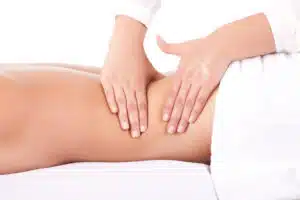
Complementary therapies such as professional massage and thermal treatments also play a vital role. Massage therapy by a licensed professional increases blood flow to affected tissues and has been shown to boost serotonin and arginine-vasopressin levels, which can lower blood pressure and reduce inflammatory cytokines. Additionally, the practice of alternating between heat and ice therapy is a cost-effective home remedy; heat encourages nutrient-rich blood flow to relax tight muscles, while ice constricts blood vessels to reduce localized swelling.
Environmental Factors and Ergonomics in the Modern Workplace
The shift toward remote and hybrid work environments has introduced new challenges for PCOS management. Poor ergonomic setups—such as working from dining chairs or sofas—can exacerbate pre-existing joint issues by forcing the body into unnatural postures for extended periods. The resulting muscular-skeletal strain can trigger inflammatory responses in the neck, back, and wrists.

Health experts emphasize the importance of dedicated ergonomic furniture and the implementation of "movement breaks." Using timers to remind oneself to stretch or walk for five minutes every hour can prevent the joint gelation (stiffening) that occurs with prolonged sitting. This environmental awareness is crucial for maintaining the progress made through diet and exercise.
Long-term Implications and Holistic Integration
The management of joint pain in PCOS is a long-term endeavor that requires the integration of medical, nutritional, and lifestyle interventions. As clinical understanding of PCOS evolves from a localized reproductive issue to a systemic inflammatory syndrome, the medical community is placing greater emphasis on preventative care.
Addressing joint pain early not only improves daily functionality but also serves as a critical intervention against the development of cardiovascular disease and permanent joint damage. By viewing joint pain as a vital sign of the body’s internal state, women with PCOS can take proactive steps to recalibrate their health, utilizing a combination of traditional medicine and holistic lifestyle changes to achieve a pain-free future.