
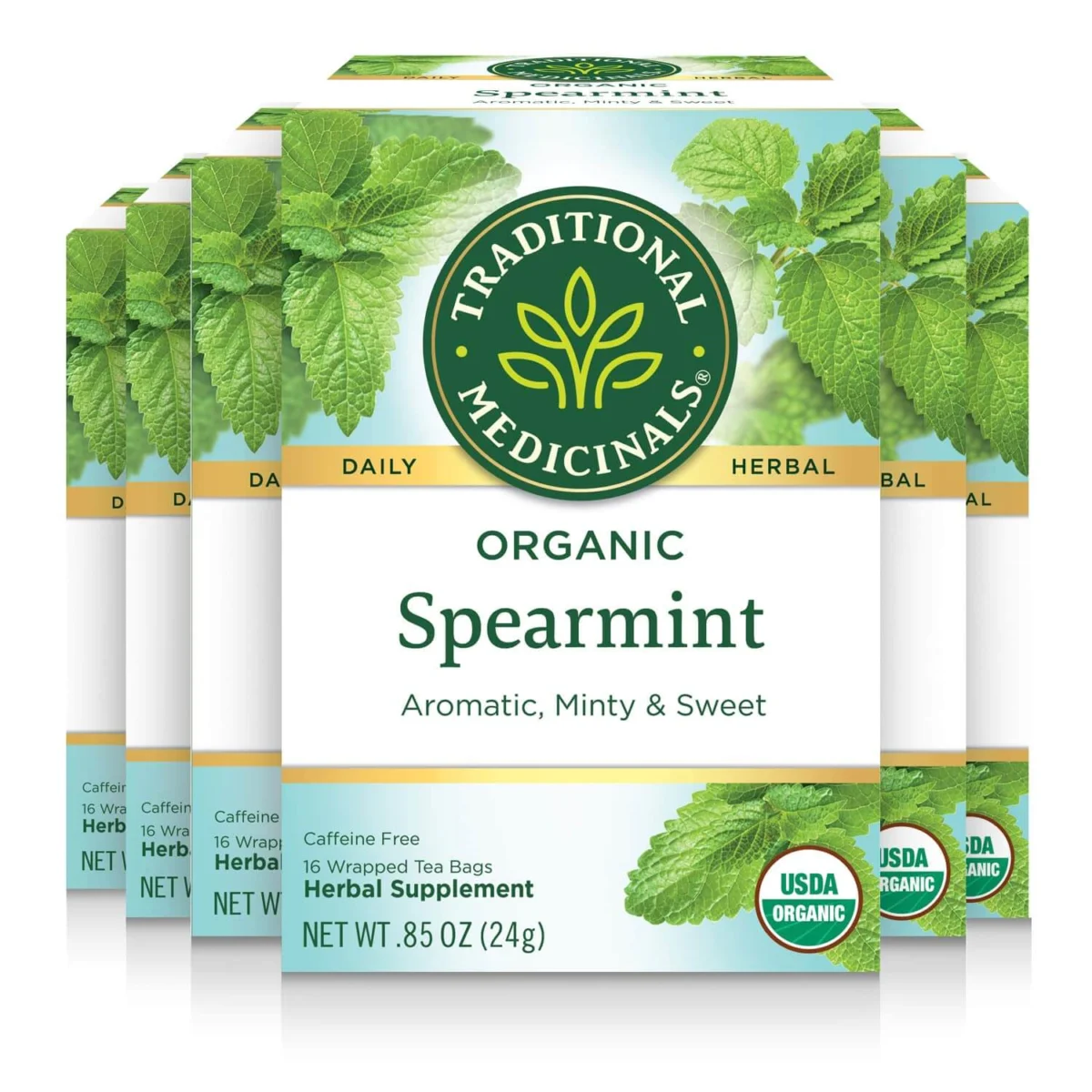
Medical researchers and endocrinology specialists are increasingly investigating the therapeutic role of spearmint tea (Mentha spicata) as a non-pharmacological intervention for women diagnosed with Polycystic Ovary Syndrome (PCOS). Recent clinical data and longitudinal studies suggest that the regular consumption of this herbal infusion may significantly mitigate the hormonal imbalances and metabolic disturbances characteristic of the disorder. As PCOS affects an estimated 8% to 13% of reproductive-aged women globally, the identification of accessible, plant-based anti-androgens represents a significant development in integrative gynecological care.
Polycystic Ovary Syndrome is a complex endocrine disorder defined by a combination of hyperandrogenism, ovulatory dysfunction, and polycystic ovarian morphology. Beyond reproductive challenges, the condition is frequently associated with insulin resistance, systemic inflammation, and psychological distress. While traditional treatments often involve oral contraceptives or insulin-sensitizing agents like metformin, a growing body of evidence highlights the efficacy of spearmint tea in lowering serum testosterone levels and improving clinical symptoms such as hirsutism and inflammatory acne.
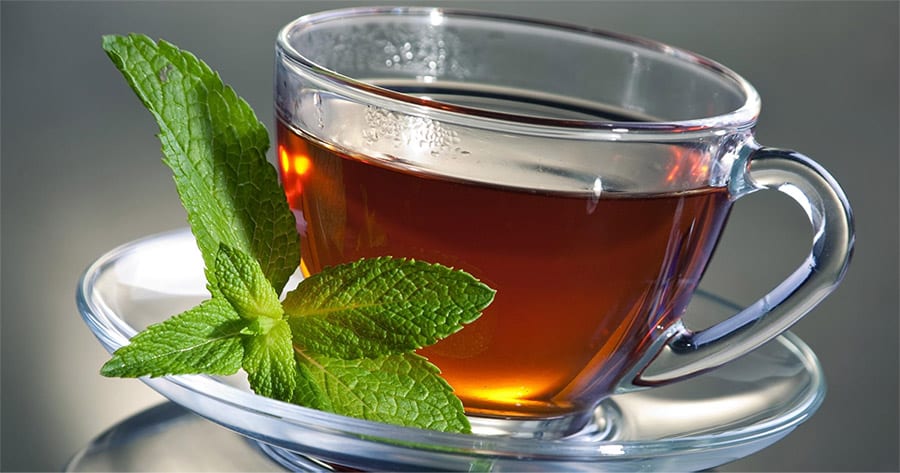
Clinical Research and the Mechanism of Anti-Androgenic Action
The primary scientific basis for the use of spearmint tea in PCOS management stems from a landmark randomized controlled trial published in Phytotherapy Research. In this study, forty-two women with PCOS and clinical hirsutism were monitored over a 30-day period. Participants were divided into two cohorts: the experimental group consumed spearmint tea twice daily, while the control group received a placebo herbal infusion.
The results demonstrated a statistically significant reduction in both total and free testosterone levels among the spearmint tea consumers. Conversely, the study observed an increase in luteinizing hormone (LH) and follicle-stimulating hormone (FSH). These shifts are critical because PCOS is often characterized by a high LH-to-FSH ratio and elevated androgens, which inhibit normal follicular development and ovulation. By normalizing these gonadotropins, spearmint tea may facilitate a more regulated menstrual cycle.
Furthermore, while clinical measurements of hair growth (using the Ferriman-Gallwey scale) often require more than 30 days to show objective change due to the slow nature of the hair growth cycle, the subjective reports from the study participants were notably positive. A significant majority of the women in the experimental group reported a perceived reduction in the density and growth rate of unwanted facial and body hair.

Addressing Dermatological Concerns: Acne and Hirsutism
The dermatological manifestations of PCOS, specifically hirsutism (excessive terminal hair growth in a male-pattern distribution) and persistent acne, are driven by high levels of circulating androgens. Androgens stimulate the sebaceous glands to produce excess oil and cause vellus hair to transform into coarse terminal hair.
Data presented by the American Academy of Dermatology (AAD) in 2015 provided further support for the use of spearmint as a dermatological aid. Their research indicated that the consumption of two cups of organic spearmint tea daily resulted in a 25% reduction in inflammatory acne lesions after one month. This figure rose to a 51% reduction after three months of consistent use. This suggests that the anti-inflammatory and anti-androgenic properties of Mentha spicata provide a cumulative benefit, necessitating long-term adherence to the regimen for optimal results.
For women suffering from female pattern hair loss (androgenetic alopecia), which is also common in PCOS, the reduction of systemic testosterone is a primary goal. While direct clinical trials on spearmint tea specifically for PCOS-related scalp hair loss are currently limited, the physiological link between lowered androgens and reduced follicular miniaturization suggests a plausible therapeutic pathway.

Metabolic Implications and Insulin Sensitivity
One of the most critical aspects of PCOS management is the mitigation of insulin resistance, a precursor to Type 2 diabetes and cardiovascular disease. While human trials focusing specifically on spearmint and insulin in PCOS are ongoing, preliminary animal models have yielded promising data.
In studies involving diabetic rat models, the administration of spearmint aqueous extract was found to lower blood glucose levels and improve lipid profiles. For the PCOS population, this is significant because hyperinsulinemia (excess insulin) further stimulates the ovaries to produce more testosterone, creating a feedback loop that worsens the syndrome. By potentially improving glucose metabolism and reducing oxidative stress, spearmint tea acts as a multi-modal agent that addresses both the endocrine and metabolic pillars of the condition.
Cognitive Function and the "Brain Fog" Phenomenon
Women with PCOS frequently report "brain fog," characterized by fatigue, lack of mental clarity, and memory lapses. This is often attributed to fluctuating hormone levels and systemic inflammation. Research into the cognitive benefits of spearmint extract has shown that the plant contains high concentrations of polyphenols, including rosmarinic acid.

A 90-day study involving 90 individuals with age-associated memory impairment found that spearmint extract significantly improved working memory and mental focus. The study, published in the Journal of Alternative and Complementary Medicine, highlighted an improvement in cognitive function and a reduction in self-reported stress levels. For a PCOS patient, these neuroprotective qualities may help manage the psychological burden of the chronic condition and improve daily productivity.
Antioxidant Properties and Oxidative Stress Reduction
PCOS is increasingly recognized as a state of chronic low-grade inflammation. Elevated markers of oxidative stress are common in women with the disorder, regardless of their Body Mass Index (BMI). Spearmint tea is a potent source of antioxidants, which neutralize free radicals and protect cellular integrity.
By reducing oxidative stress, spearmint may help protect the quality of oocytes (eggs) and improve overall vascular health. This systemic protection is a vital component of long-term PCOS care, as it helps mitigate the increased risk of hypertension and metabolic syndrome associated with the diagnosis.
Chronology of Implementation and Patient Expectations
Medical professionals emphasize that botanical interventions do not yield the immediate results seen with synthetic pharmaceuticals. The timeline for spearmint tea efficacy is generally measured in months rather than days.
- Month 1: Initial hormonal shifts begin; potential reduction in inflammatory acne lesions.
- Month 3: Significant reduction in acne; first signs of slowed hair growth in hirsute areas.
- Month 6: Maximal anti-androgenic effects; potential improvement in menstrual regularity and subjective reports of improved hair density on the scalp.
Consistency is cited as the most critical factor for success. Most protocols recommend two cups per day, prepared by steeping approximately 1 gram of dried spearmint leaves in 12 ounces of boiling water for 10 minutes.
Safety, Contraindications, and Professional Oversight
Despite its status as a natural herbal product, spearmint tea is not without contraindications. Healthcare providers caution that the herb can relax the lower esophageal sphincter, potentially exacerbating symptoms of gastroesophageal reflux disease (GERD). Furthermore, while generally recognized as safe (GRAS) by the FDA, the use of spearmint in concentrated supplement form or essential oil form requires strict medical supervision.

There is also a lack of safety data regarding the consumption of therapeutic levels of spearmint during pregnancy or breastfeeding. Given its anti-androgenic nature, it could theoretically interfere with the hormonal environment required for a developing fetus, particularly a male one. Therefore, women are advised to discontinue therapeutic spearmint use once pregnancy is confirmed.
Broader Impact and the Future of Integrative PCOS Care
The growing interest in spearmint tea reflects a broader shift in the medical community toward "patient-centered" and "integrative" medicine. Many women with PCOS express a preference for natural alternatives due to the side effects associated with hormonal birth control, such as mood swings, weight gain, and increased risk of thromboembolism.
The economic implications are also noteworthy. Spearmint tea is a low-cost, widely available resource, making it a viable option for patients in various socioeconomic brackets. As healthcare costs continue to rise, the validation of inexpensive botanical remedies through rigorous clinical trials provides a path toward more sustainable and accessible public health outcomes.
Future research is expected to focus on larger-scale, multi-center human trials to establish standardized dosing and to investigate the synergy between spearmint tea and other lifestyle interventions, such as low-glycemic diets and resistance training. For now, the evidence suggests that for the millions of women navigating the challenges of PCOS, two cups of spearmint tea a day may serve as a powerful, scientifically-backed tool in their management toolkit.