

Polycystic Ovary Syndrome (PCOS) remains one of the most prevalent endocrine disorders among women of reproductive age, affecting approximately 8% to 13% of the population globally. For individuals navigating this condition, pregnancy presents a unique set of physiological challenges that require specialized nutritional intervention. Medical professionals emphasize that managing PCOS during the prenatal period is not merely about general supplementation but involves a targeted approach to address hormonal imbalances, insulin resistance, and chronic inflammation. Prenatal vitamins tailored for PCOS are designed to mitigate these risks, ensuring that both the mother and the developing fetus receive the specific micronutrients necessary for a healthy gestation.
The Clinical Significance of Prenatal Supplementation in PCOS
The transition from preconception to pregnancy involves a massive shift in metabolic demand. For women with PCOS, this shift is often complicated by pre-existing insulin resistance and an increased risk of metabolic syndrome. Clinical data suggests that women with PCOS are at a higher risk for several pregnancy-related complications, including gestational diabetes mellitus (GDM), pregnancy-induced hypertension, and pre-eclampsia. Consequently, the role of prenatal vitamins extends beyond preventing birth defects; they serve as a critical tool in stabilizing the maternal environment.

The American College of Obstetricians and Gynecologists (ACOG) and the American Pregnancy Association have long advocated for early vitamin intervention. For the PCOS demographic, this intervention often begins months before conception to improve oocyte (egg) quality and regulate ovulation. By the time a pregnancy is confirmed, the body’s stores of folate, Vitamin D, and essential fatty acids must already be at optimal levels to support rapid embryonic development.
Core Nutritional Requirements and Their Mechanisms
Understanding the specific nutrients required for PCOS management allows patients and healthcare providers to select the most effective supplements. The following five components are considered the pillars of PCOS-specific prenatal care.
Folate and the Prevention of Neural Tube Defects
Folate, or Vitamin B9, is perhaps the most well-known prenatal requirement. It is essential for DNA synthesis and the closure of the neural tube within the first 28 days of pregnancy—often before a woman knows she is pregnant. For those with PCOS, some researchers suggest a preference for methylated folate (5-MTHF) over synthetic folic acid, as a subset of the population possesses a genetic variation (MTHFR) that hinders the conversion of synthetic folic acid into its active form.

Beyond neural tube protection, adequate folate levels are linked to a reduction in the risk of cleft lip and palate, as well as certain congenital heart defects. The standard recommendation is a minimum of 400 to 800 micrograms (mcg) daily, though women with high-risk factors may be prescribed higher doses by their physicians.
The Role of Iron in Oxygen Transport and Energy
Pregnancy increases the maternal blood volume by nearly 50%, significantly raising the demand for iron. Iron is the primary component of hemoglobin, the protein in red blood cells that carries oxygen to tissues and the fetus. Women with PCOS may already struggle with fatigue or anemia; therefore, maintaining an intake of roughly 27 milligrams (mg) per day is vital. Supplemental iron helps prevent iron-deficiency anemia, which is associated with preterm birth and low birth weight.
Calcium and Bone Density Maintenance
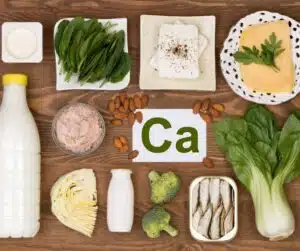
As the fetal skeleton develops, it draws calcium directly from the mother’s reserves. If maternal intake is insufficient, the body will demineralize the mother’s own bones to provide for the fetus. For PCOS patients, who may also face long-term risks regarding bone mineral density due to hormonal fluctuations, ensuring a daily intake of 1,000 mg of calcium is a protective measure for both generations.

Vitamin D: A Critical Hormone Regulator
Vitamin D acts more like a pro-hormone than a traditional vitamin. Research indicates that approximately 67% to 85% of women with PCOS are deficient in Vitamin D. This deficiency is closely linked to worsened insulin resistance and higher androgen levels. In the context of pregnancy, Vitamin D is essential for calcium absorption and immune function. Clinical trials have suggested that Vitamin D supplementation may reduce the risk of gestational diabetes, a primary concern for the PCOS community. While the standard RDA is often lower, many specialists recommend between 2,000 and 4,000 IU daily for women with diagnosed PCOS, pending blood tests.
Omega-3 Fatty Acids and Inflammation Control
Chronic low-grade inflammation is a hallmark of PCOS. Omega-3 fatty acids, particularly Eicosapentaenoic acid (EPA) and Docosahexaenoic acid (DHA), are potent anti-inflammatory agents. DHA is also a structural component of the fetal brain and retina. For the mother, Omega-3s can help improve insulin sensitivity and lower triglyceride levels. The recommended dosage is at least 300 mg of DHA daily, typically sourced from high-quality, purified fish oil to avoid heavy metal contamination.
Comparative Analysis of Leading Prenatal Supplements
The market for prenatal vitamins is vast, but few products are formulated with the specific needs of PCOS patients in mind. Analysis of current market leaders reveals varying degrees of efficacy and ingredient quality.
TheraNatal Complete: A Comprehensive Clinical Grade Option
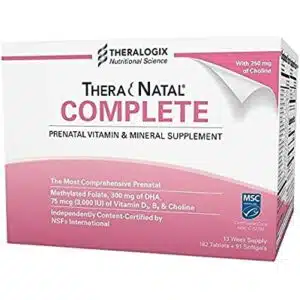
TheraNatal Complete, produced by Theralogix, is frequently cited by reproductive endocrinologists as a gold-standard option. Its formulation includes methylated folate and a high dose of Vitamin D (3,000 IU), specifically addressing the common deficiencies found in PCOS. Furthermore, it includes a separate softgel for DHA and EPA, ensuring that the essential fatty acids are not degraded by the presence of minerals in the tablet. The inclusion of Vitamin B6 is also a strategic addition to help mitigate pregnancy-related nausea.
Pink Stork Total Prenatal: Holistic and Bioavailable
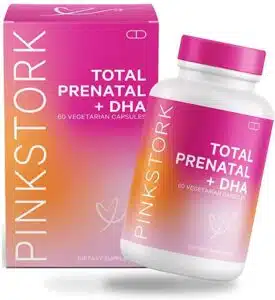
Pink Stork has gained a significant following by focusing on bioavailable ingredients and the exclusion of artificial dyes and preservatives. Their "Total Prenatal" includes a robust B-complex and essential trace minerals like selenium and chromium. Chromium is particularly noteworthy for PCOS patients, as it plays a role in glucose metabolism and insulin signaling.
Nature Made Prenatal: Accessibility and Standardization
For patients seeking a cost-effective yet reliable option, Nature Made Prenatal with Folic Acid + DHA provides a standardized approach. While it may not contain the specialized high-dose Vitamin D or methylated folate found in premium brands, it meets the basic requirements set by the FDA and is USP-verified, ensuring that the ingredients listed on the label are present in the stated amounts.
The Strategic Timeline for Prenatal Intervention
The chronology of supplementation is as important as the supplements themselves. Medical experts divide the timeline into three distinct phases:
- The Preconception Phase (3-6 Months Prior): This period focuses on improving egg quality. For women with PCOS, this often involves adding Coenzyme Q10 (CoQ10) and Inositol (specifically a 40:1 ratio of Myo-inositol to D-chiro-inositol) to their regimen. These substances help restore ovulation and improve the mitochondrial function of the oocytes.
- The First Trimester: The focus shifts to organogenesis. Folate and Vitamin B6 become the priorities to support neural development and manage morning sickness.
- The Second and Third Trimesters: This is the phase of rapid growth. Iron, calcium, and Omega-3 demands peak during this time to support the expanding blood volume and brain development.
Broader Impact and Implications for Maternal-Fetal Health
The implications of proper prenatal care for PCOS extend far beyond the immediate delivery. Emerging research in the field of "Metabolic Programming" suggests that the intrauterine environment can permanently alter the genetic expression of the fetus. Children born to mothers with unmanaged PCOS and high insulin levels may have a higher predisposition to obesity, Type 2 diabetes, and PCOS themselves later in life.
By utilizing targeted prenatal vitamins and maintaining tight glycemic control, women with PCOS can effectively "reset" the developmental environment. This proactive management reduces the likelihood of NICU admissions and long-term metabolic complications for the child.
Furthermore, the management of PCOS through pregnancy serves as a blueprint for the mother’s postpartum health. Women who manage their symptoms effectively during pregnancy are often better equipped to handle the hormonal "crash" of the fourth trimester, potentially reducing the risk of postpartum depression, which is statistically higher in the PCOS population.
Official Responses and Guidelines from the Medical Community
Major health organizations have refined their stances on PCOS pregnancy management in recent years. The International PCOS Guideline, developed by experts across 71 countries, emphasizes that lifestyle intervention—inclusive of targeted supplementation—should be the first line of defense.
"Nutrition is the cornerstone of PCOS management," states a consensus report from the Endocrine Society. "While a balanced diet is essential, the metabolic abnormalities inherent in PCOS often necessitate higher-than-average intake of specific micronutrients, which can only be reliably achieved through high-quality supplementation."

Healthcare providers are increasingly moving toward personalized medicine, recommending that women with PCOS undergo comprehensive blood panels before and during pregnancy to monitor levels of Ferritin (iron), 25-hydroxy Vitamin D, and glucose. This data-driven approach allows for the adjustment of vitamin dosages to meet the specific physiological demands of the individual.
Final Analysis: A Proactive Approach to PCOS Pregnancy
Navigating pregnancy with PCOS requires a shift from a passive to a proactive healthcare model. The best prenatal vitamins for this condition are those that acknowledge the metabolic complexities of the disorder. By focusing on high-quality folate, robust Vitamin D levels, and anti-inflammatory Omega-3s, women can significantly mitigate the risks associated with the syndrome.
While vitamins are a powerful tool, they are most effective when integrated into a broader strategy that includes a low-glycemic diet, moderate physical activity, and regular clinical monitoring. As medical science continues to uncover the links between maternal nutrition and long-term health, the role of specialized prenatal vitamins remains a fundamental element in ensuring the health and vitality of both mother and child in the face of Polycystic Ovary Syndrome.