
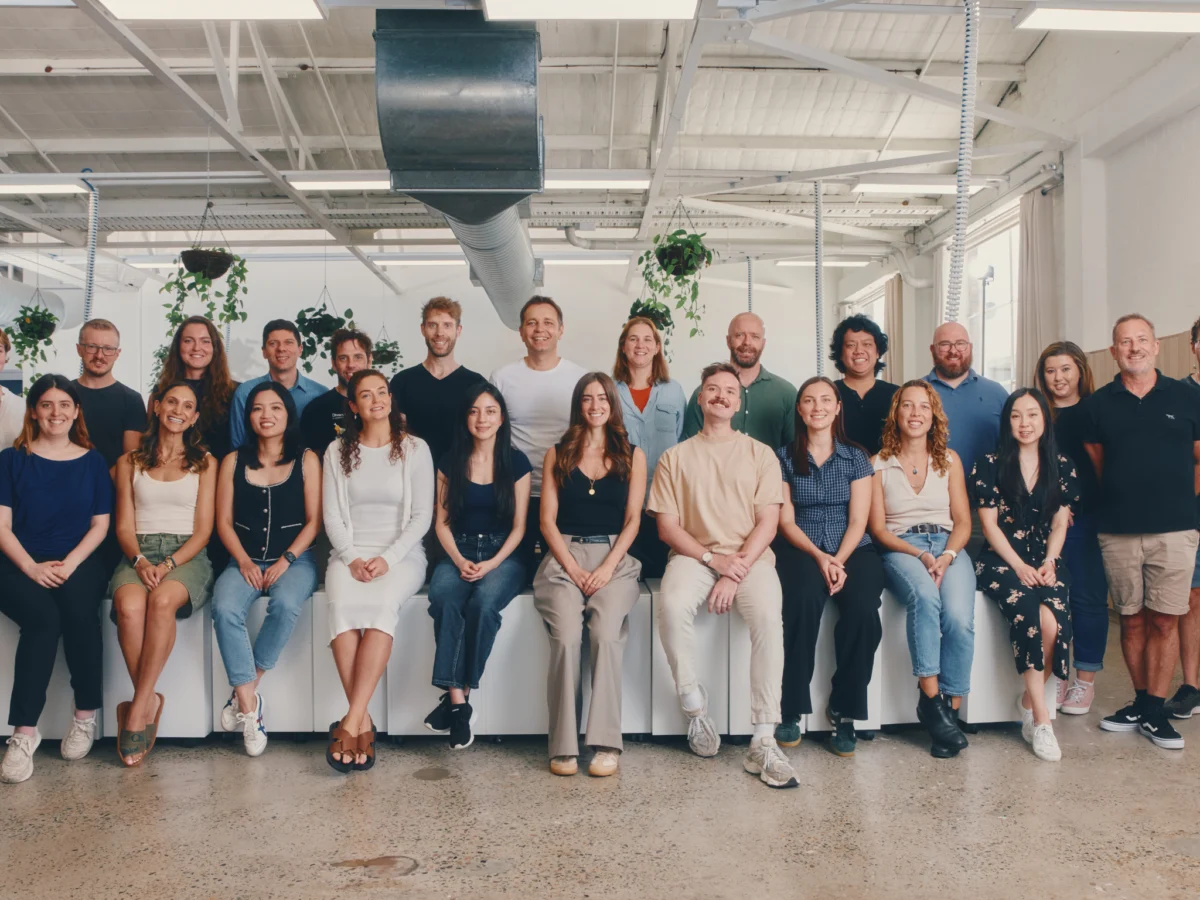
Australian biotechnology startup All G has achieved a significant regulatory milestone, receiving a "no questions" letter from the U.S. Food and Drug Administration (FDA) for its precision-fermented lactoferrin ingredient, branded as LFX. This development signifies a critical step towards the commercialization of the company’s innovative, animal-free protein, with products expected to hit the U.S. market within months. The approval marks a pivotal moment for All G, validating their proprietary precision fermentation technology and offering a sustainable, scalable alternative to traditional dairy-derived lactoferrin.
The Sydney-based company, which specializes in producing milk proteins through microbial fermentation, has successfully produced a lactoferrin protein without the need for cows. This achievement comes 15 months after All G initially self-affirmed the ingredient as Generally Recognized as Safe (GRAS) through a voluntary process. While self-affirmation allows companies to bring novel food ingredients to market, the FDA’s "no questions" letter provides a higher level of regulatory assurance and market confidence. This is particularly relevant given recent discussions around the GRAS pathway, with some U.S. officials, including Health Secretary Robert F. Kennedy Jr., labeling it a potential loophole that could be exploited for introducing less rigorously tested ingredients into the food supply. The FDA’s explicit endorsement removes such uncertainties, significantly streamlining the path to market and facilitating broader customer adoption.
Jan Pacas, founder and CEO of All G, expressed his enthusiasm about the regulatory clearance, stating, "Our GRAS conclusion supports the use of LFX across a broad range of food and beverage applications, including functional foods, beverages, nutritional products, and dietary supplements." He further elaborated on the ingredient’s versatility, noting that it "enables use in established categories such as immune and iron support, while also opening up new formats and applications as the ingredient becomes more accessible."
The company is now moving into the commercial production phase. "You can expect the first products to begin entering the U.S. market within months as supply ramps up – we already have many customers waiting," Pacas confirmed. This proactive engagement with potential customers suggests a robust demand for All G’s innovative lactoferrin.
Precision Fermentation: A Leap Forward in Protein Production
All G’s approach leverages precision fermentation, a cutting-edge biotechnology that involves genetically engineering microorganisms, such as yeast or bacteria, to produce specific molecules. By inserting the DNA sequences responsible for producing lactoferrin, these microbes are programmed to act as miniature factories, generating the desired protein when fed nutrients in a fermentation vessel. This technology allows for the production of both bovine and, in the future, human milk proteins, offering a sustainable and ethical alternative to traditional animal agriculture.
Lactoferrin, the flagship ingredient produced by All G, is a whey protein renowned for its multifaceted health benefits. It plays a crucial role in iron regulation within the body, and its known antiviral, antibacterial, immunity-boosting, and gut-strengthening properties make it a highly sought-after ingredient. Traditionally, lactoferrin has been utilized in applications ranging from infant nutrition to premium dietary supplements, particularly for supporting iron levels during pregnancy.
However, the extraction of lactoferrin from conventional sources presents significant challenges. It is present in relatively low concentrations in cow’s milk, necessitating the processing of vast quantities of milk to yield a modest amount of purified lactoferrin. Industry estimates suggest that approximately 10,000 liters of milk are required to produce just one kilogram of purified lactoferrin. This intensive process contributes to a high cost, with prices ranging from $600 to $2,000 per kilogram, thereby limiting its accessibility to niche markets.
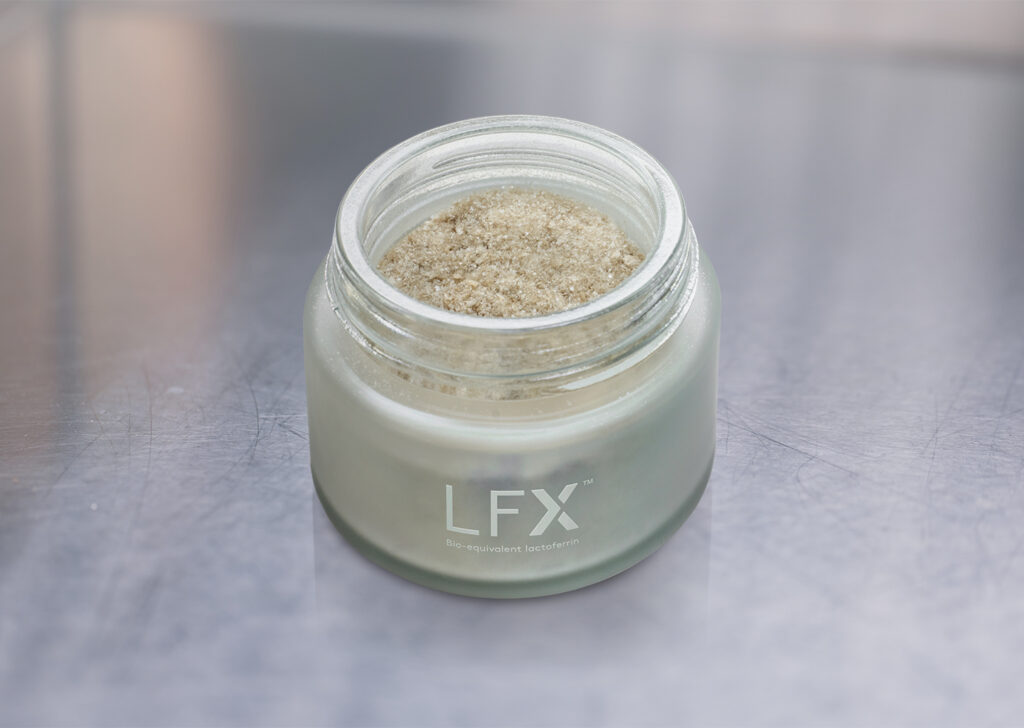
All G’s precision fermentation method circumvents these limitations. Analytical testing across multiple production batches has demonstrated purity levels exceeding 99.5% for their LFX ingredient. Crucially, All G’s lactoferrin is produced in the apo form, which is characterized by low iron saturation. This form is more closely aligned with the composition of lactoferrin found in human breast milk, potentially offering enhanced bioactivity and improved iron regulation within the human body.
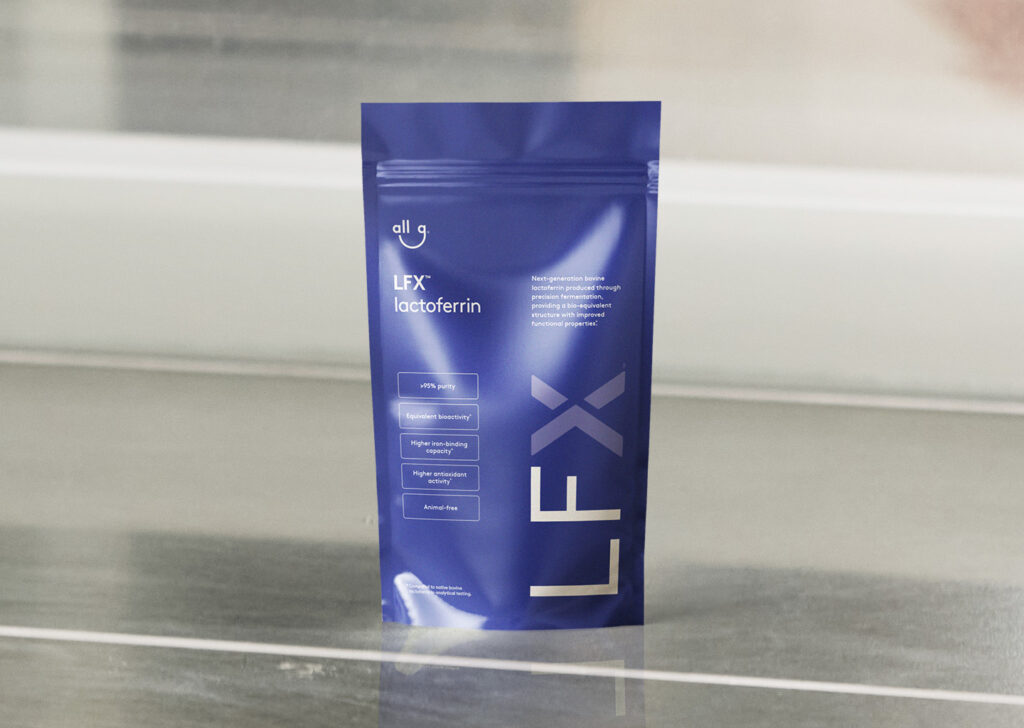
Pacas highlighted the distinct advantages of their fermentation-derived lactoferrin: "Our lactoferrin offers big advantages over the animal-based version. In particular, our low iron saturation offers higher bioactivity (for example, greater antimicrobial effects and potential for improved iron regulation in the human body). We also have industry-leading purity and consistency." Despite these superior qualities and production efficiencies, All G is launching its product at a price point competitive with current animal-based lactoferrin, presenting a significant value proposition for customers.
Navigating the Research Landscape: CSIRO’s Restructuring and its Impact
The timing of All G’s FDA approval coincides with a challenging period for food innovation research in Australia. The nation’s Commonwealth Scientific and Industrial Research Organisation (CSIRO), a leading scientific research agency, recently announced a strategic shift that includes exiting its long-standing work in food innovation. This decision stems from financial pressures and a broader restructuring aimed at refocusing the organization’s efforts on areas where it can deliver "differentiated capability to deliver greater impact at scale."
A CSIRO spokesperson explained the rationale behind the move, stating, "CSIRO has a strong legacy in food innovation, but the landscape has evolved, and our work in this space has become less distinct from that of other research organisations, SMEs and providers." The agency believes this strategic pivot will allow for greater impact in other critical research domains.
For All G, the CSIRO’s decision to scale back its food innovation programs, particularly in precision fermentation, is a source of considerable frustration. Jared Raynes, All G’s Chief Scientific Officer, previously spent nine years at CSIRO, providing him with an intimate understanding of the agency’s capabilities. "All G did not conduct research with CSIRO – we were in active discussions about future collaborative work, which makes the recent cuts to their food and precision fermentation programmes particularly frustrating for us," Pacas commented.

These discussions are now unlikely to proceed as initially planned, forcing All G to seek international partners to fill potential gaps in their research roadmap. Pacas lamented the broader implications of CSIRO’s decision, stating, "More broadly, the loss of this capability is a significant blow to Australia’s food innovation ecosystem."
Despite this setback, All G remains committed to advancing its research and development. The company is already collaborating with the University of Queensland’s Food and Beverage Accelerator (FaBA) on a government-backed initiative to scale up the production of its recombinant dairy proteins. Furthermore, All G has established a joint venture with Armor Protéines, a subsidiary of the dairy major Savencia. This partnership is expected to leverage Armor Protéines’ extensive experience in the large-scale manufacturing of infant formula ingredients and its established network within the global nutrition industry, thereby accelerating All G’s international market expansion.
Pacas emphasized the inherent scalability of their precision fermentation technology, noting, "Capacity at our current production site is measured in multiple tens of tonnes, with ample potential to expand further at relatively short notice as needed. This flexibility in production is a fantastic advantage of precision fermentation compared to animal-based production." This inherent scalability is crucial for meeting the growing global demand for sustainable and ethically produced ingredients.
The Critical Role of GRAS Approval for Infant Nutrition and Beyond
The FDA’s GRAS approval for All G’s LFX ingredient is a pivotal development with far-reaching implications, particularly for the infant nutrition sector. While the current GRAS designation covers food and dietary supplements, providing a clear pathway for commercialization in these markets, it is a critical stepping stone towards the more complex regulatory landscape of infant formula.
"GRAS covers food and dietary supplements, which will be our initial focus for commercial rollout," Pacas explained. "In parallel, we are working with partners on topical formulations in personal care. We’re currently in advanced discussions with a number of global ingredient distributors and brands." This multi-pronged market entry strategy demonstrates the broad applicability of their lactoferrin.
The FDA approval also serves as a significant regulatory precedent, potentially facilitating clearance in other international markets. All G has already secured approval for the use of its lactoferrin in personal care products in China, underscoring the global recognition of their innovation.
The company views the infant nutrition market as a key growth area. "GRAS for adult nutrition is a critical milestone toward infant formula, but infant formula is regulated separately and requires additional steps," Pacas clarified. "In the U.S., this will include a separate GRAS submission and a New Infant Formula Notification (NIFN), supported by additional safety data. We are actively progressing this pathway as part of our broader strategy in early life nutrition." This strategic approach acknowledges the stringent safety requirements for infant formula and demonstrates All G’s commitment to meeting those standards.
Looking ahead, All G is actively developing human-identical lactoferrin, with plans to complete a self-affirmed GRAS assessment in the third quarter of this year. They are also focused on producing human beta-casein, a key protein component of breast milk.
Since its inception in 2020, All G has garnered substantial financial support, securing $36 million from investors. In a recent development, the company received an A$1.1 million grant from the New South Wales government to enhance its casein protein production capabilities. Pacas confirmed that All G is currently engaged in further fundraising efforts to fuel its expansion. "We are continuing to engage with investors and partners to support our next phase of growth," he stated. "The focus is on scaling manufacturing, progressing clinical trials and regulatory pathways, particularly in infant nutrition, and expanding commercial rollout across key markets." This strategic investment will be crucial for scaling production, conducting necessary clinical trials, and navigating the complex regulatory approvals required for infant nutrition products in major global markets.