

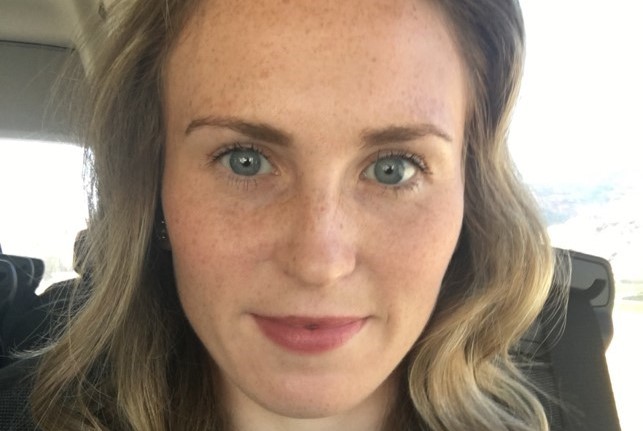
Brittany McKertcher, a 32-year-old nurse residing in Alberta, embodies the protracted and often debilitating struggle with chronic acne, a condition that has shadowed her life for two decades and continues to manifest even in her early thirties. Her journey provides a poignant illustration of the widespread challenge of persistent acne, transcending the common perception of it as merely a teenage affliction and revealing its profound impact on self-esteem, social engagement, and overall quality of life. McKertcher’s candid account details a complex interplay of physical discomfort, emotional distress, and a relentless pursuit of effective treatment, echoing the experiences of millions globally who contend with this pervasive dermatological issue.
The Onset: A Teenage Awakening to Persistent Acne
McKertcher’s battle with acne commenced at the tender age of 13, a pivotal period of adolescence marked by rapid physical and emotional development. What began as typical surface acne, characterized by pustules, quickly escalated to include painful cystic acne – deep, inflamed bumps beneath the skin that resisted conventional remedies. This early onset coincided with significant hormonal fluctuations, a common trigger for adolescent acne. "It’s still an ongoing journey in my 30’s," McKertcher reflects, emphasizing the enduring nature of her condition. "Things have been frustrating and difficult with acne. I started having symptoms at around 13 years old. There was a lot of surface acne with pustules and also cystic acne, deep bumps under the skin that were painful. I really struggled with my hormones."
In the initial stages, like many teenagers, McKertcher did not immediately seek professional medical advice. Instead, she embarked on a trial-and-error approach with over-the-counter (OTC) products, hoping to find a quick solution. Her efforts focused on various face washes and topical treatments, alongside an exhaustive search for a foundation that could both conceal the blemishes and avoid exacerbating skin dryness. The deep-seated cystic lesions, however, proved largely unmaskable, their presence discernible despite layers of makeup, further contributing to her burgeoning self-consciousness.
Profound Impact on Adolescent Life and Self-Esteem
The psychological and social ramifications of her acne during adolescence were considerable. McKertcher describes a life devoid of "clear days of healing," where her skin condition dictated her social interactions and recreational choices. Her active teenage lifestyle, which included gymnastics, was significantly curtailed by her anxiety over her appearance. Activities such as swimming, hot tubs, or floating on the river became daunting prospects, as they threatened to compromise her carefully applied makeup and expose her acne. "I did not want to do anything that would compromise the makeup on my face and expose the acne," she recalls, illustrating the constant vigilance and emotional burden she carried.
The struggle was compounded by a pervasive sense of isolation. "It didn’t help that at high school, I seemed to be the only one with serious acne," McKertcher notes. While acne is a common adolescent experience, severe and persistent forms can lead to feelings of uniqueness and alienation, exacerbating existing teenage insecurities. The need to carry makeup to gymnastics to cover sweat-induced breakouts underscores the relentless nature of her concern and the lengths she went to maintain a façade of clear skin.
A Decades-Long Pursuit of Effective Medical Treatments
Within a year of acne’s onset, McKertcher transitioned from self-treatment to seeking medical intervention, marking the beginning of a prolonged and often arduous journey through various dermatological therapies. Her family doctor initially prescribed topical treatments, which yielded little improvement. This led to an early introduction to hormonal therapy; at approximately 14 years old, McKertcher was prescribed birth control pills specifically to manage her acne, acknowledging the significant hormonal component driving her breakouts.
The next phase of her treatment involved a dermatologist, who introduced a more aggressive regimen. This included courses of oral antibiotics, typically used to reduce inflammation and bacterial presence, followed by isotretinoin, commonly known by its brand name Accutane. Isotretinoin is a powerful retinoid reserved for severe, recalcitrant acne due to its efficacy and potential side effects. While Accutane offered some improvement, McKertcher experienced significant dryness, a well-documented side effect, manifesting as nosebleeds, dry eyes, and the need for constant moisturization, including a humidifier and thick body cream applied to her face.
Following her initial Accutane course, her treatment reverted to a combination of birth control pills and spironolactone. Spironolactone, an aldosterone antagonist, is often used off-label for hormonal acne in women due due its anti-androgenic effects, which can reduce sebum production. McKertcher found this combination to be "the most helpful treatments that I experienced," indicating the complex and often personalized nature of effective acne management.
Adult Acne: A Heavier Emotional Burden
McKertcher’s acne defied the common expectation of "growing out of it," persisting throughout her twenties and into her university years. A significant setback occurred post-university when she discontinued oral contraceptives and switched to an intrauterine device (IUD), which triggered a severe breakout, necessitating her return to regular birth control pills. This experience highlights how changes in hormonal contraception can profoundly impact acne, underscoring the delicate balance required to manage hormonally driven skin conditions.
The emotional toll of acne, McKertcher reveals, intensified in adulthood. As a teenager, self-consciousness was pervasive, but there was an implicit societal expectation that acne would resolve with age. As an adult, the continued struggle felt more isolating. "The acne has taken a bigger toll on me as an adult," she states. "All my friends do not struggle with acne at all and I still feel like it affects me – that is so hard. When I look in the mirror, that is all I see." This sentiment underscores the profound psychological burden of adult acne, where the condition is not only physically present but also a constant source of mental distress, affecting self-perception and social confidence.
Approximately a year prior to this account, McKertcher underwent another round of isotretinoin, a newer formulation, for about eight months. The results were initially promising, providing "good coverage" with only occasional breakouts during specific times of the month. However, a different makeup application for her wedding triggered a widespread breakout, affecting even her eyelids, and she developed body acne. Currently, her treatment regimen is on hold as she and her partner plan to start a family, a common scenario for women as many effective acne medications are contraindicated during pregnancy.
Reflecting on her long journey, McKertcher expresses regret over the considerable time, money, and effort invested in countless OTC face washes and skincare products that ultimately proved ineffective for her cystic acne. "Looking back now, I know those products are not going to help with cystic acne," she acknowledges, a realization that speaks to the critical importance of professional diagnosis and targeted treatment for severe forms of acne.
The Broader Landscape of Acne: Supporting Data and Context
McKertcher’s story is far from unique. Acne vulgaris is one of the most common skin conditions globally, affecting an estimated 85% of teenagers and young adults. However, its prevalence extends significantly into adulthood, particularly among women. Studies indicate that adult acne, defined as acne occurring after age 25, affects between 25% and 50% of adult women, challenging the misconception that it is solely a problem of adolescence.
Types of Acne and Hormonal Influence:
Acne manifests in various forms, from non-inflammatory lesions like blackheads (open comedones) and whiteheads (closed comedones) to inflammatory lesions such as papules, pustules, nodules, and cysts. McKertcher’s experience with both pustules (small, pus-filled bumps) and cystic acne (large, painful, pus-filled lesions deep under the skin) represents a more severe spectrum of the condition. Cystic acne, in particular, carries a higher risk of scarring.
Hormonal fluctuations play a significant role, especially in adult women. Androgens (male hormones present in both sexes) stimulate sebaceous glands to produce more sebum (oil). An excess of sebum, combined with dead skin cells, clogs hair follicles, creating an environment ripe for the proliferation of Propionibacterium acnes (now Cutibacterium acnes), a bacterium naturally present on the skin that contributes to inflammation. Hormonal shifts associated with menstrual cycles, polycystic ovary syndrome (PCOS), pregnancy, and menopause can exacerbate acne, explaining why therapies like birth control and spironolactone are often effective in women.
Treatment Modalities and Their Efficacy:
The range of acne treatments is vast and often involves a stepwise approach.
- Over-the-Counter (OTC) products: Contain active ingredients like salicylic acid (a beta-hydroxy acid that exfoliates and unclogs pores) and benzoyl peroxide (an antimicrobial that also helps exfoliate). As McKertcher discovered, these are often insufficient for severe, cystic acne.
- Topical Prescription Medications: Include retinoids (e.g., tretinoin, adapalene), which normalize skin cell turnover and reduce inflammation; topical antibiotics (e.g., clindamycin, erythromycin) to kill bacteria; and combinations of these agents.
- Oral Antibiotics: Tetracyclines (e.g., doxycycline, minocycline) are commonly prescribed for their anti-inflammatory properties and ability to reduce bacterial load. However, long-term use is discouraged due to concerns about antibiotic resistance and side effects.
- Hormonal Therapies: Oral contraceptives (birth control pills) are approved for acne treatment in women due to their ability to regulate hormones and reduce androgen levels. Spironolactone works by blocking androgen receptors, decreasing sebum production.
- Oral Isotretinoin (Accutane): Considered the most effective treatment for severe, nodulocystic acne, isotretinoin works by drastically reducing sebum production, normalizing follicular keratinization, reducing C. acnes bacteria, and exhibiting anti-inflammatory effects. Its efficacy is high, but it comes with a range of potential side effects, including severe dryness, sun sensitivity, and a strict monitoring program due to its teratogenic effects (causing birth defects) if taken during pregnancy.
The trial-and-error nature of acne treatment is common, as different individuals respond uniquely to various medications, highlighting the necessity of personalized care.
The Psychological and Economic Burden of Chronic Acne

The implications of chronic acne extend far beyond the skin. Research consistently demonstrates a significant link between acne and mental health issues. Individuals with acne, particularly severe or persistent forms, often report higher rates of depression, anxiety, social phobia, and body dysmorphia. The constant self-consciousness, fear of judgment, and impact on physical appearance can severely diminish quality of life, affect academic and professional performance, and even strain personal relationships. McKertcher’s statement, "When I look in the mirror, that is all I see," powerfully encapsulates the pervasive nature of this emotional distress.
Beyond the psychological toll, acne imposes a substantial economic burden. Direct costs include expenditures on OTC products, prescription medications, dermatology visits, and cosmetic procedures for scarring. Indirect costs are harder to quantify but include lost productivity, impact on career opportunities, and the emotional and psychological strain on individuals and their families. McKertcher’s regret over the "considerable amount of money, time and effort she put into acne skin care – without results" is a common sentiment among those who have navigated years of ineffective treatments.
Expert Insights and Recommendations for Effective Management
McKertcher’s advice to others struggling with serious acne resonates deeply with dermatological best practices: "Try to see your GP sooner and get a referral to a dermatologist if you need that." This emphasizes the critical importance of early intervention. Delaying professional medical care can not only prolong suffering but also increase the risk of permanent scarring, which is significantly more challenging and costly to treat than active acne.
Dermatologists advocate for a personalized approach to acne management, acknowledging that "it’s not a one-size-fits-all in terms of acne treatments," as McKertcher wisely observed. A board-certified dermatologist possesses the expertise to accurately diagnose the type and severity of acne, identify contributing factors (like hormonal imbalances), and formulate a comprehensive treatment plan that may involve a combination of therapies. This tailored approach is crucial for optimizing outcomes and minimizing side effects.
Preventing scarring is a paramount goal in acne treatment. Inflammatory lesions, particularly nodules and cysts, can cause permanent textural changes, hyperpigmentation, and depressed or raised scars. McKertcher’s thankfulness that she "did not end up with acne scars" underscores the importance of prompt and effective treatment. Her self-admonition, "It’s really hard to not pick your face though – don’t do it, which I should take my own advice," highlights a common habit that exacerbates inflammation and increases the risk of scarring. Dermatologists universally advise against picking, squeezing, or manipulating acne lesions.
Organizations like Acne Action Canada, which published McKertcher’s story, play a vital role in raising awareness, educating the public, and advocating for improved access to dermatological care and support for individuals with acne. Their efforts contribute to dispelling myths about acne and promoting evidence-based treatment strategies.
Looking Ahead: Hope, Research, and a Clearer Future
Despite her prolonged struggle, Brittany McKertcher remains hopeful for a future where her acne is consistently under control. "My ultimate goal is to have clear skin," she affirms, expressing a desire to eventually discontinue medications. Her journey underscores the ongoing need for advancements in dermatological research to develop more effective, safer, and perhaps even curative treatments for chronic and resistant forms of acne. The medical community continues to explore new targets, refine existing therapies, and better understand the complex pathogenesis of acne.
McKertcher’s powerful narrative serves as a vital reminder that acne is not merely a cosmetic inconvenience but a chronic medical condition with profound physical, psychological, and social ramifications. Her resilience in navigating two decades of persistent breakouts, and her willingness to share her experience, offer both solace and guidance to countless others facing similar challenges. Her story reinforces the critical message: seeking early professional help, adhering to personalized treatment plans, and refraining from self-manipulation are key steps towards achieving clearer skin and mitigating the long-term impacts of acne. As she pauses her current treatments for family planning, her journey highlights the ongoing adjustments and considerations required in managing a condition that often intertwines with life’s significant milestones.