
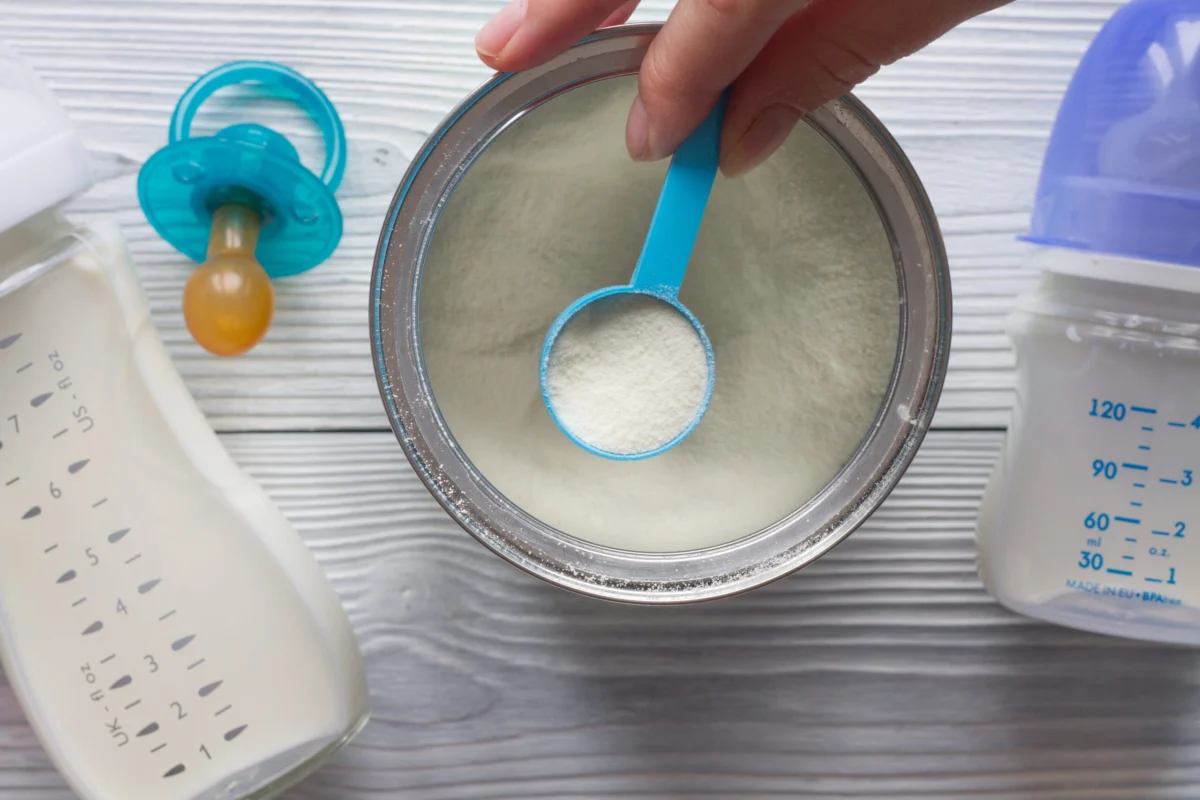
The specter of widespread infant formula shortages has loomed over American families with unsettling frequency in recent years, a stark reminder of vulnerabilities within the nation’s supply chain and public health infrastructure. These crises, exacerbated by pandemic-related disruptions, underscore the critical reliance many infants have on commercially produced formulas when human milk is not a viable option. While breastfeeding is universally encouraged as the optimal form of infant nutrition, a complex interplay of societal, medical, and personal factors renders it inaccessible or insufficient for a significant portion of mothers. This reality necessitates a robust and reliable supply of infant formula, particularly for vulnerable populations.
The necessity of infant formula extends beyond situations where breastfeeding is simply inconvenient. For mothers returning to work early, or those lacking adequate lactation support, formula becomes a crucial alternative. Furthermore, infants with specific medical needs present an even more compelling case for readily available specialized formulas. Allergies to common ingredients, metabolic disorders requiring tailored nutritional profiles, gastrointestinal conditions, or disabilities that impede the physical act of breastfeeding all necessitate the use of particular formulas. The absence of these specialized products can have immediate and severe consequences for an infant’s health and development.
A Chronology of Crisis: From Pandemic Ripples to National Emergency
The seeds of the most recent severe infant formula shortage were sown early in the COVID-19 pandemic. Global supply chains, already strained by lockdowns, transportation bottlenecks, and labor shortages, began to buckle under the unprecedented demand shifts. Manufacturers of infant formula, like many other industries, faced challenges in sourcing raw materials, packaging, and maintaining consistent production schedules.
While initial disruptions were felt as minor inconveniences, a critical turning point occurred in February 2022. Abbott Nutrition, a major U.S. infant formula manufacturer, voluntarily recalled several product lines and temporarily shut down its Sturgis, Michigan, manufacturing facility. This closure was prompted by an investigation into bacterial contamination, specifically Cronobacter sakazakii, a pathogen that can cause severe illness or death in infants. The plant in Sturgis was a significant producer of specialty formulas for infants with complex medical needs, including those for metabolic disorders and prematurity.
The impact of this single facility’s shutdown was immediate and profound. Retailers reported empty shelves across the country, and desperate parents resorted to extreme measures to feed their babies. The situation quickly escalated from a regional concern to a national crisis, triggering a cascade of responses from government agencies and the private sector.
Data Illuminates the Scarcity: Quantifying the Crisis
The severity of the shortage was starkly illustrated by market data. By May 2022, as the crisis peaked, an estimated 40% of infant formula products were out of stock nationwide, according to data from market research firm IRI. This figure represented a dramatic increase from pre-crisis levels, where out-of-stock rates typically hovered around 10%. The scarcity was not uniform, with some regions and specific product types experiencing even more acute shortages.
Specialty formulas, crucial for infants with serious medical conditions, were particularly hard hit. Reports indicated that some of these essential products had out-of-stock rates exceeding 60%. This disproportionate impact on vulnerable infants highlighted a critical flaw in the supply chain’s ability to cater to diverse nutritional needs.
The ripple effect extended to food banks and charitable organizations, which struggled to meet the increased demand for formula donations. Many reported depleting their stocks rapidly and being unable to replenish them due to widespread manufacturer backorders.
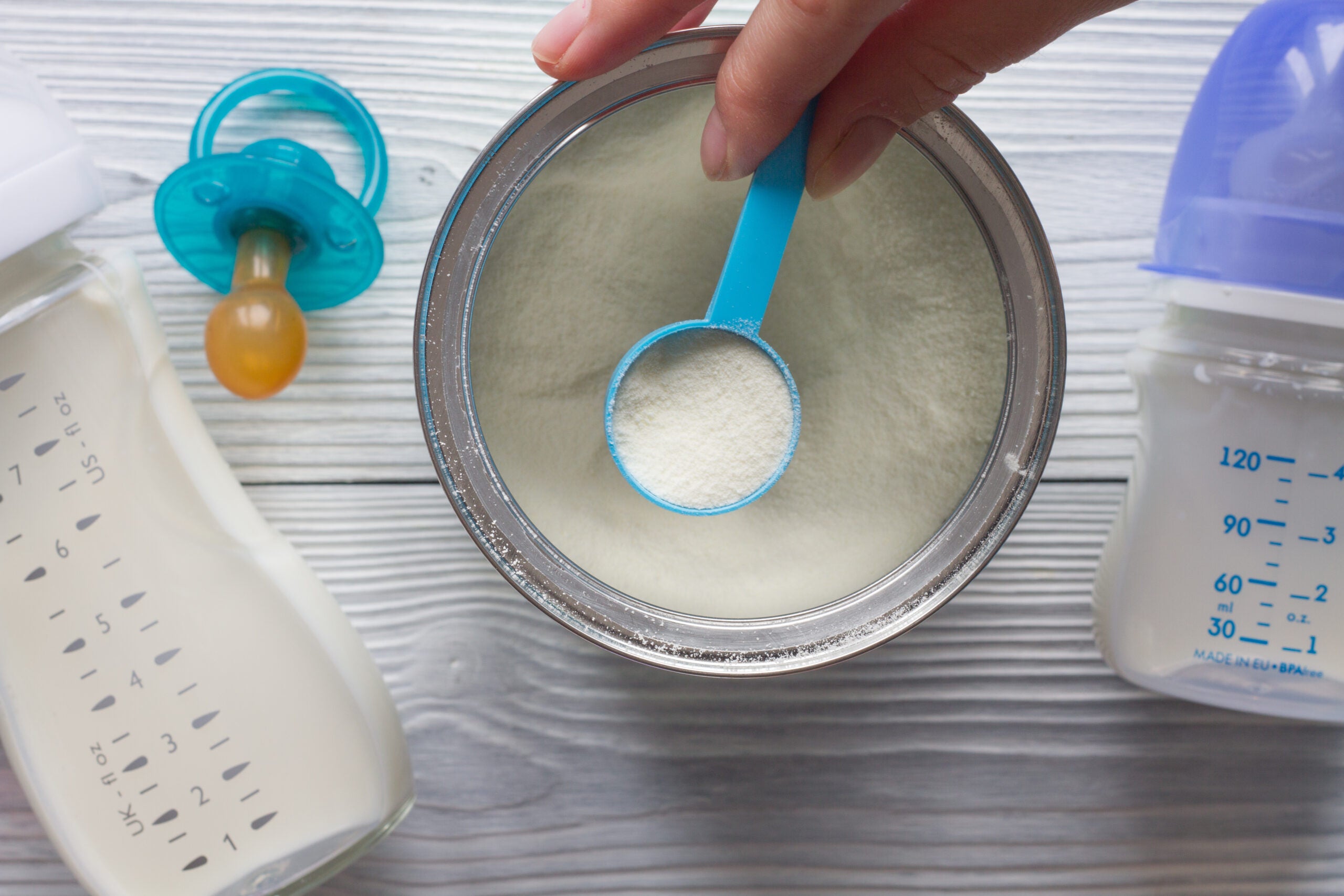
Official Responses: Navigating the Emergency
The unfolding crisis prompted urgent action from the U.S. government. The Food and Drug Administration (FDA), responsible for regulating food products, found itself at the forefront of the response. The agency initiated a multi-pronged approach:
- Accelerating FDA Review: The FDA prioritized the review of infant formula products manufactured by foreign facilities that met U.S. safety standards. This allowed for the expedited importation of formula from countries like the United Kingdom, Australia, and the Netherlands, helping to alleviate immediate shortages.
- Facilitating Domestic Production: The agency worked with domestic manufacturers to increase production and address the backlog of product recalls and inspections. This included offering guidance and support to expedite the process of bringing facilities back online or expanding existing production capabilities.
- Operation Fly Formula: In May 2022, the Biden-Harris administration launched "Operation Fly Formula," a program utilizing military aircraft to transport formula from overseas directly to U.S. distribution points. This initiative aimed to bypass lengthy shipping delays and ensure a faster flow of critically needed supplies.
- Investigating Supply Chain Weaknesses: Beyond immediate relief, government bodies began investigating the systemic issues that contributed to the crisis, including a reliance on a limited number of domestic manufacturers and vulnerabilities in the regulatory oversight of manufacturing facilities.
The Special Supplemental Nutrition Program for Women, Infants, and Children (WIC) also played a crucial role. WIC provides crucial nutritional support to low-income families, and formula is a significant component of its benefits. The program faced challenges in ensuring its beneficiaries could access the specific brands and types of formula they were entitled to, leading to temporary policy adjustments to allow for the purchase of a wider range of formulas.
What Families Can Do Now: Navigating the Immediate Landscape
During times of shortage, families are understandably anxious and seeking guidance. Experts and public health officials offered the following recommendations:
- Consult Healthcare Providers: Parents were strongly advised to speak with their pediatrician or healthcare provider about the best course of action if they cannot find their usual formula. Healthcare professionals can offer advice on safe alternatives, including different brands or types of formula that may be suitable for their infant. They can also provide reassurance and address parental concerns.
- Check Multiple Retailers: While shelves may be bare at one store, checking a variety of local pharmacies, supermarkets, and big-box retailers could yield results. Online retailers also became an important avenue for some families.
- Connect with Local WIC Offices: For families enrolled in WIC, contacting their local WIC agency was essential. These agencies could provide information on available formula options and any temporary policy changes that might broaden access.
- Seek Support from Community Resources: Food banks and community organizations sometimes have emergency supplies of formula. Parents in need were encouraged to reach out to these local resources.
What Families Should Not Do: Avoiding Potentially Harmful Solutions
The desperation induced by formula shortages can lead parents to consider unsafe alternatives. It is crucial to highlight what actions should be strictly avoided:
- Do Not Dilute Formula: Thinning formula with extra water reduces its nutritional content, potentially leading to malnutrition and electrolyte imbalances in infants. This is a dangerous practice that can have severe health consequences.
- Do Not Make Homemade Formula: Homemade infant formulas are not recommended by any major health organization. They lack the precise balance of nutrients required for infant growth and development and can pose significant health risks, including the potential for serious bacterial contamination.
- Do Not Use Expired Formula: The nutritional content and safety of formula can degrade over time. Using expired formula may mean it no longer provides adequate nutrition or could even be contaminated.
- Do Not Buy Formula from Unreputable Sources: Purchasing formula from unofficial online sellers or informal marketplaces carries the risk of receiving counterfeit, tampered with, or expired products.
Future Directions: Building a More Resilient System
The recurrent nature of infant formula shortages has underscored the urgent need for systemic reforms. An article published in the American Journal of Clinical Nutrition outlined key action steps to prevent future crises and strengthen the nation’s preparedness. These recommendations focus on diversifying supply, enhancing regulatory oversight, and fostering greater transparency:
- Diversify the Infant Formula Supply Chain: Reducing reliance on a small number of domestic manufacturers is paramount. This could involve incentivizing new domestic producers to enter the market, streamlining the approval process for safe and effective foreign-manufactured formulas, and exploring innovative production methods. Encouraging a more robust and competitive marketplace can build resilience against single-point failures.
- Strengthen FDA Oversight and Resources: The FDA requires enhanced capacity to effectively monitor manufacturing processes, conduct timely inspections, and respond swiftly to potential contamination issues. Increased funding, staffing, and technological resources are essential to ensure that facilities adhere to stringent safety and quality standards. The agency’s ability to swiftly grant emergency use authorizations for safe foreign products also needs to be a permanent fixture.
- Improve Transparency and Data Sharing: Greater transparency throughout the supply chain, from raw material sourcing to retail distribution, is critical. Manufacturers, distributors, and retailers should be encouraged or mandated to share data on production levels, inventory, and stock-outs. This would enable earlier detection of emerging shortages and facilitate more targeted interventions.
- Establish Strategic Stockpiles: Similar to strategic petroleum reserves, the establishment of national or regional stockpiles of essential infant formula could serve as a crucial buffer during emergencies. These reserves would need to be carefully managed to ensure product freshness and accessibility.
- Support Breastfeeding and Lactation Services: While formula is a vital necessity, continued and enhanced support for breastfeeding remains a public health priority. Investing in accessible and comprehensive lactation support services, including workplace accommodations and peer support programs, can empower more mothers to breastfeed for as long as they desire or are able. This can, in turn, reduce overall demand on formula supplies.
- Review and Modernize Regulatory Frameworks: The regulatory environment surrounding infant formula production and importation needs continuous review and modernization to keep pace with evolving scientific understanding and global manufacturing practices. Ensuring that regulations are both robust and adaptable is key to fostering innovation while maintaining the highest safety standards.
Broader Impact and Implications
The infant formula crisis has had far-reaching implications beyond the immediate challenge of feeding babies. It has exposed deep-seated vulnerabilities in the U.S. food system and highlighted the interconnectedness of global supply chains. The event has also sparked a broader conversation about the societal support structures in place for families, particularly concerning maternal and infant health.
The disproportionate impact on low-income families and infants with special medical needs underscores existing health disparities. The crisis served as a wake-up call, prompting calls for greater investment in public health infrastructure, food security programs, and the pharmaceutical supply chain.
Ultimately, addressing the U.S. infant formula shortage requires a sustained, multi-faceted approach. It demands a commitment to strengthening domestic manufacturing capabilities, enhancing regulatory oversight, fostering international cooperation, and supporting families in their efforts to provide the best possible nutrition for their children, regardless of their circumstances. The lessons learned from these recent crises must be translated into concrete policy changes to ensure that no infant in the United States faces a shortage of this essential nourishment in the future.