
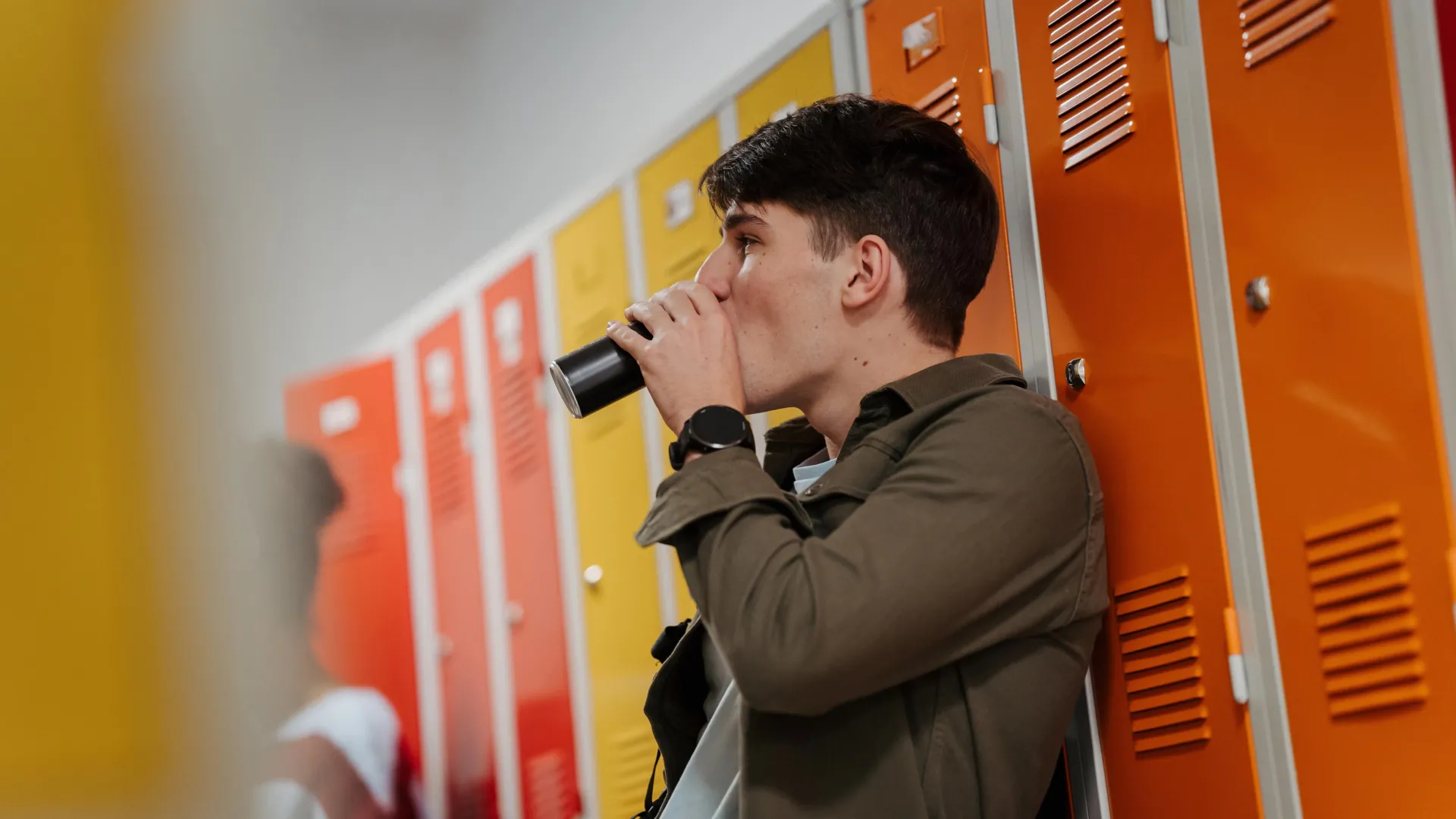
Sugary Drinks Linked to Increased Anxiety in Adolescents, Bournemouth University Study Reveals
A comprehensive review of existing research has uncovered a significant and consistent association between the high consumption of sugar-sweetened beverages and elevated levels of anxiety symptoms among teenagers. The findings, a collaborative effort by researchers at Bournemouth University and the Lebanese American University, Beirut, highlight a critical, yet often overlooked, dimension of adolescent well-being: the intricate relationship between diet and mental health. Published in the esteemed Journal of Human Nutrition and Dietetics, this extensive analysis of multiple studies offers a robust body of evidence suggesting that the drinks many adolescents consume daily may be contributing to their mental health struggles.
The research team, spearheaded by former Bournemouth University PhD student Dr. Karim Khaled and co-authored by Dr. Chloe Casey, a Lecturer in Nutrition at Bournemouth University, embarked on this meta-analysis with a clear objective: to synthesize existing data and identify consistent patterns concerning diet and adolescent mental health. In an era where public health discourse often centers on the physical repercussions of poor dietary habits, such as the escalating rates of childhood obesity and type-2 diabetes, the mental health implications have, by comparison, remained a less explored frontier.
"With increasing concern about adolescent nutrition, most public health initiatives have emphasized the physical consequences of poor dietary habits, such as obesity and type-2 diabetes," stated Dr. Casey in an interview. "However, the mental health implications of diet have been underexplored by comparison, particularly for drinks that are energy dense but low in nutrients." This sentiment underscores a prevailing gap in public health messaging, which, while vital in addressing physical health crises, has perhaps inadvertently sidelined the significant role of nutrition in fostering robust mental well-being.
The Growing Crisis of Adolescent Anxiety
The findings of this review arrive at a particularly pertinent time. Anxiety disorders are now recognized as one of the most prevalent mental health challenges facing young people globally. Recent estimates from 2023 indicate that approximately one in five children and adolescents worldwide are living with a diagnosed mental health disorder, with anxiety consistently ranking among the most frequently reported conditions. This statistic paints a stark picture of the mental health landscape for today’s youth, who navigate a complex array of academic pressures, social dynamics, and an increasingly interconnected, yet often overwhelming, digital world.
The escalating prevalence of anxiety among adolescents is not a phenomenon that emerged overnight. Over the past two decades, mental health professionals have observed a discernible upward trend in reported anxiety symptoms, leading to increased demand for therapeutic interventions and support services. This trend has been attributed to a confluence of factors, including societal pressures, the pervasive influence of social media, and potentially, evolving lifestyle and dietary habits. It is within this context that the current study’s focus on the dietary component, specifically sugar-sweetened beverages, gains significant weight.
Methodology: A Deep Dive into Existing Data
The Bournemouth University-led review meticulously examined a substantial body of pre-existing research. The included studies primarily relied on self-reported survey data to gauge both the consumption patterns of sugary drinks and the presence and severity of mental health symptoms, with a particular emphasis on anxiety. The scope of "sugary beverages" was broad, encompassing a wide array of commonly consumed drinks by adolescents, including:
- Fizzy sodas (carbonated soft drinks): Often laden with high-fructose corn syrup or sucrose.
- Energy drinks: Frequently marketed to young people and containing high levels of sugar and stimulants.
- Sweetened juices: Including fruit juices that have had additional sugars added, or those perceived as healthy but are concentrated sources of natural and added sugars.
- Squashes and cordials: Diluted with water but often containing significant amounts of added sugar.
- Sweetened teas and coffees: Particularly those found in cafes and convenience stores, often loaded with syrups and whipped cream.
- Flavored milks: Many commercially available flavored milks contain substantial added sugars.
By aggregating and analyzing the data from these diverse studies, the researchers aimed to identify any consistent correlations that transcended individual study designs and participant demographics. The consistent pattern that emerged from this comprehensive analysis was undeniable: a higher reported intake of these sugar-sweetened beverages was invariably linked to a greater prevalence and intensity of anxiety symptoms among adolescent participants.
Understanding the Association: Beyond Simple Causation
It is crucial to emphasize, as the researchers themselves do, that this study establishes an association, not a direct cause-and-effect relationship. The review’s reliance on existing observational studies means it cannot definitively prove that sugary drinks cause anxiety. The complex interplay of factors influencing adolescent mental health means that alternative explanations for the observed link are plausible and warrant careful consideration.
One primary consideration is the potential for a reverse causal pathway. Adolescents who are already experiencing heightened levels of anxiety may, consciously or unconsciously, turn to sugary drinks as a form of self-medication or temporary comfort. The rapid sugar rush can provide a fleeting sense of pleasure or distraction, leading to increased consumption in individuals who are already struggling with their mental well-being. This behavioral pattern could create a feedback loop, where anxiety drives sugar intake, and potentially, the subsequent physiological effects of high sugar consumption exacerbate anxiety.
Furthermore, shared underlying influences could be contributing to both increased sugar intake and anxiety symptoms. Factors such as:
- Socioeconomic Status: Families facing financial hardship may have limited access to healthier food options, leading to reliance on cheaper, often sugar-laden processed foods and drinks. Parental stress and its impact on home environment can also contribute to children’s anxiety.
- Family Dynamics and Home Environment: A stressful or unstable home environment can be a significant contributor to adolescent anxiety. In such situations, dietary habits, including increased consumption of comfort foods and drinks, can be affected.
- Sleep Disturbances: Anxiety and sleep problems are intricately linked. Poor sleep can lead to increased cravings for sugary foods and drinks, while high sugar intake can disrupt sleep patterns, creating a vicious cycle.
- Genetic Predisposition: Individual genetic makeup can influence both susceptibility to anxiety disorders and the way the body metabolizes sugar, potentially creating an indirect link.
- Other Lifestyle Factors: Sedentary behavior, lack of physical activity, and excessive screen time, all of which are often prevalent in the lives of adolescents experiencing anxiety, can also correlate with higher sugar intake.
The review’s strength lies in its ability to synthesize findings from multiple studies, thereby increasing the statistical power and generalizability of the observed association. While individual studies might be susceptible to confounding variables, the consistent emergence of the same pattern across diverse populations and research designs lends significant weight to the findings.
Expert Commentary and Future Directions
Dr. Chloe Casey articulated the significance of these findings for public health initiatives. "Whilst we may not be able to confirm at this stage what the direct cause is, this study has identified an unhealthy connection between consumption of sugary drinks and anxiety disorders in young people," she stated. This highlights the importance of recognizing the potential role of dietary interventions in mental health strategies.
She further emphasized the urgency of addressing this trend: "Anxiety disorders in adolescence have risen sharply in recent years so it is important to identify lifestyle habits which can be changed to reduce the risk of this trend continuing." The implication here is that if high sugar drink consumption is a modifiable risk factor, then public health campaigns and individual choices can make a tangible difference in mitigating the rising tide of adolescent anxiety.
The study’s leadership by Dr. Karim Khaled, now at the Lebanese American University, Beirut, underscores the international scope and collaborative nature of contemporary research in nutrition and mental health. Their work opens avenues for further investigation. Future research could benefit from longitudinal studies that track adolescents over time, allowing for a more nuanced understanding of causal pathways. Interventional studies, designed to reduce sugary drink intake in specific groups of adolescents, could also provide critical insights into the direct impact of such changes on anxiety levels.
Broader Implications for Public Health and Policy
The implications of this research extend beyond academic circles, carrying significant weight for parents, educators, policymakers, and public health organizations.
- Parental Guidance: Parents are increasingly tasked with navigating the complex landscape of adolescent health. This study provides a clear, evidence-based reason to monitor and limit the intake of sugar-sweetened beverages in their children’s diets. Education on the potential mental health consequences, alongside the well-established physical health risks, is crucial.
- School Policies: Educational institutions play a vital role in shaping the dietary habits of young people. Reviewing and potentially revising policies related to the sale of sugary drinks on school premises, as well as incorporating nutrition education that emphasizes mental well-being, could be beneficial.
- Public Health Campaigns: Existing public health campaigns that focus on reducing sugar intake for physical health could be expanded to include the mental health dimension. Targeted messaging highlighting the association between sugary drinks and anxiety could resonate with a broader audience and encourage behavioral change.
- Industry Responsibility: The beverage industry faces increasing scrutiny regarding the marketing and composition of its products. This study adds another layer of evidence suggesting that the widespread availability and promotion of sugar-sweetened beverages may have unintended negative consequences on the mental health of young consumers.
- Healthcare Provider Awareness: General practitioners and pediatricians can use this information to initiate conversations with young patients and their families about diet and mental health, offering tailored advice and support.
A Call for Holistic Well-being
In conclusion, the Bournemouth University-led review provides compelling evidence for a significant association between high sugar drink consumption and increased anxiety symptoms in adolescents. While the exact mechanisms remain a subject for further exploration, the identification of this link is a critical step in addressing the escalating mental health challenges faced by young people. By acknowledging and acting upon these findings, stakeholders can work towards fostering healthier dietary habits that support not only physical vitality but also the crucial foundation of robust mental well-being for the next generation. This research serves as a potent reminder that in the pursuit of adolescent health, a holistic approach that considers the intricate connections between diet, lifestyle, and mental state is not just beneficial, but essential.