
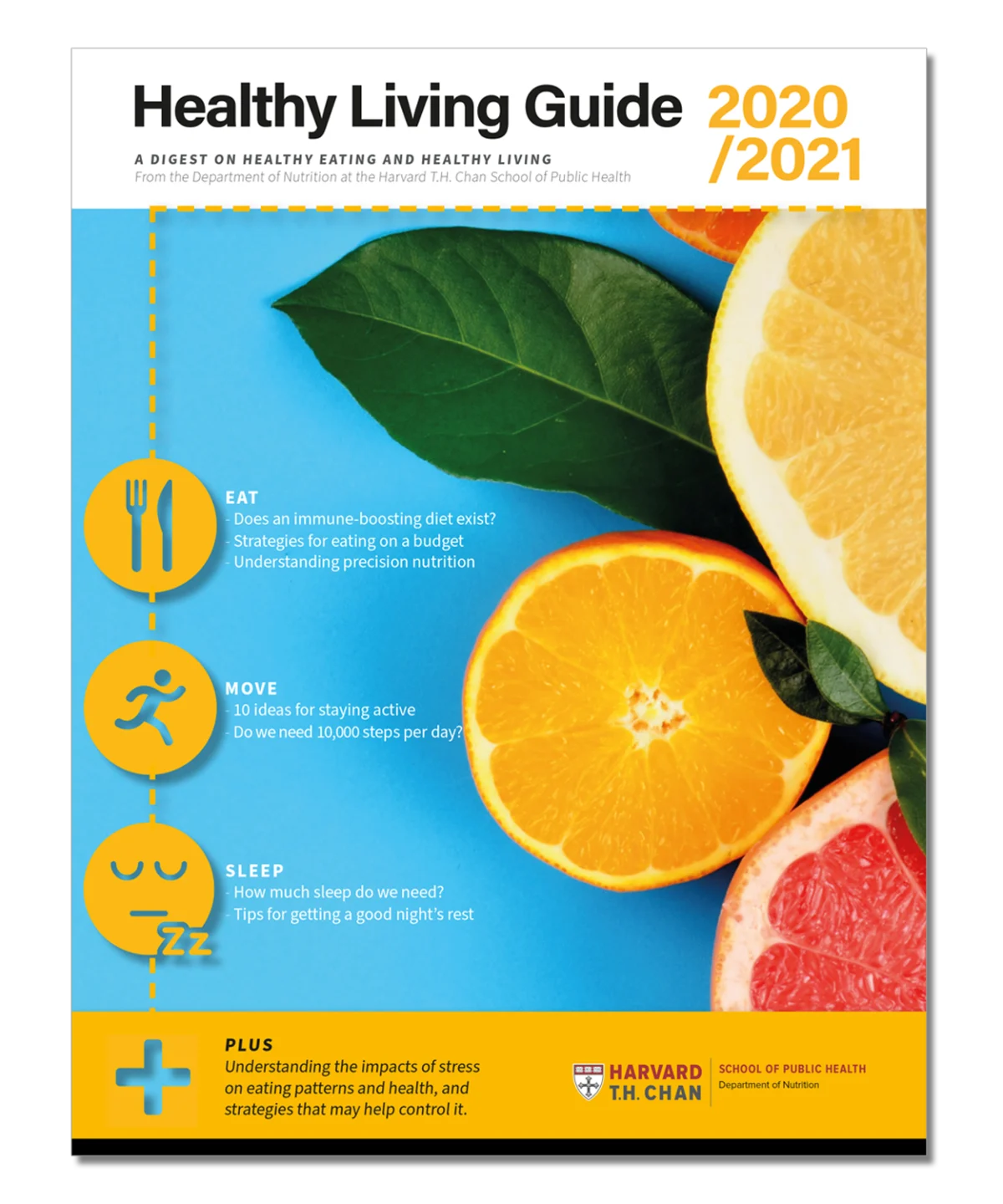
The launch of the fourth annual Healthy Living Guide by the Department of Nutrition at Harvard T.H. Chan School of Public Health marks a significant step forward in promoting holistic well-being, with a particular emphasis on the integration of mindfulness into public health initiatives. This year’s guide, released at the dawn of 2024, not only revisits core principles of nutrition, physical activity, and sleep but also prominently features the groundbreaking work of the newly established Thich Nhat Hanh Center for Mindfulness in Public Health. The Center’s mission to research and apply mindfulness for population-level well-being, extending beyond individual benefits to encompass global health, is a central theme woven throughout the guide.
The guide’s release coincides with a growing body of scientific evidence highlighting the profound impact of mindful practices on both personal health and the sustainability of planetary resources. As Thich Nhat Hanh, the Vietnamese Zen master and peace activist whose teachings inspire the new Center, famously stated, "The apple in your hand is the body of the cosmos." This profound connection underscores the guide’s central tenet: that individual choices in diet and lifestyle have far-reaching implications.
A Year of Growth and Mindfulness: The Genesis of the Guide and the Center
The development of this year’s Healthy Living Guide has been deeply influenced by a pivotal event within the Department of Nutrition: the celebrated launch of the Thich Nhat Hanh Center for Mindfulness in Public Health in 2023. This initiative represents a significant investment in understanding and promoting the benefits of mindfulness on a broad scale. The Center aims to bridge the gap between the ancient wisdom of mindfulness and contemporary public health challenges, exploring how practices like mindful eating can foster healthier populations and a more sustainable relationship with the environment.
The integration of mindfulness into public health research is not merely an academic pursuit; it is a response to increasing concerns about chronic diseases, mental health crises, and environmental degradation. By focusing on population-level interventions, the Center seeks to create systemic change, moving beyond individual behavior modification to influence community and societal norms. The Healthy Living Guide serves as a tangible output of this broader vision, translating complex research into actionable advice for the public.
Key Pillars of Health: Nutrition, Activity, and Sleep Reimagined
This edition of the Healthy Living Guide delves into the foundational elements of a healthy lifestyle, offering updated research and practical tips across three critical domains: nutrition, physical activity, and sleep.
Nutrition: Beyond the Plate
A significant focus within the nutrition section is the latest research on ultra-processed foods (UPFs) and their impact on mental health. Emerging studies have consistently linked high consumption of UPFs to an increased risk of depression, anxiety, and cognitive decline. This is attributed to factors such as the low nutritional density of UPFs, their high content of unhealthy fats, sugars, and sodium, and the potential disruption of the gut microbiome.
- Supporting Data: A meta-analysis published in the journal Nutrients in 2023, reviewing several large-scale cohort studies, found a statistically significant correlation between higher UPF intake and an increased odds ratio for developing depression. For instance, a study involving over 10,000 participants indicated that those in the highest quartile of UPF consumption had a 30% greater risk of developing depression compared to those in the lowest quartile. Another study highlighted the potential role of UPFs in exacerbating inflammation, a known factor in mental health disorders.
- Background Context: The rise of UPFs in the global food supply is a relatively recent phenomenon, accelerating in the latter half of the 20th century with advancements in food processing technology and changing societal demands for convenience. While offering affordability and shelf-stability, their widespread availability has contributed to shifts in dietary patterns, moving away from whole, unprocessed foods.
- Analysis of Implications: The findings on UPFs underscore the need for public health policies that encourage the consumption of whole foods and limit the marketing and accessibility of ultra-processed options. Educational campaigns aimed at consumers are also crucial to foster awareness of the potential health risks associated with these products.
Physical Activity: The Joy of Movement
The guide also explores the benefits of incorporating enjoyable and accessible forms of physical activity into daily routines. This year, it highlights the engagement potential of activities like Zumba, which combines aerobic exercise with dance, promoting cardiovascular health, coordination, and mood enhancement.
- Timeline/Chronology: Zumba, originating in the mid-1990s, has experienced a global surge in popularity over the past two decades, evolving from a niche fitness class to a mainstream activity enjoyed by millions worldwide. Its accessibility and focus on fun have made it a sustainable choice for many seeking to maintain an active lifestyle.
- Statements/Reactions (Inferred): Fitness experts and public health advocates often commend programs like Zumba for their ability to overcome barriers to exercise, such as perceived difficulty or boredom. The social aspect of group fitness classes can also provide a crucial support system for adherence.
- Analysis of Implications: The emphasis on enjoyable movement suggests a shift in public health messaging from a focus on strenuous exercise to one that prioritizes consistent engagement and personal satisfaction. This approach is likely to yield greater long-term adherence and improved mental well-being, as individuals are more likely to continue activities they find pleasurable.
Sleep: Understanding Your Chronotype
Sleep health remains a cornerstone of the Healthy Living Guide, with this edition focusing on the concept of chronotypes – the natural inclination of individuals to feel alert and active at certain times of the day. Understanding one’s chronotype (e.g., morning lark, night owl) can inform strategies for optimizing sleep patterns and overall health.
- Supporting Data: Research indicates that misalignment between an individual’s chronotype and their imposed daily schedule (e.g., work or school hours) can lead to "social jetlag," which is associated with a range of health problems, including increased risk of obesity, diabetes, cardiovascular disease, and mood disorders. Studies using actigraphy and questionnaires have identified distinct genetic predispositions that contribute to these chronotype variations.
- Background Context: While the concepts of "morning people" and "night people" have long been recognized anecdotally, scientific research into chronobiology has provided a deeper understanding of the underlying physiological mechanisms, including the role of circadian rhythms and specific genes.
- Analysis of Implications: Recognizing and respecting individual chronotypes could lead to more flexible work and school schedules, potentially improving public health outcomes. For individuals, understanding their chronotype allows for better self-management of sleep, encouraging them to align their activities with their natural biological rhythms as much as possible.
Mindful Eating: Connecting Body, Mind, and Planet
The integration of mindfulness, particularly through the lens of mindful eating, is a defining characteristic of this year’s Healthy Living Guide. Inspired by the Thich Nhat Hanh Center, this approach encourages individuals to pay attention to their food choices, the sensory experience of eating, and the broader impact of their dietary habits.
- Background Context: Mindful eating practices draw heavily on Buddhist traditions, emphasizing present-moment awareness without judgment. This involves engaging all senses – sight, smell, taste, touch, and even sound – during meals, and recognizing hunger and satiety cues.
- Analysis of Implications: By fostering a deeper connection with food, mindful eating can lead to improved digestion, better weight management, and a greater appreciation for the origins and sustainability of food. It also encourages a more conscious approach to consumption, potentially reducing food waste and supporting more ethical food systems. The Thich Nhat Hanh Center’s focus on population-level mindfulness suggests a vision where widespread adoption of these practices could contribute to significant shifts in global food consumption patterns, promoting both individual and planetary health.
Broader Impact and Future Directions
The Healthy Living Guide serves as more than just a collection of health tips; it represents a commitment from Harvard’s Department of Nutrition to disseminate evidence-based information and promote a proactive approach to well-being. The inclusion of the Thich Nhat Hanh Center for Mindfulness in Public Health signals a forward-thinking strategy that recognizes the interconnectedness of individual health, community well-being, and environmental sustainability.
The guide’s availability in a downloadable PDF format, complete with printable tip sheets, makes this valuable information accessible to a wider audience. The inclusion of a quiz to test healthy living knowledge, with answers sourced from the previous year’s guide, encourages continued engagement and learning. This reinforces the idea that healthy living is an ongoing journey of discovery and adaptation.
As the Department of Nutrition continues to explore the intersection of mindfulness, nutrition, and public health, the insights generated by the Thich Nhat Hanh Center are expected to inform future research, public health campaigns, and policy recommendations. The ultimate goal is to cultivate a society where healthy eating and healthy living are not just aspirational ideals but ingrained practices, contributing to a more fulfilling and sustainable future for all. The message for 2024 is clear: a healthy New Year is one that embraces mindfulness, informed choices, and a holistic understanding of our connection to ourselves, our communities, and the planet.