
As the world navigated the profound and persistent challenges of the COVID-19 pandemic, transitioning from 2020 into 2021, its pervasive influence reshaped nearly every facet of global life. For countless individuals, this unprecedented health crisis precipitated a cascade of unique and deeply personal impacts, ranging from significant disruptions in food access and substantial income instability to widespread emotional distress and heightened anxiety. In the face of such widespread uncertainty, the importance of maintaining robust health and well-being has never been more apparent.
While direct, definitive scientific evidence establishing specific dietary factors that demonstrably reduce the risk of contracting COVID-19 remains elusive, a strong consensus has emerged within the scientific and public health communities regarding the critical role of a healthy lifestyle in fortifying the immune system. Beyond its direct impact on immunity, a wealth of research underscores the profound long-term benefits associated with adopting and maintaining key healthy habits. A landmark study, as highlighted by the Harvard T.H. Chan School of Public Health, revealed that individuals who consistently adhere to five fundamental lifestyle practices—namely, consuming a healthy diet, engaging in regular physical activity, maintaining a healthy body weight, moderating alcohol consumption, and abstaining from smoking—stand to live more than a decade longer compared to their counterparts who do not embrace these habits.
The implications of these lifestyle choices extend far beyond mere longevity. Emerging research indicates that these practices not only contribute to a longer lifespan but also significantly enhance the quality of those years. Adults who adopt these five pivotal habits during middle age have been found to experience more years free from debilitating chronic diseases. This includes a reduced incidence and delayed onset of conditions such as type 2 diabetes, cardiovascular disease, and various forms of cancer, suggesting a profound positive effect on overall healthspan.
Despite the compelling evidence supporting the benefits of healthy living, the practical implementation of these habits often proves challenging, particularly amidst periods of significant societal upheaval. Recognizing this pervasive difficulty, a comprehensive guide has been developed with the explicit aim of offering actionable tips and strategic approaches to support individuals in their pursuit of a healthier lifestyle. In these particularly uncertain and demanding times, the creators of this guide encourage individuals to prioritize what they can manage in their efforts to cultivate and sustain healthy practices. The hope is that by exploring new avenues, such as experimenting with novel recipes, incorporating regular exercise, or engaging in fulfilling hobbies, individuals may discover not only improved well-being but also a renewed sense of enjoyment and purpose.
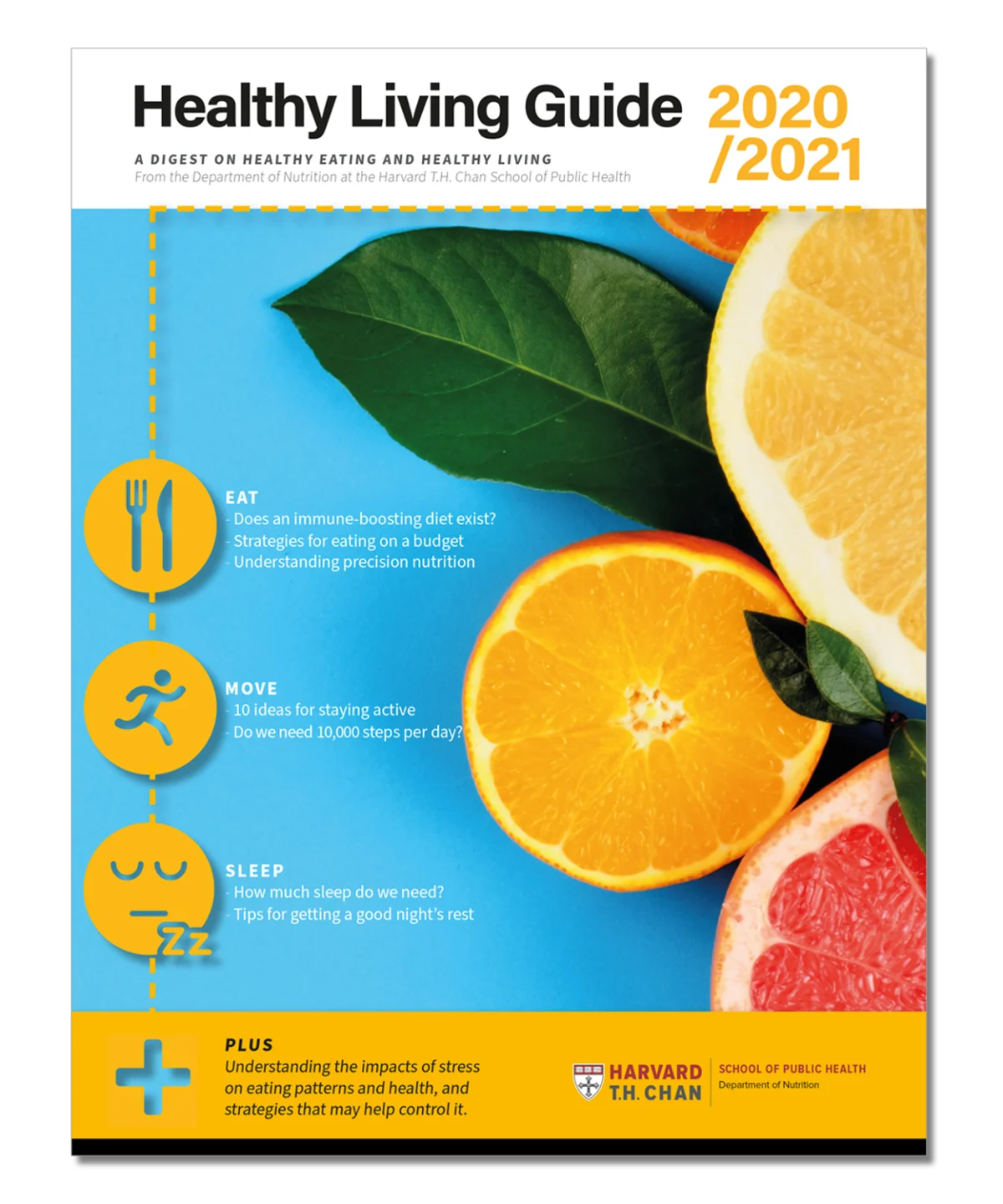
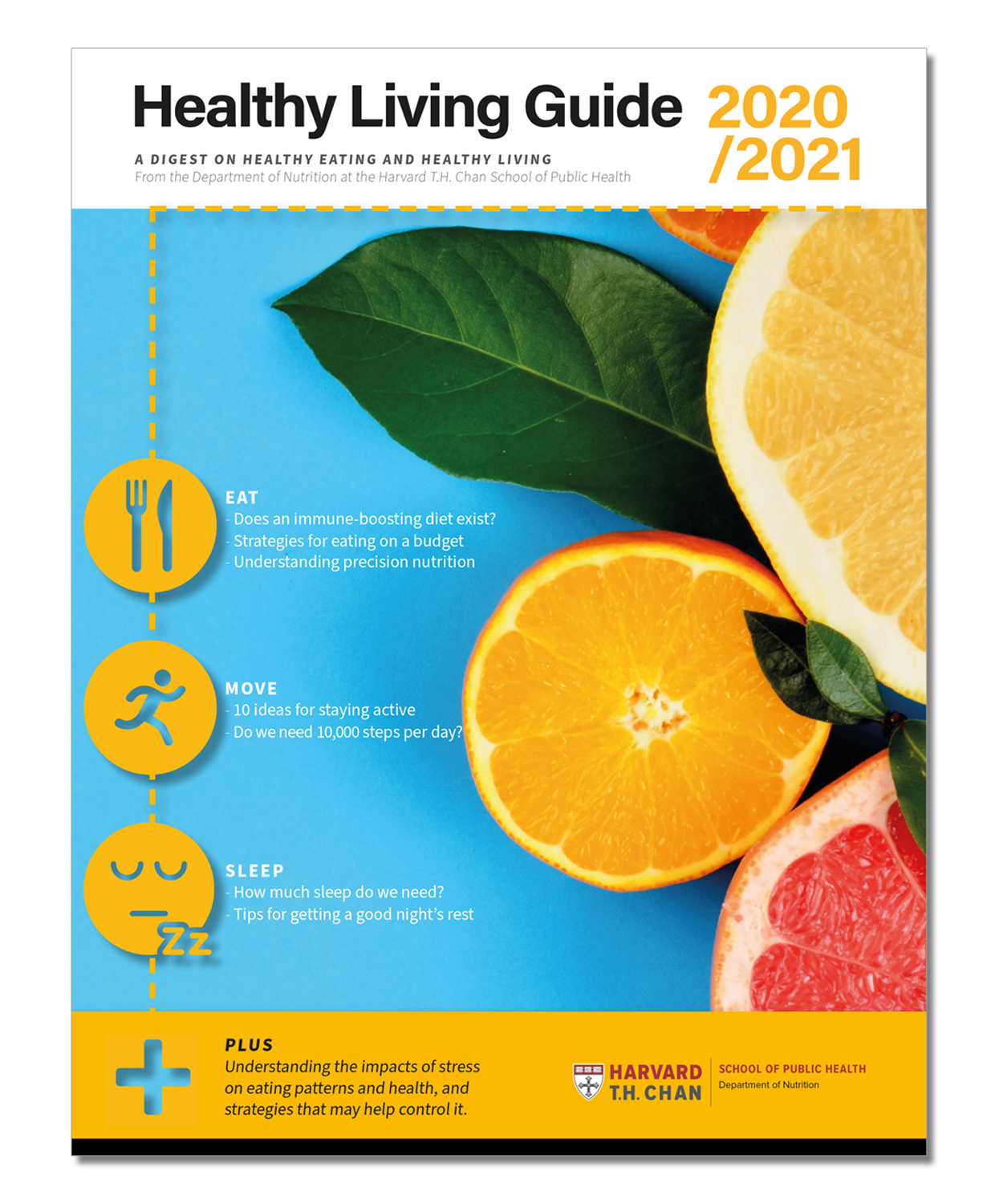
The "Healthy Living Guide," available for download as a printable PDF, offers a treasure trove of resources, including concise tip sheets and summaries. For those seeking more in-depth information, the guide also provides direct links to comprehensive online articles. This initiative aims to democratize access to vital health information, empowering individuals to make informed decisions about their well-being.
The Broader Context: A Global Health Imperative
The COVID-19 pandemic, which began its global ascent in late 2019 and continued to dominate headlines throughout 2020 and into 2021, served as a stark global health crisis. Its rapid spread and severe impact on public health systems exposed vulnerabilities in societies worldwide. Beyond the direct threat of the virus, the pandemic triggered a complex web of secondary effects. Lockdowns, social distancing measures, and economic downturns led to widespread disruptions. For many, this translated into challenges in accessing nutritious food due to supply chain issues, job losses, and reduced incomes, which in turn limited their ability to purchase healthy options. Furthermore, the prolonged periods of isolation, fear, and uncertainty contributed to a significant rise in mental health challenges, including stress, anxiety, and depression, which can, in turn, negatively impact dietary choices and overall health behaviors.
The confluence of these factors created a unique environment where maintaining healthy habits became exceptionally difficult for a substantial portion of the global population. In response, public health organizations and research institutions intensified their focus on providing accessible and practical guidance for individuals seeking to bolster their resilience and well-being. The development of resources like the "Healthy Living Guide" reflects a proactive approach to address these emergent public health needs, emphasizing the foundational importance of lifestyle factors in mitigating health risks and promoting overall vitality.
Chronology of Awareness and Guidance
The emergence of COVID-19 in late 2019 and its rapid escalation into a global pandemic in early 2020 marked a turning point in public health discourse. As the world grappled with the immediate health crisis, scientific institutions began to consolidate existing knowledge on general health and immunity. By early 2021, it was clear that while specific COVID-19 prevention diets were not scientifically established, the general principles of healthy living were more critical than ever. This period saw a surge in the dissemination of public health messages emphasizing the importance of strong immune systems, often linked to diet, exercise, and healthy lifestyle choices.
The publication of resources like the "Healthy Living Guide" in early 2021 can be seen as a response to this evolving understanding. It aimed to synthesize established health recommendations into accessible formats, acknowledging the unique challenges presented by the ongoing pandemic. The inclusion of elements like a "Healthy Living Bingo Challenge," as visually represented by the accompanying image, suggests a pedagogical approach designed to make healthy habit formation more engaging and achievable for a broader audience during a time when motivation and adherence could be particularly low. This approach reflects a broader trend in public health communication, moving towards more interactive and personalized strategies to promote behavioral change.
Supporting Data: The Longevity and Healthspan Dividend
The assertion that adopting five key healthy habits can lead to a decade or more of extended life is supported by robust scientific evidence. For instance, a study published in the Journal of the American Medical Association (JAMA) in 2017, which analyzed data from over 120,000 participants, found that individuals who adhered to a healthy lifestyle—defined by the absence of smoking, moderate alcohol intake, regular physical activity, healthy diet, and a healthy body weight—lived on average 12 years longer than those who did not. This study provided significant quantitative backing to the long-held belief that lifestyle choices have a profound impact on mortality.
Furthermore, the impact on healthspan, the period of life spent in good health and free from chronic disease, is equally compelling. Research published in The Lancet in 2018 indicated that men and women who followed a healthy lifestyle in middle age had a significantly lower risk of developing major chronic diseases, including cardiovascular disease, diabetes, and cancer, and experienced these conditions later in life. Specifically, individuals with the healthiest lifestyles were found to delay the onset of chronic diseases by an average of 5 to 10 years. This data is crucial as it highlights not just living longer, but living better, with a reduced burden of illness and disability in later years.
The implications of this data are far-reaching. For individuals, it translates to more years of active engagement, productivity, and enjoyment of life. For healthcare systems, a population with a higher healthspan means a potential reduction in the long-term costs associated with managing chronic diseases. Public health initiatives that promote these healthy habits can therefore be viewed as strategic investments in both individual well-being and societal economic stability.
Official Responses and Public Health Messaging
In response to the ongoing health challenges exacerbated by the pandemic, numerous official bodies and health organizations have reinforced the importance of foundational health principles. The World Health Organization (WHO), for instance, has consistently emphasized that while there is no cure or vaccine for COVID-19 at certain stages, strengthening the immune system through healthy nutrition, regular exercise, adequate sleep, and stress management remains a critical component of personal health protection. Their public health advisories often include recommendations for a balanced diet rich in fruits, vegetables, whole grains, and lean proteins, while limiting processed foods, sugar, and unhealthy fats.
National health agencies, such as the Centers for Disease Control and Prevention (CDC) in the United States, have also echoed these sentiments. Their messaging often includes practical advice on maintaining a healthy weight, staying physically active (even with modified routines due to lockdowns), and managing stress through mindfulness and social connection. The availability of downloadable guides and online resources, like the one discussed, is a direct manifestation of these official efforts to translate scientific knowledge into accessible, actionable guidance for the public. These initiatives are crucial for empowering individuals to take proactive steps in managing their health amidst a complex and often overwhelming public health landscape.
Broader Impact and Implications
The emphasis on healthy eating and living, particularly in the context of the COVID-19 pandemic, carries significant broader implications. Firstly, it underscores a paradigm shift in public health thinking, moving beyond a singular focus on disease treatment to a more proactive and preventive approach centered on lifestyle modification. The pandemic has served as a potent reminder that underlying health conditions significantly influence susceptibility to severe illness and recovery outcomes. Therefore, investing in public health initiatives that promote healthy lifestyles can yield substantial returns in terms of reduced healthcare burdens and improved societal resilience.
Secondly, the challenges in food access and the economic disruptions experienced during the pandemic have highlighted existing inequities in health. Initiatives that promote healthy living must be sensitive to these disparities, ensuring that resources and guidance are accessible to all socioeconomic groups. This may involve addressing barriers such as affordability of healthy foods, access to safe spaces for physical activity, and providing culturally relevant dietary advice.
Finally, the long-term implications of fostering a culture of health extend to intergenerational well-being. Educating individuals, particularly younger generations, about the importance of healthy habits can create a ripple effect, leading to healthier families and communities for years to come. The "Healthy Living Guide" and similar resources represent a vital component of this ongoing effort, providing individuals with the tools and knowledge necessary to navigate the complexities of modern life while prioritizing their health and well-being. The ongoing research and dissemination of such information are critical in building a more resilient and healthier global population, equipped to face future health challenges with greater strength and preparedness.