
The year 2022 placed a significant emphasis on food and nutrition, a trend underscored by the landmark White House Conference on Hunger, Nutrition, and Health. This pivotal event, the first of its kind since 1969, culminated in the unveiling of a comprehensive national strategy with ambitious goals: to eradicate hunger and significantly boost healthy eating and physical activity by the year 2030. While this strategy introduces a number of promising initiatives, including the expansion of crucial nutrition assistance programs and the potential for Medicare to cover medically tailored meals, experts from Harvard’s Department of Nutrition have identified several critical omissions that could hinder its overall effectiveness.
In a detailed commentary, Drs. Frank Hu, Walter Willett, and Lilian Cheung, leading figures in nutritional science, highlighted concerns regarding the strategy’s scope. They pointed to the absence of robust measures to protect children from pervasive unhealthy food marketing, a factor widely recognized as a significant contributor to childhood obesity and poor dietary habits. Furthermore, the experts lamented the lack of a concrete plan for transforming the broader food system in response to the escalating climate crisis, a challenge intrinsically linked to food production and consumption patterns. Their assessment, published by the Harvard T.H. Chan School of Public Health, emphasized the need for a more holistic approach. "To have a significant impact," they asserted, "the administration must bring together the public and private sectors, along with philanthropists, academia, and individuals to develop truly sustainable food systems that support both public and planetary health."
This sentiment reflects a growing understanding that achieving food security and promoting widespread healthy living requires more than individual behavioral changes. It necessitates systemic policy shifts that address the complex interplay between food availability, affordability, accessibility, and environmental sustainability. The national strategy, while a significant step forward, may fall short of its transformative potential if these broader challenges are not adequately confronted.
The White House Conference on Hunger, Nutrition, and Health: A Historical Context
The 2022 White House Conference on Hunger, Nutrition, and Health marked a significant moment in the ongoing national dialogue surrounding food insecurity and public health. Its roots trace back to the original White House Conference on Food, Nutrition, and Health convened by President Richard Nixon in 1969. That seminal event laid the groundwork for many of the federal nutrition programs that exist today, including the Special Supplemental Nutrition Program for Women, Infants, and Children (WIC) and the expansion of the food stamp program, now known as SNAP (Supplemental Nutrition Assistance Program).
The intervening decades saw persistent challenges with hunger and diet-related diseases, including obesity, diabetes, and heart disease, disproportionately affecting vulnerable populations. These health disparities, coupled with the growing understanding of the link between diet and chronic disease, prompted the Biden-Harris administration to revisit the issue with a renewed sense of urgency. The 2022 conference was convened with the explicit aim of developing a modern, comprehensive strategy to address these enduring problems.
The National Strategy: Key Pillars and Emerging Concerns
The Biden-Harris Administration’s National Strategy on Hunger, Nutrition, and Health, released in September 2022, outlines a multi-pronged approach to tackling these complex issues. Its core objectives are ambitious: ending hunger and improving nutrition and physical activity levels for all Americans by 2030.
Key Pillars of the Strategy:
- Improving Access to Nutritious Food: This includes strengthening and expanding existing nutrition assistance programs like SNAP and WIC, and exploring innovative ways to make healthy food more affordable and accessible, particularly in underserved communities. The strategy also proposes covering medically tailored meals under Medicare, a significant development that recognizes the therapeutic potential of specific dietary interventions for individuals with chronic health conditions.
- Promoting Physical Activity: While the focus is on nutrition, the strategy also acknowledges the critical role of physical activity in overall health and well-being, calling for increased opportunities for safe and accessible recreation.
- Empowering Healthy Choices: This pillar aims to provide individuals with the information and resources they need to make healthier food choices, potentially through improved food labeling and public health campaigns.
- Investing in Research and Development: The strategy emphasizes the need for continued research into nutrition, food insecurity, and diet-related diseases to inform future policies and interventions.
Expert Analysis and Identified Omissions:
Despite the laudable goals and promising components of the national strategy, prominent nutrition scientists have raised critical questions about its comprehensiveness. The Harvard Department of Nutrition’s commentary highlights several areas that, if not adequately addressed, could limit the strategy’s long-term success.
- Protecting Children from Unhealthy Food Marketing: The pervasive marketing of unhealthy foods, particularly to children, is a significant driver of poor dietary habits. Experts argue that the strategy lacks sufficient detail on how it will curb the influence of such marketing, which often targets young audiences with sugary drinks, processed snacks, and fast food. The Centers for Disease Control and Prevention (CDC) has reported that children and adolescents consume nearly half of their daily calories from added sugars, much of which is directly linked to marketing efforts.
- Transforming the Food System in Response to Climate Change: The environmental impact of food production and consumption is a growing concern. The current food system contributes significantly to greenhouse gas emissions, deforestation, and water pollution. Experts contend that the national strategy needs a more robust framework for transitioning to sustainable food systems that are both environmentally responsible and capable of ensuring long-term food security. The United Nations’ Intergovernmental Panel on Climate Change (IPCC) has repeatedly stressed the urgent need for dietary shifts and sustainable agricultural practices to mitigate climate change.
- Ensuring Equity and Affordability: While the strategy aims to improve access, critics point out the need for more concrete policies to ensure that healthy options are not only available but also truly affordable and accessible to all, especially low-income communities and marginalized populations who often face greater barriers to healthy eating.
Supporting Data and Implications
The urgency for a comprehensive national strategy is underscored by stark statistics. According to the USDA’s Household Food Security in the United States report, over 33 million people, including 9 million children, lived in food-insecure households in 2021. Simultaneously, the CDC reports that obesity rates continue to be a major public health concern, with approximately 42.4% of U.S. adults classified as obese in 2021. These two issues, hunger and obesity, often coexist within the same communities, highlighting the complex nutritional challenges faced by many Americans.
The implications of failing to adequately address these issues are far-reaching. Poor nutrition contributes to a significant burden of chronic diseases, leading to increased healthcare costs, reduced productivity, and diminished quality of life. For children, inadequate nutrition during critical developmental periods can have lifelong consequences, impacting cognitive development, academic performance, and long-term health outcomes.
The connection between the food system and climate change also presents a critical challenge. A food system heavily reliant on resource-intensive agriculture and long supply chains contributes to environmental degradation, which in turn can exacerbate food insecurity through crop failures and natural disasters. A sustainable food system is therefore not just a matter of public health, but also a necessity for environmental resilience.
Broader Impact and Future Directions
The White House Conference and the subsequent national strategy represent a significant governmental acknowledgment of the multifaceted challenges surrounding food and nutrition in the United States. The inclusion of medically tailored meals under Medicare, for instance, could revolutionize the management of certain chronic conditions and potentially reduce long-term healthcare expenditures. Similarly, efforts to bolster nutrition assistance programs can provide a critical safety net for millions of individuals and families.
However, the success of these initiatives will largely depend on their implementation and the willingness of policymakers to address the systemic issues that perpetuate food insecurity and unhealthy eating patterns. The call for collaboration between public and private sectors, academia, and individuals, as articulated by Drs. Hu, Willett, and Cheung, is crucial. This collaborative approach is essential for fostering innovation, developing sustainable solutions, and ensuring that policies are grounded in scientific evidence and effectively address the needs of all communities.
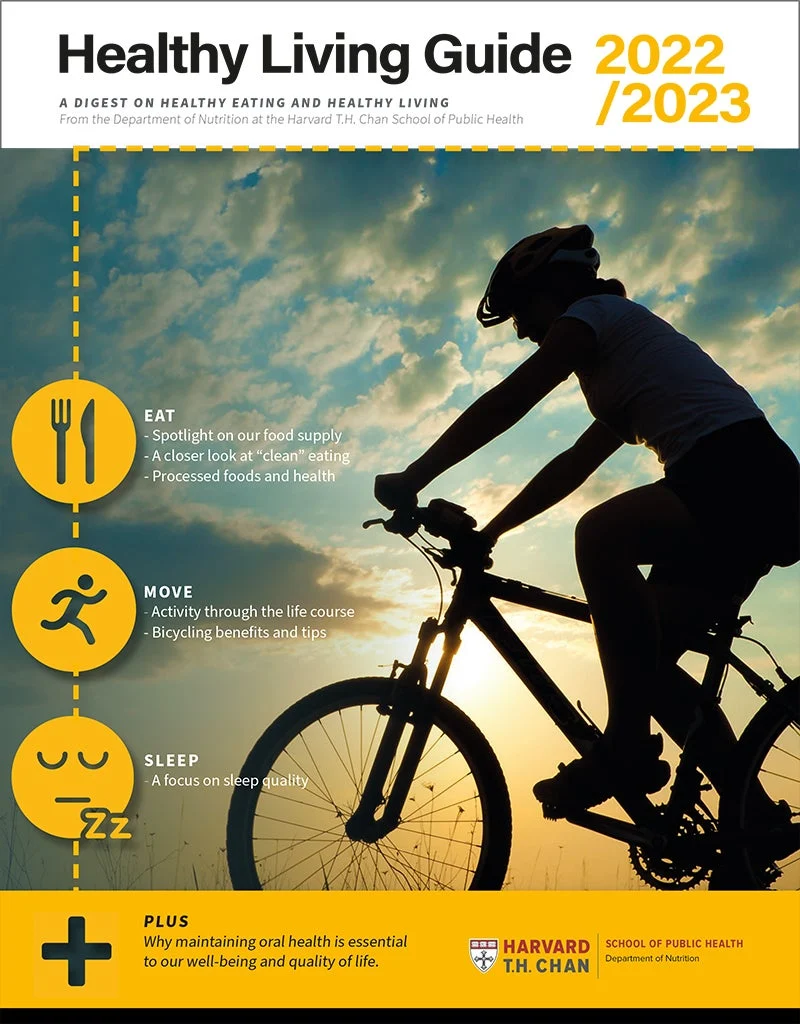
The publication of the "Healthy Living Guide," as referenced in the original article, serves as a valuable resource for individuals seeking to make positive changes in their own lives. It offers practical tips and summaries that can empower individuals to adopt healthier eating habits and lifestyles. However, it is imperative to recognize that individual actions, while important, are most effective when supported by a robust public health infrastructure and policies that create an environment where healthy choices are the easiest and most accessible choices for everyone.
As the nation moves forward, the ongoing dialogue and commitment to action are critical. The lessons learned from the 2022 White House Conference, coupled with the insights from nutritional science experts, provide a roadmap for building a healthier, more equitable, and sustainable food future for all Americans. The coming years will be a test of the nation’s ability to translate these ambitious goals into tangible progress, ensuring that food and nutrition are viewed not just as individual concerns, but as fundamental pillars of public health and national well-being.