
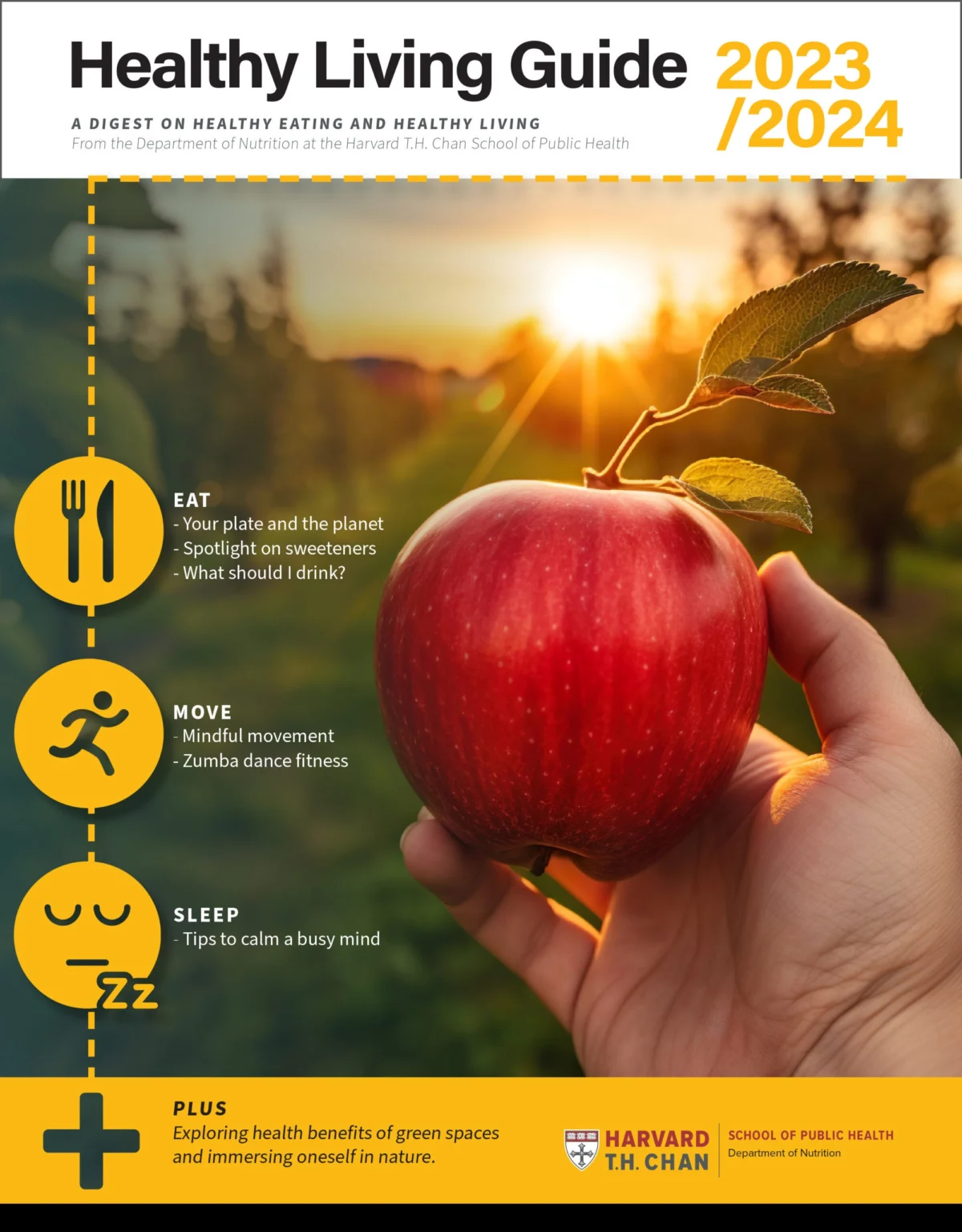
The launch of the fourth edition of the Healthy Living Guide heralds a new year of focus on holistic well-being, with a significant emphasis on the integration of mindfulness into public health initiatives. This year’s guide, published by the Department of Nutrition, coincides with a pivotal moment: the establishment of the Thich Nhat Hanh Center for Mindfulness in Public Health. This new center signifies a commitment to exploring and implementing mindfulness-based strategies to enhance health outcomes not only at an individual level but across broader populations, both domestically and globally.
The core philosophy underpinning this initiative is that mindful practices, particularly mindful eating, hold profound implications for personal health and the health of the planet. This theme is woven throughout the comprehensive guide, which offers research highlights and practical tips across established categories of nutrition, physical activity, and sleep. Key topics addressed include the latest research on the impact of ultra-processed foods on mental health, the benefits of dynamic movement practices like Zumba, and the scientific understanding of different sleep chronotypes and their relationship to overall health.
The Genesis of a Mindful Approach to Public Health
The establishment of the Thich Nhat Hanh Center for Mindfulness in Public Health represents a strategic expansion of the Department of Nutrition’s research and outreach efforts. Founded in 2023, the center is named in honor of the renowned Zen Master and peace activist, Thich Nhat Hanh, whose teachings often underscored the interconnectedness of individual well-being and global harmony. The center’s mission is to translate the principles of mindfulness – such as present moment awareness, non-judgment, and compassion – into actionable public health interventions.
This initiative acknowledges a growing body of scientific evidence suggesting that mindfulness can be a powerful tool for behavior change, stress reduction, and improved emotional regulation. By focusing on population-level applications, the center aims to address systemic health challenges that often require more than individual-level solutions. The integration of mindful eating, for instance, is seen as a pathway to fostering healthier dietary patterns, reducing food waste, and promoting a more sustainable relationship with food systems.
Key Research Highlights and Emerging Trends
The 2023-2024 Healthy Living Guide encapsulates a year of significant research advancements and ongoing dialogues within the field of nutrition and public health.
-
Ultra-Processed Foods and Mental Health: A burgeoning area of research explored in the guide is the intricate relationship between the consumption of ultra-processed foods (UPFs) and mental well-being. UPFs, characterized by their extensive processing and often high content of added sugars, unhealthy fats, and artificial ingredients, have been linked to an increased risk of various mental health issues, including depression and anxiety. Studies suggest that the inflammatory pathways triggered by UPF consumption, as well as their potential to disrupt the gut microbiome, may play a significant role in these adverse effects. The guide presents recent findings that further elucidate these connections, emphasizing the importance of prioritizing whole, unprocessed foods for optimal cognitive and emotional health. For example, a recent meta-analysis published in the British Journal of Psychiatry indicated that individuals with the highest intake of UPFs had a 30% greater risk of developing depression compared to those with the lowest intake.
-
The Power of Movement: Zumba and Beyond: Physical activity remains a cornerstone of healthy living, and this year’s guide highlights the engaging and accessible benefits of programs like Zumba. Zumba, a dance fitness program that combines Latin and international music with easy-to-follow dance steps, offers a cardiovascular workout that can improve heart health, boost mood through the release of endorphins, and enhance coordination and balance. Beyond specific programs, the guide reiterates the general consensus among health organizations, such as the World Health Organization (WHO), which recommends at least 150 minutes of moderate-intensity aerobic activity or 75 minutes of vigorous-intensity aerobic activity per week for adults. The guide encourages individuals to find forms of physical activity that they enjoy to promote long-term adherence.
-
Understanding Sleep Chronotypes: The guide delves into the fascinating science of sleep chronotypes – an individual’s natural predisposition to be a "morning person" (lark) or an "evening person" (owl). While society often operates on a schedule that favors larks, understanding one’s chronotype is crucial for optimizing sleep hygiene and overall health. Research indicates that misalignment between one’s chronotype and societal demands can lead to sleep deprivation, chronic stress, and an increased risk of metabolic disorders, cardiovascular disease, and impaired cognitive function. The guide provides insights into identifying one’s chronotype and offers evidence-based strategies for improving sleep quality regardless of one’s natural inclination, emphasizing consistent sleep schedules and creating conducive sleep environments.
Mindful Eating: A Bridge to Personal and Planetary Health
The integration of mindful eating as a central theme in the Healthy Living Guide reflects a growing recognition of its multifaceted benefits. Mindful eating involves paying full attention to the experience of eating, without judgment. This includes being aware of the taste, texture, smell, and appearance of food, as well as recognizing hunger and satiety cues.
The Department of Nutrition’s commitment to this area is further solidified by the Thich Nhat Hanh Center. The center’s research agenda includes exploring how mindful eating practices can contribute to:
- Improved Digestion and Nutrient Absorption: By eating slowly and savoring each bite, individuals can enhance their digestive processes and potentially improve the absorption of nutrients.
- Reduced Overeating and Binge Eating: Mindful eating helps individuals become more attuned to their body’s signals of fullness, leading to a greater ability to stop eating when satisfied, rather than overly full.
- Greater Food Enjoyment: Focusing on the sensory experience of eating can lead to a deeper appreciation for food and a more satisfying mealtime experience.
- Healthier Food Choices: When individuals are more mindful of their eating, they may naturally gravitate towards more nutritious and less processed foods.
- Environmental Sustainability: Mindful eating can foster a greater appreciation for the resources involved in food production, potentially leading to reduced food waste and more conscious consumption choices. This aligns with global efforts to promote sustainable food systems, as highlighted by organizations like the Food and Agriculture Organization of the United Nations (FAO).
The Printable Guide: Accessible Resources for All
The Healthy Living Guide is made available as a downloadable PDF, featuring printable tip sheets and summaries. This format is designed to empower individuals to easily integrate the guide’s recommendations into their daily lives. For those seeking to delve deeper into specific topics, the guide provides links to access the full online articles.
The Department of Nutrition encourages readers to utilize these resources to foster a more informed and proactive approach to their health. The printable nature of the guide also aligns with the principles of mindfulness, allowing for a more focused and less digitally saturated engagement with the material.
Looking Ahead: A Vision for 2024
The publication of this edition of the Healthy Living Guide marks not just a recap of past research but a forward-looking commitment to promoting well-being. The emphasis on mindfulness, coupled with evidence-based insights into nutrition, physical activity, and sleep, offers a holistic framework for individuals seeking to enhance their health in the coming year.
The Department of Nutrition and the new Thich Nhat Hanh Center for Mindfulness in Public Health aim to foster a culture where healthy living is not a chore but a conscious and fulfilling practice. As the guide states, "Wishing you a healthy, fulfilling, and mindful 2024." This sentiment encapsulates the aspiration to empower individuals with the knowledge and tools to cultivate a balanced and vibrant life, recognizing the profound connection between personal well-being and the health of the wider community and environment.
The comprehensive nature of the guide, from its detailed research summaries to its accessible format, underscores a dedication to translating scientific understanding into tangible public health benefits. The ongoing work of the Department of Nutrition, now amplified by the specialized focus of the Thich Nhat Hanh Center, promises to contribute significantly to the advancement of both individual and collective health in the years to come.