
As the world continued to navigate the complexities of a "new normal" throughout 2021, a significant shift was observed in consumer behaviors related to food and daily habits. A recent U.S. consumer survey, published by the Food Insight organization, revealed a notable decrease in certain pandemic-induced lifestyle changes. For instance, the proportion of Americans who reported "snacking more" declined from 32% in 2020 to 18% in 2021. Similarly, the percentage of individuals admitting to "eating more in general" dropped from 20% in 2020 to 11% in 2021. This suggests a partial return to pre-pandemic eating patterns for a segment of the population.
However, this evolving landscape also presented a counter-trend: a decrease in home cooking. The survey indicated that only 47% of consumers reported cooking at home in 2021, a significant drop from the 60% who were engaged in this activity in 2020. This statistic could imply a reliance on external food sources, such as restaurants or takeout, as social and economic activities resumed. Furthermore, the survey’s findings underscored persistent and significant disparities in food security across the nation, highlighting that while some pandemic-related eating habits normalized, broader challenges in accessing nutritious food remained a critical issue for many households.
Beyond dietary habits, the overarching influence of the COVID-19 pandemic continued to shape individual experiences and public health priorities. The emergence of new viral variants throughout 2021 served as a stark reminder of the ongoing global health crisis and the critical need to accelerate vaccination efforts worldwide. This urgency is particularly pronounced in low- and lower-middle-income countries, where access to vaccines and healthcare resources remains a significant challenge, potentially exacerbating existing health inequities and prolonging the pandemic’s impact.
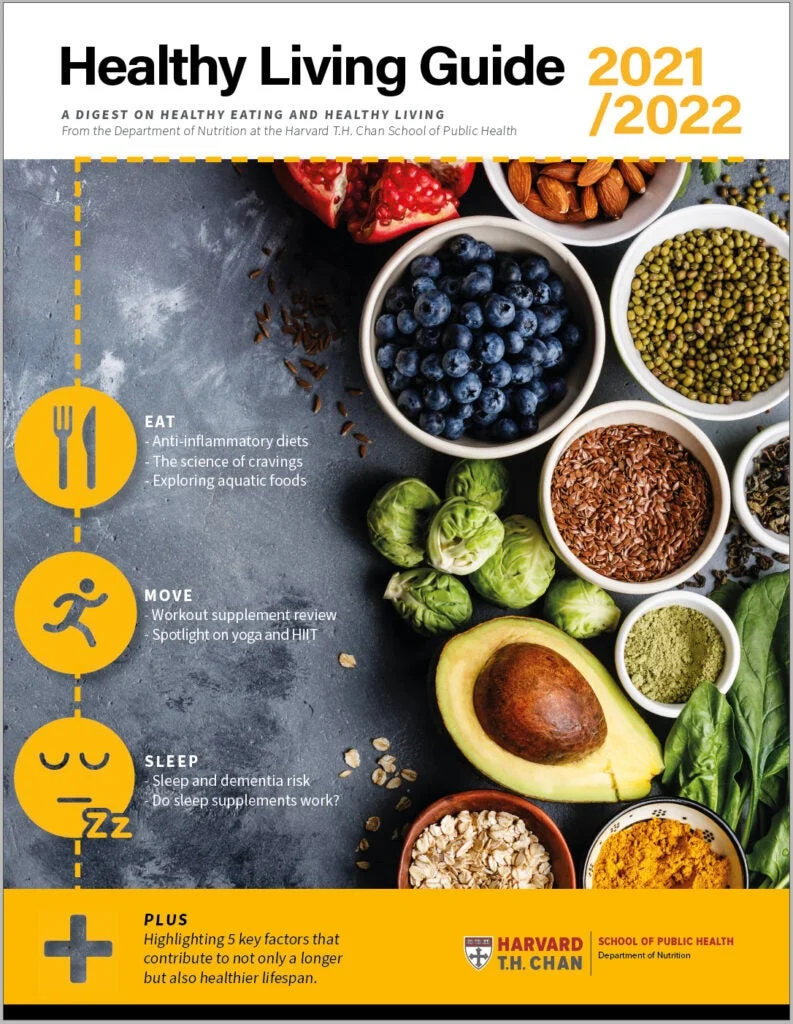
In response to these evolving dynamics and the persistent need for public health guidance, the Harvard T.H. Chan School of Public Health’s Nutrition Source initiative has released its latest "Healthy Living Guide." This comprehensive resource aims to provide individuals with practical, evidence-based strategies for cultivating healthier lifestyles. The 2022 edition revisits foundational themes of optimal nutrition, physical activity, and adequate sleep, incorporating selected research highlights and offering in-depth analyses of popular nutrition and lifestyle topics. The guide’s release is timed to offer timely advice as individuals continue to adapt to post-pandemic realities and strive for well-being in 2022.
The Evolving Landscape of Food Consumption and Health Behaviors
The shift in eating habits observed in the 2021 survey reflects a complex interplay of factors. The initial lockdowns of 2020 spurred a surge in home cooking, driven by factors such as increased leisure time, a desire for control over food safety, and potentially a renewed appreciation for culinary pursuits. This period saw a significant investment in home kitchens, online grocery shopping, and experimentation with new recipes. However, as restrictions eased and a semblance of normalcy returned, many individuals found themselves balancing newfound habits with pre-pandemic routines. The decrease in home cooking could be attributed to a variety of reasons, including the resumption of work commutes, increased social engagements, and a potential re-emergence of convenience-driven food choices.
The reported decrease in "eating more in general" might indicate a recalibration of dietary intake for some, possibly influenced by increased awareness of health consequences or a desire to return to pre-pandemic weight management goals. However, the persistent issue of food insecurity remains a critical concern. Disparities in access to nutritious and affordable food are not new, but the pandemic exacerbated these challenges for vulnerable populations. Factors such as job losses, economic instability, and disruptions to food supply chains disproportionately affected low-income households, leading to increased reliance on food banks and charitable organizations. This highlights the need for systemic solutions that address the root causes of food insecurity, including poverty, lack of access to affordable housing, and inadequate social safety nets.
The Persistent Shadow of the Pandemic and Global Health Imperatives
The ongoing presence of COVID-19 and the emergence of new variants underscore the fragility of global health security. The development and equitable distribution of vaccines have been paramount in mitigating the severity of the disease and reducing transmission. However, significant disparities persist in vaccination rates between high-income and lower-income countries. This inequity not only prolongs the pandemic’s duration but also increases the risk of further mutations, potentially undermining global progress. Public health organizations and international bodies continue to advocate for increased vaccine equity, emphasizing that a truly global recovery hinges on ensuring that all populations have access to life-saving medical interventions.
The pandemic’s impact extends beyond direct health consequences. It has profoundly affected mental health, economic stability, and social structures worldwide. The prolonged period of uncertainty, isolation, and stress has led to increased rates of anxiety, depression, and other mental health challenges. The economic fallout has resulted in job losses, business closures, and increased poverty, further compounding existing societal issues. Understanding these multifaceted impacts is crucial for developing comprehensive strategies that promote not only physical health but also mental and social well-being.
Guidance for a Healthier Future: The Healthy Living Guide
The "Healthy Living Guide" from Harvard’s Nutrition Source serves as a valuable resource in this evolving landscape. Its core themes – eating well, being active, and getting enough sleep – remain cornerstones of a healthy lifestyle, irrespective of external circumstances. The guide’s approach is rooted in scientific evidence and aims to empower individuals with actionable advice.
Eating Well: The guide likely delves into the principles of a balanced diet, emphasizing whole foods, fruits, vegetables, lean proteins, and healthy fats. It may offer practical tips for making healthier food choices, understanding portion sizes, and navigating the complexities of food labels. Given the survey data on reduced home cooking, the guide might also provide strategies for incorporating healthier options into meals prepared outside the home or offer quick and nutritious meal ideas for busy individuals. Discussions on mindful eating, reducing sugar intake, and managing dietary habits to support mental well-being are also probable inclusions.
Being Active: Physical activity is presented as a crucial component of overall health, contributing to cardiovascular health, weight management, bone density, and mood regulation. The guide is expected to offer recommendations on various forms of exercise, from aerobic activities to strength training and flexibility exercises. It may also address the challenges of incorporating physical activity into busy schedules and provide advice on how to stay motivated and overcome common barriers, such as lack of time or access to facilities. The impact of sedentary behavior, a growing concern in modern lifestyles, is also likely to be a focus, with strategies to reduce prolonged sitting.
Getting Enough Sleep: Sleep is often underestimated as a pillar of health, yet it plays a vital role in cognitive function, immune response, and emotional regulation. The guide will likely explore the recommended sleep duration for different age groups and provide practical strategies for improving sleep hygiene. This could include advice on establishing a regular sleep schedule, creating a conducive sleep environment, and managing common sleep disruptors like stress and screen time. The connection between sleep quality and overall health, including its impact on diet choices and energy levels, will likely be emphasized.
Research Highlights and Emerging Trends
The "Healthy Living Guide" typically incorporates summaries of recent research that offer new insights into nutrition and lifestyle. These highlights can range from the impact of specific nutrients on health outcomes to the efficacy of different dietary patterns or exercise regimens. For instance, research on the gut microbiome and its influence on both physical and mental health has gained considerable traction. The guide might explore how dietary choices can impact gut bacteria and, consequently, affect inflammation, immunity, and even mood.
Furthermore, the guide may address emerging trends in nutrition, such as the growing interest in plant-based diets, the role of functional foods, and the personalized nutrition approach. While plant-based diets have been linked to numerous health benefits, including reduced risk of chronic diseases, the guide will likely emphasize the importance of ensuring adequate intake of essential nutrients when adopting such a dietary pattern. Discussions on functional foods, which offer health benefits beyond basic nutrition, and the potential of personalized nutrition, tailored to an individual’s genetic makeup and lifestyle, are also likely to be featured.
Broader Implications and Future Outlook
The insights provided by the "Healthy Living Guide" have far-reaching implications for public health policy and individual well-being. By disseminating evidence-based information, such initiatives contribute to a more informed populace, capable of making healthier choices. The continued focus on foundational health behaviors is crucial, especially in the wake of a global pandemic that has underscored the importance of robust immune systems and overall resilience.
The disparities in food security highlighted by the survey necessitate continued attention from policymakers and community organizations. Addressing these issues requires a multi-pronged approach that includes strengthening social safety nets, promoting access to affordable healthy food in underserved communities, and supporting sustainable food systems.
The ongoing challenge of global health equity, particularly in vaccination efforts, remains a critical concern. Continued international cooperation and investment are essential to ensure that all populations have access to the medical resources needed to combat infectious diseases and build a healthier future for all.
The "Healthy Living Guide" serves as a valuable tool in empowering individuals to take proactive steps towards their well-being. By revisiting and reinforcing core principles of healthy eating, physical activity, and sleep, it offers a roadmap for navigating the complexities of modern life and fostering a more resilient and fulfilling future. The downloadable PDF format, featuring printable tip sheets and summaries, further enhances its accessibility and utility for a wide audience. As the world continues to adapt, resources like this are indispensable in promoting a culture of health and well-being.