
The landscape of food and nutrition commanded significant attention throughout 2022, with the White House Conference on Hunger, Nutrition, and Health emerging as a pivotal moment. This landmark event, the first of its kind since the original conference convened in 1969, culminated in the unveiling of a comprehensive national strategy. This ambitious plan, officially released in September 2022, articulates a bold vision to eradicate hunger and substantially elevate levels of healthy eating and physical activity across the United States by the year 2030. While the strategy encompasses a range of promising initiatives, including the expansion of crucial nutrition assistance programs and the potential for medically tailored meals to be covered under Medicare, experts from Harvard’s Department of Nutrition have also highlighted notable omissions. In a reflective analysis, Drs. Frank Hu, Walter Willett, and Lilian Cheung pointed out significant gaps, such as the insufficient focus on protecting children from the pervasive influence of unhealthy food marketing and the need for a more robust transformation of the food system to address the escalating challenges posed by climate change. Their commentary underscored the imperative for a collaborative approach, stating, "To have a significant impact, the administration must bring together the public and private sectors, along with philanthropists, academia, and individuals to develop truly sustainable food systems that support both public and planetary health."
The urgency for such comprehensive policy development is underscored by the persistent disparities in food access and the ongoing public health burden associated with diet-related diseases. The national strategy’s objectives, while laudable, necessitate a deep dive into the systemic factors that contribute to food insecurity and suboptimal dietary patterns. Data from the U.S. Department of Agriculture (USDA) consistently reveals the prevalence of food insecurity, affecting millions of households annually. For instance, the USDA’s Household Food Security in the United States report for 2021 indicated that 10.2% of households, or 33.8 million people, were food insecure at some point during the year. This reality directly impedes the ability of individuals and families to make healthy eating choices, even when such options are theoretically available.
The White House Conference: A Historical Context and Strategic Aims
The White House Conference on Hunger, Nutrition, and Health in September 2022 marked a significant recommitment to addressing long-standing issues of food security and public health. The original conference in 1969 was instrumental in galvanizing support for federal programs like the Supplemental Nutrition Assistance Program (SNAP), formerly known as food stamps, and the Special Supplemental Nutrition Program for Women, Infants, and Children (WIC). The intervening decades have witnessed both progress and persistent challenges, with advancements in agricultural productivity contrasted by the rise of obesity, diabetes, and other chronic diseases linked to diet.
The 2022 conference aimed to reset the national agenda, acknowledging that the food environment and public health landscape have evolved dramatically. The subsequent national strategy outlined five pillars: improving food access and affordability, integrating nutrition and health, empowering all individuals to make healthy choices, supporting physical activity, and increasing research. Specific policy proposals included enhancing SNAP benefits, expanding access to free school meals, and incentivizing healthy food retailers in underserved areas. The inclusion of medically tailored meals under Medicare, a proposal often championed by public health advocates, represents a potentially transformative step in recognizing the therapeutic role of nutrition in managing chronic conditions.
Expert Analysis and Identified Gaps
Despite the comprehensive nature of the national strategy, the assessment by Harvard’s Department of Nutrition faculty highlights crucial areas that require more robust attention. The marketing of unhealthy foods, particularly to children, remains a pervasive influence on dietary habits. The American Academy of Pediatrics has long advocated for stricter regulations on food marketing directed at youth, citing its contribution to the normalization of high-sugar, high-fat, and high-sodium products. The omission of strong measures to curb such marketing in the national strategy represents a missed opportunity to address a key driver of childhood obesity and unhealthy eating patterns that can persist into adulthood.
Furthermore, the intricate relationship between the food system and climate change was also identified as an area needing deeper integration. Sustainable food systems are not only essential for environmental health but also for long-term food security. Practices that promote soil health, reduce food waste, and minimize greenhouse gas emissions from agriculture are critical. The strategy’s acknowledgment of climate change is present, but the call for a transformative approach to the food system in response to this existential threat suggests that more concrete, systemic changes are necessary. The interdependency of public health and planetary health demands an integrated strategy that recognizes these connections explicitly.
Supporting Data and the Public Health Imperative
The statistics surrounding diet-related diseases underscore the critical importance of the goals set forth by the national strategy. The Centers for Disease Control and Prevention (CDC) reports that approximately 6 in 10 adults in the United States have a chronic disease, and 4 in 10 adults have two or more chronic diseases. Leading causes of death and disability in the U.S. are largely preventable through healthy lifestyle choices, including a nutritious diet and regular physical activity. For instance, heart disease remains the leading cause of death, with dietary factors such as high saturated fat intake and low fruit and vegetable consumption playing significant roles. Similarly, type 2 diabetes, a condition strongly linked to diet and obesity, affects over 37 million Americans.
The economic burden of these chronic diseases is substantial, placing immense pressure on healthcare systems and impacting workforce productivity. The CDC estimates that chronic diseases are responsible for $3.8 trillion in annual healthcare costs and lost productivity in the United States. Therefore, investments in nutrition and healthy living are not merely public health initiatives; they are also sound economic strategies.
Broader Impact and Implications
The national strategy’s success hinges on its effective implementation and the ability to foster widespread engagement. The call for collaboration among public and private sectors, academia, and individuals is paramount. This includes encouraging food manufacturers to reformulate products to reduce sugar, salt, and unhealthy fats, incentivizing grocery stores to stock healthier options, and supporting community-based initiatives that promote nutrition education and physical activity.
The implications of achieving the strategy’s goals are far-reaching. Beyond the reduction of chronic diseases and food insecurity, a more equitable and sustainable food system can contribute to stronger communities, improved environmental quality, and enhanced national security. The vision articulated by the White House conference and the ongoing work by organizations like Harvard’s Department of Nutrition lay the groundwork for a healthier future, but sustained effort and a willingness to address complex systemic issues will be essential to realizing this vision.
The Healthy Living Guide: A Resource for Action
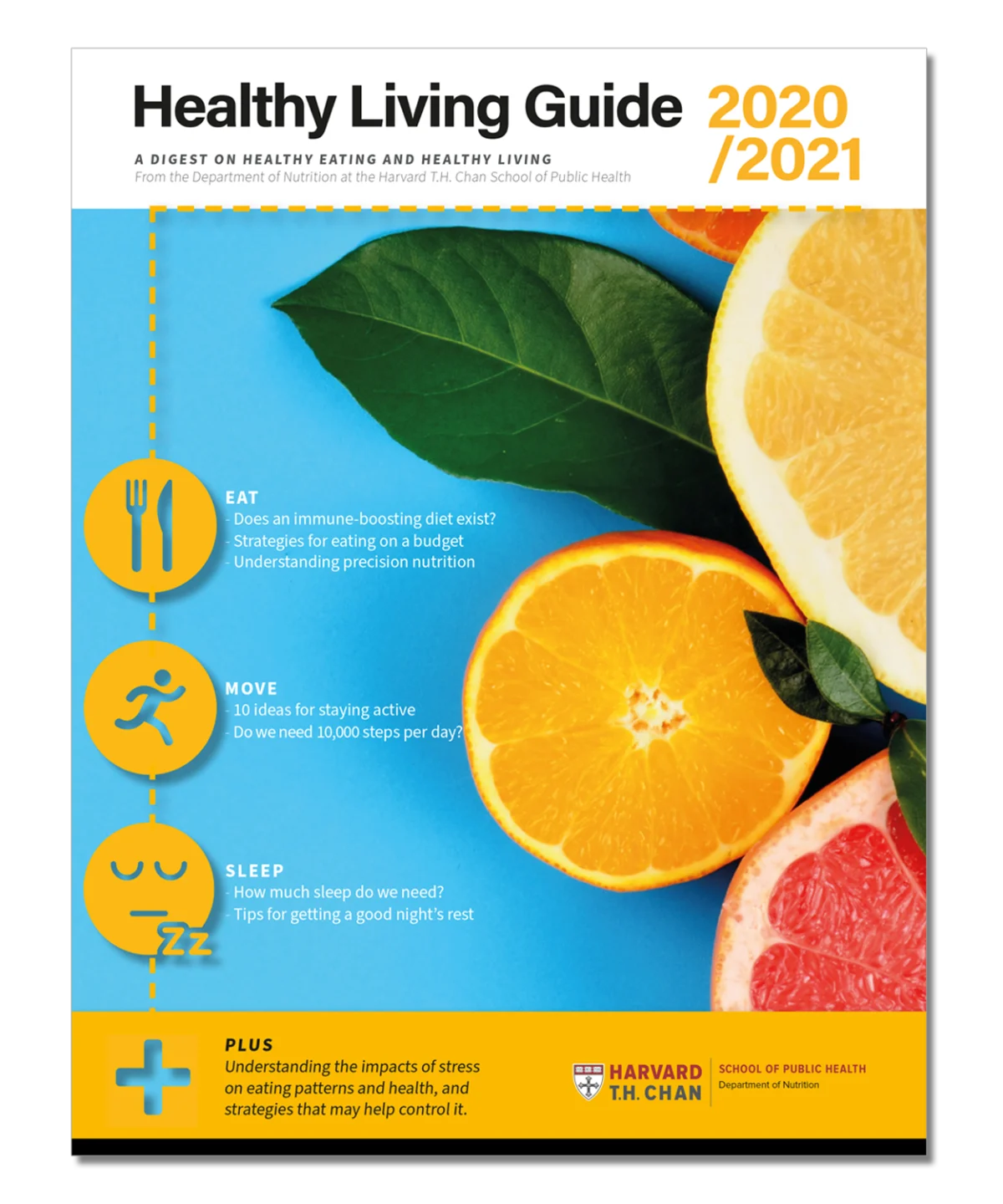
In the interim, while broader policy changes are being developed and implemented, individuals are encouraged to integrate healthy behaviors into their daily lives. The Harvard T.H. Chan School of Public Health’s Department of Nutrition has released a "Healthy Living Guide" designed to provide practical resources and actionable advice. This guide, available for download as a printable PDF, offers summaries and tip sheets aimed at empowering individuals to make incremental yet impactful changes. Access to the full online articles, which delve deeper into various aspects of nutrition and healthy living, is also provided, allowing for a more comprehensive understanding of the scientific evidence underpinning these recommendations.
The guide serves as a timely reminder that personal choices, when aggregated across a population, can contribute to significant public health gains. The emphasis on "no change is too small" reflects a philosophy that encourages sustainable habit formation rather than drastic, unsustainable overhauls. This approach acknowledges the diverse circumstances individuals face and promotes a sense of agency in navigating the complexities of healthy eating and living in the modern world. The guide also includes a quiz to test healthy living knowledge, drawing answers from previous editions, further encouraging engagement with the material and reinforcing key learnings. This initiative, alongside the national dialogue spurred by the White House Conference, highlights a multi-pronged approach to fostering a healthier society, one that recognizes the interplay between individual action, policy, and systemic change.