
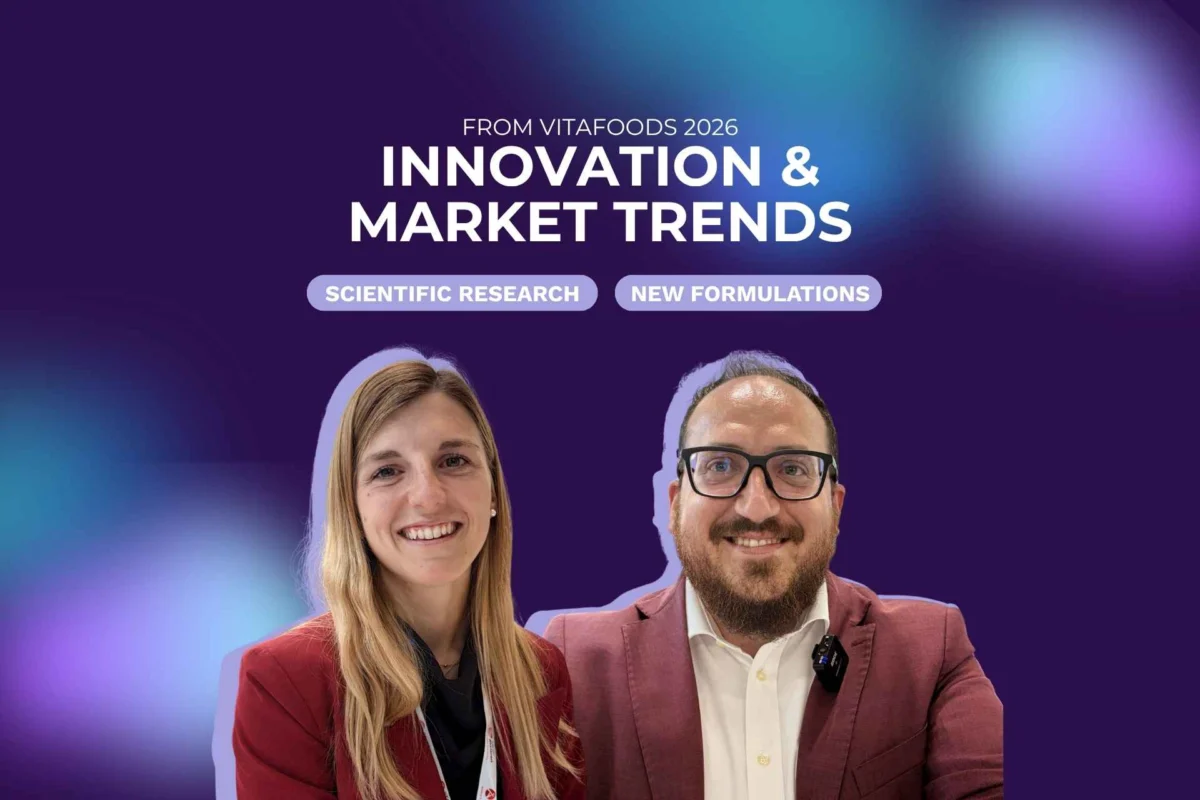
The global probiotic industry is currently undergoing a paradigm shift, transitioning from a generalized approach to gut health toward a highly specialized, science-driven era of precision nutrition. At the forefront of this transformation is Sacco System, an international biotech hub that has spent decades refining the application of lactic acid bacteria and probiotic strains across the food, nutraceutical, and pharmaceutical sectors. In a recent strategic overview, Carlo Sala, Sales Director for EMEA and LATAM, and Chiara Sironi, Project Manager of Formulations, detailed how the company is navigating this complex landscape. By leveraging advanced research, strain-specific development, and ready-to-market finished solutions, Sacco System is positioning itself to meet the sophisticated demands of modern consumers and healthcare providers alike.
The Evolution of the Probiotic Market: From General Wellness to Targeted Therapy
For much of the early 21st century, the probiotic market was dominated by a handful of well-known strains marketed for general digestive comfort. However, the last five years have seen a surge in "targeted probiotics"—products designed to address specific health concerns such as immune support, skin health, metabolic function, and the gut-brain axis. This shift is reflected in the current market valuation; the global probiotics market, valued at approximately $70 billion in 2023, is projected to grow at a compound annual growth rate (CAGR) of over 8% through 2030.
This growth is fueled by an increasingly informed consumer base. Today’s consumers are no longer satisfied with vague health claims; they demand clinical evidence and transparency regarding the specific strains used in their supplements. Sacco System has responded to this by focusing on "strain-specific" benefits. As Carlo Sala notes, the company’s expansion into the EMEA (Europe, Middle East, and Africa) and LATAM (Latin America) regions is predicated on delivering localized solutions that align with regional regulatory frameworks and specific health priorities.
Strategic Innovation: The Sacco System Approach to Strain Development
Innovation at Sacco System is not merely about discovering new bacteria; it is about the rigorous validation of their biological activity. The company’s research and development pipeline is built on three fundamental pillars: genomic characterization, metabolomic profiling, and clinical validation.
Genomic characterization allows researchers to map the entire DNA of a strain, ensuring its safety (e.g., the absence of antibiotic resistance genes) and identifying the genetic pathways responsible for its probiotic effects. Metabolomic profiling goes a step further by studying the metabolites—such as short-chain fatty acids (SCFAs)—that the bacteria produce during fermentation, which are often the primary drivers of health benefits.
Finally, clinical validation remains the gold standard. Sacco System invests heavily in human clinical trials to prove that their strains, such as Lactobacillus rhamnosus CRL1505 or Bifidobacterium animalis ssp. lactis BLC1, deliver measurable improvements in health outcomes. This evidence-based approach is essential for brands looking to differentiate themselves in a crowded marketplace where regulatory bodies, such as the European Food Safety Authority (EFSA), maintain strict standards for health claims.
Formulations and Finished Solutions: Shortening Time to Market
One of the most significant challenges for nutraceutical brands is the transition from a raw ingredient to a stable, effective finished product. Chiara Sironi, as Project Manager for Formulations, emphasizes that the "delivery system" is just as important as the probiotic strain itself. Probiotics are living organisms; they are sensitive to moisture, heat, and oxygen.
Sacco System has expanded its portfolio to include "Finished Solutions." These are pre-formulated, shelf-stable products—ranging from capsules and sachets to oil drops and chewable tablets—that allow brands to launch new products without the need for extensive internal R&D. This "plug-and-play" model significantly reduces time to market, a critical competitive advantage in a fast-moving industry.
Sironi highlights that formulation innovation also involves "synbiotics"—the combination of probiotics with prebiotics (fibers that feed the bacteria) or postbiotics (the inanimate metabolites of bacteria). By creating synergistic blends, Sacco System can enhance the survival of the strains in the gastrointestinal tract and maximize their metabolic output, leading to superior efficacy.
Regional Dynamics: EMEA and LATAM Market Analysis
The market dynamics in EMEA and LATAM present distinct opportunities and challenges. In the EMEA region, particularly Western Europe, the market is mature. Consumers are focused on preventative health and "healthy aging." There is a high demand for probiotics that support cognitive health and longevity. However, the regulatory environment is one of the strictest in the world, requiring robust scientific dossiers to support any label claims.
In contrast, the LATAM market is experiencing rapid growth driven by an expanding middle class and an increasing awareness of the link between the microbiome and metabolic health. Countries like Brazil and Mexico are becoming hubs for probiotic innovation. Carlo Sala points out that Sacco System’s strategy in these regions involves not only supplying high-quality ingredients but also providing technical support to local manufacturers to ensure that products remain viable in warmer, more humid climates.
A Chronology of Excellence: Sacco System’s Heritage
To understand Sacco System’s current market position, one must look at its historical trajectory. The company is part of a family-owned biotech group with roots dating back to 1872 with the founding of Caglificio Clerici.
- 1872: Caglificio Clerici is established, focusing on rennet and enzymes for the dairy industry.
- 1934: The Sacco laboratory is founded, specializing in lactic acid bacteria.
- 1980s-90s: The company pivots toward the nutraceutical sector, recognizing the potential of bacteria beyond food fermentation.
- 2000s: Integration of CSL (Centro Sperimentale del Latte), further strengthening the group’s scientific capabilities.
- 2020-Present: Focus on "The New Horizons"—expanding into the microbiome-based pharmaceutical space and advanced finished formulations.
This long history provides a foundation of stability and deep technical expertise that few competitors can match. It allows the company to maintain a long-term vision, investing in research that may take years to reach commercialization.
Supporting Data: The Science of the Microbiome
The logic behind Sacco System’s investment in innovation is backed by a growing body of scientific data. Research into the human microbiome has revealed that our gut bacteria influence everything from our mood to our response to medications.
- Immune Modulation: Data shows that specific strains can interact with the GALT (Gut-Associated Lymphoid Tissue), which houses approximately 70% of the body’s immune cells. Sacco’s strains have been shown in trials to reduce the duration and severity of upper respiratory tract infections.
- Stability Metrics: Stability is a major pain point. Sacco System utilizes advanced freeze-drying and microencapsulation technologies. Data indicates that these methods can maintain a high colony-forming unit (CFU) count even after 24 months at room temperature.
- Market Share: While the dairy sector remains a staple for probiotic use, the supplement sector is growing at nearly double the rate, highlighting the importance of the formulations Chiara Sironi oversees.
Broader Impact and Industry Implications
The evolution of Sacco System’s portfolio has broader implications for the global health industry. By lowering the barriers to entry for high-quality probiotic products, they are democratizing access to advanced microbiome science.
Furthermore, the company’s focus on sustainability—optimizing fermentation processes to reduce waste and energy consumption—reflects a growing trend in the biotech industry to align "health for people" with "health for the planet." As the industry moves toward 2030, the integration of Artificial Intelligence (AI) in strain selection and personalized nutrition will likely be the next frontier. Sacco System is already exploring how data-driven insights can lead to "precision probiotics" tailored to an individual’s unique microbiome profile.
In conclusion, Sacco System is not just reacting to market trends; it is actively shaping them. Through the leadership of professionals like Carlo Sala and Chiara Sironi, the company is bridging the gap between complex microbiological research and the practical needs of the global consumer. Their focus on tailored formulations, regional expertise, and clinical excellence ensures that they will remain a pivotal player in the microbiome revolution for years to come. The "new horizons" they speak of are characterized by a commitment to science that translates into tangible health benefits, proving that the future of medicine and nutrition may very well be microscopic.
