

The dream of cell-based chocolate is rapidly transforming into a tangible reality, with one of the world’s largest confectionery giants spearheading this innovative frontier. Mondelēz International, renowned for iconic brands like Cadbury, has achieved a significant milestone by developing nearly a dozen milk chocolate bars utilizing cell-based cocoa butter sourced from the Israeli startup Celleste Bio. This development is a testament to the growing maturity and scalability of the cellular agriculture industry, promising a more sustainable and resilient future for chocolate production.
Mondelēz International’s investment in Celleste Bio, which began in 2022, has now yielded a groundbreaking product that could reshape the global chocolate market. Celleste Bio’s proprietary technology involves cultivating real cocoa cells in a bioreactor, a process that dramatically reduces the resource intensity traditionally associated with cocoa butter production. According to company data, Celleste Bio can produce the same amount of cocoa butter from as few as one to two cocoa beans, a stark contrast to the conventional method that requires approximately four tonnes of cocoa beans and a substantial 10,000 square meters of land. This efficiency highlights the potential of cellular agriculture to alleviate the immense environmental pressures currently faced by the cocoa industry.
The successful integration of Celleste Bio’s cell-based cocoa butter into Mondelēz International’s product line signifies more than just an innovative ingredient. It demonstrates the viability of this technology at an industrial scale and confirms its ability to meet the stringent quality and consumption standards of a major global food producer. This achievement positions Celleste Bio to accelerate its production capabilities, with the company aiming for market-ready quantities within the next two years.
"It delivers the same texture, melt, and experience as conventional cocoa – and marks a real step toward scalable, commercially viable production," stated Michal Beressi Golomb, CEO of Celleste Bio, in a recent LinkedIn post. This assurance from the company’s leadership is crucial for building consumer and industry confidence in a novel food ingredient. The ability to replicate the sensory attributes of traditional cocoa butter is paramount for widespread adoption, as consumers expect their favorite chocolate experiences to remain consistent.

The Science Behind Celleste Bio’s Innovation
Founded in 2022 by Hanne Volpin, Orna Harel, Avishay Levy, and Daphna Michaeli, with strategic support from The Trendlines Group, Celleste Bio is at the intersection of agricultural technology (agtech), biotechnology, and artificial intelligence (AI). The company’s innovative approach involves a meticulous process of selecting diverse cocoa bean varieties, extracting their viable cells, and cultivating these cells in a controlled bioreactor environment. This carefully managed growth medium, enriched with essential vitamins, minerals, water, and sugar, fosters the development of a cocoa biomass. From this biomass, the company extracts high-quality cocoa butter and powder.
This method is designed to mimic the natural biological processes of cocoa growth but within a highly optimized and reproducible laboratory setting. A key advantage of Celleste Bio’s technology is its regenerative capacity: the cocoa cells continue to multiply and produce biomass even after the initial extraction, meaning the process can be sustained without requiring a continuous supply of new cocoa beans from the field. This inherent sustainability is a significant differentiator in an industry grappling with supply chain volatility.
Furthermore, Celleste Bio’s AI-driven platform plays a pivotal role in tailoring its cocoa butter to meet specific client needs. The company can customize properties such as melting points and flavor profiles, offering manufacturers the flexibility to innovate and enhance their product offerings. This capability allows for the creation of bespoke ingredients that can provide a competitive edge in a dynamic consumer market.
Addressing Global Cocoa Supply Chain Challenges
The launch of cell-based cocoa butter by Mondelēz International comes at a critical juncture for the global cocoa industry, which is facing unprecedented challenges. The demand for chocolate ingredients, particularly cocoa butter, is substantial, with chocolate manufacturers collectively spending an estimated $16 billion annually on these components. Cocoa butter alone represents nearly half of this expenditure.
However, the traditional cocoa supply chain is increasingly fragile, threatened by a confluence of factors including climate change, disease outbreaks, geopolitical instability, and unsustainable farming practices. These pressures have led to significant price volatility and supply shortages. In 2024, cocoa prices reached historic highs, driven by adverse weather conditions and crop diseases that severely impacted key cocoa-producing regions, notably Ivory Coast and Ghana. These two nations, which together account for a significant portion of global cocoa production, have experienced extensive deforestation, with over 85% of their forest cover lost since 1960, often to make way for cocoa plantations.
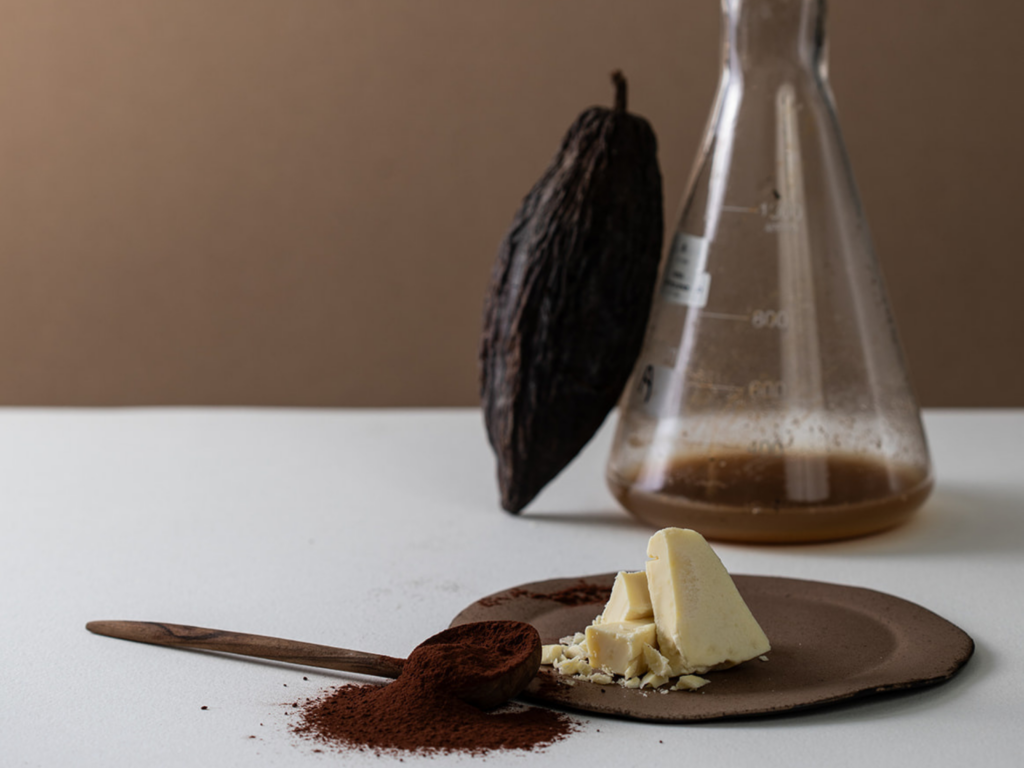
Scientific projections paint a concerning picture for the future, with some experts warning that up to one-third of the world’s cocoa trees could be lost by 2050 due to environmental degradation and disease. The environmental footprint of chocolate production is also substantial; it is a significant contributor to greenhouse gas emissions, second only to beef production, and is closely linked to widespread tropical deforestation.
"Building a resilient supply chain means being able to produce at commercial volumes while offsetting disruptions caused by climate change, deforestation, and resource scarcity," emphasized Hanne Volpin, Celleste Bio’s Chief Science and Technology Officer. "We are on track to produce one tonne of cocoa butter annually in a 1000-litre bioreactor from a single bean – which would otherwise require about a hectare of cocoa trees. To that end, we’ve curated a very robust bank of multiple cocoa bean varietals we can use to grow, test, and scale material without ever having to cut down a single tree in the rainforest." This statement underscores the transformative potential of Celleste Bio’s approach in mitigating the environmental impact of chocolate manufacturing.
A Path to Market Commercialization
Celleste Bio is strategically positioning itself for market readiness, with a target launch by 2027. The company is currently navigating the regulatory approval process in key markets, including the United States, the United Kingdom, the European Union, and Israel. This regulatory clearance will be crucial for the widespread commercialization of their cell-based cocoa ingredients.
Michal Beressi Golomb has articulated a clear pricing strategy designed to ensure competitiveness. "The ingredient is and must be at parity with cocoa prices, ideally more cost-efficient when traditional cocoa supply is skyrocketing," she explained. Celleste Bio plans to offer its products in two tiers: a "drop-in replacement" that will be priced comparably to conventional cocoa butter, and a "premium cocoa" option for the higher-end market. This dual-pronged approach allows them to cater to a broad spectrum of the market and capitalize on fluctuating commodity prices.
To date, Celleste Bio has secured $5.6 million in funding, reflecting growing investor confidence in the cell-based cocoa sector. The company is part of a burgeoning ecosystem of innovators in this space, attracting significant backing from major players in the confectionery industry. For instance, Sparkalis, the venture capital arm of Puratos, a prominent Belgian confectionery ingredient supplier, has been an early investor in California Cultured, another company developing cell-based cocoa products. Puratos has indicated its intention to launch a cell-based chocolate product for its clients by the end of the current year.
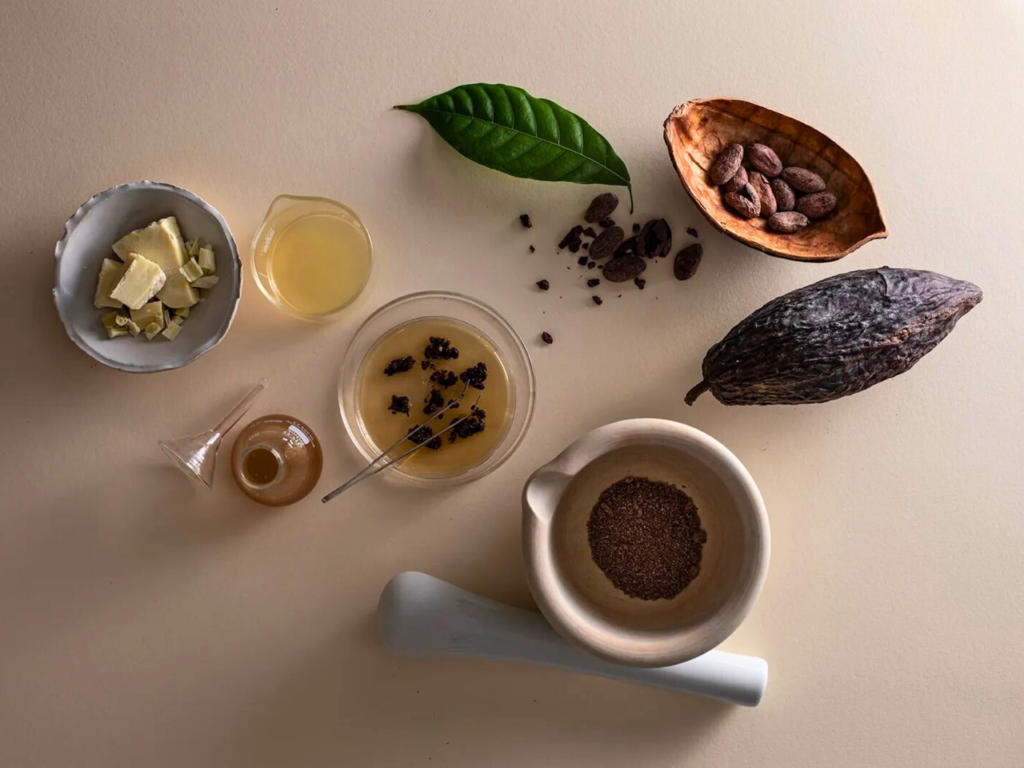
Furthermore, Puratos and Lindt, the Swiss chocolatier, are also investors in Food Brewer, a Swiss-based company working on cell-based cocoa solutions. In parallel, global agribusiness giant Cargill is collaborating with Kokomodo, an Israeli startup focused on cell-based cacao. These significant investments and partnerships highlight a strong industry-wide recognition of the necessity and potential of cellular agriculture to address the inherent vulnerabilities of the traditional cocoa supply chain.
Implications for the Future of Chocolate
The collaboration between Mondelēz International and Celleste Bio represents a pivotal moment for the cellular agriculture industry and the broader food sector. It signals a tangible shift from laboratory innovation to commercial application, demonstrating that cell-based ingredients can indeed meet the demands of large-scale food production.
The implications of this development are far-reaching:
- Enhanced Sustainability: By decoupling cocoa butter production from traditional farming, cell-based methods offer a significant reduction in land use, water consumption, and greenhouse gas emissions. This is crucial for meeting global sustainability targets and mitigating the environmental impact of popular consumer goods.
- Supply Chain Resilience: The ability to produce cocoa butter in controlled environments shields the industry from the volatile weather patterns, crop diseases, and geopolitical risks that plague traditional cocoa farming. This offers greater stability and predictability for manufacturers.
- Innovation and Customization: Cell-based technology allows for the creation of cocoa butter with precisely tailored characteristics, opening new avenues for product development and differentiation in the competitive chocolate market.
- Ethical Sourcing: While not explicitly detailed for this particular product, cell-based production inherently avoids issues often associated with traditional cocoa farming, such as child labor and deforestation, which are persistent concerns in the industry.
- Economic Opportunities: The development of a new bio-industrial sector creates new jobs and economic opportunities in research, development, manufacturing, and regulatory affairs.
As Mondelēz International rolls out its new milk chocolate bars, the consumer response will be closely watched. The success of these products could pave the way for broader adoption of cell-based ingredients across the confectionery landscape, ultimately contributing to a more sustainable, ethical, and resilient future for one of the world’s most beloved treats. The journey from a scientific concept to a supermarket shelf product is complex, but this collaboration marks a significant stride forward, proving that the future of chocolate may well be grown in a lab.
