

Polycystic Ovary Syndrome (PCOS) remains one of the most prevalent endocrine disorders among women of reproductive age, affecting approximately 8% to 13% of the global female population. While the condition is characterized by a spectrum of symptoms including irregular menstrual cycles, hirsutism, and cystic ovaries, the struggle with weight management and metabolic dysfunction represents one of its most pervasive and distressing hallmarks. Medical research increasingly suggests that for many patients, traditional "calories-in, calories-out" weight loss models are insufficient due to the complex hormonal architecture of the syndrome. Consequently, a growing body of clinical evidence points toward the strategic use of specific nutritional supplements to address the underlying drivers of PCOS-related weight gain: insulin resistance, chronic inflammation, and androgen excess.
The clinical relationship between PCOS and weight gain is rooted in metabolic inflexibility. Approximately 70% to 80% of women with PCOS exhibit some degree of insulin resistance, regardless of their body mass index (BMI). This condition occurs when the body’s cells become less responsive to insulin, the hormone responsible for transporting glucose from the bloodstream into the cells for energy. When cells resist insulin, the pancreas compensates by producing higher levels of the hormone. These elevated insulin levels act as a signal to the ovaries to produce excess testosterone and simultaneously instruct the body to store energy as adipose tissue, particularly in the abdominal region. This creates a biological feedback loop where weight gain worsens hormonal imbalances, and hormonal imbalances make weight loss increasingly difficult.
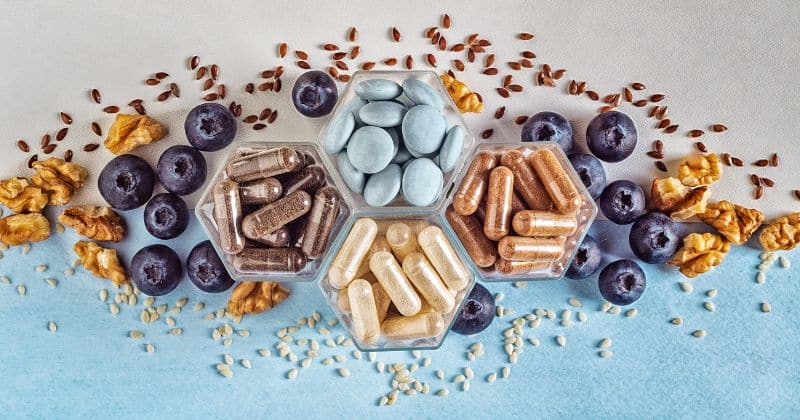
To combat this cycle, healthcare providers and researchers have identified five key supplements that show significant promise in restoring metabolic balance and facilitating weight loss for those living with PCOS.
1. Inositol: The Insulin Sensitizer
Inositol, historically referred to as Vitamin B8, is a naturally occurring sugar alcohol that plays a fundamental role as a secondary messenger in insulin signaling. In the context of PCOS, the focus is primarily on two isomers: Myo-inositol (MI) and D-chiro-inositol (DCI). Research has demonstrated that women with PCOS often have a deficiency in these isomers or a defect in the enzyme that converts MI to DCI, leading to impaired glucose uptake.
Clinical studies, including a notable meta-analysis published in the journal Endocrine Connections, suggest that supplementing with a combination of Myo-inositol and D-chiro-inositol in a 40:1 ratio—the same ratio found in human plasma—can significantly improve insulin sensitivity. By enhancing the body’s ability to process glucose, inositol reduces the need for high circulating insulin levels. This reduction in insulin leads to a subsequent drop in testosterone production, which helps alleviate symptoms like acne and hirsutism while making it easier for the body to access stored fat for fuel. The standard therapeutic dosage used in clinical trials is typically 4,000 mg of Myo-inositol per day, often administered in powder form to ensure patient compliance and proper absorption.

2. N-acetylcysteine (NAC): The Antioxidant Powerhouse
N-acetylcysteine (NAC) is a derivative of the amino acid L-cysteine and serves as a precursor to glutathione, the body’s "master antioxidant." While NAC has been used for decades in conventional medicine to treat acetaminophen overdoses and respiratory conditions, its application in PCOS management has gained significant traction over the last decade.
The efficacy of NAC in PCOS is twofold. First, it acts as an insulin sensitizer. A study published in Fertility and Sterility compared NAC to Metformin, a common pharmaceutical treatment for PCOS, and found that NAC performed comparably in reducing BMI and improving insulin sensitivity without the gastrointestinal side effects often associated with the medication. Second, NAC addresses the chronic low-grade inflammation that is endemic to PCOS. By boosting glutathione levels, NAC helps neutralize reactive oxygen species (ROS) that contribute to cellular stress and metabolic dysfunction. For weight loss, NAC is typically recommended at dosages ranging from 600 mg to 1,800 mg daily. Its ability to improve ovulation rates also makes it a critical supplement for patients focused on fertility alongside weight management.
3. Omega-3 Fatty Acids: Reducing the Pro-inflammatory State
Omega-3 fatty acids, primarily Eicosapentaenoic acid (EPA) and Docosahexaenoic acid (DHA), are essential fats that must be obtained through diet or supplementation. For women with PCOS, who are statistically at a higher risk for cardiovascular disease and non-alcoholic fatty liver disease (NAFLD), Omega-3s provide essential protective benefits.
From a weight loss perspective, Omega-3 fatty acids help regulate adiponectin, a hormone secreted by fat cells that enhances insulin sensitivity and promotes fat burning. Furthermore, PCOS is increasingly viewed by the medical community as a pro-inflammatory condition. Chronic inflammation is known to interfere with leptin signaling—the hormone responsible for satiety—leading to increased appetite and cravings. By reducing systemic inflammation, Omega-3 supplements can help restore normal hunger cues. A 2018 systematic review in Reproductive Biology and Endocrinology concluded that Omega-3 supplementation significantly reduced waist circumference and androgen levels in women with PCOS. Experts generally recommend a high-quality fish or algae oil providing at least 1,000 mg to 2,000 mg of combined EPA and DHA daily.
4. Berberine: A Natural Metabolic Switch
Berberine is a bioactive compound extracted from several different plants, including goldenseal and barberry. In the realm of metabolic health, it is often referred to as "nature’s Metformin" due to its potent ability to activate an enzyme called AMP-activated protein kinase (AMPK).
AMPK is often described as a "metabolic master switch" because it regulates how energy is produced and used by the body. When activated, AMPK increases glucose uptake in the muscles, improves insulin sensitivity, and inhibits the production of glucose in the liver. For women with PCOS, this means more efficient energy utilization and a reduction in the fat-storage signals sent by high insulin. Furthermore, berberine has been shown to have a positive impact on the gut microbiome. Emerging research suggests that an imbalance in gut bacteria (dysbiosis) may contribute to the development of PCOS symptoms. By promoting a healthy bacterial environment, berberine supports better digestion and metabolic health. Clinical trials typically utilize a dosage of 500 mg taken three times daily before meals, though patients are advised to monitor for potential digestive sensitivity.
5. Vitamin D: The Hormonal Regulator
Vitamin D is unique in that it functions more like a pro-hormone than a traditional vitamin. It is estimated that up to 85% of women with PCOS are deficient in Vitamin D, a statistic that has profound implications for metabolic health. Vitamin D receptors (VDR) are located throughout the body, including in the pancreas and the ovaries, suggesting it plays a direct role in insulin secretion and hormonal regulation.
Low levels of Vitamin D are strongly correlated with insulin resistance, obesity, and a higher risk of developing Type 2 diabetes. Supplementing with Vitamin D can help improve the maturation of egg follicles and regulate the menstrual cycle, but its impact on weight is largely tied to its role in glucose metabolism. A study involving overweight women with PCOS found that those who corrected their Vitamin D deficiency saw a marked improvement in their insulin response and a reduction in abdominal fat. Given that Vitamin D is fat-soluble and can reach toxic levels if over-consumed, medical professionals recommend blood testing to determine an individual’s baseline before starting a high-dose regimen, though a maintenance dose of 2,000 IU to 5,000 IU is common in clinical settings.
Chronology of Treatment Evolution
The approach to managing PCOS and its associated weight gain has shifted dramatically over the last thirty years. In the 1990s, treatment was largely symptomatic, focusing on the use of hormonal contraceptives to regulate periods and anti-androgens for skin issues. By the early 2000s, the discovery of the central role of insulin resistance led to the off-label use of insulin-sensitizing drugs like Metformin.
The current decade represents a shift toward "integrative metabolic management." This approach recognizes that while pharmaceuticals have their place, they often come with side effects that can hinder long-term adherence. The rise of supplements like Inositol and Berberine in mainstream clinical discussions reflects a growing demand for evidence-based, natural alternatives that address the root causes of the disorder. This evolution is supported by a burgeoning library of peer-reviewed research that validates the efficacy of nutritional interventions.
Analysis of Broader Implications
The effective management of PCOS-related weight loss through supplementation has implications that extend beyond aesthetics. Unmanaged PCOS is a gateway to several chronic conditions, including gestational diabetes, cardiovascular disease, and endometrial cancer. By utilizing targeted supplements to improve insulin sensitivity and reduce inflammation, patients are not only losing weight but are also actively engaged in preventative medicine.
From an economic perspective, the burden of PCOS on healthcare systems is substantial. A study published in the Journal of Clinical Endocrinology & Metabolism estimated the annual healthcare cost of PCOS in the United States alone to be several billion dollars, much of which is attributed to treating the long-term complications of the syndrome. Widespread adoption of nutritional protocols could potentially reduce these costs by empowering patients to manage their metabolic health more effectively at the primary care level.
Official Responses and Clinical Outlook
While many endocrinologists and gynecologists are increasingly open to the use of supplements, the official stance from major medical bodies like the Androgen Excess and PCOS Society (AE-PCOS) emphasizes that supplements should complement, not replace, lifestyle modifications. Diet and exercise remain the cornerstone of PCOS management. However, experts acknowledge that for women whose hormones are working against them, supplements provide the necessary biological "nudge" to make those lifestyle changes effective.
The clinical outlook for the future involves personalized nutrition. As genomic testing becomes more accessible, doctors may soon be able to identify which specific pathway (e.g., Vitamin D receptor mutations or inositol processing defects) is most compromised in an individual patient, allowing for a highly tailored supplement regimen.
In conclusion, the journey of weight loss with PCOS is uniquely challenging, necessitated by a biological environment that favors fat storage over energy expenditure. Supplements such as Inositol, NAC, Omega-3s, Berberine, and Vitamin D offer a scientifically backed method to recalibrate this environment. When integrated into a holistic plan involving low-glycemic nutrition and consistent physical activity, these powerful compounds can help women with PCOS overcome metabolic hurdles and achieve sustainable health improvements. As always, patients are urged to consult with a healthcare professional to ensure that any new supplement is safe and appropriate for their specific medical history.