
Polycystic Ovary Syndrome (PCOS) remains one of the most prevalent endocrine disorders among women of reproductive age, affecting approximately 8% to 13% of the global female population. While the condition is characterized by a complex array of symptoms including irregular menstrual cycles, hirsutism, and infertility, modern clinical consensus has increasingly identified metabolic dysfunction—specifically insulin resistance—as a primary driver of the disorder. Consequently, the role of dietary intervention has transitioned from a secondary lifestyle recommendation to a primary therapeutic strategy. Lunch, often the most neglected meal in a busy professional’s schedule, serves as a critical mid-day pivot point for maintaining blood glucose stability and hormonal homeostasis.
Medical experts emphasize that for women with PCOS, the objective of a mid-day meal is twofold: to provide sustained energy that prevents the afternoon "slump" and to mitigate the androgenic surges often triggered by high-glycemic foods. By prioritizing lean proteins, healthy fats, and complex carbohydrates with a low glycemic load, patients can effectively manage their symptoms through culinary choices.
A Chronology of PCOS Dietary Evolution
The understanding of how nutrition affects PCOS has undergone significant shifts over the last four decades. In the 1980s and early 1990s, PCOS was largely viewed through a strictly gynecological lens, with dietary advice rarely extending beyond general weight loss. However, the late 1990s marked a turning point when researchers began to solidify the link between PCOS and hyperinsulinemia.
By the mid-2000s, the "Low Glycemic Index (GI)" movement revolutionized PCOS management, as studies demonstrated that slow-releasing carbohydrates could reduce the insulin spikes that stimulate the ovaries to produce excess testosterone. In the 2010s, the focus expanded to include the "Anti-Inflammatory Diet," recognizing that chronic low-grade inflammation is a hallmark of the syndrome. Today, in the 2020s, the approach has become more holistic, integrating gut health (probiotics), endocrine-disrupting chemical avoidance, and the strategic use of Omega-3 fatty acids to balance the endocrine system.
The Nutritional Science of Hormonal Stabilization
The efficacy of the following lunch ideas is rooted in their ability to address the three pillars of PCOS management: insulin sensitivity, androgen reduction, and inflammation control.
Data from the Iranian Journal of Reproductive Medicine (2013) suggests that Omega-3 supplementation can significantly lower testosterone levels and regulate menstrual cycles in women with PCOS. This finding underscores the importance of incorporating fatty fish, such as salmon, into the weekly meal rotation. Furthermore, the inclusion of high-fiber legumes and cruciferous vegetables aids in the detoxification of excess estrogen, a common secondary issue in hormonal imbalances.
12 Culinary Strategies for Mid-Day Hormone Balance
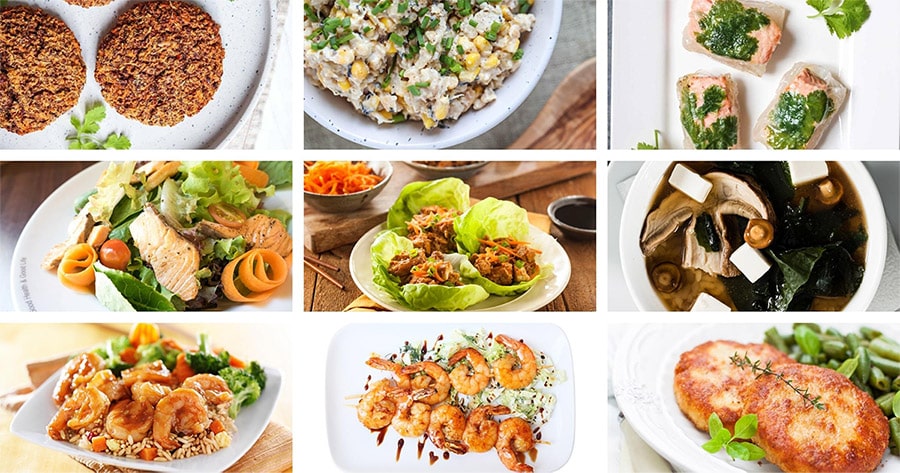
1. Salmon Caesar Salad with Mushrooms, Tomato, and Avocado
Traditional Caesar salads are often nutritional "traps" due to high-sodium, processed dressings. A PCOS-friendly version replaces store-bought oils with a homemade avocado-oil-based dressing. Salmon provides the essential Omega-3 fatty acids required to suppress excess androgens.
- Key Preparation: Grill salmon for 10 minutes on medium-high heat with garlic and thyme. Combine with romaine lettuce, avocado, mushrooms, and tomatoes. The healthy fats in the avocado and salmon ensure the fat-soluble vitamins in the vegetables are properly absorbed.
2. Pomegranate, Chickpea, and Broccoli Salad
This plant-based powerhouse focuses on fiber and antioxidants. Chickpeas offer a low-glycemic protein source, while pomegranate seeds provide polyphenols that combat oxidative stress.
- Clinical Benefit: The inclusion of tahini and yogurt in the dressing adds a probiotic element and healthy fats, which slows the digestion of the chickpeas, ensuring a flat glucose response.
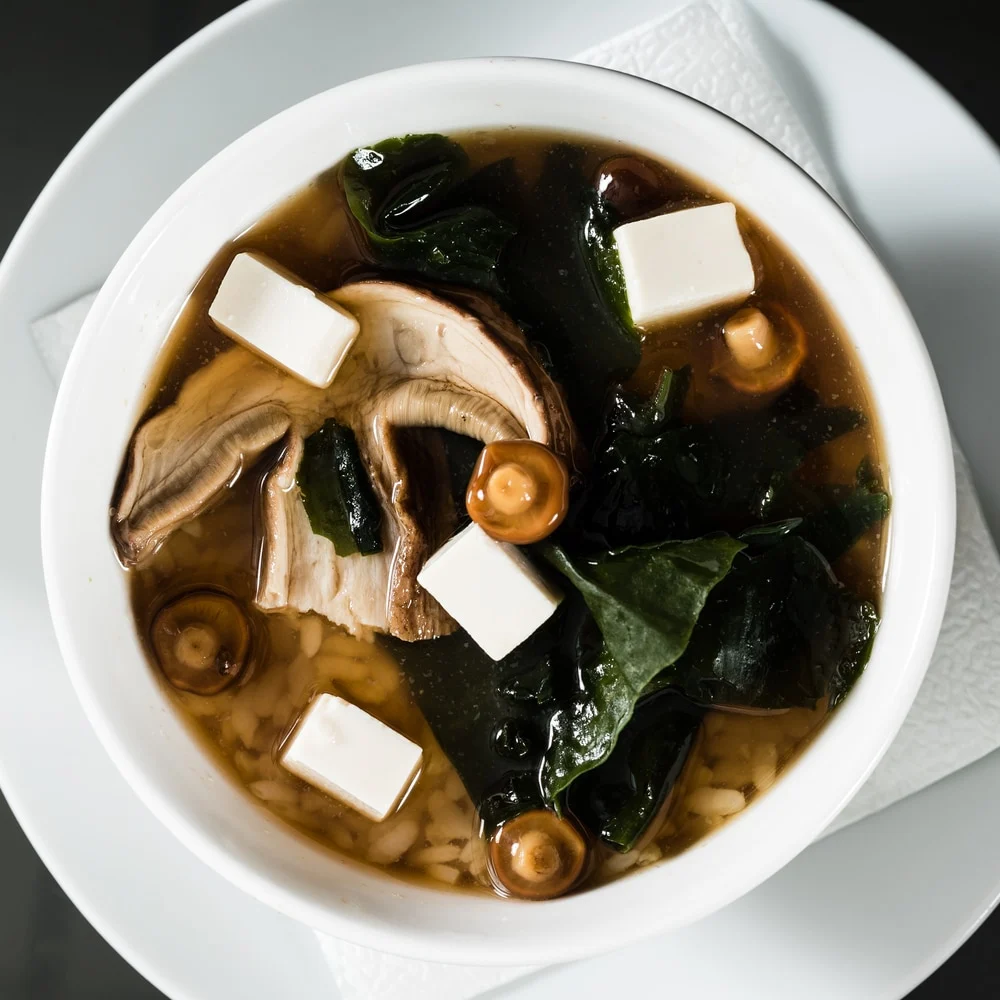
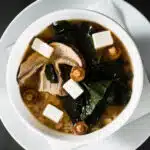
3. Avocado and Brown Rice Salmon Sushi with Miso Soup
Standard sushi often utilizes white rice seasoned with high-sugar vinegar. Substituting brown rice increases the fiber content and mineral density. Miso soup, a fermented broth, supports the gut-hormone axis, which is frequently compromised in women with PCOS.

- Assembly: Use nori sheets to wrap brown rice, raw salmon, and avocado. Pair with a miso broth enriched with ginger, seaweed (wakame), and root vegetables to enhance thyroid support.
4. Turkey Burger with Side Salad
Lean turkey is an excellent source of tryptophan and protein without the high saturated fat content of some beef cuts. To remain PCOS-compliant, these should be served on gluten-free buns or as a "protein style" lettuce wrap to avoid refined wheat flours that trigger inflammation.
5. BLT Gluten-Free Sandwich with Avocado and Tempeh Bacon
Tempeh, a fermented soy product, serves as a probiotic-rich alternative to processed bacon. It is high in fiber and contains isoflavones which may help in modulating estrogen receptors.

- Strategic Modification: Using avocado provides the creaminess usually sought from mayonnaise, while gluten-free bread paired with high protein and fat reduces the overall glycemic load of the meal.
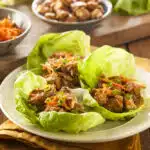
6. Lettuce Wrap with Grilled Chicken and Mixed Greens
For the professional on the go, lettuce wraps eliminate the need for processed grains entirely. Grilled chicken seasoned with lemon and herbs provides a "clean" protein source that maintains muscle mass and supports metabolic rate.
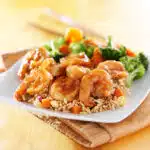
7. Shrimp Fried Rice with Brown Rice and Veggies
This dish reimagines Chinese takeout by removing soy-based additives and refined white rice. Shrimp is a low-calorie protein rich in selenium, which is vital for thyroid function—a common co-morbidity with PCOS.
- Technique: Sauté green onions, peas, and carrots before adding cooked brown rice and shrimp. Use liquid aminos or a low-sodium tamari as a gluten-free substitute for traditional soy sauce.
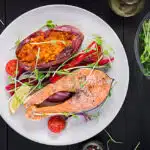
8. Baked Salmon with a Baked Potato
Simplicity is often the most sustainable form of diet therapy. A baked sweet potato provides beta-carotene and slow-burning carbohydrates, while the salmon provides the protein necessary for satiety.
- Tip: Baking the potato with the skin on maximizes fiber intake, which is essential for regulating the excretion of hormones through the digestive tract.
9. Vegan “Tuna” Salad (Black Bean Based)
For those adhering to a plant-based protocol, mashed black beans or chickpeas can mimic the texture of tuna. This avoids the heavy metal concerns associated with frequent canned fish consumption while providing a significant dose of folate and magnesium.
10. Sweet Potato, Quinoa, and Bean Burger
Quinoa is a rare plant-based "complete protein," containing all nine essential amino acids. When combined with sweet potato and beans, it creates a nutrient-dense patty that can be prepped in advance, providing a reliable lunch option for the work week.
11. Salmon Spring Rolls
Utilizing rice paper instead of flour-based wraps reduces the caloric and glycemic density of the meal. Fresh herbs like coriander added to the roll provide additional chlorophyll and phytonutrients that support liver detoxification.
12. Cilantro Lime Shrimp Skewers with Cauliflower Rice
Cauliflower rice has emerged as a gold-standard substitute for grains in the PCOS community. It allows for a high-volume meal with minimal impact on insulin levels. The cilantro and lime marinade offers an antioxidant boost that aids in reducing systemic inflammation.
Supporting Data and Metabolic Impact
The necessity of these dietary shifts is backed by stark clinical data. Research indicates that up to 70% of women with PCOS have some degree of insulin resistance, regardless of their Body Mass Index (BMI). A study published in the Journal of Clinical Endocrinology & Metabolism found that even modest reductions in the glycemic index of meals led to a 20% improvement in insulin sensitivity over a six-month period.
Furthermore, the "post-lunch slump" often reported by women with PCOS is typically a symptom of reactive hypoglycemia—a sharp drop in blood sugar following an insulin spike. By choosing meals like the Salmon Caesar or the Quinoa Burger, patients can maintain a "steady state" of glucose, which has been shown to improve cognitive function and reduce the irritability associated with hormonal fluctuations.
Official Responses and Medical Consensus
Leading organizations, including the Androgen Excess and PCOS Society, have moved toward recommending "lifestyle first" interventions. In their latest international evidence-based guidelines, they state that healthy eating shifts should be the first line of treatment, often before the prescription of insulin-sensitizing medications like Metformin.

Registered dietitians specializing in reproductive health suggest that the "all-or-nothing" approach to dieting often fails. Instead, they advocate for the "crowding out" method—filling the lunch plate with so many nutrient-dense vegetables and proteins that there is little room or craving for refined sugars. The consensus among the medical community is that consistency in meal timing and composition is more effective for long-term hormone regulation than short-term caloric restriction.
Broader Impact and Long-term Implications
The implications of managing PCOS through diet extend far beyond symptom relief. Women with PCOS are at a significantly higher risk for developing Type 2 diabetes, cardiovascular disease, and endometrial cancer later in life. By adopting a hormone-balancing lunch routine in their 20s and 30s, women are essentially performing preventative medicine.

Moreover, the psychological impact cannot be overlooked. The "brain fog" and fatigue associated with PCOS often hinder professional performance and personal well-being. A diet that stabilizes energy levels empowers women to take control of a condition that often feels unpredictable. As the medical community continues to explore the nuances of the "second genome" (the gut microbiome) and its link to the endocrine system, these fiber-rich and fermented food suggestions will likely become even more central to PCOS clinical pathways.
In summary, the transition to a PCOS-friendly lunch is not merely about weight management; it is a sophisticated biological intervention. By choosing ingredients that speak the "language" of the body’s endocrine system, women can navigate their diagnosis with resilience, energy, and improved long-term health outcomes.